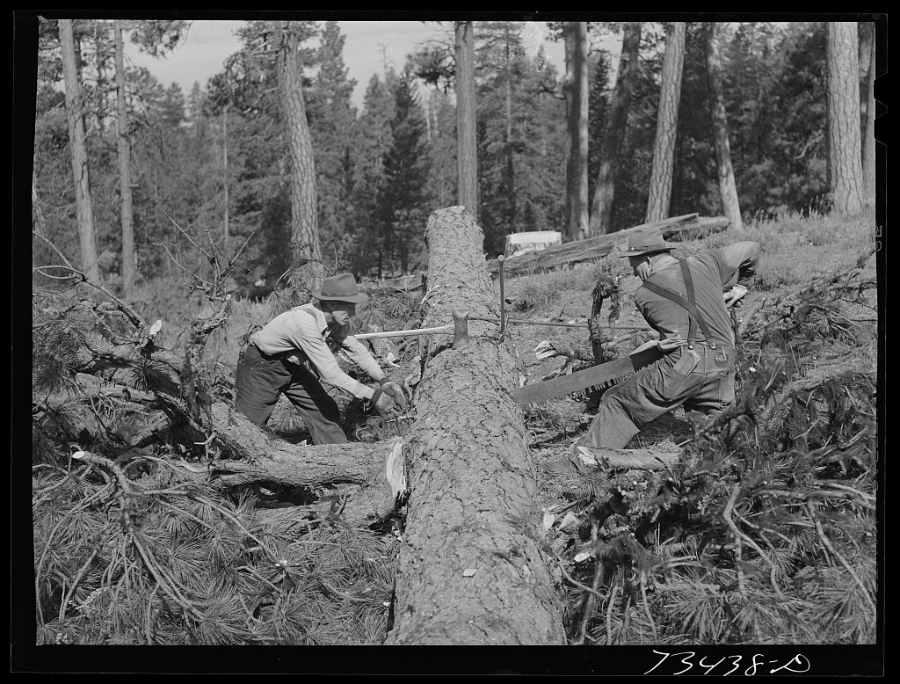
Federal law bans the use of most mechanical gear in designated wilderness areas. The rules apply to off-road vehicles, motorboats, and planes, except where already permitted—but also to motorized work equipment such as chainsaws.
When trails are blocked by tree falls, as they often are, federal crews clear them using manual cross-cut saws to preserve the sanctity of the wilderness. Chainsaws, gas ones in particular, would make the work much easier, but their earsplitting noise—and unnatural smells—can travel for miles.
Yet now, as trails across the West increasingly fall into disrepair because of massive wildfires, diseased trees, and an eviscerated federal workforce, wilderness outfitters who fill the gaps on trail maintenance are seeking permission from the US Forest Service to use chainsaws.
Outfitters in Wyoming say they’re willing to use the battery-powered ones, which are much quieter. But in Idaho, they want the gas guzzlers—and the Forest Service is starting to say yes.
This is a debate among purists—those who want land set aside for wilderness first and human enjoyment second—and pragmatists, who say, hey, we already have these trails, so let’s clear them as quickly and efficiently as possible.
More interestingly, though, it’s an extension of a timeless philosophical debate on the interactions between humans and nature, and to what extent we should open our last remaining protected lands to human encroachment.
You can read my story at High Country News.
—Christine Peterson