|
|
| Fiber supports your body by feeding your good gut bacteria, helping with weight management, potentially lowering your risk of colorectal cancer, and much, much more.
|
| In general, fiber should help ease symptoms like constipation, but what happens if it causes discomfort instead? And can you really have a fiber intolerance? Below, registered dietitian Kirsten Seele explains. |
|
|
|
|
|
|
Let’s look into it,
Tim Snaith
Newsletter Editor, Healthline
|
 |
|
Written by Tim Snaith
June 30, 2026 • 2 min read |
|
|
|
 |
|
|
| Q: |
I have a fiber intolerance. How can I get all the necessary nutrients without eating fibrous foods? |
|
| A: |
A “fiber intolerance” is not a known diagnosis or allergy.
Eating too much fiber at once or dramatically increasing your intake can also cause gastrointestinal (GI) discomfort, especially if you have inflammatory bowel diseases (IBD), which includes Crohn’s disease and ulcerative colitis.
However, fiber plays a vital role in the body. Fibrous foods — fruits, vegetables, legumes, and grains — also contain many vitamins, minerals, and antioxidants. It’s recommended to consume 14 grams (g) of fiber for every 1,000 calories of food, which is 28 g of fiber per day if you’re consuming a 2,000-calorie diet.
Try to avoid restricting your diet as much as possible. Restrictions can affect nutritional, physical, and psychological health in the long term. Given that IBD is a chronic condition, we want to try to manage it without removing too many foods.
The Crohn’s and Colitis Foundation does not recommend avoiding fibrous foods, as they can help decrease inflammation over time. However, it offers some tips to help make fiber more tolerable:
- Cook veggies until tender or blend them into sauces and smoothies.
- Focus on high soluble fiber fruits like bananas and raspberries.
- Opt for carrots instead of cabbage or Brussels sprouts.
- Try cooked oatmeal and sweet potatoes.
Other suggestions to try for managing GI symptoms include:
- getting regular exercise
- increasing your water intake
- tracking your fiber intake
- keeping a food journal and tracking symptoms
If you have Crohn’s disease and would like more guidance on a dietary approach, I recommend consulting with a dietitian to discuss the Crohn’s disease exclusion diet.
|
|
|
|
| Kirsten Seele, Registered Dietitian |
|
| Want to learn more about food, diets, cooking, or some other nutrition subject? Let us know at nutritionedition@healthline.com and we’ll look into it for you! (Heads up, we may use your response in an upcoming newsletter.)
|
 RECIPE PICKShrimp Salad with Quinoa, Corn, and AvocadoThis low calorie recipe is full of flavor from the poblano, cayenne, and fresh mint.GET THE RECIPE → |
|
|
 |
|
|
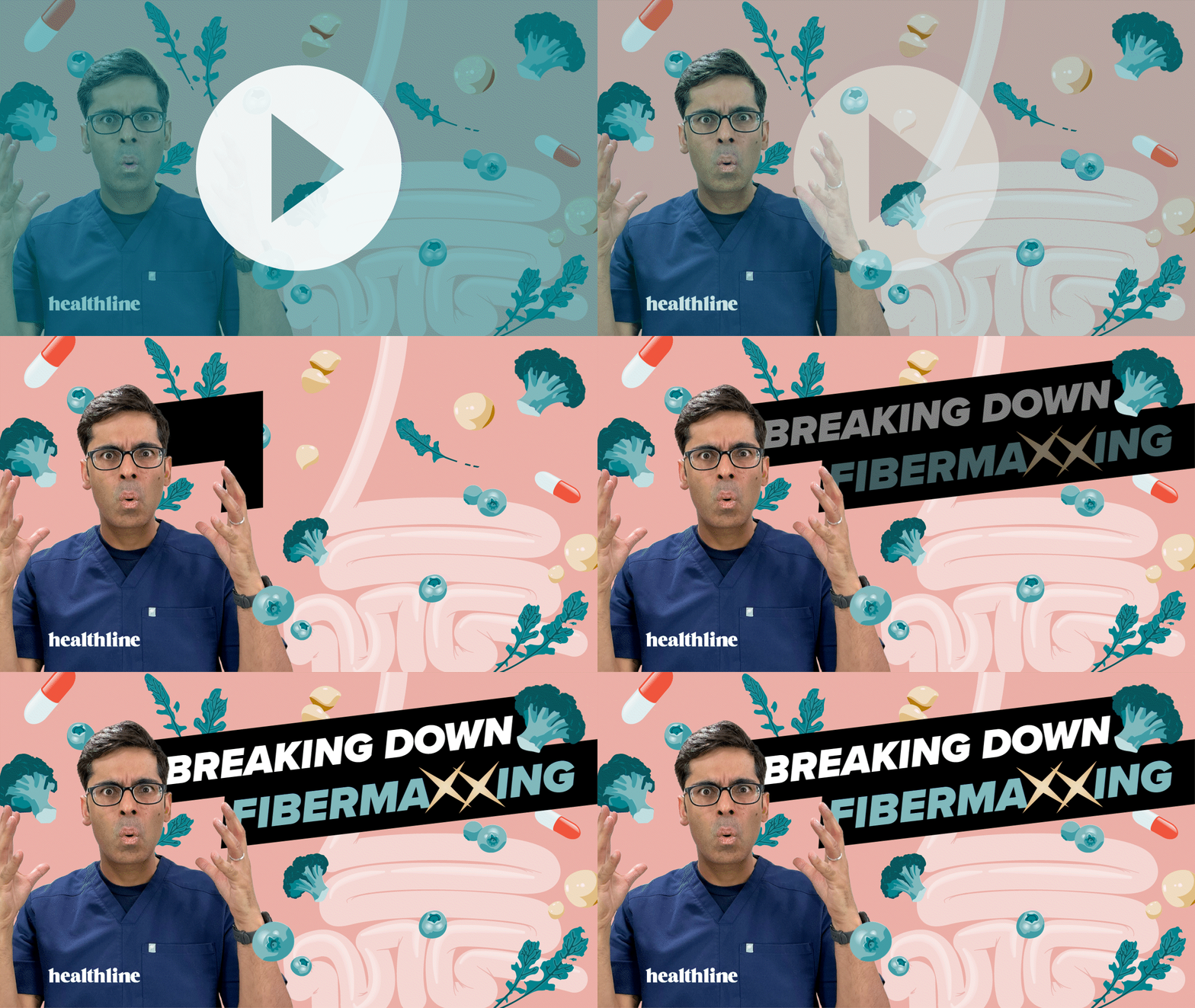
| Fibermaxxing: The Gut Health Trend You’re Doing All Wrong |
| Join Saurabh Sethi, a gastroenterologist, as he dives into the TikTok trend “fibermaxxing.” Learn about the benefits and risks of increasing your fiber intake and how it affects your gut health, plus practical tips on how to get more fiber into your diet without gas, bloating, or other digestive issues. |
|
|
|
|
|
| What we’re digesting |
| |


