IBM swings and misses, DeepSeek IPO cometh, New York denies AI data centers
 ͏  ͏  ͏  ͏  ͏  ͏  ͏  ͏  ͏  ͏  ͏  ͏  ͏  ͏  ͏  ͏  ͏  ͏  ͏  ͏  ͏  ͏  ͏  ͏  ͏  ͏  ͏  ͏  ͏  ͏  ͏  ͏  ͏  ͏  ͏  ͏  ͏  ͏  ͏  ͏  ͏  ͏  ͏  ͏  ͏  ͏  ͏  ͏  ͏  ͏  ͏  ͏  ͏  ͏  ͏  ͏  ͏  ͏  ͏  ͏  ͏  ͏  ͏  ͏  ͏  ͏  ͏  ͏  ͏  ͏  ͏  ͏  ͏  ͏  ͏  ͏  ͏  ͏  ͏  ͏  ͏  ͏  ͏  ͏  ͏  ͏  ͏  ͏  ͏  ͏  ͏  ͏  ͏  ͏  ͏  ͏  ͏  ͏  ͏  ͏  ͏  ͏  ͏  ͏  ͏  ͏  ͏  ͏  ͏  ͏  ͏  ͏  ͏  ͏  ͏  ͏  ͏  ͏  ͏  ͏  ͏  ͏  ͏  ͏  ͏  ͏  ͏  ͏  ͏  ͏  ͏  ͏  ͏  ͏  ͏  ͏  ͏  ͏ ­ ­ ­ ­ ­ ­ ­ ­ ­ ­ ­ ­ ­ ­ ­ ­ ­ ­ ­ ­ ­ ­ ­ ­ ­ ­ ­ ­ ­ ­ ­ ­ ­ ­ ­ ­ ­ ­ ­ ­ ­ ­ ­ ­ ­ ­ ­ ­ ­ ­ ­ ­ ­ ­ ­ ­ ­ ­ ­ ­ ­ ­ ­ ­ ­ ­ ­ ­ ­ ­ ­ ­ ­ ­ ­ ­ ­ ­ ­ ­ ­ ­ ­ ­ ­ ­ ­ ­ ­ ­ ­ ­ ­ ­ ­ ­ ­ ­ ­ ­ ­ ­ ­ ­ ­ ­ ­ ­ ­ ­ ­ ­ ­ ­ ­ ­ ­ ­ ­ ­ ­ ­ ­ ­ ­ ­ ­ ­ ­ ­ ­ ­ ­ ­ ­ ­ ­ ­  
Wednesday, July 15, 2026
We may have just witnessed the biggest share drop in the modern history of IBM

Good morning. Anthropic’s got a new advertisement out and it’s a real head-scratcher.

The spot starts with a serious, documentary-style tone to ask tough questions about AI. Can it be trusted? Will it benefit the majority of people? Negative prompts eventually give way to more hopeful ones (“Can AI help me be a better mom?), a stuttering soundtrack shifts to something more flowing, and the spot ends with: “There’s hope in hard questions. Keep thinking.” 

Eternal credit to Anthropic for its willingness to tackle the big picture head on; there aren’t many corporations that are that daring. But the premise is a misfire. Though the term “AI” is on the tips of everyone’s tongues, it’s not what drives the average person’s day. Memo to tech companies worldwide: Your customers are interested in solutions to their problems, not yours.

Today’s tech news follows. —Andrew Nusca

P.S. A far better spot about AI, you ask? Google’s “Hey Mom” ad from 2019.

Want to send thoughts or suggestions to Fortune Tech? Drop a line here.
IBM shares fall 25% as it misses Q2 revenue estimates
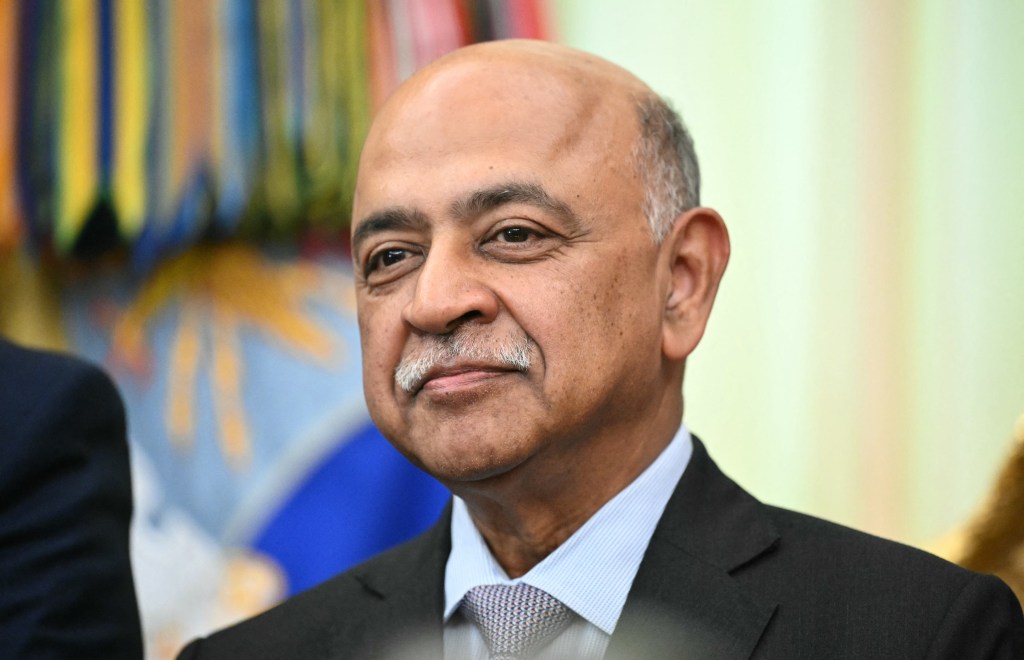
IBM CEO Arvind Krishna looks on as U.S. President Donald Trump signs an executive order in the Oval Office of the White House in Washington, DC, on June 22, 2026. (Photo: Mandel Ngan/AFP/Getty Images)IBM CEO Arvind Krishna looks on as U.S. President Donald Trump signs an executive order in the Oval Office of the White House in Washington, DC, on June 22, 2026. Mandel Ngan/AFP/Getty Images

Tough sledding for IBM this week after the company reported its second quarter earnings.

Big Blue’s Q2 revenue was up 1%, to $17.2 billion, year over year. That’s well below Wall Street’s estimate of $17.9 billion. IBM also missed on earnings per share: Non-GAAP EPS for Q2 came in at $2.93, missing a $3.01 consensus.

All of it sent the company’s shares off a cliff—down 25%—to $217. It is believed to be the biggest share drop in the modern history of IBM, which was founded in 1911.

Arvind Krishna, who has otherwise enjoyed a historic run (in terms of stock performance) as IBM’s CEO, said the company failed to close multiple major deals as customers shifted their spending away from software and services and toward supply-constrained hardware infrastructure (read: servers, storage, memory chips).

“These conditions require our teams to execute perfectly, and this quarter we faltered. We did not adapt and move quickly enough, and numerous large deals failed to close on the timelines we expected, driving the majority of our shortfall,” he wrote in a letter to investors, adding: “These are not excuses, but they are realities.” —AN
DeepSeek in talks to fundraise at a $71 billion valuation
The Chinese AI startup that shocked Silicon Valley last year by offering competitive AI at a fraction of the going price is heading toward a financial event of its own.

DeepSeek has begun preparations for an IPO in mainland China, for which it could file as soon as this year, according to Bloomberg.

Along the way, it’s reportedly in talks to raise a new round of funding that would value the Hangzhou-based company at about $71 billion—quite a jump from the $52 billion valuation from its recent $7 billion fundraise.

(How recent? Oh, about four weeks ago. AI, man.)

As with most companies competing in the global AI arms race, the additional dough is believed to be necessary for capital-intensive infrastructure buildout. More top talent. More autonomous agents. More advanced chips. More AI data centers. More power!

It’s not yet known with whom DeepSeek may be discussing funding, but the recent round included founder (and largest investor) Liang Wenfeng; battery maker CATL; Chinese titans JD.com, NetEase, and Tencent; and venture funds IDG, Monolith, and Shixiang. China’s national AI fund is also a DeepSeek shareholder. —AN
New York issues nation’s first statewide moratorium on data centers
New York has become the first state to enact a statewide moratorium on hyperscale data centers, halting any new development until July 2027, giving state regulators a year to create new standards regarding environmental impacts and energy demands, and marking one of the biggest political pushbacks against the AI infrastructure boom yet. 

Gov. Kathy Hochul signed the executive order Tuesday morning, establishing a one-year moratorium on state environmental permitting in response to the growing public concern over rising utility costs and demand for energy and water resources. 

The temporary pause applies to data centers requiring 50 megawatts or more of power while the state develops a new regulatory framework. Data center projects that have already received permits are exempt from the order.

Also in the order is a special carveout: A proposal to create a fund that would require data centers to invest in the state’s aging grid infrastructure and energy needs.

“As data center development threatens to hike up utility bills, deplete our natural resources, and create uncertainty for New Yorkers, it’s my responsibility to take action and lead,” Hochul said in a statement. 

New York’s move comes as data center development accelerates nationwide and lawmakers in more than a dozen states consider similar restrictions—but none have so far issued a moratorium on all construction. —Tatiana Sataua
More tech
Mobile networks in the Gulf were hit with cyber attacks to track the locations of U.S. military personnel in Iran.

OpenAI's first device will reportedly be a portable smart speaker.

Demis Hassabis proposes a standards body for frontier AI. The Google DeepMind CEO envisions a U.S.-based group modeled after FINRA.

Nvidia slashed its AI chip client list in Asia to combat China diversions, per the FT.

The EU may exempt wearable tech from rules requiring removable batteries, paving the way for smart glasses et al.

Google Images gets a Pinterest-style makeover for its 25th anniversary.

Uber may finally acquire Delivery Hero. The German food delivery firm is currently worth about $14 billion.