| | Why US gas exporters are the biggest winners of the Iran war, Fatih Birol on energy security in a ‘l͏ ͏ ͏ ͏ ͏ ͏ |
| |  Beijing Beijing |  Moscow Moscow | Washington DC |
 | Energy |  |
| |
|
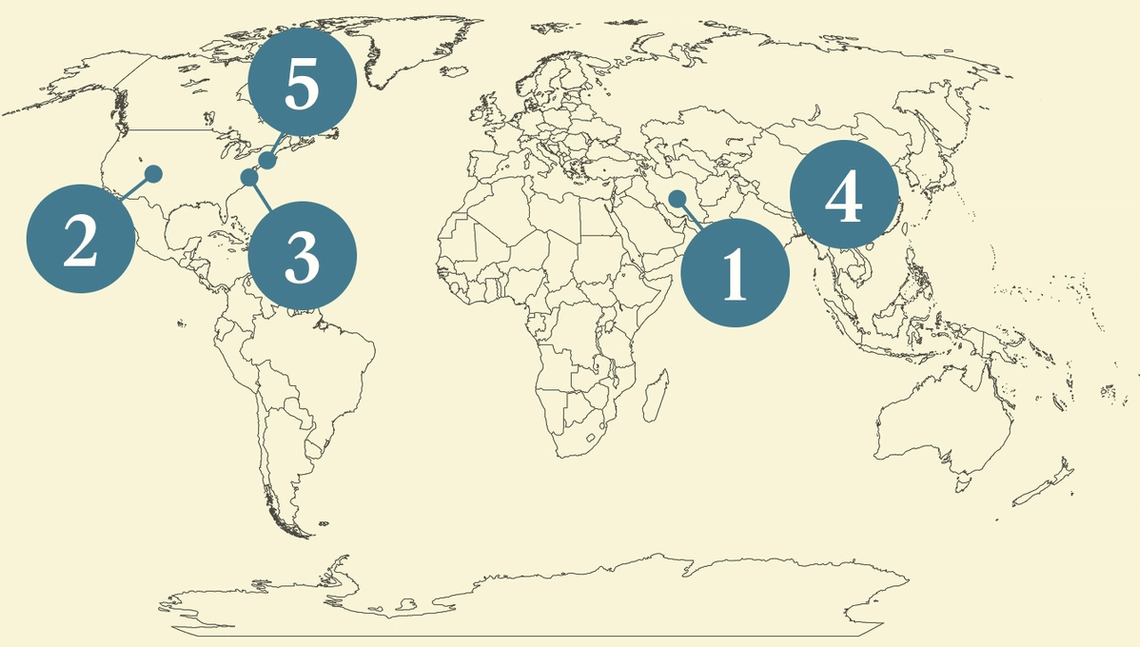 - US to boost Iraqi oil
- Hormuz redraws energy map
- Russia sanctions bill
- Green exports surge
- Dems’ new AI strategy
 Good news for BP and Total, and bad news for Lucid. |
|
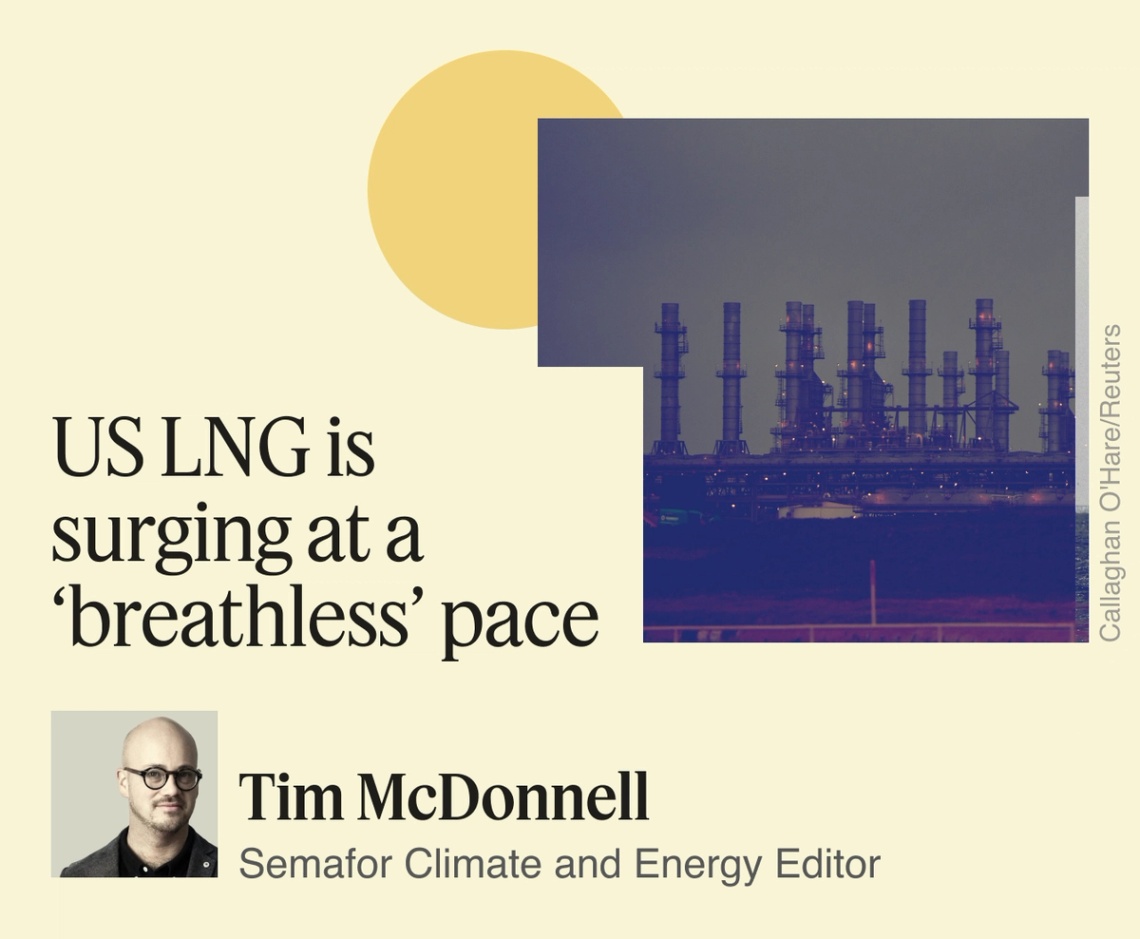 US gas exporters are one of the biggest winners from the war in Iran. Since the first major US liquefied natural gas shipments sailed a decade ago, the industry has seen Qatar as its chief competitor. Drone attacks on that country’s export hub, and chaos in the Strait of Hormuz — plus the aggressively pro-gas administration of Donald Trump — have fundamentally changed the equation. LNG is now set to become the second-most valuable net export from the US (after civilian aircraft) within five years, capturing at least 30% of the global LNG market, according to a study published today by S&P Global. And it continues to expand at remarkable speed: Since the last time S&P took a deep dive on the industry 18 months ago, the near-term production forecast has spiked 25%. “We’re a little breathless at how fast this is growing,” S&P Vice Chairman Dan Yergin told me. And freedom of navigation out of the US Gulf Coast has gained significantly as a strategic advantage, one that LNG buyers are willing to pay a premium for, he said: “Any resources that don’t have to move through a chokepoint are going to benefit.” Look for evidence of that to emerge in the second-quarter earnings of LNG kingpins like Cheniere, TotalEnergies, and Sempra in the coming weeks. 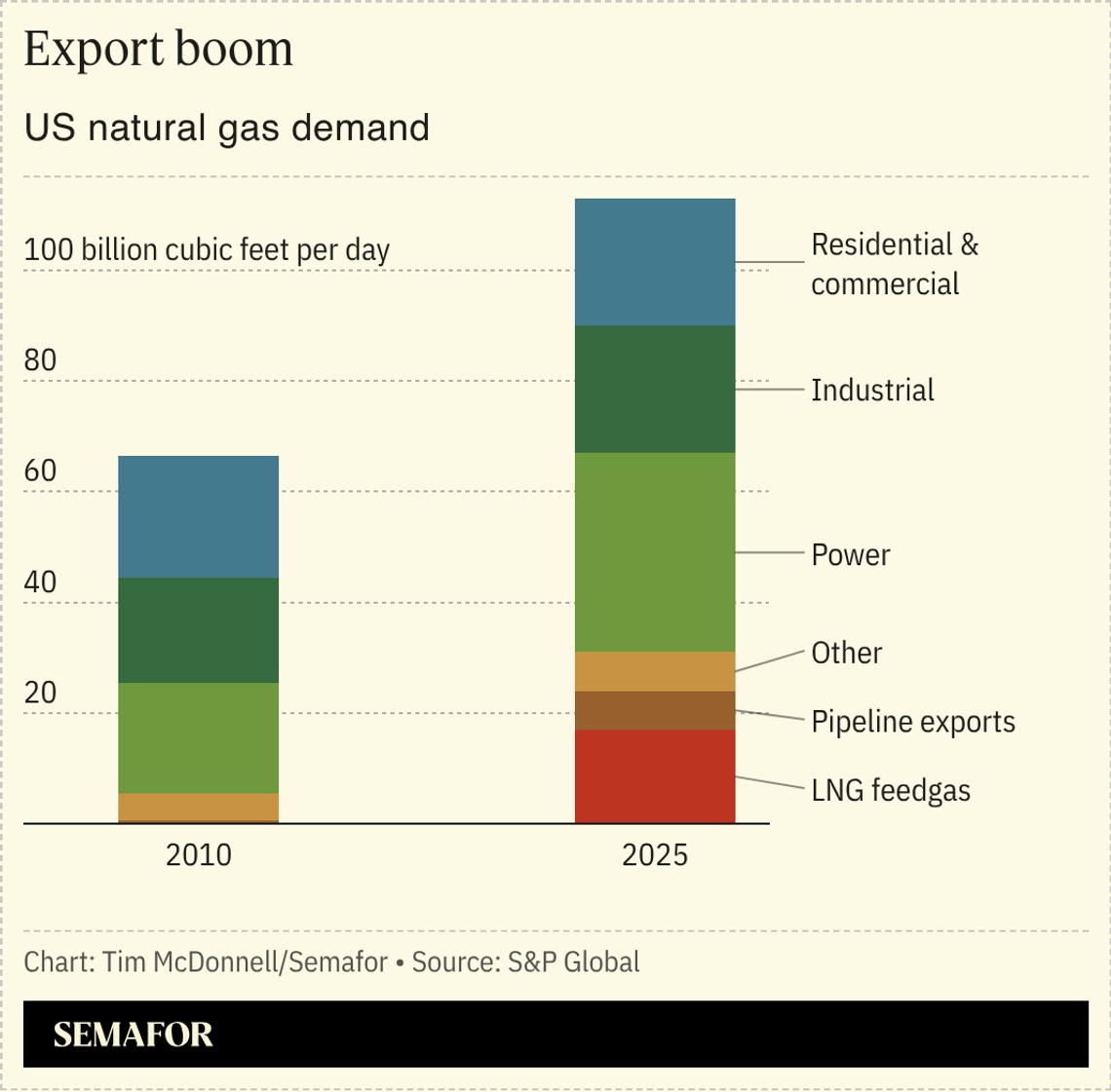 How long will the US LNG boom last, and how big will it get? The most obvious constraint is supply. A BloombergNEF forecast this week argued that between increased demand for LNG exports and for gas-powered data centers, the US could slip into a gas deficit as soon as 2028. In other words, the export boom could force US consumers to bear higher costs for gas at home. Yergin instead said infrastructure to carry gas from well sites to export terminals is the biggest bottleneck in the US, and the main determinant of whether any proposed project can succeed. That means the long-elusive goal of permitting reform legislation is a prerequisite for US LNG to continue its ascendancy. Wall Street also needs to get more comfortable financing projects that increasingly sell their product not via long-term contracts, but on the riskier spot market. US LNG also remains more expensive than many rival suppliers — a barrier, especially in South Asia. But for those able to pay, the security of supply is worth it. And because that includes many countries in Europe and elsewhere that used to buy most of their gas from Russia, “with the growth of US LNG, Vladimir Putin has even more reason to hate shale gas,” Yergin said. “He’s been the biggest loser, actually.” |
|
Oil market facing fewer buffers |
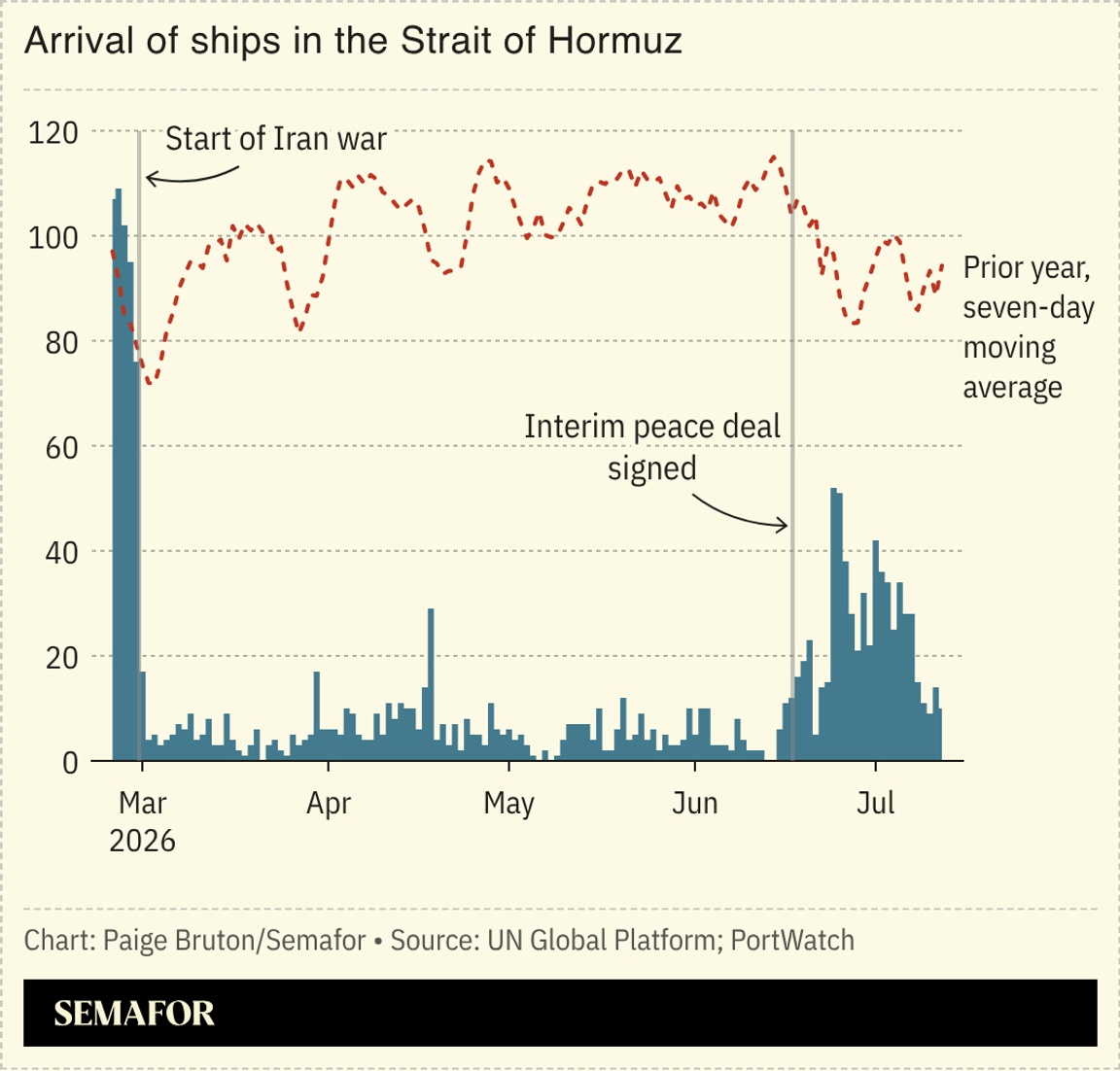 Brent oil prices remained around $85 per barrel on Thursday as fighting between the US and Iran escalated. American military officials confirmed they fired at an unloaded oil tanker that was attempting to reach Iran’s Kharg Island, a signal the US, for now, has no intention of allowing Iranian oil sales to resume. Iran, meanwhile, is focusing attacks on the “shuttle” tankers that have been the main vessels ferrying oil out of the Persian Gulf, as it presses to exercise permanent control over the Strait of Hormuz. If the conflict continues to escalate and the modest rebound in shipping traffic seizes up, there are far fewer buffers available to the global oil market than there were in February, traders and finance officials are warning. In the latest incident, drone attacks forced Iraq to suspend oil tanker loading operations at all of its ports on Thursday, according to Reuters. Yet Trump appears to be pushing ahead with a plan to help bolster oil production in Iraq; Iraqi Prime Minister Ali al-Zaidi and US Energy Secretary Chris Wright are expected to announce new investment deals at a summit in Washington DC on Friday. |
|
Energy security in a ‘low-trust world’ |
 IEA Executive Director Fatih Birol. Dilara Senkaya/Reuters. IEA Executive Director Fatih Birol. Dilara Senkaya/Reuters.Nearly five months after traffic through the Strait of Hormuz was first disrupted, the biggest impact hasn’t been on oil prices but on how countries think about energy security. Crude prices have remained lower than many expected, thanks to large prewar inventories, the release of emergency reserves, Saudi and UAE pipeline diversions, and higher production from producers elsewhere in the world, according to Fatih Birol, executive director of the International Energy Agency. But those measures are temporary, he warned. With inventories falling and ships under fire in Hormuz, “it’s too optimistic to believe that the global economy is off the hook,” he told the Aspen Security Forum. Countries recognize that the “global energy map is being redrawn” and are prioritizing supplies from what they perceive to be more reliable producers, which “will increase the cost of energy in a low-trust world,” he said. Another shift may be China’s role. Former US energy security official Meghan O’Sullivan noted that China’s 4 million-barrel-a-day reduction in demand since the war began helped cushion the supply shock. While there are questions about how long that can be sustained, it raises the prospect that Beijing could now be a “swing consumer,” with “geopolitical influence along the lines that Saudi Arabia has had in the past” as the market’s swing producer. — Mohammed Sergie |
|
US softens on Russian energy sanctions |
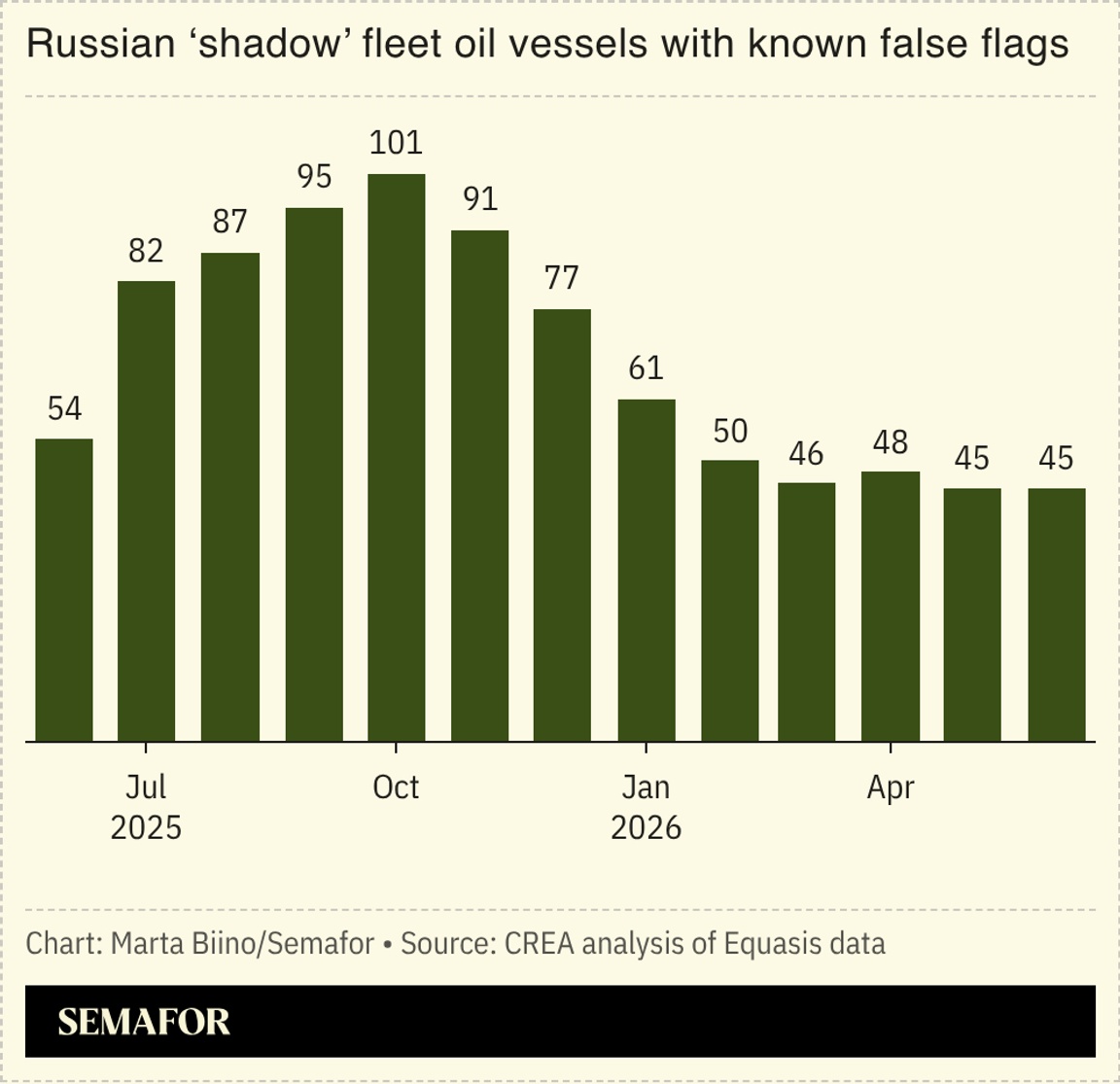 The US Senate’s latest effort to slap energy sanctions on Russia takes a softer stance on secondary penalties for countries including Iran and China, and lets Europe and Japan off the hook for buying Russian gas. The bill was approved in its final iteration by Sen. Lindsay Graham, its longtime champion, just days before his death, a Senate aide told reporters. The bill, which the White House said last week it would support, aims to ramp up economic pressure on Russia’s state-owned energy companies and their financiers, as well on Moscow’s sanctions-dodging shadow fleet. It also imposes secondary tariffs of up to 100% on the top five buyers of Russian oil and gas and the top five countries “facilitating Russian oil sanctions evasion,” less than the 500% penalty that earlier versions of the bill had sought. With midterms looming, any new legislation will have a difficult path ahead, but the sanctions bill could manage to ride a wave of support to 60 votes following Graham’s death. “There’s a good chance it gets done,” Trump said on Tuesday. |
|
Chinese clean tech exports surge |
 Chinese lithium battery exports surged 38% in the first half of this year, while wind turbine shipments increased 36%, as the energy crisis sparked by the war in Iran drives a global scramble for clean technology that Beijing is taking advantage of. The new export data builds on an already strong first quarter for China, Bloomberg noted, when lithium battery exports jumped 50% compared to the first quarter of 2025. China’s private sector is also taking on an increasingly pivotal role in its clean tech dominance: The number of EV, battery, and solar product shipments by private companies increased by 46% from January-June, according to customs data. |
|
Dems make AI the ‘new bogeyman’ |
 US Senator Bernie Sanders, I-Vt. Kylie Cooper/Reuters. US Senator Bernie Sanders, I-Vt. Kylie Cooper/Reuters.New York Gov. Kathy Hochul’s Tuesday announcement of a data center moratorium signals that the backlash against the energy footprint of unchecked AI growth is moving closer to mainstream US Democratic-party politics. In races across the country, where left-leaning challengers are threatening Democratic establishment picks, they’re doing so by making the AI industry into a new bogeyman. As the implosion of Graham Platner in Maine stokes an intraparty debate over progressives’ campaign acumen, the left has sought to change the subject by digging in against data centers as energy-hungry behemoths that hurt communities. And they’re continually being handed new evidence and ammunition — most recently by a power auction this week in the PJM grid region, where utilities moved to add $6.3 billion to residential and business power bills. — David Weigel |
|
 Fossil Fuels- French oil major TotalEnergies said it expects its second-quarter results to receive a boost from higher fuel prices, though its LNG revenue is likely to fall due to lower European demand.
- British energy giant BP said that it had cut its net debt by up to 13% thanks to the oil price surge caused by the Iran war.
- Europe is struggling to refill natural gas stocks. The blockade of the Strait of Hormuz depleted reserves, leaving them around 52% full, and prices have soared.
FinanceTechPolitics & PolicyMinerals & Mining EVs- EV-maker Lucid denied that it was considering a potential take-private transaction or a bankruptcy filing after a “completely false” blog post caused its shares to fall more than 50%.
- Ford’s electric SUV, released in 2023, was hailed as a “personal bullet train,” yet the project appears to have been “cursed from the outset,” New York Times Magazine writes in a far-reaching feature on why the American EV industry has failed to take off, even as demand explodes.
Personnel- Sergii Koretskyi, CEO of Ukraine’s state-owned Naftogaz, was confirmed as the country’s next prime minister, an indication of the government’s focus on preparing for a renewed Russian offensive against the energy sector this winter.
|
|
|


