Seven small museums to visit, Ukraine’s drone expertise and a Connect Four set for your travels.
|
Tuesday 11/8/26
|

|
|
London
Paris
Zürich
Milan
Bangkok
Tokyo
Toronto
|
|
|
|

Good morning from Midori House. For more news and views, tune in to Monocle Radio. Here’s what’s coming up in today’s Monocle Minute:
THE OPINION: Why are Nauru and other countries renaming themselves?
DEFENCE: How Ukraine’s drone expertise is becoming a diplomatic asset
DAILY TREAT: Poltrona Frau
x Giobagnara’s Connect 4 set
FROM MONOCLE.COM: Seven small museums to visit
|
|
What do you do when your country needs a rebrand? Change its name
By Andrew Mueller
|

|
It is not easy for Nauru to get on the news. The Pacific island microstate is the world’s third-smallest country by area, ahead of the Vatican and Monaco, and, by population, ahead of the Vatican and Tuvalu. Nauru is in the middle, approximately, of nowhere: an hour and a bit by air from Kiribati, three hours and change from Fiji, four and a half from Brisbane.
The island’s diminutive size and remote location have historically made it difficult for the country to make any kind of soft-power splash. Nauru had a go during the 1970s and 1980s, when deposits of phosphate-rich calcified guano made it possibly the world’s wealthiest country per capita. During its brief, high-rolling run as the Saudi Arabia of bird crap, Nauru built the tallest building in Melbourne, subsidised a national airline, bankrolled a West End musical and didn’t collect taxes. One Nauruan police officer bought a Lamborghini, a debatable purchase considering that the island had 19 kilometres of paved road.
|
|
|
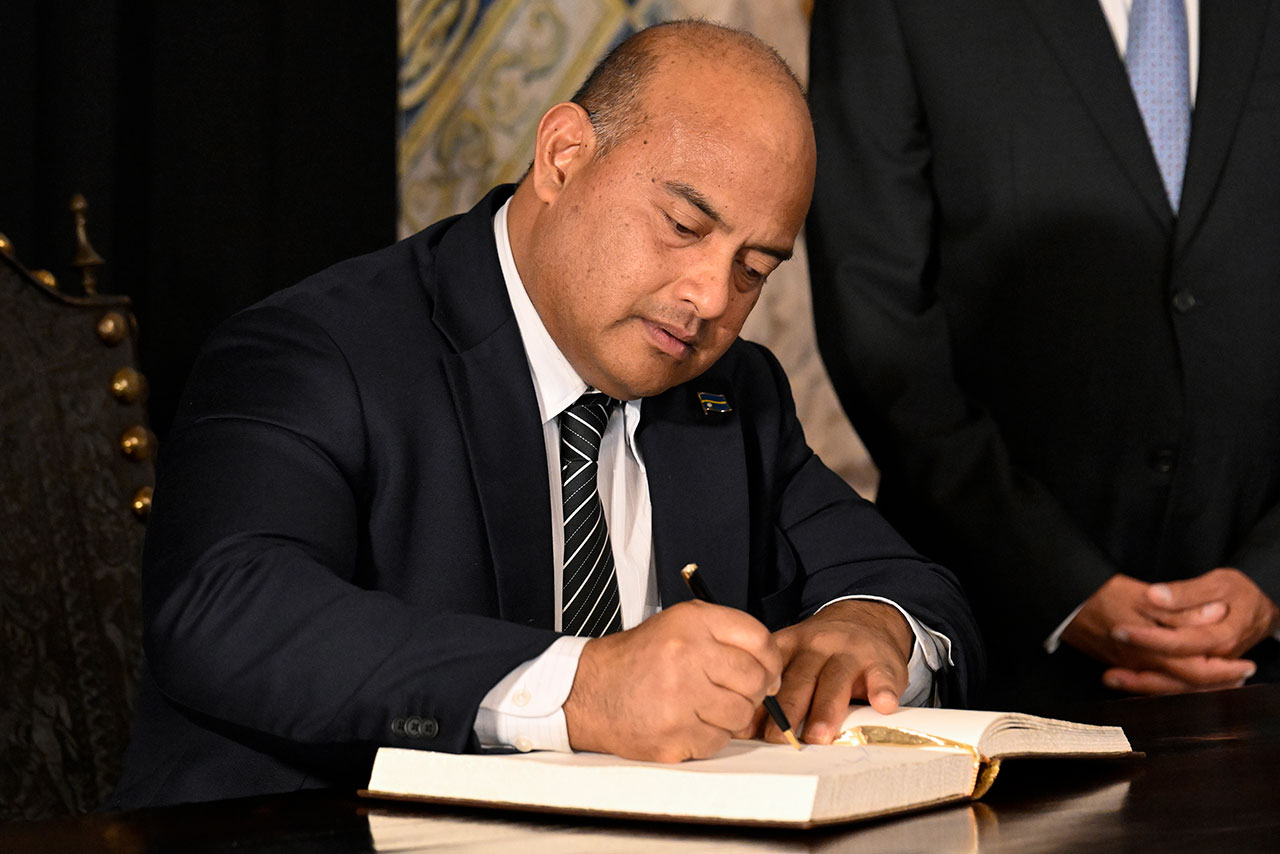
Sign of the times: Nauru president David Adeang
|
|
For Nauru, having since mismanaged itself into penury, making headlines now requires bold thinking and there are few manoeuvres more audacious than changing names. Nauru is now the Republic of Naoero and Nauruans are henceforth dei-Naoero. The alteration restores primacy to the Indigenous, traditional nomenclature that had been anglicised in deference to foreigners who struggled to pronounce it (Naoero is Now-ero, give or take, which isn’t that complicated, and certainly less deceptive than Kiribati, which, despite appearances, is pronounced Kiri-bass). When Naoero’s president, David Adeang, pitched the switch earlier this year, he said that it would “more faithfully honour our nation’s heritage, our language and our identity”.
Naoero has not been the only country in recent years to have furnished work for cartographers by making a decision of this kind. Swaziland became Eswatini in 2018, partly as an assertion of national identity, and partly – so King Mswati III claimed – because it was tired of being mistaken for Switzerland. Turkey announced in 2022 that it would prefer to be known as Türkiye, partly as an assertion of national identity, partly because it was tired of its association with an ungainly bird that is synonymous with stupidity and failure.
Some of the 21st century’s other national name changers have acted out of convenience. In 2019, Macedonia added the prefix “North” to finally – if grudgingly – end an interminable and inane diplomatic row with Greece, which staked an exclusive claim to the name. In 2016, the Czech Republic announced it would rather be known as Czechia, much as the French Republic is the official name of France: it’s shorter, snappier and easier to chant at football games.
Mostly, however, national name changes have been undertaken for the same reason as any corporate rebrand: to signal that the enterprise is under new management. This is, in general, perfectly fair enough. Upon gaining independence in 1964 and 1980, Zambia and Zimbabwe no longer wished to be called Northern or Southern Rhodesia, after the CEO of the British mining company that had occupied and exploited their land. Names such as Malawi, Mali, Benin, Botswana and Burkina Faso are also indisputably cooler than whatever those countries were once saddled with by some pith-helmeted European.
There will likely be more reasons not to invest in a new globe just yet. The big one to watch is India. Several Indian cities (Bombay/Mumbai, Madras/Chennai, Calcutta/Kolkata, et al) have already reverted to traditional names, and the prime minister, Narendra Modi, has intermittently flirted with the nation’s official Sanskrit name, Bharat. Georgia might also be worth keeping an eye on. It awkwardly shares a name with an American state and Georgians themselves call their country Sakartvelo, which is pleasingly evocative of some mythical mediaeval realm of mountaintop castles.
In 2021 one New Zealand party – Te Pāti Māori, which held two seats in the House of Representatives – gathered more than 70,000 signatures on a petition to formally rename the country Aotearoa, an Indigenous word translating as “the land of the long white cloud”. Whatever inconvenience might be occasioned by rewriting the national anthem (“God Defend New Zealand”), Aotearoa is way prettier than any bequest of homesick Dutchmen. In the end, maps are not carved into marble.
Andrew Mueller is a regular Monocle contributor and host of ‘The Foreign Desk’. For more opinion, analysis and insight, subscribe to Monocle today.
|
|
defence: ukraine
As Kyiv seeks more defence support, Ukraine is using its hard-won drone expertise to forge diplomatic partnerships
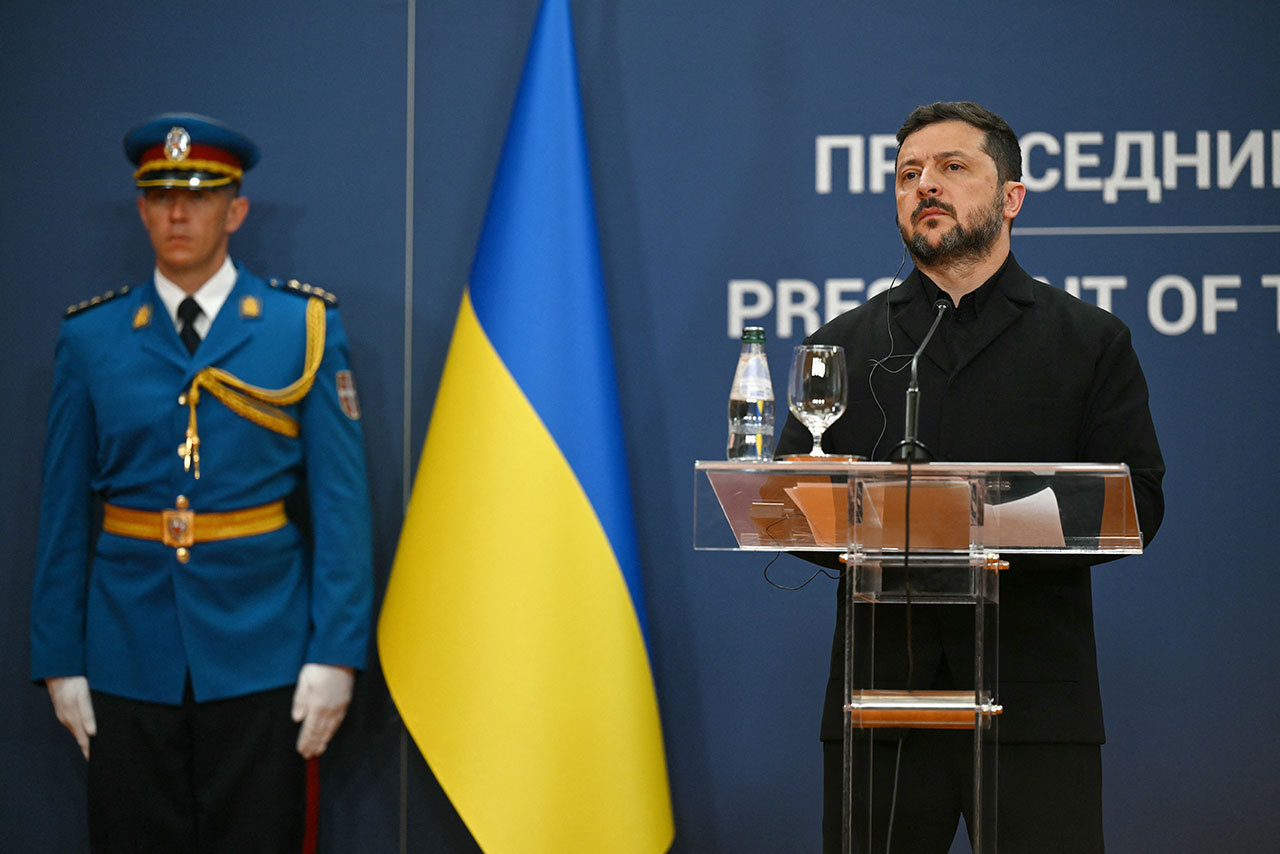
Last week, Russia launched one of its deadliest attacks on Kyiv this year, killing at least 20 people. The attack renewed urgent calls from president Volodymyr Zelensky for more missile interceptors. As Ukraine struggles to defend its skies, support for continued military aid is becoming more politically contested in parts of Europe. At the same time, Kyiv is leveraging its expertise in drone warfare, using it as a bargaining chip to secure long-term defence partnerships that could reshape both its own future and Europe’s security.
Ukrainian journalist and Chatham House Academy associate Olga Tokariuk joined Monocle Radio to talk about drone diplomacy and a recent meeting between Ukrainian ambassadors and Zelensky.
|
|
|
On the defensive: Volodymyr Zelensky talks drone diplomacy
|
|
Tell us more about Zelensky’s drone diplomacy and the meeting with Ukrainian ambassadors.
There is this yearly reunion of Ukrainian ambassadors in Kyiv when all ambassadors come back to the capital and hear from the president. They also tell him what they managed to achieve. The president said during that meeting that Ukraine has managed to sign nine drone deals with various countries and 15 more are being worked on. The countries that these drone deals are signed with are mostly Nordic and Baltic. The president also made it clear during his meeting with UK prime minister Andy Burnham that he really wants to sign a drone deal with the UK as well.
What do these deals entail?
Bilateral co-operation between Ukraine and other countries, which includes the joint production of drones. It includes Kyiv sharing its technology and Ukrainian specialists assessing the air-defence capabilities of the countries that signed these deals. These drone deals are not public, so the texts have not been officially published.
What are the long-term goals of these deals?
For Ukraine, these long-term agreements are [important because it is hoping for some external] funding for Ukrainian weapon production. It wants the continuation of investment from Western countries in Ukrainian defence. Ukraine is currently the front-runner of drone warfare. It has hands-on experience. It has the best expertise in the world on how to fight a modern war.
|
|
• • • • • DAILY TREAT • • • • •
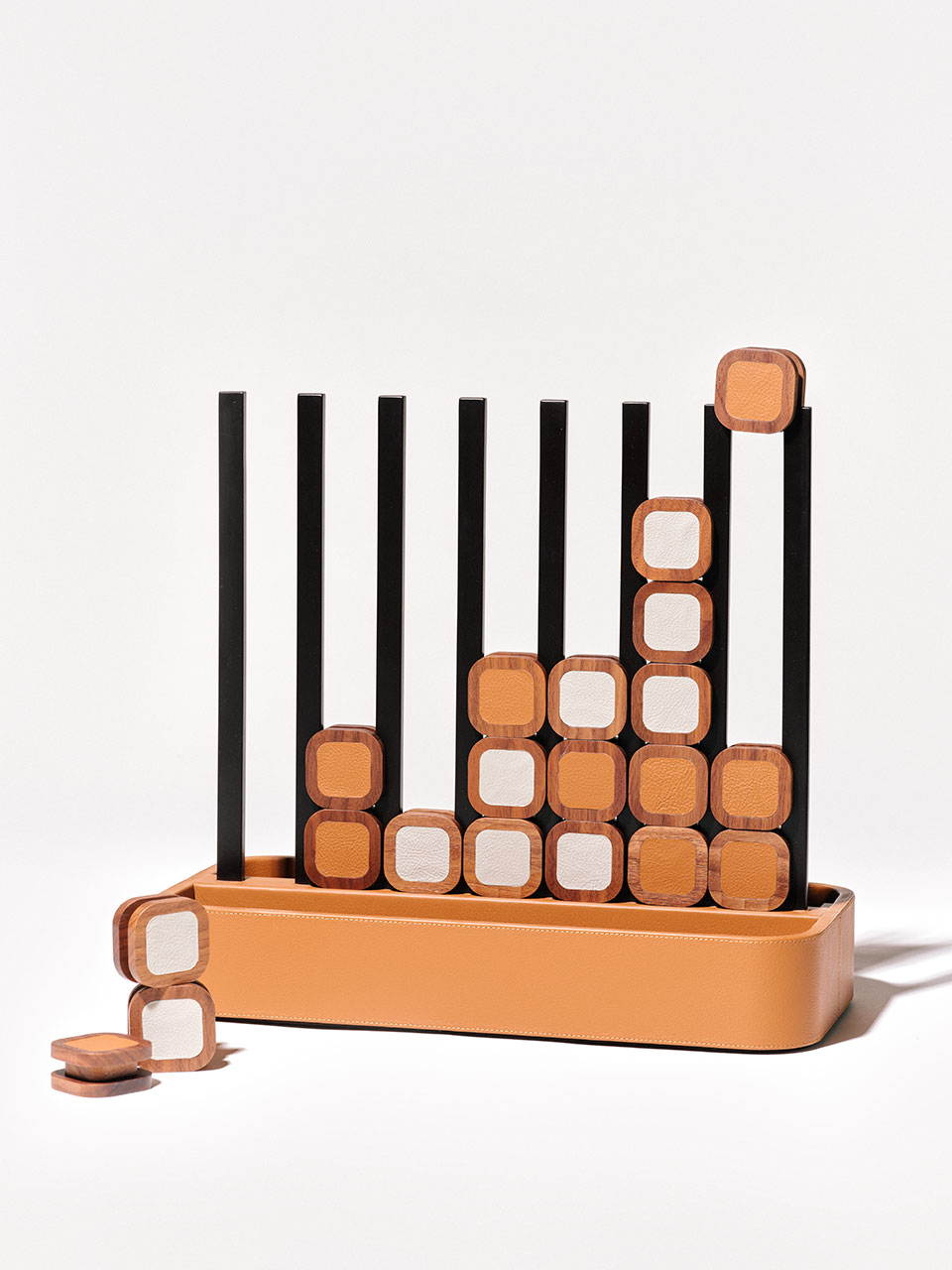
Pick up a Connect 4 set by Giobagnara and Poltrona Frau
A postprandial game of Connect 4 is just about the right amount of intellectual stimulation on a hot summer’s day.
This particular set, designed by Giobagnara for Italian design house Poltrona Frau, features pawns made from walnut wood that are covered in either quartz-grey or tan leather.
poltronafrau.com
|
|
From monocle.com: Global
Bigger isn’t always better: Seven small museums to see around the world
Most museums are not grand institutions. They are compact, regional archives tucked behind market squares, housed in former chapels or sequestered in railway buildings. Often maintained by volunteers and built around private collections or singular obsessions, mini museums play important roles in documenting community histories and preserving niche portfolios.
While large institutions often draw bigger crowds and boast impressive collections, small ones can offer an intimacy and focus that you can’t find elsewhere. You can linger in exhibitions without being jostled, discover overlooked histories and see everything in a single visit.
|
|
|
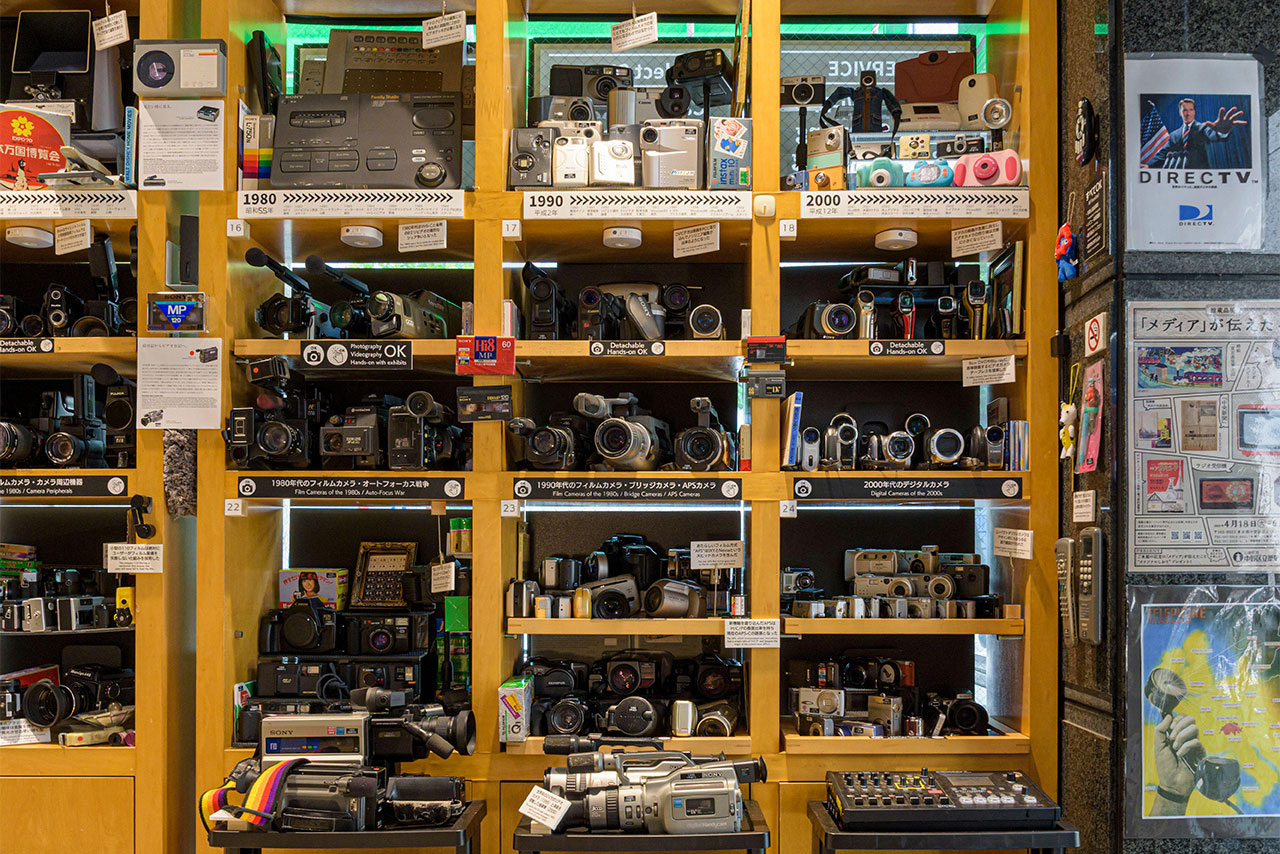
Picture perfect: Tokyo’s tiny Extinct Media Museum lives large
|
|
Extinct Media Museum
Tokyo
Unlike most galleries, which (not unreasonably) have a “look but don’t touch” policy, the Extinct Media Museum in Tokyo actively encourages visitors to pick up any of the hundreds of vintage mobile phones, cameras, cassette recorders and electric typewriters on display. A visit to this pocket-sized private museum, just a short walk from Tokyo Station, makes for an absorbing outing. On display are generations of electronic devices that were state of the art only a few years ago and already look like antiques. Coming here is both a nostalgia trip and a chastening reminder of how fast technology changes.
Read on for more small museums around the world.
|
|
| | |