Switzerland’s plus-sized symbol, suiting up at Mohawk General Store and Copenhagen’s Tivoli Gardens turns to Japan.
|
Thursday 13/8/26
|

|
|
London
Paris
Zürich
Milan
Bangkok
Tokyo
Toronto
|
|
|
|

Good morning from Midori House. For more news and views, tune in to Monocle Radio. Here’s what’s coming up in today’s Monocle Minute:
THE OPINION: Has the art world lost the plot?
BUSINESS: Brand Switzerland is a tough cross to bear
DAILY TREAT: Suit up at Mohawk General Store
URBANISM: Copenhagen’s Tivoli Gardens turns to Japan
THE LIST: Three stories that you might have missed
|
|
State of the art: Is the gallery world on the brink of collapse or correction?
By Orlando Whitfield
|
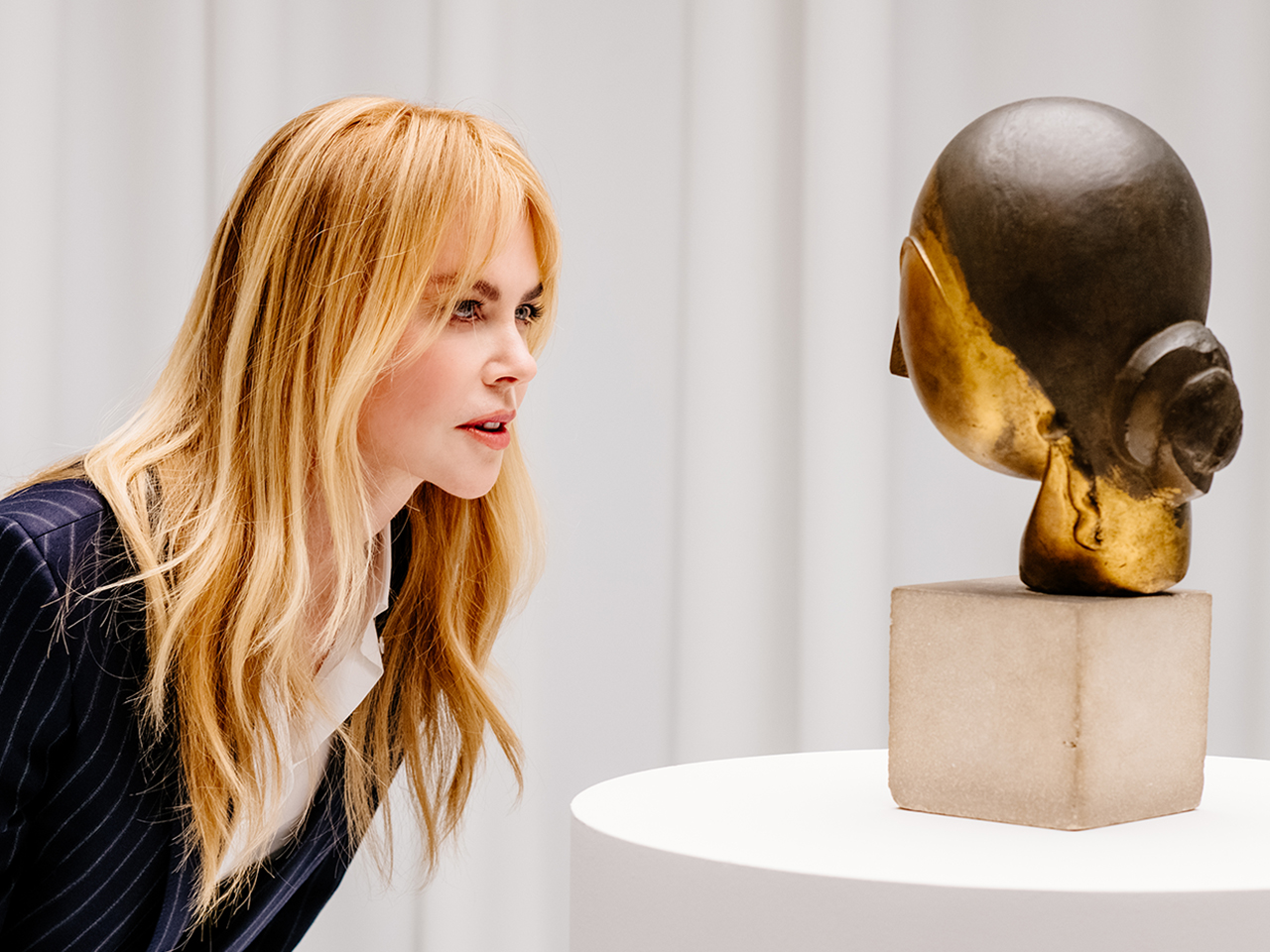
In a short film released in May by Christie’s, Nicole Kidman strides purposefully into the foyer of the auction house’s Manhattan headquarters at Rockefeller Center. An elevator whisks her to another floor where she pushes her way through a heavy white curtain, as if entering a crime scene. Inside, on a plinth, is a gilt head by Romanian sculptor Brâncuși, an artwork from the collection of late media magnate Si Newhouse. Within moments, Kidman is dancing seductively around the artwork to David Bowie’s “Golden Years”. In May the Brâncuși sold for just shy of $108m (€94.19m).
I always feel that it’s something of a gloomy harbinger when celebrities get involved. It smacks of desperation, as if the thing or the message being sold isn’t good enough on its own merits. Though recent reports of an art market collapse might have been greatly exaggerated – and there are few other markets in which hyperbole is as integral or as prevalent – lately there have been incontrovertible signs of a correction.
| |
|
Face value: Nicole Kidman lends star power to a Christie’s campaign
|
|
While big-ticket items such as the Brâncuși are still selling for big numbers at auction, galleries are struggling. Profits are down across the board: mega-gallery Pace has dropped 50 artists and cut 20 per cent of its staff worldwide. Over the past few years, market stalwarts, including Marlborough and Simon Lee, have shuttered, while younger, mid-tier galleries such as Clearing closed their doors, too.
For too long, the art world has expanded while the art market has narrowed. The dinners, parties and biennales carried on, while the clattering soundtrack of gallery closures played in the background like the Titanic’s string quartet. Gone are the halcyon days of buyers schlepping to the outskirts of London or New York to an exciting project space in a former morgue; galleries these days often have the feel of an opulent spa. The global profusion of art fairs has made collectors lazy and gallerists unadventurous. They are also prohibitively expensive – a couple of bad fairs in a row can be the kiss of death for smaller galleries.
Even though the outlook might seem bleak, there are reasons for optimism. A contraction at the top could result in a market that is less reliant on art fairs and digital interaction. Galleries big and small will then be able to focus on developing closer relationships with artists and collectors on home turf. In too many instances, art and the way it is sold have become indistinguishable from luxury goods. At times it can feel as though the market has forgotten what elevates art and why people want to own it. In my experience as a gallerist, buyers were seeking human connection as much as they were looking to build a collection.
In his 2015 book, The Utopia of Rules, David Graeber wrote, “The ultimate, hidden truth of the world is that it is something that we make and could just as easily make differently.” The art world of today was made by yesterday’s market. I, for one, am hopeful that it will foster a generation of better, more adventurous art and artists with more sustainable careers. In London, several smaller galleries are punching far above their weight: Ginny on Frederick in Clerkenwell; Soft Opening in Bethnal Green (the gallery started life in Piccadilly Circus station); and William Hines in Camberwell. The art world is like a cruise ship – it might take a long time to turn it around – but galleries such as these give me faith that it’s moving in the right direction.
Orlando Whitfield is the author of the book ‘All That Glitters: A Story of Friendship, Fraud and Fine Art’. For more opinion, analysis and insight, subscribe to Monocle today.
|
|
business: Switzerland
The plus-sized debate that has Swiss knives out
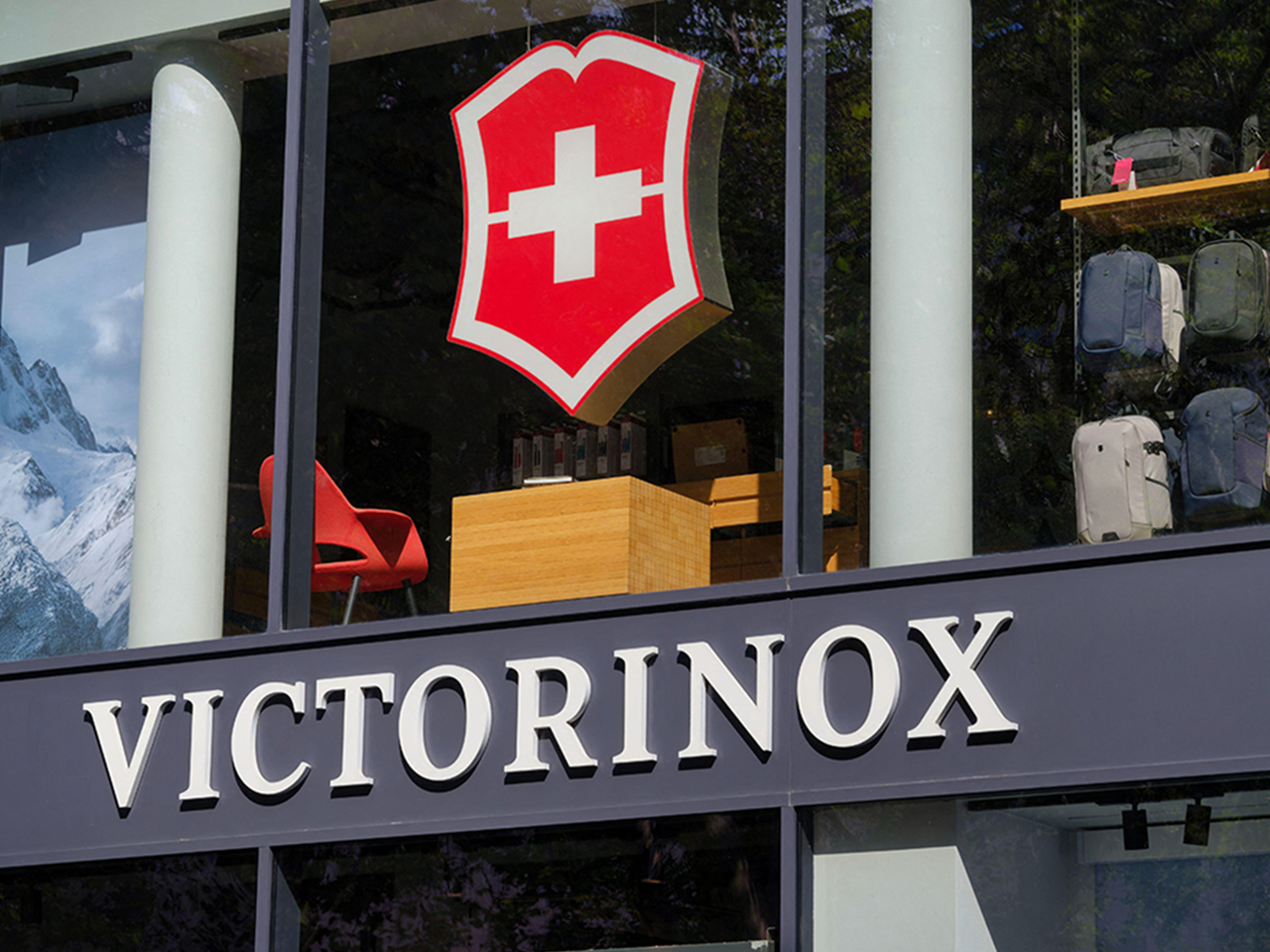
A Swiss flag is an internationally recognised stamp of approval (writes Jack Simpson). To put it on products, brands have long had to produce them in the country – think Victorinox’s trusty Swiss army knife or a well-made bottle by Sigg. That is until the Federal Institute for Intellectual Property (IGE) tweaked the rules to allow the Swiss cross to adorn items that were designed in Switzerland but not fabricated there. This week, the Swiss Trade Association (SGV), which represents small to medium-sized businesses, slammed the decision (made in March), claiming that it undermines public confidence in the symbol.
| |
|
Feeling cross: A controversial tweak has some Swiss companies on edge
|
|
In a recent survey commissioned by the SGV, 60 per cent of respondents said their trust in the cross was slipping and more than 80 per cent wanted the symbol to be reserved for things made in the country. Without the incentive, smaller companies are now considering moving their manufacturing to places with cheaper labour costs. But the decision does have some support. The sportswear giant On, which began as a Zürich-based start-up before being made abroad and traded on the New York Stock Exchange, lobbied intensely for the policy change. For now, the rules will support On’s use of the Swiss flag on its shoes.
However, On might be the exception to the rule: a brand that has rightly earned international credibility is unlikely to dull the soft-power status of Switzerland’s sharp branding. Can we trust others to match those standards? Victorinox has made Swiss army knives in the country since 1897 and its handy tools remain a staple of military kitbags in Switzerland, Germany, the Netherlands, the US and Malaysia. The CEO of the family-owned company, Carl Elsener Jr, made it clear in an interview with Monocle back in 2017: “This knife is connected not only to Switzerland but to the idea of Swiss-made – it’s a symbol of Swiss reliability.”
At Midori House the debate continues. Tune in to ‘The Monocle Daily’ to hear our panellists discuss the Swiss cross debacle.
|
|
• • • • • DAILY TREAT • • • • •
Suit up in a linen ensemble from Mohawk General Store
So-and-so’s wedding is just around the corner. You have worn the same seersucker number to your past two summer soirées and you don’t have long to come up with a new ensemble. So, what are you wearing? Here’s a tip: Mohawk General Store, Los Angeles’s best spot for menswear, has a peerless in-house line called Smock.
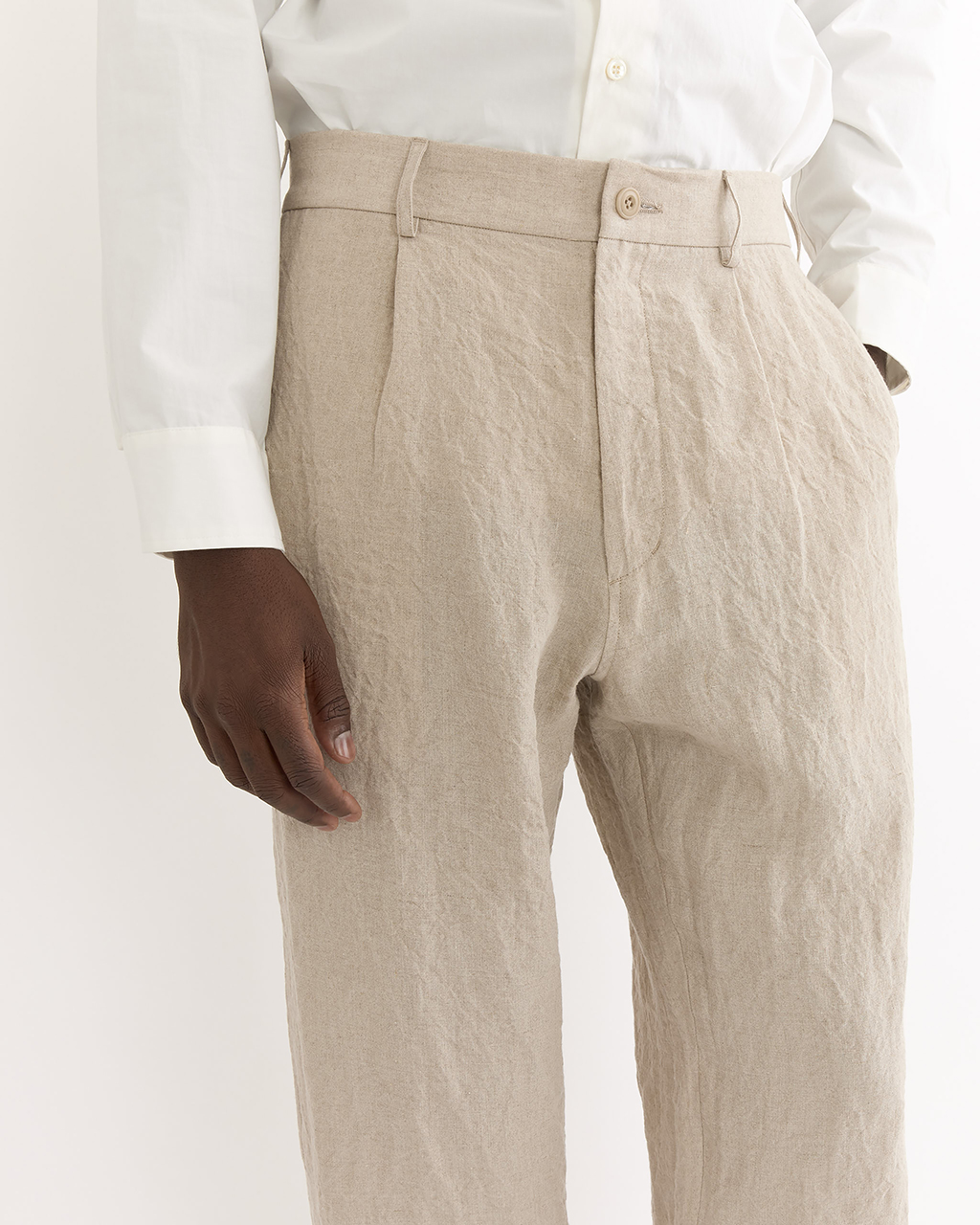
The shop’s founders, Bo and Kevin Carney, have a good eye for buying great pieces but Smock is their more hands-on approach to showing it. We particularly like the brand’s Sun Dried Linen suiting in this ivory colourway. There are other options in silk or wool gabardine, as well hues such as tobacco, navy, black and emerald green.
mohawkgeneralstore.com
|
|
URBANISM: DENMARK
Tivoli Gardens debuts its new rollercoaster ride to Tokyo in the heart of Copenhagen
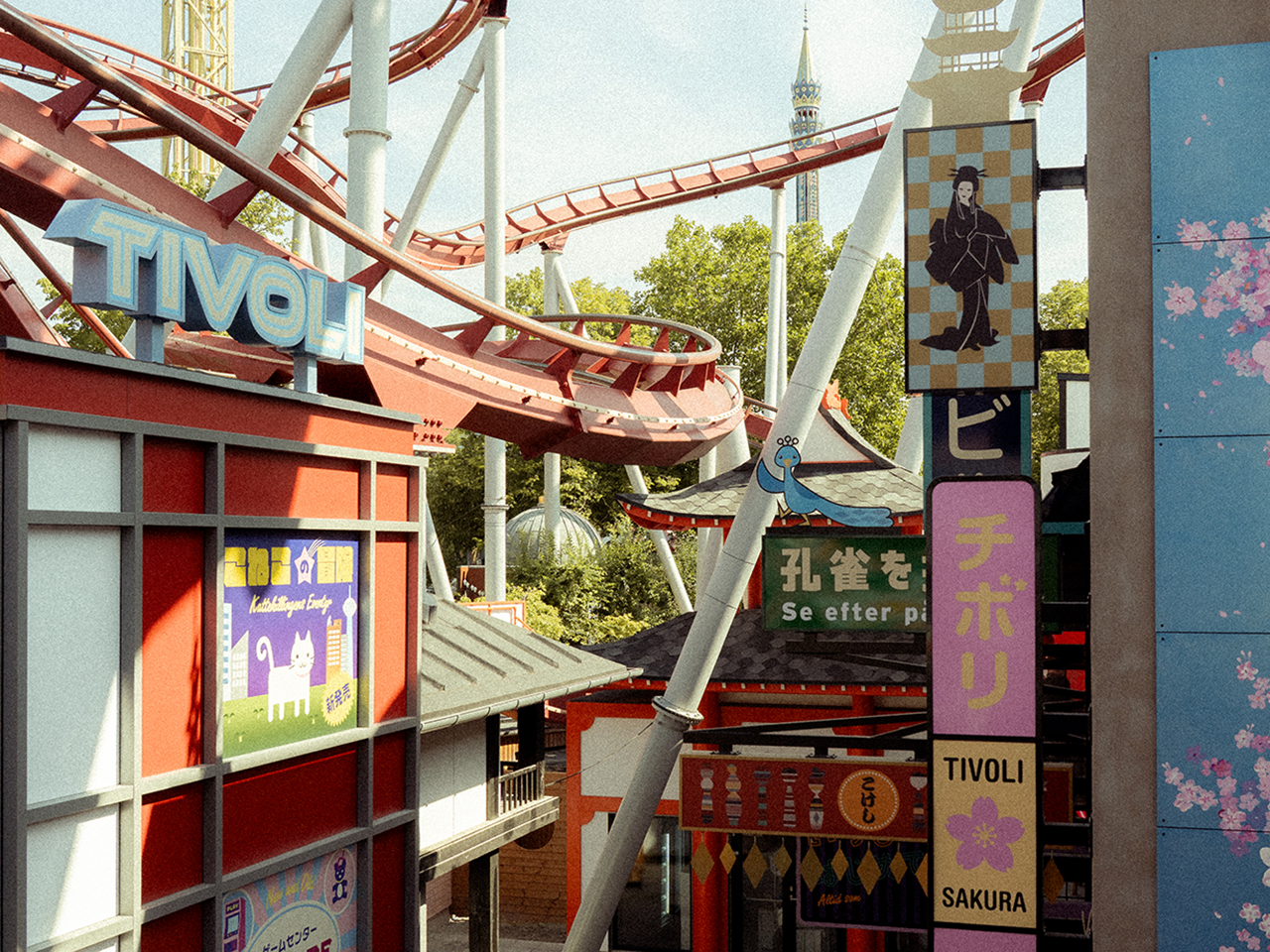
A little piece of Shibuya has landed right in the heart of Copenhagen (writes Michael Booth). Its name is Hikari and it is the new, Japanese-themed zone in Denmark’s historic amusement park, Tivoli Gardens.
“It was a part of the park underneath our Dæmon rollercoaster that really needed a refurbishment,” Tivoli’s CEO, Susanne Mørch Koch, tells Monocle during an exclusive pre-opening tour. “It had an Asian theme but was selling fish and chips, and coffee. The Japanese pagoda was already there but it all needed a narrative to bring it together.”
| |
|
Licence to thrill: The new Japan-inspired area is sure to be a wild ride
|
|
That narrative cannily focuses on Japan’s highly commodified contemporary culture, so Hikari features a konbini store selling mochi, banana Kitkats, Pocky chocolate and seaweed snacks; a branch of Copenhagen’s much-loved Comé Rice Kitchen onigiri shop; vending machines selling Pokémon figures; and a taiyaki stall. An accent of “high” culture, which Tivoli is also well known for in Denmark, comes by way of an original Takashi Murakami sculpture on the main “street”.
It is all quite brilliantly packaged within just 2,000 sq m, without feeling cramped. Tivoli is calling Hikari its “most ambitious architectural and spatial investment in nearly 200 years”. Sixty tonnes of ceramic tiles were imported from Japan to build it, along with reclaimed wooden doors and signage for that jolt of Shibuya-style visual energy. The zone also features two new visitor attractions: a wall-of-death-type experience, The Typhoon’s Eye, “inspired by the immense power of Japan’s typhoons” (hmm, wonder how Japanese people will feel about that?), and Hotel Hikari, a discombobulating (though not particularly Japanese) funhouse.
So, what’s behind Tivoli’s Japanese-inspired renovation? Click here to learn more about the Denmark-Japan tourism boom and the thinking behind the decision.
|
|
the LIST: FROM monocle.com
Stories you might have missed
Who doesn’t love a list? Here are three Monocle-approved lists worth your while.
|
|
| | |