|
|
I’ve been eating a lot of the new Häagen-Dazs green tea ice cream lately. The tub states that it contains “highly sought-after Japanese matcha green tea, a ceremonial tea prized for its intense yet delicate essence.”
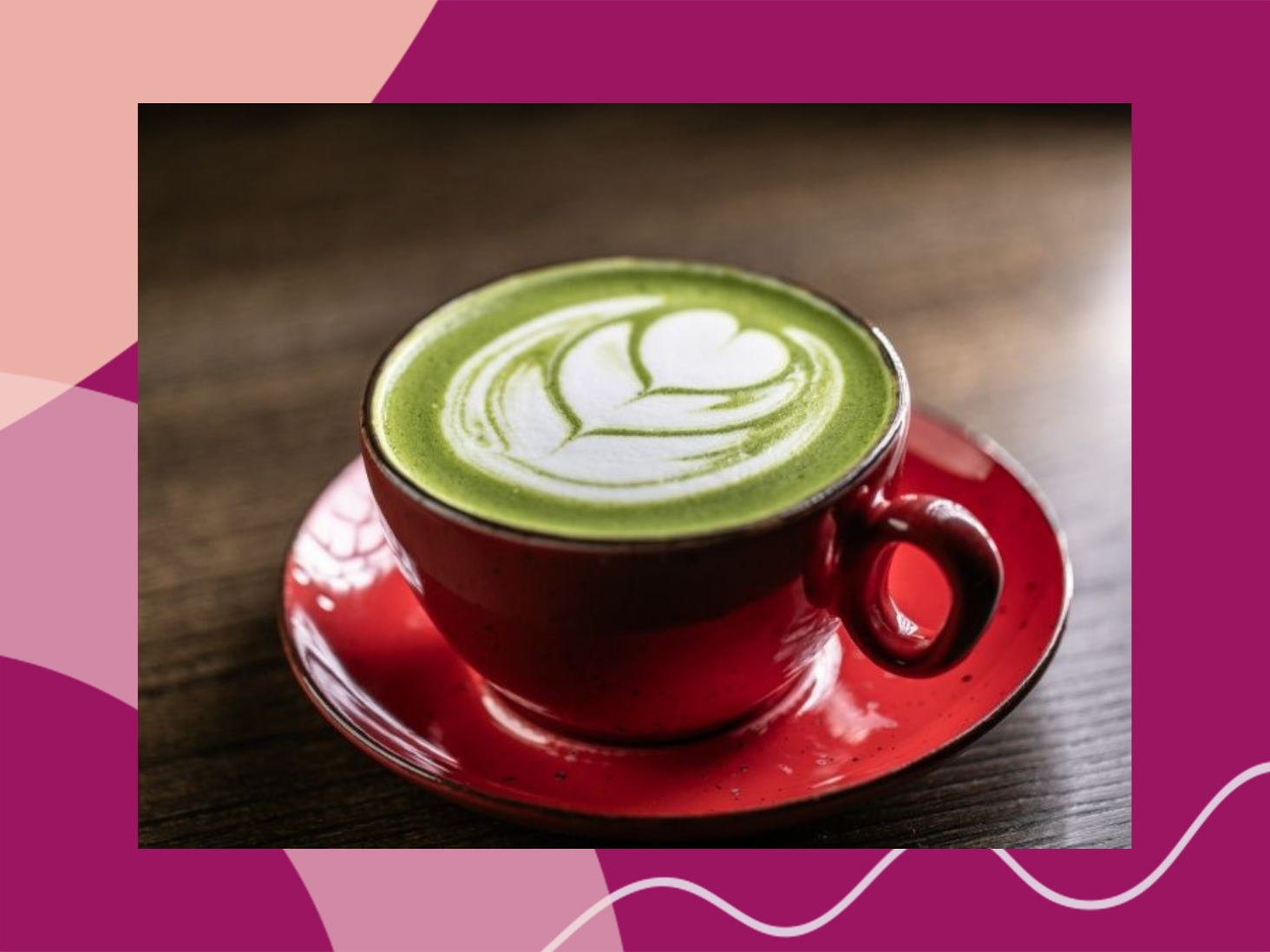
Matcha has a reputation as one of the more potent health foods, showing up in lattes, protein bars, smoothie bowls, and even skin care products. It’s listed last and least of my ice cream’s five ingredients, behind cream, skim milk, sugar, and egg yolks. It's not too sweet, and it has a subtle green tea taste that must be doing me some good. Or have I just fallen for the marketing again? |
|
|
|
|
|
|
Let’s look into it,
Tim Snaith
Newsletter Editor, Healthline
|
 |
|
Written by Tim Snaith
August 13, 2026 • 3 min read |
|
|
|
 |
|
|
| Is matcha green tea always healthy? |
| A ⅔ cup serving of Häagen-Dazs matcha green tea ice cream contains 300 calories, 21 grams (g) of fat (12 of which are saturated), and 24 g of sugar. To be fair to the manufacturer, the packaging leans on legacy and ceremony rather than nutrition. No health claims appear anywhere on the tub.
|
| The matcha in my ice cream comes from the same plant as regular green tea, Camellia sinensis, grown in the shade to boost chlorophyll and amino acid levels. Whole leaves are then harvested and stone-ground. This process yields a higher concentration of antioxidants per serving. |
| The compound that draws the most research interest is epigallocatechin gallate (EGCG), a compound linked to reduced inflammation and lower cholesterol. Matcha also contains L-theanine, an amino acid that works alongside caffeine to promote alertness while taking the jittery edge off. |
| Clinical studies showing measurable benefits typically use 2 to 4 g daily. So how do the tea and ice cream versions compare? |
- A standard cup of matcha tea uses 1 to 2 grams of powder, delivering roughly 85 to 170 mg of catechins.
- A serving of ice cream, with matcha listed last among the five ingredients, also contains about 2 g of powder, along with a large amount of sugar and fat.
|
| A 2020 review of green tea and weight management found that 500 mg of green tea extract daily helped reduce body mass index. But this was with a concentrated extract, not a dusting of powder in a dessert. |
| Animal research examined whether matcha can offset the effects of a poor diet. A 2025 study found that matcha mitigated (aka “improved”) some metabolic and inflammatory effects of a high fat, high-sucrose diet in rats, and reduced markers of liver stress. |
| “Mitigated” is the word that matters, because although the matcha-fed rats fared better than the control group eating the same diet, their markers never returned to baseline. |
| Matcha consumed in a more traditional way, one or two cups of tea a day using 2 to 4 grams of powder, is what the evidence supports for modest health benefits. Choosing certified organic tea helps limit exposure to synthetic pesticides and heavy metals. |
| Matcha ice cream is a dessert with a distinctive color and pleasant flavor, but to get the compounds that make matcha interesting without a heap of extra calories, a cup of green tea is the best bet. |
|
|
| Want to learn more about food, diets, cooking, or some other nutrition subject? Let us know at nutritionedition@healthline.com and we’ll look into it for you! (Heads up, we may use your response in an upcoming newsletter.)
|
 RECIPE PICKMatcha Mint ShakeSince the only step is to blend all of the ingredients together, this quick, high protein shake is a great breakfast when you’re running low on time.GET THE RECIPE → |
|
|
 |
|
|
| Top 10 tips for managing cholesterol with diet |
| Dietitian Val Goldberg breaks down what cholesterol is, why it’s so important, and how to eat to keep it in check, whether you’re dining at home or eating out. |
|
|
|
|
|
| What we’re digesting |
| ❤️ 10 questions to ask your doctor about hypertrophic cardiomyopathy. What your cardiologist wants you to ask. |
| |


