Aparna Pappu is tapping resources across YouTube to compete with TikTok and Instagram.
 ͏  ͏  ͏  ͏  ͏  ͏  ͏  ͏  ͏  ͏  ͏  ͏  ͏  ͏  ͏  ͏  ͏  ͏  ͏  ͏  ͏  ͏  ͏  ͏  ͏  ͏  ͏  ͏  ͏  ͏  ͏  ͏  ͏  ͏  ͏  ͏  ͏  ͏  ͏  ͏  ͏  ͏  ͏  ͏  ͏  ͏  ͏  ͏  ͏  ͏  ͏  ͏  ͏  ͏  ͏  ͏  ͏  ͏  ͏  ͏  ͏  ͏  ͏  ͏  ͏  ͏  ͏  ͏  ͏  ͏  ͏  ͏  ͏  ͏  ͏  ͏  ͏  ͏  ͏  ͏  ͏  ͏  ͏  ͏  ͏  ͏  ͏  ͏  ͏  ͏  ͏  ͏  ͏  ͏  ͏  ͏  ͏  ͏  ͏  ͏  ͏  ͏  ͏  ͏  ͏  ͏  ͏  ͏  ͏  ͏  ͏  ͏  ͏  ͏  ͏  ͏  ͏  ͏  ͏  ͏  ͏  ͏  ͏  ͏  ͏  ͏  ͏  ͏  ͏  ͏  ͏  ͏  ͏  ͏  ͏  ͏  ͏  ͏ ­ ­ ­ ­ ­ ­ ­ ­ ­ ­ ­ ­ ­ ­ ­ ­ ­ ­ ­ ­ ­ ­ ­ ­ ­ ­ ­ ­ ­ ­ ­ ­ ­ ­ ­ ­ ­ ­ ­ ­ ­ ­ ­ ­ ­ ­ ­ ­ ­ ­ ­ ­ ­ ­ ­ ­ ­ ­ ­ ­ ­ ­ ­ ­ ­ ­ ­ ­ ­ ­ ­ ­ ­ ­ ­ ­ ­ ­ ­ ­ ­ ­ ­ ­ ­ ­ ­ ­ ­ ­ ­ ­ ­ ­ ­ ­ ­ ­ ­ ­ ­ ­ ­ ­ ­ ­ ­ ­ ­ ­ ­ ­ ­ ­ ­ ­ ­ ­ ­ ­ ­ ­ ­ ­ ­ ­ ­ ­ ­ ­ ­ ­ ­ ­ ­ ­ ­ ­  
Friday, August 14, 2026
The exec behind YouTube Shorts says ‘decision fatigue’ is driving people to watch short-form video on their living room TVs

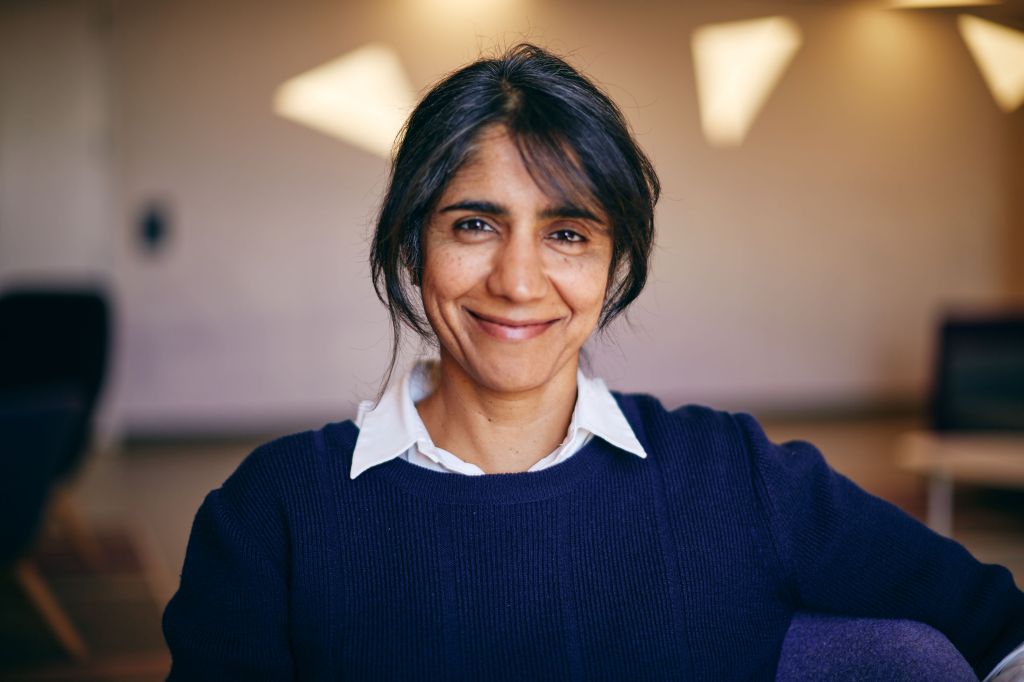
Aparna Pappu leads YouTube Shorts, building the platform beyond its 200 billion daily views.
Courtesy YouTube
YouTube has already conquered the living room—according to a Nielsen report in 2025, it represented 12.5% of TV viewing in U.S. households. Where it’s still a rising competitor is in short-form video, where YouTube Shorts has amassed 200 billion average daily views but not quite the ubiquity of TikTok or Instagram Reels, at least in the U.S.

The exec leading the push to translate the success of YouTube to YouTube Shorts is Aparna Pappu, an almost two-decade Google vet who was previously the GM of Google Workspace, or its productivity suite of Gmail, Google Docs, and more products. In early 2025, she took on a new position as a VP in a product role at YouTube, leading what the company internally calls creator community in Shorts.

Unlike short-form video competitors, Pappu’s view of Shorts focuses on the product in the context of all of YouTube. Key to its growth have been decisions like tapping Google DeepMind modeling experts to improve the platform’s understanding of posted videos and improve recommendation algorithms. “It’s actually a very hard technical problem to solve at global scale for every single person on this planet to find them exactly what they want to see and show it to them exactly when they want to see it,” she explains. For longform YouTube creators, the Shorts team has introduced tools like automatic thumbnail generation. That helps a generation of creators who earn their livings on the platform package their content for new audiences.

YouTube Shorts has a reputation for serving lower-quality content than other short-form video platforms. YouTube CEO Neal Mohan said at the beginning of this year that “reduc[ing] the spread of low-quality AI content” was a priority.

During our conversation, Pappu often describes what she—and other users–encounter on YouTube Shorts as a “chuckle.” “There are moments in the day where you might need a little mental reset,” she says. “Getting a chuckle” on YouTube Shorts could be that reset.

She also reports some surprising viewer behaviors. Just like YouTube has become a form of living-room entertainment, so has Shorts. “It’s actually a nice way to not have to decide what you want to watch,” Pappu says. “Sometimes you’re just in decision-fatigue mode, and you’re like, ‘Alright, just show me a bunch of stuff. I just need a chuckle, and I’m going to get it in a lean-back mode on the TV.”

Pappu says that what excited her about this role was “the opportunity to create interesting new ways in which you could consume content where AI could be assistive.”

“Shorts is part of a larger story,” she says. She means within YouTube—but that’s also true for the ways the entire world consumes information today.

Emma Hinchliffe
emma.hinchliffe@fortune.com

The Most Powerful Women Daily newsletter is Fortune’s daily briefing for and about the women leading the business world. Subscribe here.
ALSO IN THE HEADLINES
Unwell was valued at $500 million, and then shut its beverage business down. Alex Cooper's business just raised outside capital from Patrick Whitesell's WTSL. But a casualty of this next era is Cooper's Unwell Hydration, which launched in partnership with Nestlé last year. Target is selling through its supply, with new flavors through Halloween, and then production will end. 

Your weekend longread: the mysterious wife of Dario Amodei. Information on Cami Clark has been scant, but the WSJ investigates her background and involvement with Anthropic. She introduced Amodei to several investors, including Eric Schmidt (who she dated). At one point, she founded a "revolutionary porn company" for women and crossed paths with Jeffrey Epstein. 

Béis gets a buyer. The luggage brand founded by actress Shay Mitchell, with incubator Beach House House Group, sold an 85% stake to Samsonite for $178.5 million, valuing the brand around $210 million (also about what it did in revenue last year). Mitchell will stay on after the deal and is keeping a 15% ownership stake. 

Wondermind fallout. The mental health startup that Selena Gomez cofounded with her mother Mandy Teefey and Daniella Pierson had been through some drama, including Pierson's exit and reporting in The Cut that the company, nominally led by Teefey with Gomez mostly absent, was seriously troubled. Now investors who put in $1.2 million are suing all three cofounders, alleging that "for three years, while the company quietly collapsed around them, not one of its founders, officers, or directors said a word to the investors whose money was funding the collapse." Gomez, Teefey, and Wondermind haven't commented; Pierson has denied the allegations against her. 

MacKenzie Scott is writing a novel on Substack. The author who became one of the world's most famous (and secretive) philanthropists, is self-publishing a new book. It's called Last Days in Two Nations (A History in Eighteen Minds), with new installments coming every day. 

Canva is the rare startup that's been profitable for years. But AI is cutting into that achievement. The company led by cofounder and CEO Melanie Perkins cut its expected revenue growth rate by a third to 20% due to the unexpectedly high cost of delivering AI features
ON MY RADAR
Ted Lasso accidentally stumbles into women's soccer's biggest coaching problem The Athletic

The women quietly quitting their husbands The Cut

How the WNBA season spiraled into absolute chaos WSJ
PARTING WORDS
"I think it’s really important for kids to understand that you have to balance. You don’t have to be fully, fully focused on your dreams. One day they can destroy you."

— No. 1 women's tennis star Aryna Sabalenka in a new Time profile