Get expert insight into the technologies and trends shaping the global automotive industry on Reuters.com. Subscribe for $1/week.
|
|
|
|
By Aditi Shah, India Autos Correspondent
|
|
|
|
Greetings from New Delhi!
The auto industry is increasingly treating technology as the answer to almost everything: make cars more software-driven, electric and automated, and consumers will follow. This week offered a rude reminder that technology can create as many problems as it solves.
In China, Tesla and eight other automakers launched the country's largest-ever vehicle recall involving millions of cars over concerns that electronic door handles could make it difficult to escape in an emergency. In Europe, meanwhile, high oil prices, government subsidies and cheaper models are helping push consumers towards EVs. And China's biggest car exporter Chery is looking beyond cars altogether, betting its expertise in automation and AI can help turn humanoid robots into its next growth gamble.
The common thread is that the car industry is becoming harder to define. Automakers are now software companies, battery makers, robotics investors and, increasingly, suppliers of technologies that extend well beyond the cars they sell. Which brings us to today’s Auto File… |
|
|
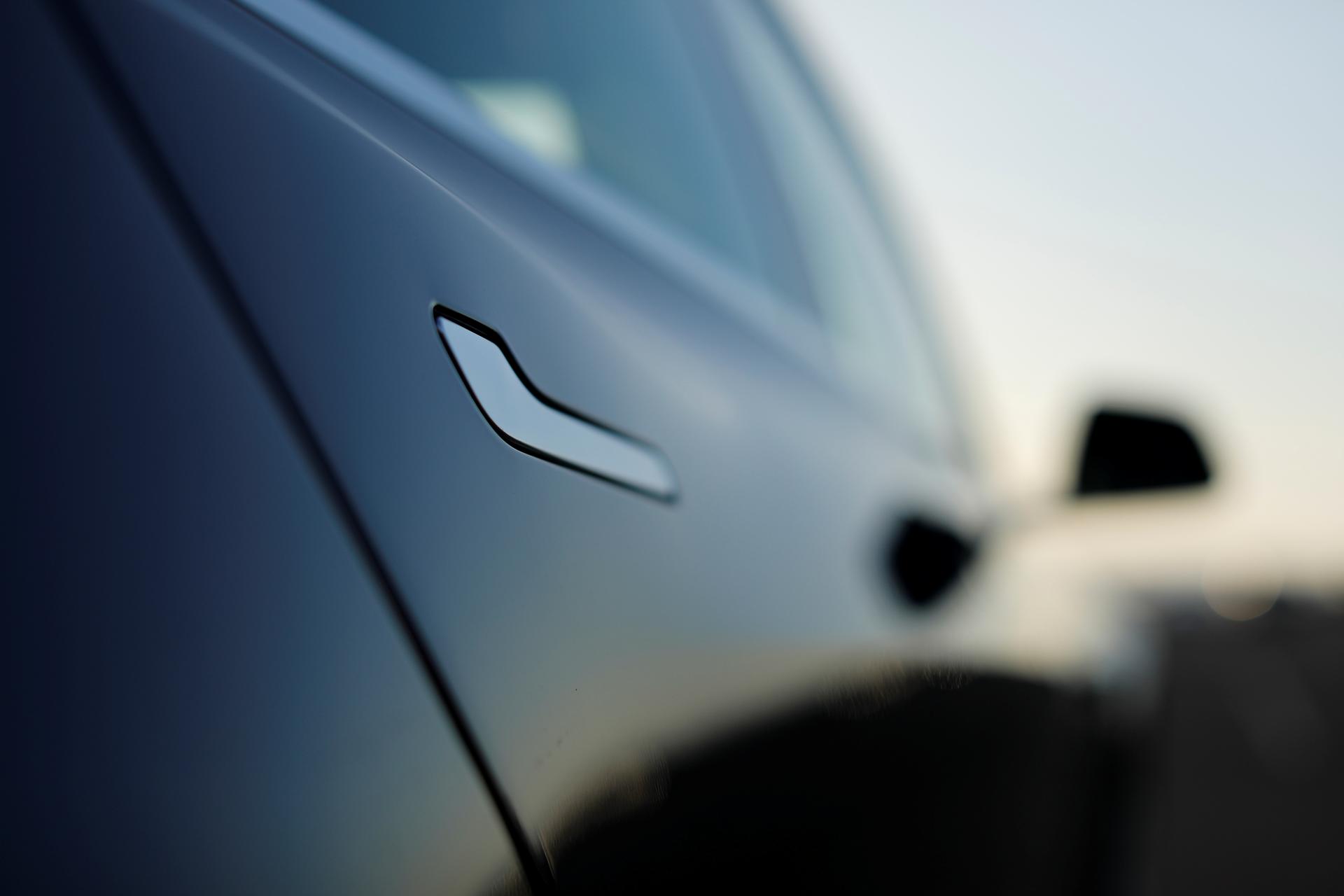
Electronic flush door handles were popularised by Tesla - REUTERS/Mike Blake |
China's biggest recall puts electronic door handles in the spotlight |
Tesla and eight other automakers are recalling about 4.3 million vehicles in China over concerns that doors may be difficult to open in an emergency, making it the country's largest automotive recall. The remedies are relatively straightforward in many cases, involving warning labels and over-the-air software updates. But the issue behind them is more significant.
Electronic flush door handles were popularised by Tesla, offering a cleaner design and some aerodynamic benefits. They have since become a common feature on EVs, particularly in China. But regulators are increasingly questioning whether the design can compromise something much more basic: getting people out of a car after a severe crash or electrical failure. China has already said it will ban concealed door handles from 2027.
Tesla accounts for the biggest portion of the recall, covering 2.98 million vehicles, while Xiaomi, Leapmotor and Xpeng are also undertaking their largest recalls on record. The financial cost may be limited because software can fix part of the problem remotely. The reputational and regulatory implications could be bigger. You can read the full story here.
China's EV industry has spent years racing to make cars look and feel more futuristic. Now, as vehicles become increasingly software-defined, regulators appear to be asking a more fundamental question: does new technology make a car better and safer? Here is everything you need to know about flush door handles. |
|
|
|
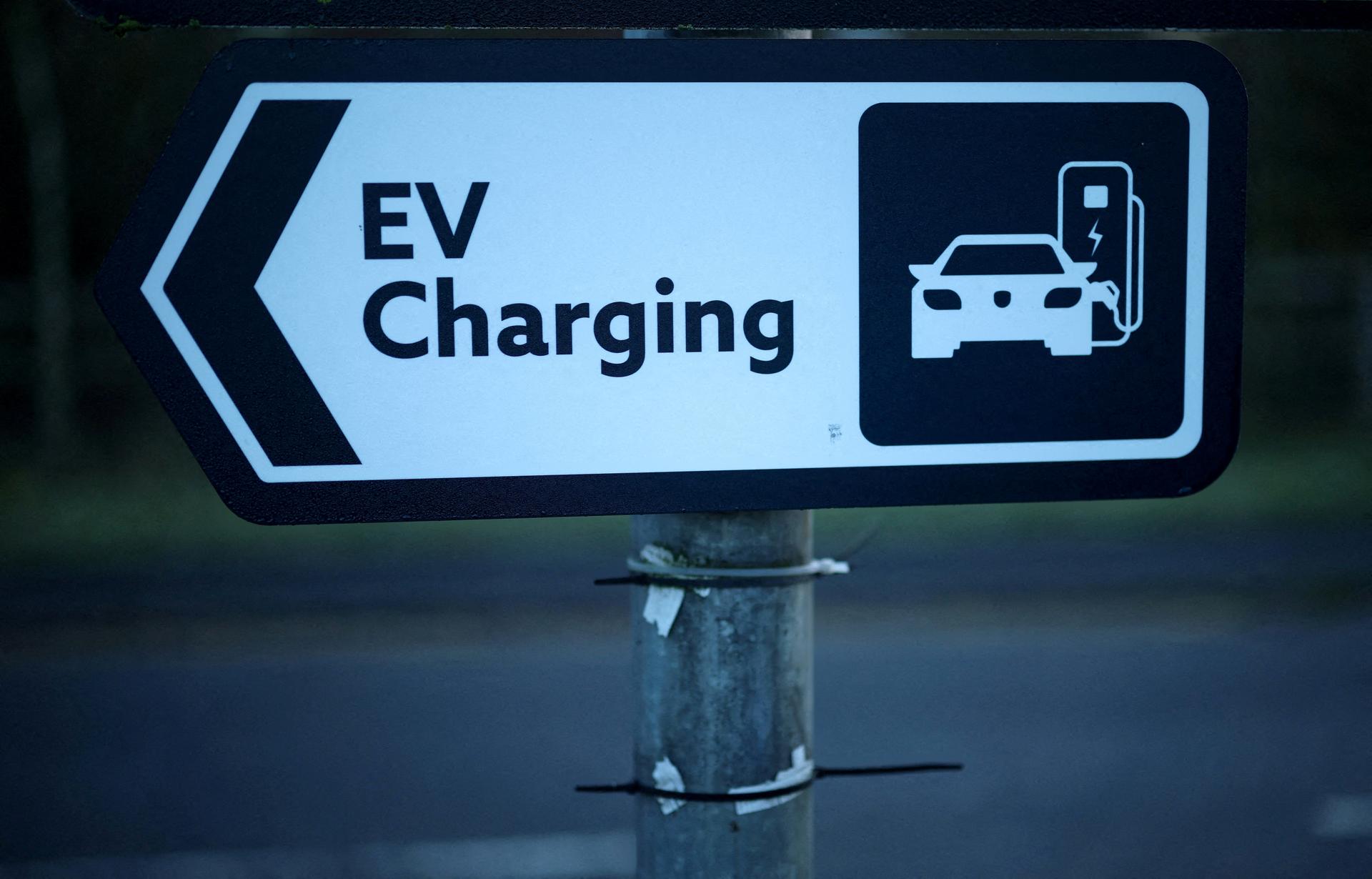
Soaring gasoline prices due to the Iran war is fueling an EV boom in Europe - REUTERS/Phil Noble//File Photo |
High oil prices give Europe's EV transition a new push |
For years, Europe's EV transition has depended heavily on regulation, subsidies and increasingly aggressive emissions targets. Now it has another powerful ally: expensive petrol.
Electric-vehicle sales accelerated across much of Europe in July as high oil prices, subsidies and a growing choice of affordable models encouraged consumers to switch from combustion-engine cars. EV sales have risen sharply since the Iran war began in February and pushed up fuel prices.
The numbers are starting to show it, as my colleague Nick Carey explains in this story. EV registrations rose 13% year-on-year in July across 16 European markets covering more than 90% of EU and European Free Trade Association car sales, taking their share to 25.7%. In the European Union, EV sales rose 40.5% in the first half to more than 1.2 million cars. The fuel shock alone does not explain the shift. Automakers, both European and Chinese, are launching cheaper EVs, while governments are providing subsidies. France's social-leasing programme, for example, helped lift EVs to a record 35% of new registrations in July.
That combination matters. The industry has long argued that EV adoption would accelerate once consumers had a strong economic reason to switch. Higher fuel costs may be providing exactly that reason. |
|
|
|
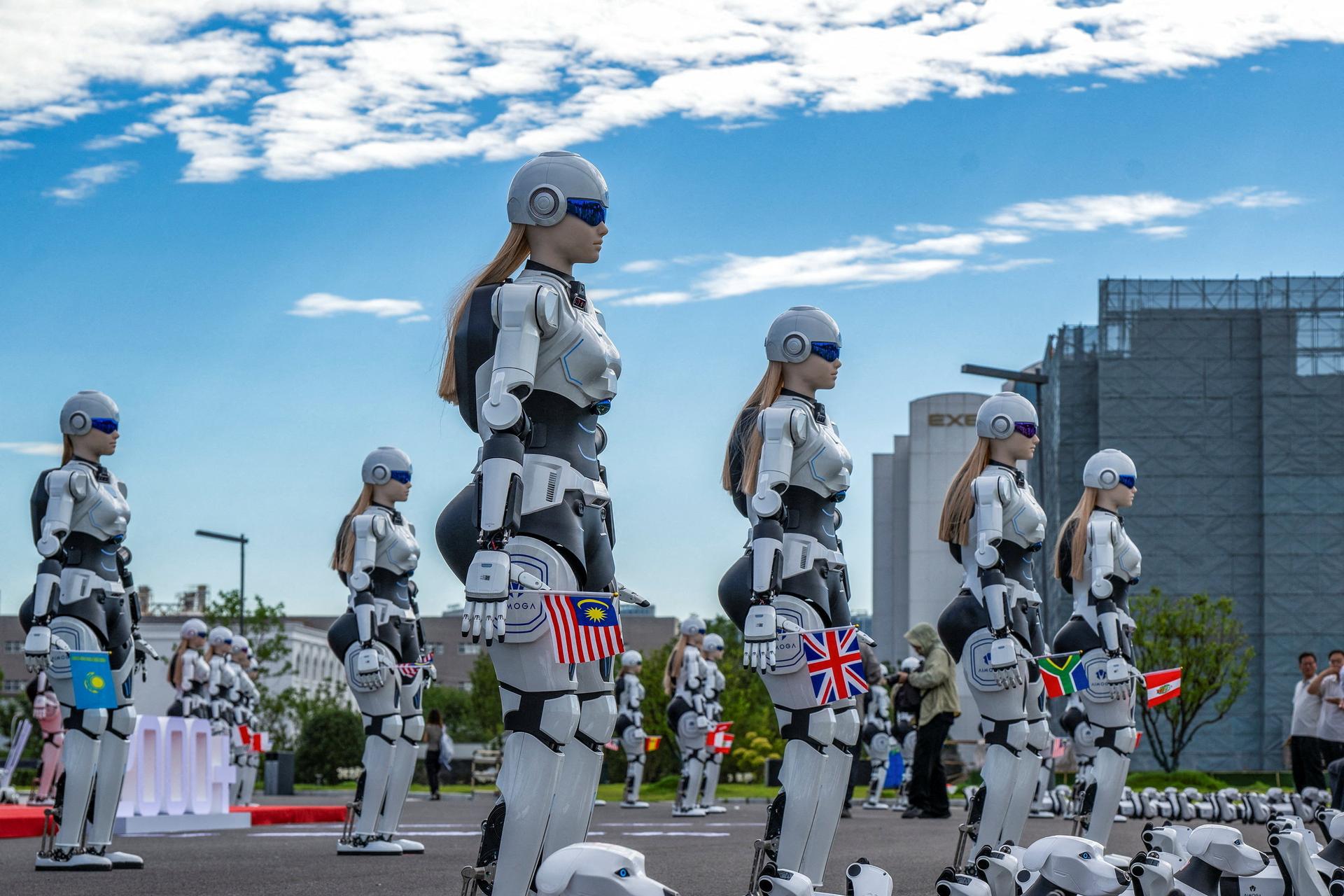
Chery is betting on robots as its next lever of growth - cnsphoto via REUTERS |
Chery looks beyond cars as China's robotics race heats up |
China's automakers are increasingly looking for the next big business beyond cars. Humanoid robots are topping a lot of lists, especially for Chery.
The Chinese carmaker's robotics affiliate AiMOGA is considering an IPO to fund future growth and technology investments as competition intensifies in China's fast-growing robotics sector. Chery holds almost 77% of the company, although AiMOGA later said it had not taken any substantive steps towards a listing. My colleagues Qiaoyi Li and Kevin Krolicki have the full scoop for you!
AiMOGA has already delivered more than 3,000 robots globally and aims to deliver 10,000 next year. It began with robots deployed in Chery dealerships but is expanding into applications including traffic management and public services, while targeting overseas markets.
The parallels with China's EV industry are hard to miss. The sector is attracting a growing number of companies, competition is intensifying and costs are likely to become a key battleground. Advances in AI and autonomous systems could also give automakers an advantage as robotics develops.
Whether humanoid robots become the next EV-sized opportunity remains a big question. But China's automakers are not waiting to find out. Having built enormous capabilities in batteries, electric motors, sensors, automation and AI, they are beginning to test how much of that expertise can travel beyond the auto industry. |
|
|
|
LG Energy Solution, once almost exclusively focused on EV batteries, is pivoting to Plan B: energy storage batteries – as growth in some battery markets slows.
Volkswagen will bring on board a partner in India this year as the German automaker struggles to build scale in the world's third-largest car market. |
|
|
|
|