|
|
|
Vegetarian diets usually work by cutting meat and poultry from the plate. Pescatarians keep one loophole open: fish stays, everything else with a face goes. Whether that holds up nutritionally is worth settling, so let’s dive in.
|
|
|
|
|
|
|
Let’s look into it,
Tim Snaith
Newsletter Editor, Healthline
|

|
|
Written by Tim Snaith
September 3, 2026 • 3 min read
|
|
|
|
|
|
|

|
|
|
|
Why people choose a pescatarian diet
|
A pescatarian is, in the simplest terms, someone who skips red meat and poultry but keeps fish and shellfish on the menu. The term is a mashup of the Italian “pesce” and “vegetarian” dating back to the early 1990s, and nutrition researchers usually file it under the broader vegetarian umbrella.
People go pescatarian for different reasons. Some want the health upside of a mostly plant-based diet without giving up fish entirely. Others are thinking about the environmental footprint of red meat, or they’re uneasy with how factory-farmed animals are raised and killed. Fish come with their own sustainability problems, such as overfishing and poorly run fish farms, so it isn’t a totally clean fix.
But what about health benefits? What does the research say about that?
- A 2021 study also found that fish eaters had lower risks of heart disease, myocardial infarction, stroke, and heart failure compared to meat eaters.
- This 2026 meta-analysis found that, compared to meat eaters, pescatarians had lower risks of colorectal, breast, and kidney cancer.
- According to a 2022 study, fish eaters had a 48% lower risk of type 2 diabetes compared to meat eaters.
That said, these are observational studies. People who choose this way of eating often exercise more or smoke less than average, which makes it hard to attribute the difference to eating fish alone.
Another point in favor of pescatanarism is the presence of healthy fats. Plant sources of omega-3s, like walnuts and flaxseed, convert poorly into the forms your body uses for brain and heart health, while oily fish such as salmon and sardines deliver them ready-made. A 3-ounce piece of cod carries 19 grams of protein and barely any fat, and shellfish like oysters and mussels are loaded with B12, zinc, and selenium, nutrients that are lacking in a stricter vegetarian diet.
If there is a catch, it’s the risk posed by mercury, which accumulates in larger, longer-lived fish like swordfish, sharks, and some tuna. Guidance for anyone pregnant or breastfeeding points toward lower-mercury choices like salmon, cod, sardines, and light canned tuna over swordfish, shark, or albacore.
For everyone else, eat a variety of smaller fish rather than leaning on the same big one every week, and check Seafood Watch if sourcing matters to you. Swap in fish where you’d otherwise eat meat, keep the rest of the plate plant-heavy, and the pescatarian way of eating should work out just fine.
|
|
|
|
Want to learn more about food, diets, cooking, or some other nutrition subject? Let us know at nutritionedition@healthline.com, and we’ll look into it for you! (Heads-up: We may use your response in an upcoming newsletter.)
|

|
|
|
Sponsored by
|
|

|
|
|
|
|
Healthcare from home
|
|
|
|
|

|
|
LifeMD
|
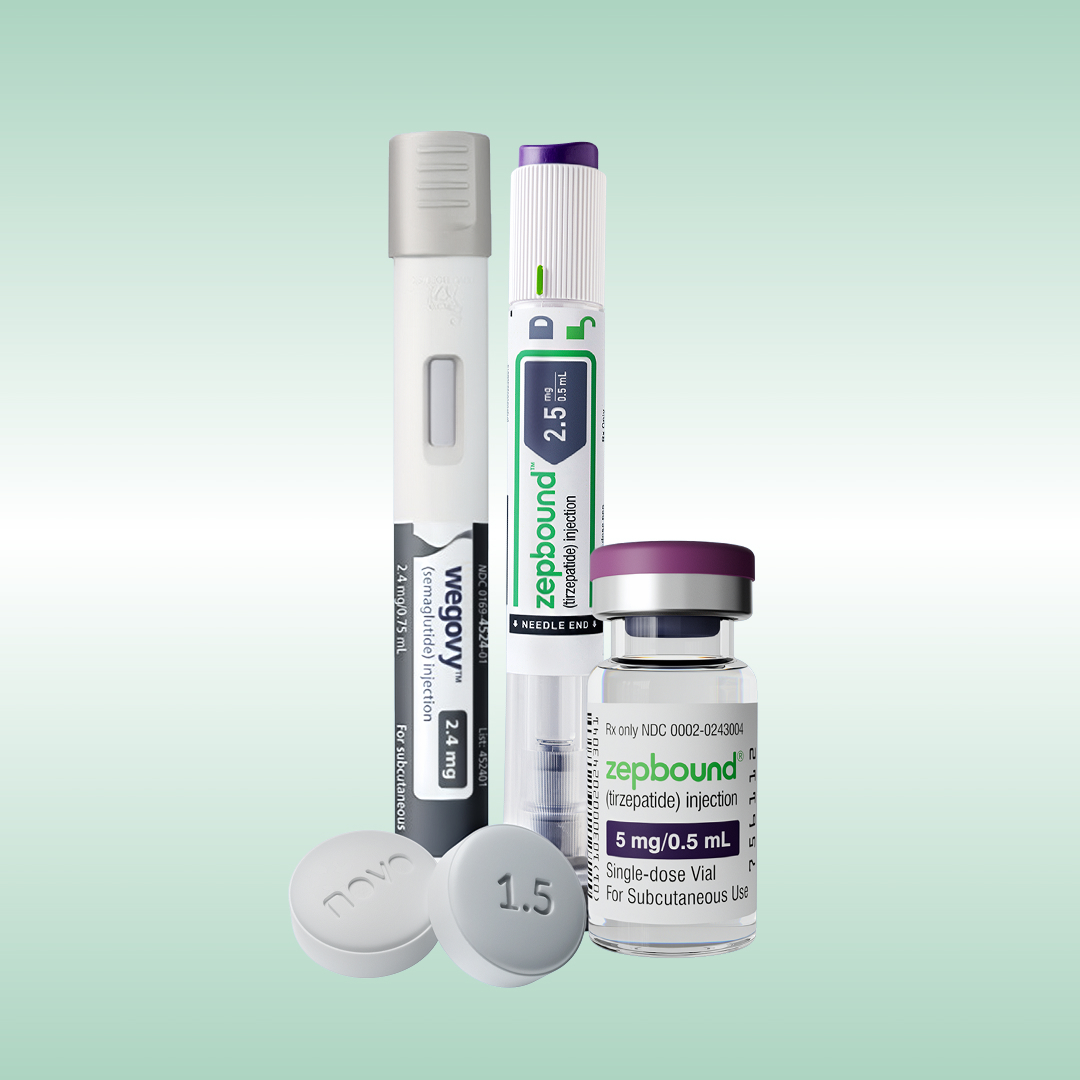
With LifeMD, you have quick and easy access to healthcare experts and prescription drugs (many of which are discounted) at your fingertips. The medications LifeMD offers include GLP-1 agonists, which may support healthy weight management.
There’s no need to schedule an in-person appointment — you can do it all online — or show proof of insurance to get GLP-1 medications prescribed and rushed to you. Take LifeMD’s quiz below to see whether this treatment option is right for you, and start today for as low as $39.*
|
|
|
|
*Disclaimer: Take precaution with and read all warnings concerning GLP-1s, as they may cause serious side effects, including a risk of thyroid c-cell tumors. Do not use if you or your family have a history of a type of thyroid cancer called MTC (medullary thyroid carcinoma) or MEN 2 (multiple endocrine neoplasia syndrome). Discount applies to the introductory first month of the LifeMD Weight Management Program, including program and provider fees. The program is $39 for the first month, you’ll be automatically charged $297 after the first month and every 3 months thereafter. Insurance coverage for the program may be available for eligible patients, with costs starting as low as $29 depending on plan coverage. Cost of medication not included.
|
|
|
|
|
|
|
|
|
|
|
|
What we’re digesting
|
|
| | |