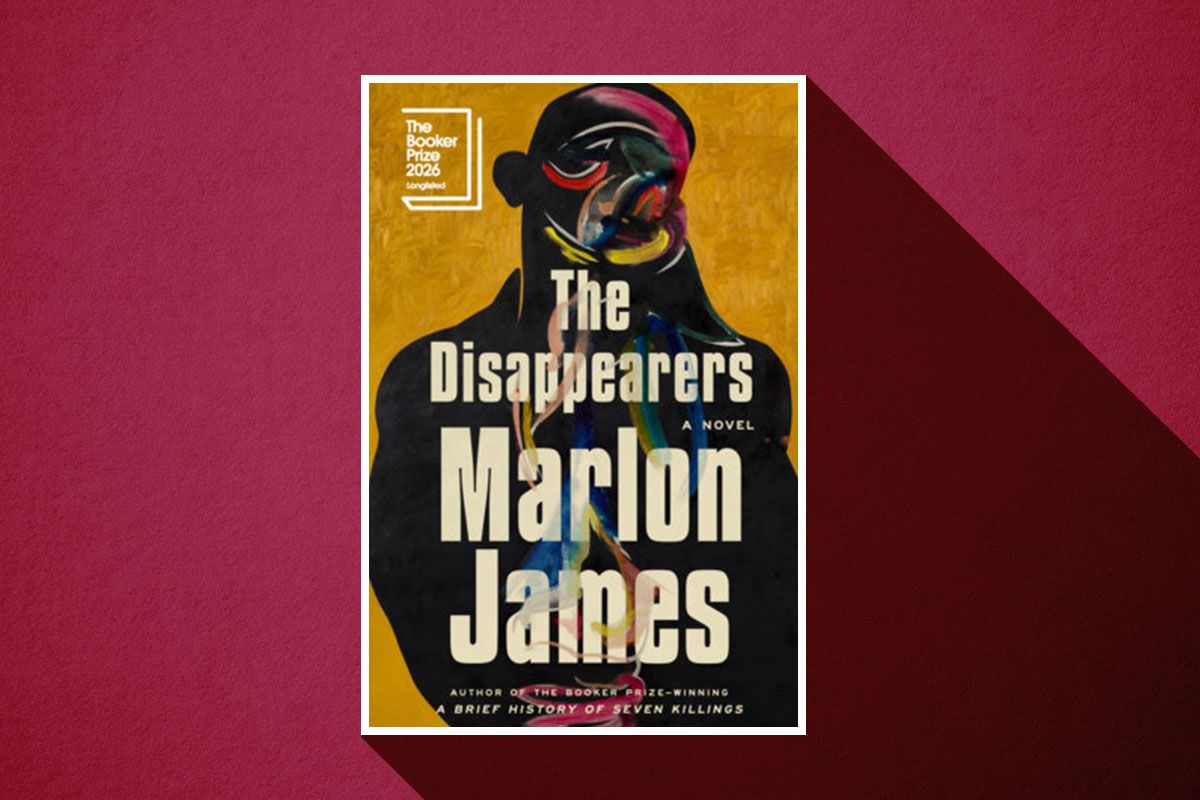
The first thing to go in The Disappearers, Marlon James’s provocative new novel, is innocence. The book opens with a journal entry by Edmond “Eddy” Porteous, a 19-year-old student who has signed up for a community staging of Fortune and Men’s Eyes, a 1967 Canadian play by John Herbert about a young man, Smitty, and his experience in prison. Instead of focusing on his lines, he’s enamored with Matt, a boy who smells like “Lip Smacker, Matterhorn, and sex sweat.” In its earliest pages, the novel reads like a coming-of-age story told through Eddy’s diary entries. He goes to the mall, fights with his sort-of-homophobic best friend, jerks off to porn, reviews music (he loves exactly half of Prince’s Lovesexy), fantasizes about seeing Matt, and considers his relationship with his brother, who pretends they aren’t related at school. By many measures, Eddy lives a good life. He’s ambiently aware of Jamaica’s broader attitude toward homosexuality — someone at his college burns a mattress out of fear of AIDS — but he’s largely insulated from it, his identity tacitly accepted at home and flying under the radar at school. “None of it affects me,” he writes, but this changes as he spends time with classmates outside of rehearsal. On one occasion, Jordan Brown, a fellow actor, drives him home and points out that there is “a Jamaica underneath this Jamaica.” The two men are similar, Jordan almost a mirror image of who Eddy could’ve become had things shook out differently. Kicked out of his home, he lives in his car and makes do with the occasional cash infusion from his mom or from sleeping with people like Paul Royale, a former ambassador known for abusing and exploiting young boys. “How you live in Kingston and still don’t know what it’s really like?” Brown asks later. It isn’t long before he finds out.