| | In this edition, Fed Chair Kevin Warsh has no shortage of possible excuses to perpetually wait befor͏ ͏ ͏ ͏ ͏ ͏ |
| |  | Business |  |
| |
|
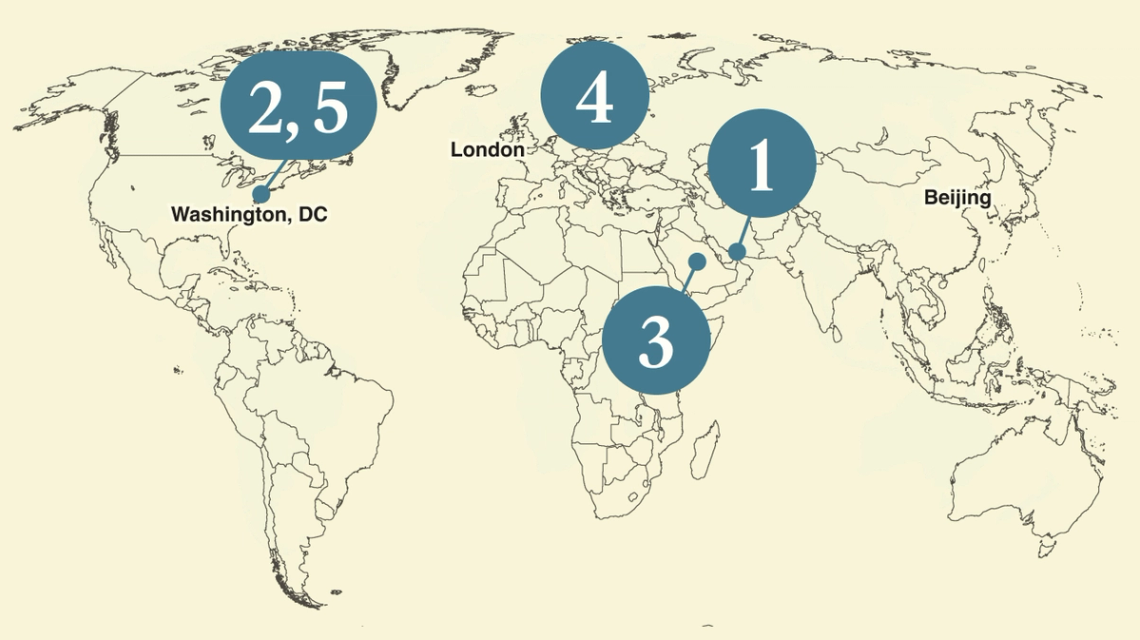 - $100 oil
- IPOs for the masses
- PIF seeks US cash
- Billionaires vs. govts
- Jefferies’ black eye
 ‘Made in UAE’ cars roll out |
|
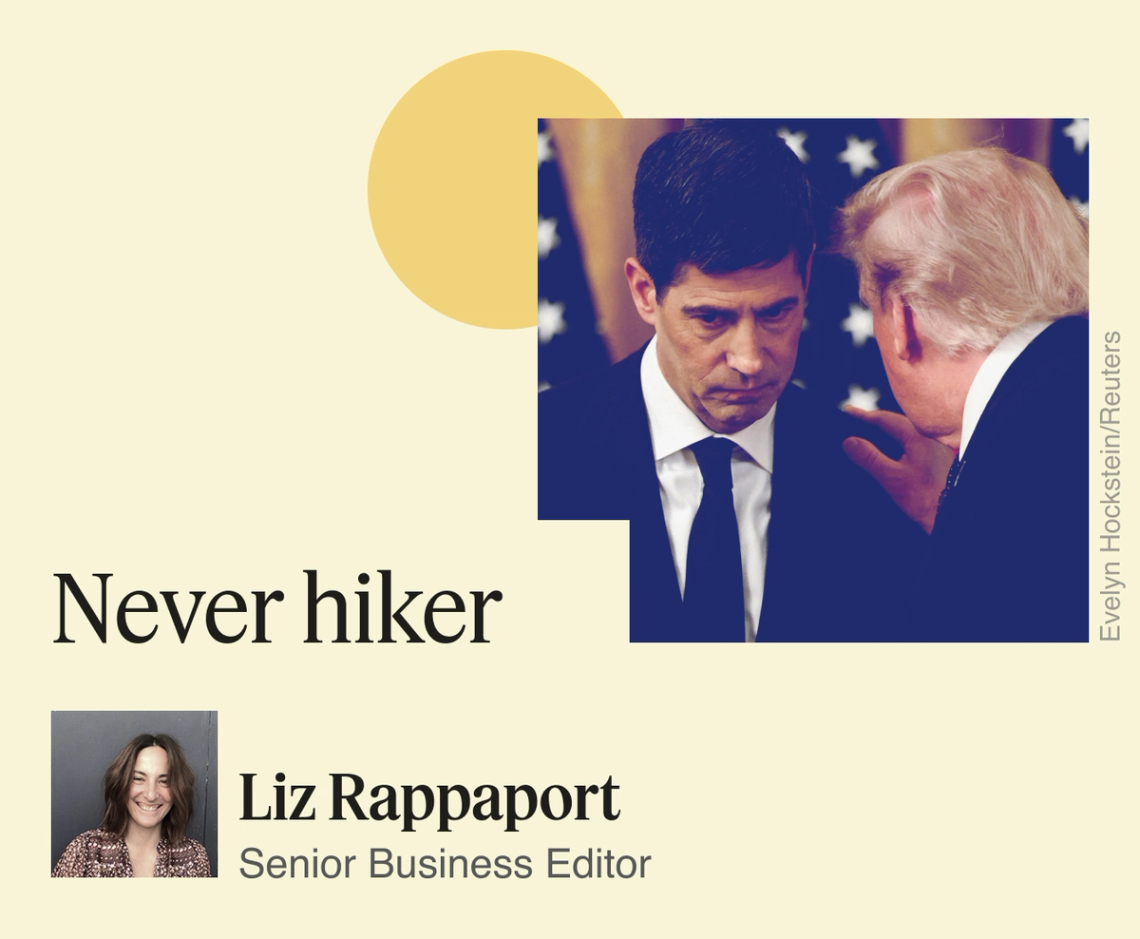 There are reasons for Kevin Warsh to raise interest rates next week — though President Donald Trump’s new Fed chief was chosen to keep rates low — and there’s no shortage of possible excuses to perpetually wait and see. First, Friday’s job report was stronger than expected, but doesn’t show an overheating labor market that could spark a wage spiral (though the Buc-ee’s pay scale is worth watching). Restaurants, hospitals, and local government education departments — it was back-to-school season for much of the US — added workers, but white-collar jobs vulnerable to AI disappeared in larger numbers than in prior months. The Fed can argue it shouldn’t dampen an economy on the precipice of labor-market calamity that some economists and tech leaders, including Bill Gates, warn is coming. That shifts the focus to inflation, which is stuck above the Fed’s 2% target, but only slightly, and has been moving lower. The consumer price index comes out on Friday, but the Fed’s preferred inflation index, which focuses less on household baskets and more on business surveys and macro data, won’t be released until the end of September, after the central bank’s next rate-setting decision — another reason to sit tight. Warsh can also argue that his plan to let financial markets take the lead needs time to play out. Mortgage rates have been ticking up, reaching 6.71% last week, even as the Fed has left baseline interest rates untouched, which provides some evidence that the market is speaking. And Treasury’s bond-market intervention might have muddied market signals, so Warsh can credibly argue for time. He’ll have to guard his hawkish flank, led by Cleveland President Beth Hammack, but likely has enough allies to avoid a hike that would fall in the home stretch of the midterms and invite Trumpian fury. More likely: Warsh will play the part he was cast in. |
|
Gulf businesses grow despite war |
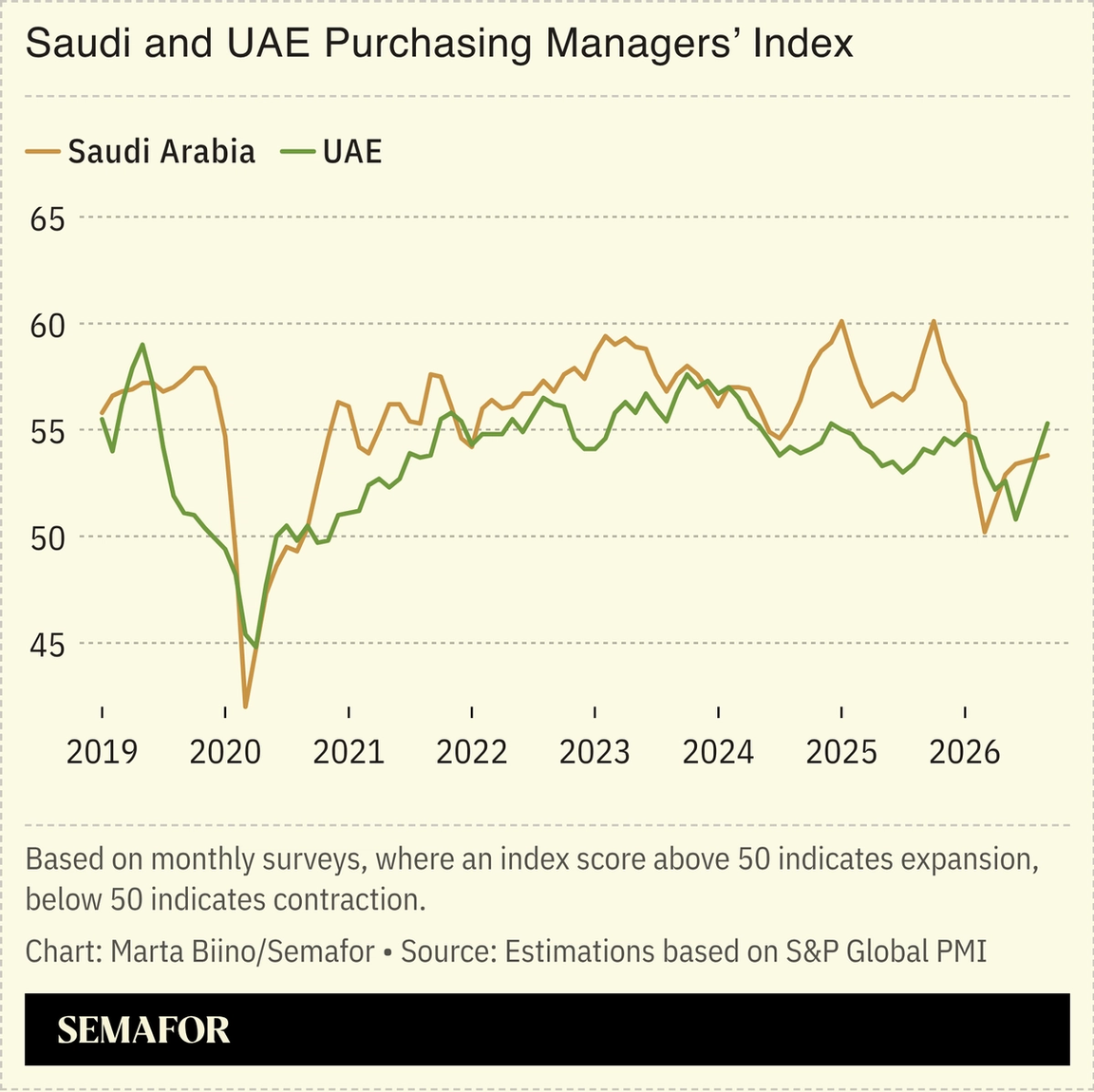 Oil prices are nearing $100 a barrel again after attacks by Yemen’s Houthis against Saudi energy infrastructure on Tuesday. Goldman Sachs raised its price forecast to as high as $120, on the assumption that shipping disruptions will continue into next year. Triple-digit oil would pass a psychological barrier that could bring increased volatility and push government rationing around the world, and will continue to raise the downstream costs of gas and refined chemicals that are key manufacturing inputs. Elsewhere, though, businesses are adapting to flare-ups in the Gulf. The UAE’s private sector, excluding oil, expanded at its quickest rate in 20 months in August, suggesting companies and investors are tuning out the conflict, or at least baking it into their baseline plans. Companies are rebuilding inventories at the fastest pace in nearly three years and turning to local suppliers to offset shipping disruptions. Employment, however, fell for the second time in three months, suggesting firms remain reluctant to make longer-term bets while the conflict grinds on. — Ed Clowes |
|
Robinhood gets in the IPO game |
 Brendan McDermid/Reuters Brendan McDermid/ReutersRobinhood landed its first IPO underwriting assignment, a sign that retail investors — long an afterthought for companies going public — are a fan base worth courting. Robinhood, which launched its bookrunning business in June, is among 18 banks working on smart-ring maker Oura’s IPO (dead last, but there). Historically, retail investors got IPO scraps as companies focused on getting shares into the hands of patient institutions, but that’s changing. SpaceX set aside about 20% of shares for individual investors, helped by Fidelity dropping its minimum order size from $500,000 to just $2,000 for the deal. Robinhood elbowing out space in the IPO distribution game is both another potential revenue source for the company and a way to cultivate loyalty among its brokerage customers. It’s “another step toward leveling the playing field,” Zach Hascoe, co-founder of Say Technologies, a retail investor communication platform that Robinhood acquired in 2021, told Semafor. “For companies, the opportunity goes beyond the IPO: Individual investors can become customers, long-term shareholders, and influential voices shaping the conversation around the business.” Hascoe’s new venture, Quorum, aims to map narratives around companies, including retail sentiment. |
|
Saudi’s PIF passes the hat |
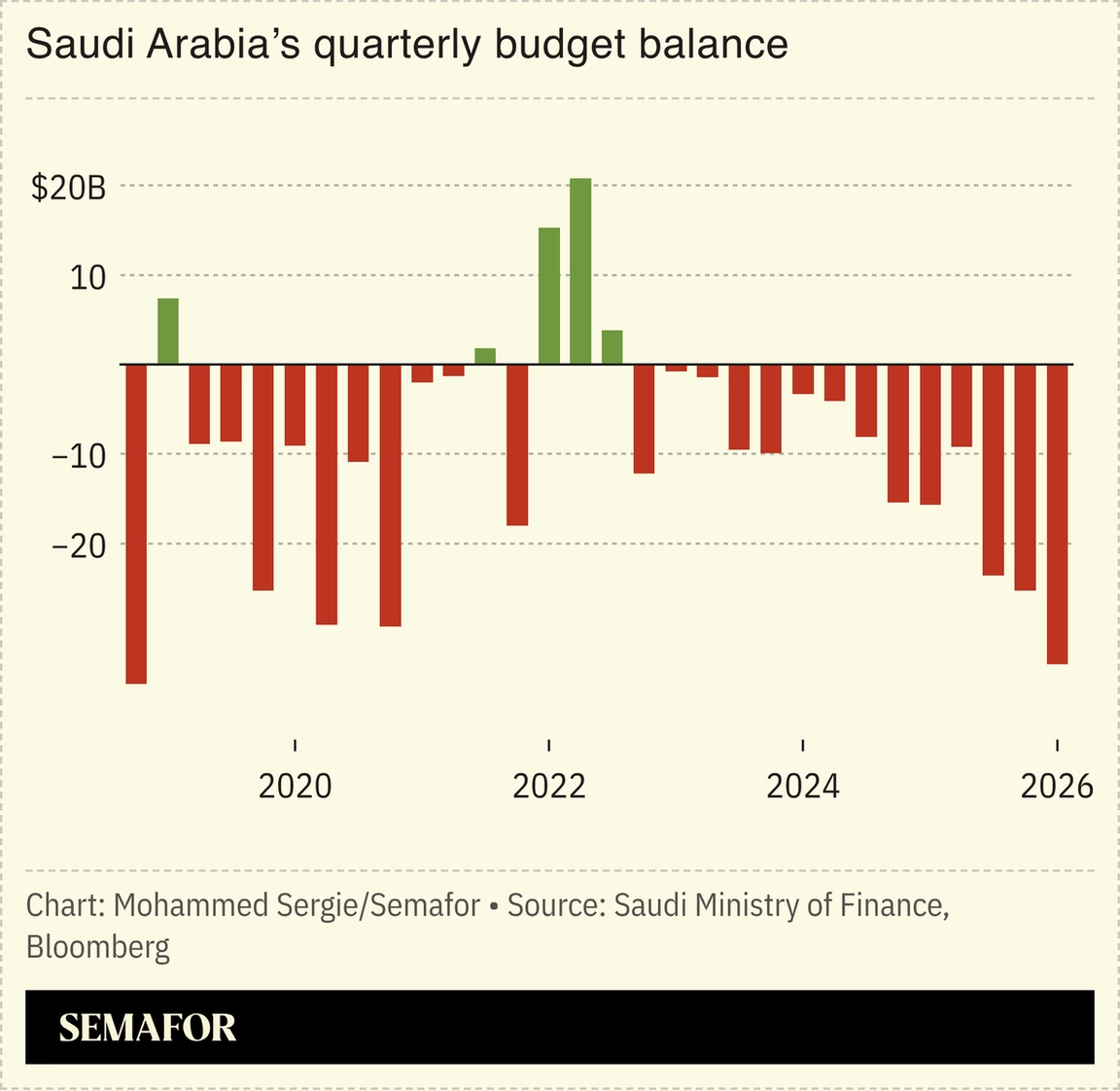 Saudi Arabia’s sovereign wealth fund is set to meet some of Wall Street’s biggest firms in New York this week, seeking foreign backing as it navigates cash constraints at home, Semafor’s Matthew Martin scoops. Public Investment Fund’s senior management, along with representatives of some of its biggest portfolio companies, will meet with Apollo, Blackstone, Brookfield, Carlyle, KKR, and Stonepeak, as well as the US Export-Import Bank, in a swing through New York this week. Investment bankers from Lazard are brokering the meetings, which aren’t fundraising for a specific project but rather laying the groundwork for future cash raises, people familiar with the matter said. Saudi Arabia needs billions of dollars to remake its oil-centric economy, and heavy spending by PIF and other entities hasn’t catalyzed the $100 billion in annual foreign investment the kingdom is targeting. |
|
Billionaires fight the taxman |
 Revolut CEO Nik Storonsky. Hugo Amaral/SOPA Images via ZUMA Press Wire. Revolut CEO Nik Storonsky. Hugo Amaral/SOPA Images via ZUMA Press Wire.The global fight over taxing the ultrarich is again heating up, pitting cash-strapped governments against their wealthiest citizens. Spotify’s co-founder said he would leave Sweden “immediately” if the country imposed new wealth taxes, a campaign promise its liberal parties made ahead of nationwide elections on Sunday. And one of the UK’s biggest hedge-fund managers is taking up Greek residency, following steel tycoon Lakshmi Mittal and Revolut CEO Nik Storonsky, as the UK revamps its taxes on top earners. Dismissing these moves as temper tantrums misses the point. Raising taxes on the wealthy is European governments’ best option to close budget gaps, but it cuts straight against their other priority: competing with the US for founders and investor capital. The US has its own version of this fight. Peter Thiel, Larry Page, and a handful of other tech moguls left California last year ahead of a proposed tax hike, taking an estimated 30% of the state’s billionaire wealth with them, according to the conservative Hoover Institution. |
|
Jefferies runs into trouble, again |
 Jeenah Moon/Reuters Jeenah Moon/ReutersJefferies stepped on another rake. The Wall Street firm said in a London court filing that it was defrauded by an iron-ore trader using fake invoices to secure financing, and claims it has $500 million of exposure to Radiant World and affiliated entities. It’s the third black eye for Jefferies’ asset-management arm, which was left with $850 million of exposure to auto-parts maker First Brands and property lender MFS — both collapsed last year under similar allegations of double-counting collateral and misleading counterparties. Jefferies had been winding down the fund in question, called Point Bonita, before the latest trouble. Jefferies’ asset manager is a minnow by Wall Street standards, with $32 billion under management. It accounts for less than 10% of the company’s revenue but nearly 100% of its recent headaches, and Jefferies’ investment bank was also one of the only firms left out of SpaceX’s record-setting IPO this spring. Still, the bank sits right behind Centerview on the global M&A league tables this year, which is nothing to sniff at. — Rohan Goswami |
|
➚ BUY: Hopper. Spot rental rates for Nvidia’s H100 have risen 25% over the past month, according to one pricing tracker, suggesting resilient demand for one of the company’s least-advanced chips. ➘ SELL: Copper. AI wiring demand and production declines at aging mines have driven fears of a global supply shortage, sending prices spiking. |
|
 Companies & Deals- Screen test: Apple is expected to debut a $2,000 foldable iPhone tomorrow, a product years in the making but one that won’t solve the company’s most pressing question: how, or even if, it can catch up in AI tools.
- Blue-chip dreams: OpenAI and Anthropic want investment-grade credit ratings despite losing billions of dollars a year. Their push underlines the huge and growing role of debt in AI: “Every time we take a deep dive into this sector… financings are becoming more complicated and less transparent,” analysts at S&P wrote huffily last week.
- The Oracle of Jensen: Nvidia’s Jensen Huang congratulated OpenAI on its new AI model, Astra, and mulled that “AGI has arrived.” Astra has already raised fears among AI safety experts, who want to know how the model is able to accomplish tasks largely without human intervention, especially in the wake of recent cyber hacks.
Watchdogs- Side hustle: Federal authorities are investigating Corey Lewandowski, a longtime Trump aide, for potential self-dealing after he pitched his services to Qatari and UAE officials while serving as an adviser at the Department of Homeland Security, WSJ reports.
|
|
|


