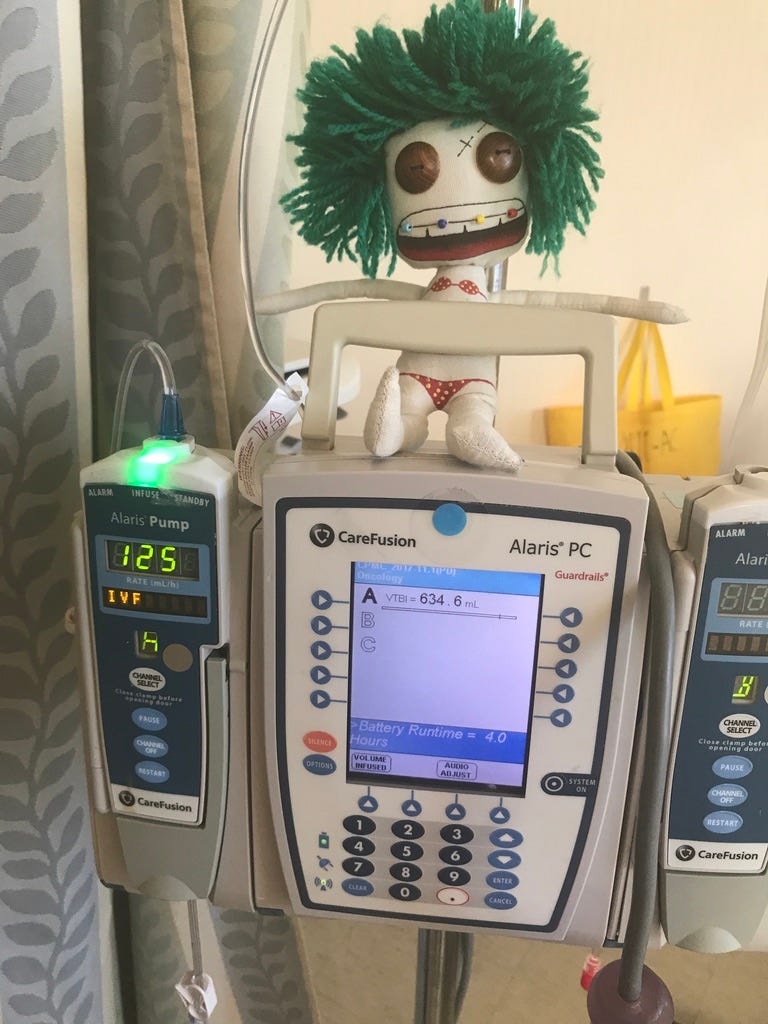
In 2017, I was diagnosed with central nervous system lymphoma (a type of brain cancer). Surgeons removed a plum-sized tumor from my right frontal lobe. Then came an eight-month chemotherapy regimen. Ten or so consecutive days in a hospital room on infusions, then roughly a week to ten days at home to recover, then repeat.
A few cycles in, something strange happened. Long before an IV line was prepped, the beeping of a medical device — or something else — reminded me of my experiences in the cancer ward. That reminder would immediately trigger acute anxiety.
I hadn’t had any chemo administered, and yet, I was already feeling as if I had. My oncologist had a name for it: anticipatory response. My brain had associated specific sounds, smells, and situations with treatment. Those anticipatory cues were enough to trigger the response before any treatment began.
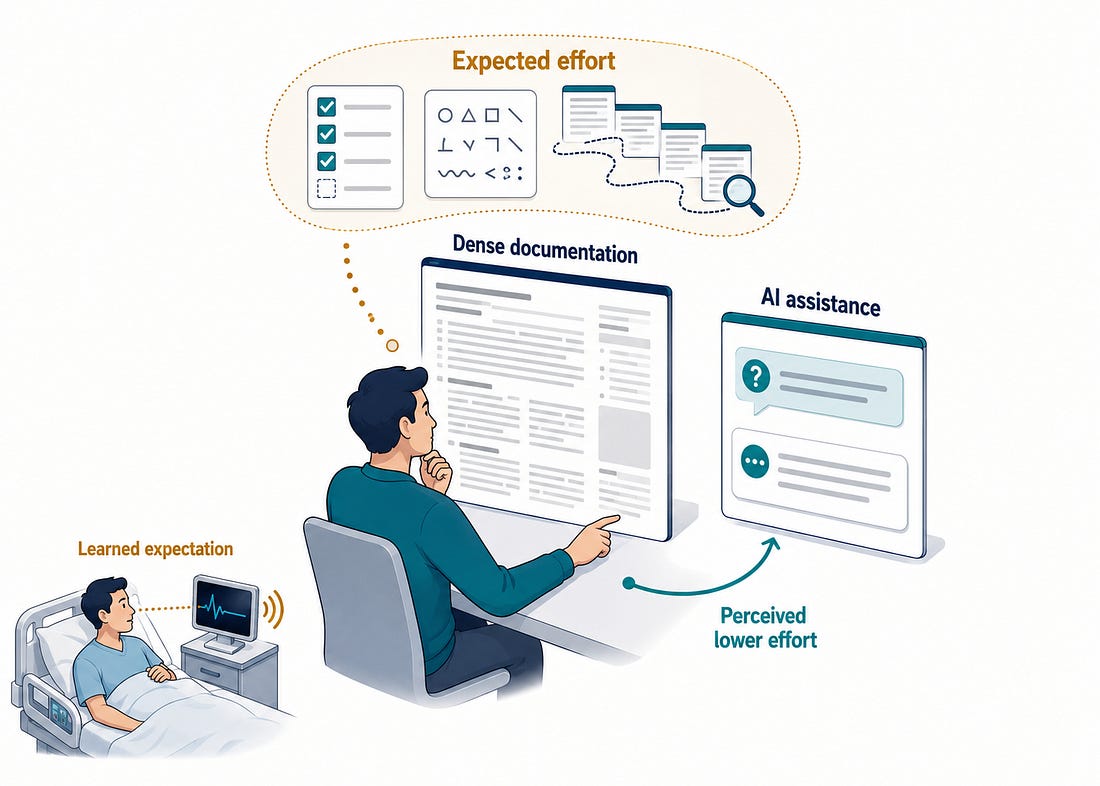
Years later, watching technical documentation teams adapt to generative AI and automated answer engines, I keep coming back to that experience. It made me more interested in what readers learn to expect from documentation before they have processed much of the page.
The human brain is an organ that continually monitors signals that are associated with prior experience to anticipate threats. That’s the pattern I noticed in the hospital, and it gave me a useful way to think about what readers of our documentation bring with them on their journey to find answers to their product use questions.