| | Diplomacy at the UN takes center stage, Chinese firms make progress on chips, and Meta’s personal AI͏ ͏ ͏ ͏ ͏ ͏ |
| |  Riyadh Riyadh |  New York City New York City | Lagos |
 | Flagship |  |
| |
|
The World Today | 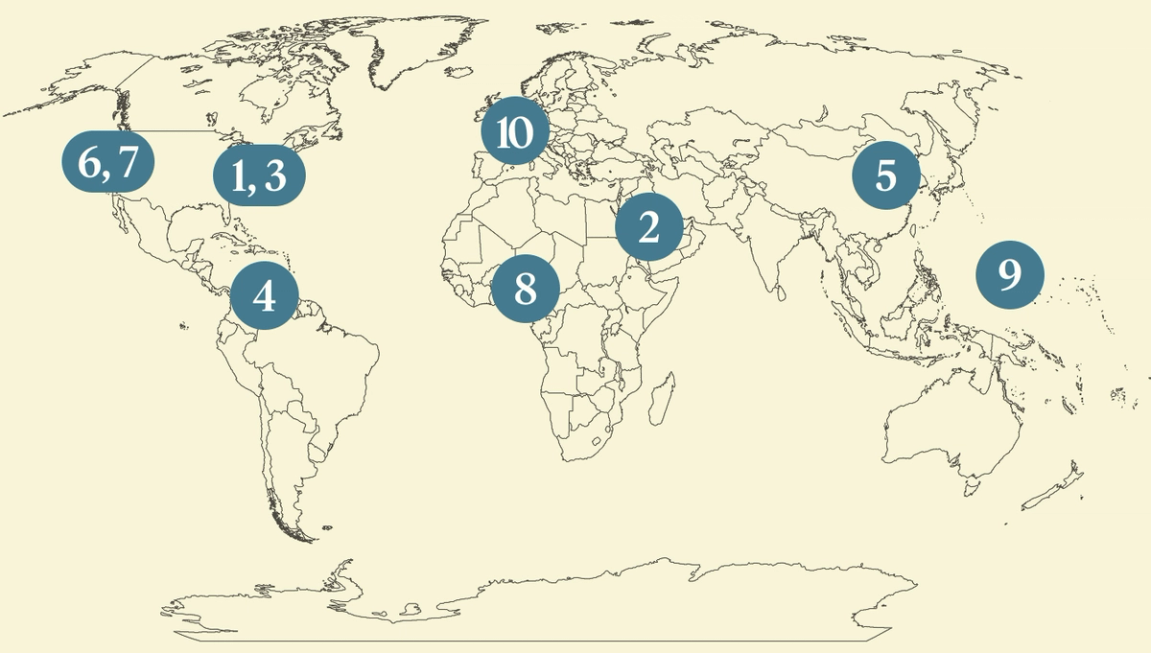 - Trump’s UNGA speech due
- Mideast conflict intensifies
- Guterres’ last hurrah at UN
- Venezuela courts deals
- Chinese firms’ chip progress
- Anthropic, OpenAI talks
- Meta’s popular AI agent
- Nigeria unveils energy fund
- US deportation deals spread
- Mbappé splits with Nike
 A recommendation for a century-old book which wrestles with ‘whether a utopian society would really be all good.’ |
|
Trump readies diplomatic push |
 Bing Guan/Reuters Bing Guan/ReutersUS President Donald Trump is due to address the UN General Assembly and meet with a raft of global leaders in New York, with the specter of his war in Iran hanging over the world economy. Along with holding talks with Venezuela’s interim leader, the US president will also meet with Gulf countries; discussions with his Ukrainian counterpart are reportedly on the cards, too. Though Trump has cast himself as a peacemaker — he once again asserted during a joint press conference with New York’s mayor that he had ended multiple conflicts — the Ukraine war shows little sign of concluding and hostilities in the Middle East have driven spikes in food and fuel prices that are reshaping geopolitics. |
|
 Today, Semafor hosts The Next 3 Billion in New York City, bringing together global leaders to explore how AI, energy, and emerging technologies can connect the three billion people still offline and expand opportunity across the world’s fastest-growing regions. The Next 3 Billion features interviews with H.E. William Samoei Ruto, President, Republic of Kenya; H.E. Judith Suminwa, Prime Minister, Democratic Republic of the Congo; Dr. Ngozi Okonjo-Iweala, Director-General, World Trade Organization; Sanda Ojiambo, Assistant Secretary-General, CEO and Executive Director, United Nations Global Compact; James Manyika, SVP, Research, Labs, Technology & Society, Google-Alphabet; and more to explore how AI, energy, and global development can expand access, unlock opportunity, and drive inclusive growth across the world’s fastest-growing regions. Sept. 22 | New York City | Watch the Livestream |
|
New Mideast conflict fears |
|
 Yiannis Kourtoglou/Reuters Yiannis Kourtoglou/ReutersUN Secretary-General António Guterres’ final general assembly as the body’s leader opens today, capping a tumultuous decade in which the global, rules-based order it represents has been called into question. A former Costa Rican vice president is the frontrunner to replace him, meaning the UN could be led by a woman for the first time. Whoever succeeds Guterres faces a daunting set of challenges, ranging from climate change and AI regulation to internal battles over the organization’s future funding. As international alliances have frayed and global cooperation has fractured, Guterres sought to “make the long-term case for international solidarity and social justice,” one expert on the UN wrote, calling him “the last globalist standing.” |
|
Venezuela courts deals in New York |
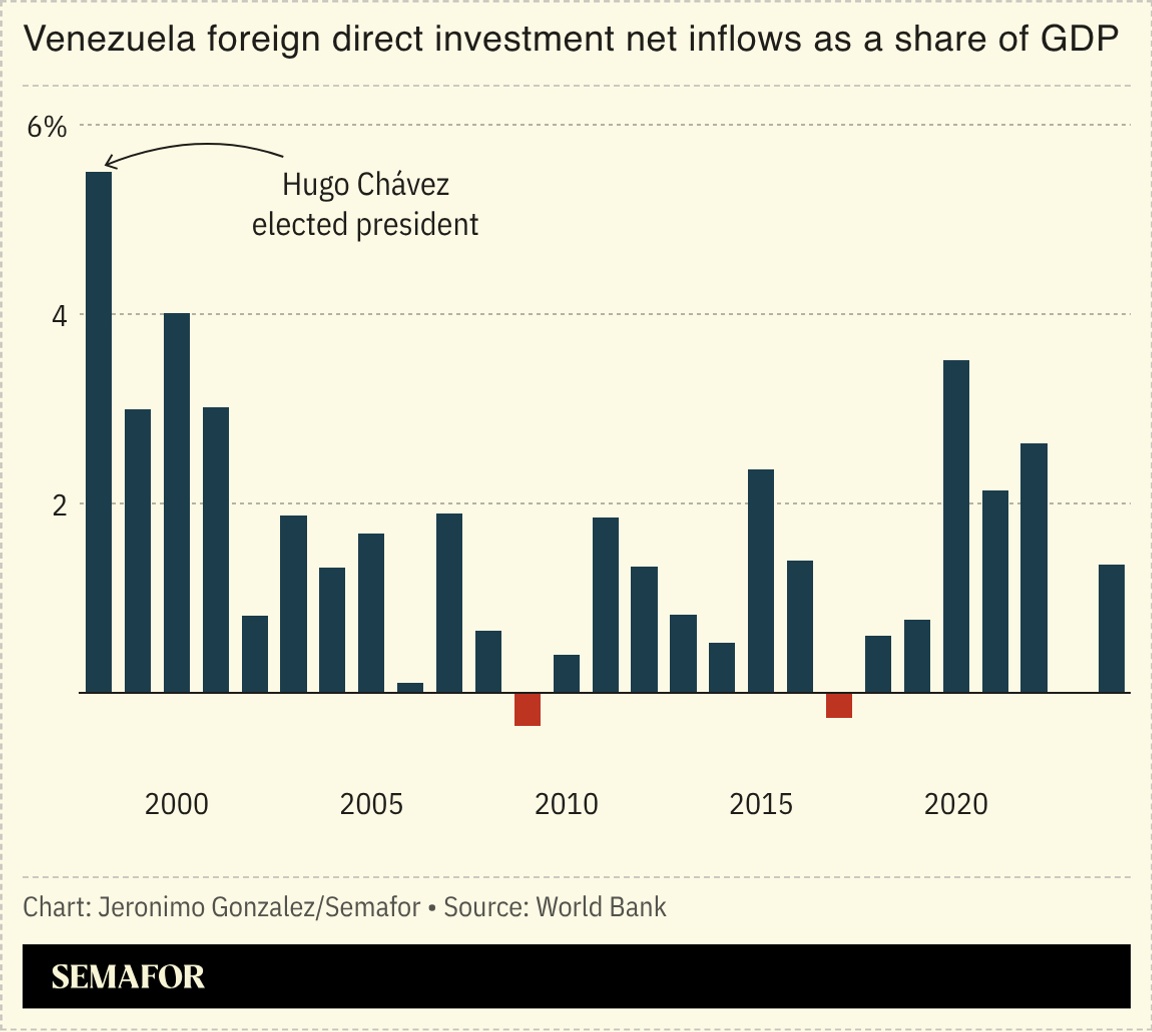 Venezuelan officials are looking to strike debt, energy, and mining deals at this week’s UN General Assembly, underscoring the country’s ambitions to return to international markets. Caracas was a pariah state for years, and foreign direct investment flows plummeted. But investors have begun returning since the Trump administration took effective control of the country: The Inter-American Development Bank on Monday announced a new plan to boost the country’s electricity and social welfare systems. Venezuela’s democratic transition remains on the back burner, however, with Washington preventing a leading opposition figure from going back over fears her presence could destabilize politics, a decision she vowed to defy. “The moment to return has arrived,” María Corina Machado told The Wall Street Journal. |
|
Chinese chip firms make advances |
|
Frontier AI labs in security talks |
|
Meta’s personal AI agent surges |
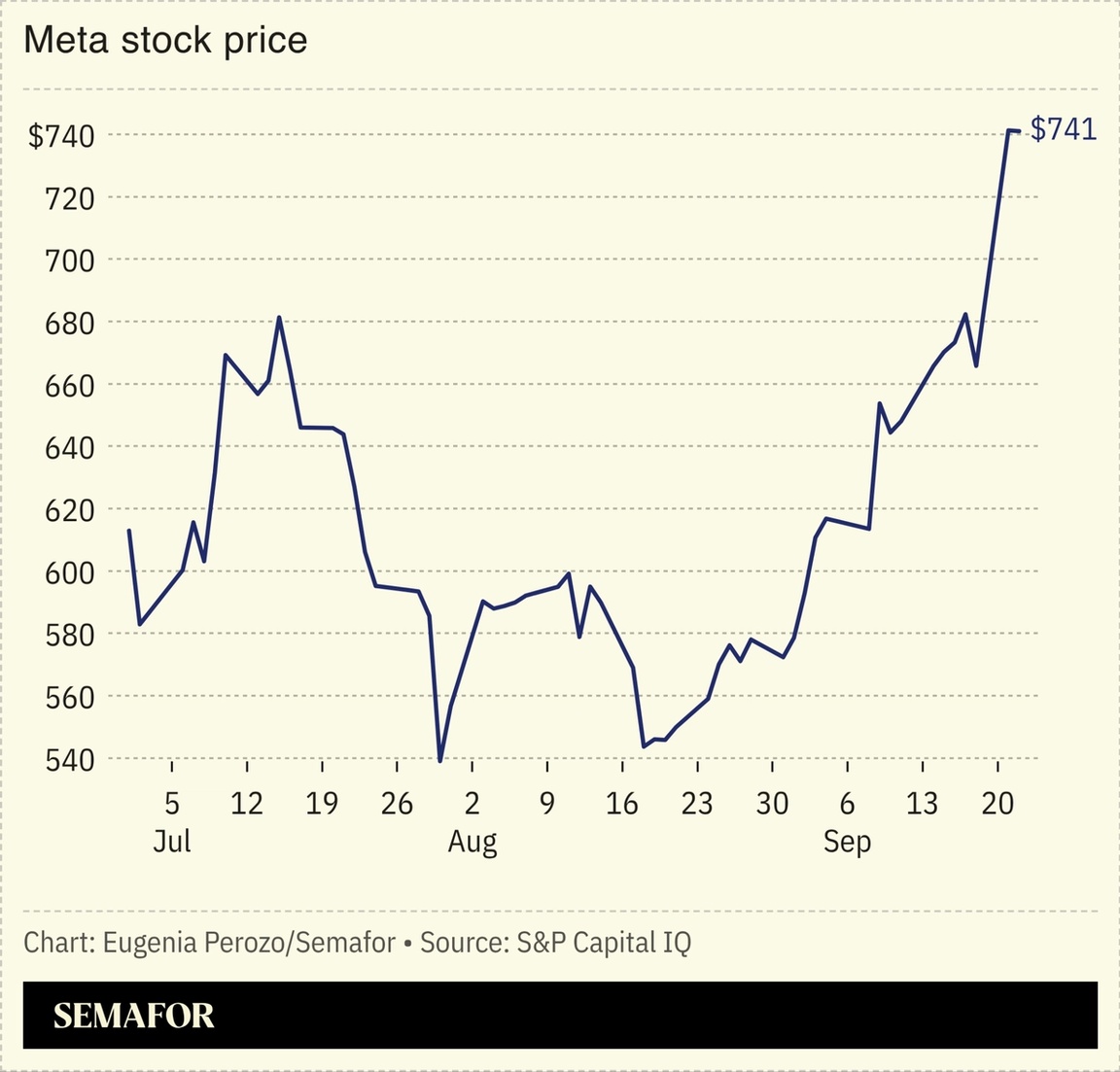 Meta’s AI personal assistant Muse became the most downloaded free app on Apple iOS, underscoring the tech giant’s ambition of becoming a leader in the space after years as a laggard. The surge in downloads, which lifted the company’s market cap to near record highs, comes as CEO Mark Zuckerberg looks to make up for lost ground. While Muse has surpassed 2.5 million downloads since its launch, it pales in comparison to ChatGPT’s more than 1.3 billion. Zuckerberg has pushed back on calls to slow down AI development over fears it could lead to catastrophic consequences, saying the market will keep companies in check: “Any lab that doesn’t focus on alignment will fall behind.” |
|
Nigeria unveils clean energy fund |
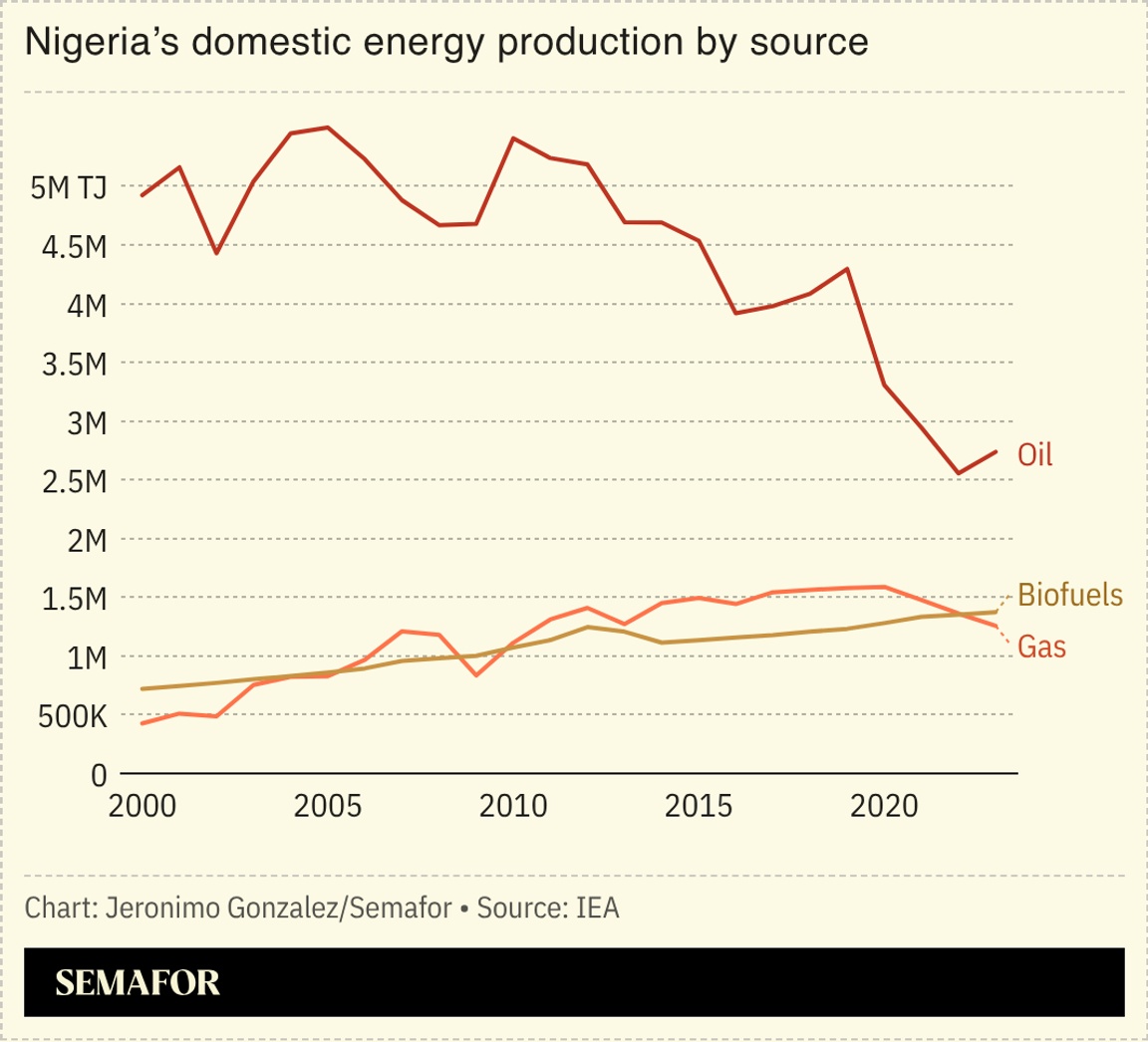 Nigeria announced a new $300 million clean energy fund as it looks to tame rising fuel prices that have become a key political battleground ahead of elections next year. Gasoline prices have jumped 68% and diesel more than doubled since the start of the Iran war, piling pressure on consumers who were already facing high inflation rates before the conflict began. Even full production at the Dangote refinery, the biggest in Africa, hasn’t kept a lid on fuel prices. Though President Bola Tinubu’s polling has rebounded, the cost of living remains the biggest worry for most Nigerians, weighing on his reelection odds. “After buying fuel, there is very little left for our families,” a truck driver in Abuja told Reuters. |
|
US deportation payments spread |
|
|


