|
|
Not long ago in this newsletter, I covered a Brazilian study that linked several sugar substitutes to faster memory decline. Xylitol was on that list. Well, it’s back again in a new study, and this time its effect on the heart is under scrutiny. Remember that this sweetener is widely used in gum and toothpaste, so it’s not uncommon.
Below, I get into what the study found, how seriously to take it, and why the usual heart advice still applies, no matter how much xylitol you’re exposed to.
|
|
|
|
|
|
|
|
|
Let’s investigate!
Tim Snaith
Newsletter Editor, Healthline
|

|
|
Written by Tim Snaith
September 22, 2026 • 2 min read
|
|
|
|
|
|
|

|
|
|
|
Xylitol’s new red flag for heart health
|
Xylitol is a common sugar substitute that tastes and even looks like sugar, but with fewer calories. Your body makes a little of it naturally, and manufacturers add much more to sugar-free gum, mints, sweets, and toothpaste. If you chew gum or use a whitening toothpaste, you have almost certainly swallowed some xylitol without thinking about it.
New evidence about xylitol’s role in health was presented at a conference in Munich this summer. It looked at more than 17,000 people in Canada and the UK. Those with the most xylitol in their blood were more likely to have a heart attack or stroke than those with the least. In the Canadian group, there was a 57% higher risk over 6 years. It sounds like a lot, but it’s not final proof that xylitol is causing harm.
Earlier research already suggested that xylitol can make platelets (the cells that help blood clot) clump together more readily, and a clot in the wrong place is often what causes a heart attack or stroke. Whether platelet clumping explains the link seen in the new study remains unclear.
But xylitol does have an important benefit: the bacteria behind plaque and tooth decay cannot feed on it, so it starves them, slowing the process. And we know that dental health can affect heart health. So, it’s complicated. What xylitol gives with one hand, it may or may not take away with the other.
What really moves the needle with heart health is more familiar and well-established: eat more vegetables and beans and less saturated fat, reduce or remove salt and added sugar from your diet, and keep moving and taking steps to improve your sleep.
|
|
|
|
Want to learn more about food, diets, cooking, or some other nutrition subject? Let us know at nutritionedition@healthline.com, and we’ll look into it for you! (Heads-up: We may use your response in an upcoming newsletter.)
|

|
|
|
 |
|
|
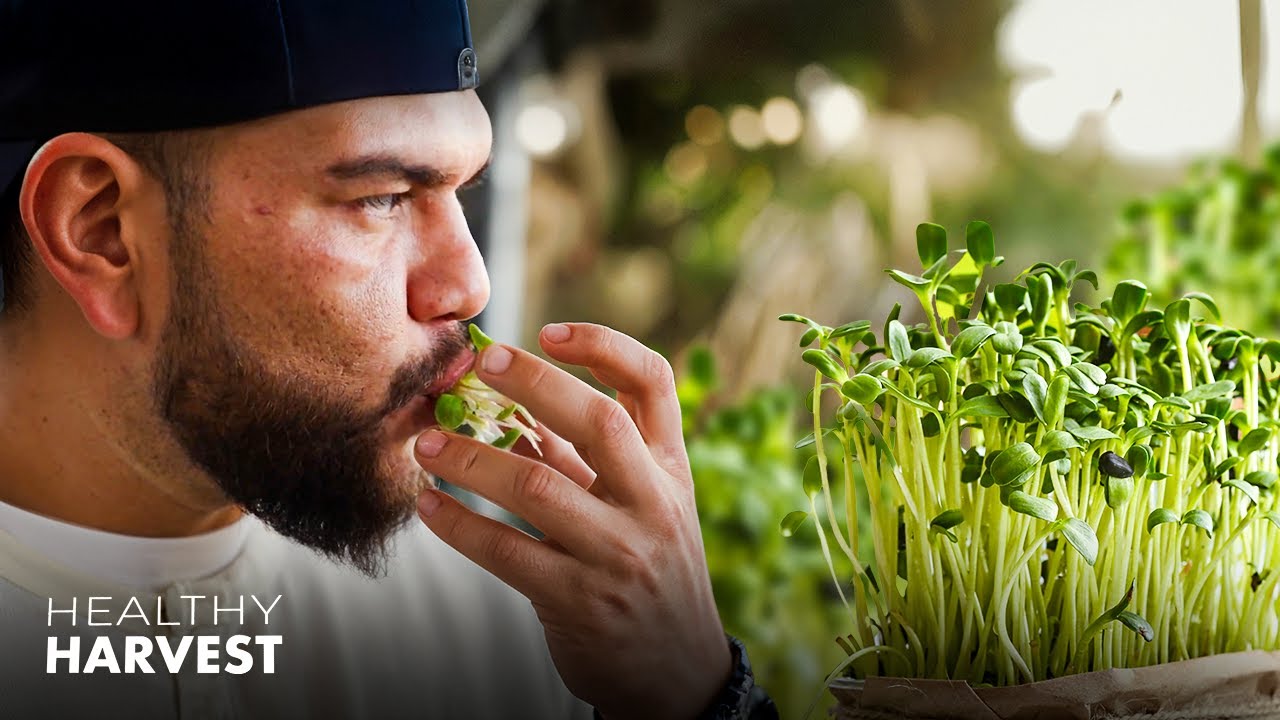
| The Tiny Plant Packed with Nutrients |
| Farmers Nathaniel Scott and Luis Machuca explain the incredible health benefits of microgreens. Learn how they’re grown in a mindful and intentional environment as we delve into their mission to promote well-being through fresh “happy food.” |
|
|
|
|
|
|
What we’re digesting
|
|
| | |