| | Chinese leader Xi Jinping arrives in Washington, AI bosses set to address the UN, EU presses Ukraine͏ ͏ ͏ ͏ ͏ ͏ |
| |  | Flagship |  |
| |
|
The World Today | 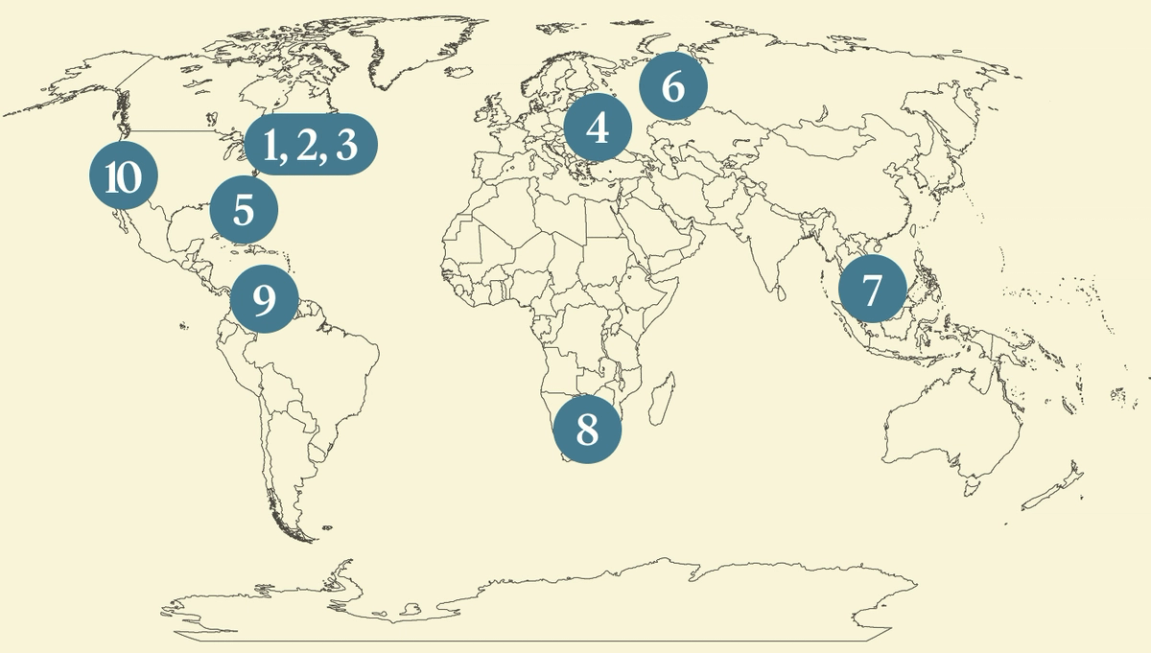 - High-stakes US-China talks
- AI takes forefront at UN
- Waning American power
- Pressure on Ukraine
- GOP criticism of Trump
- Fuel price surge fears
- El Niño’s economic fallout
- US defends Africa strategy
- Venezuela sets out stall
- An AI-school experiment
 A recommendation for a book that is ‘dazzlingly rich in lexical glamour.’ |
|
 Kenny Holston/Reuters Kenny Holston/ReutersChinese leader Xi Jinping arrives in Washington today for talks with US President Donald Trump that are expected to be more pomp than progress. Trump will personally greet Xi, with a state dinner to follow tomorrow. Both appear wary of ending their uneasy truce: Beijing has widened controls on the export of precursors used to make illegal drugs, a persistent frustration of Washington’s; Trump, meanwhile, has largely curbed hawkish rhetoric from his administration towards China. But huge differences remain between the superpowers on AI regulation, trade policy, and Taiwan’s security, and expectations of business deals have waned as Chinese CEOs are unlikely to be joining Xi on his trip. |
|
AI bosses to address the UN |
 Kim Kyung-Hoon/Reuters Kim Kyung-Hoon/ReutersThe heads of Anthropic and OpenAI will brief the UN Security Council today, as their calls for a slowdown in development compete with the interests of superpowers more concerned with winning the AI race. Though analysts say Washington and Beijing are unlikely to reach any wide-ranging pact to constrain the technology in talks, other countries are nevertheless trying to push forward: The UK plans to focus its G20 presidency on AI safety. The issue has divided the world. The Global South is “more optimistic” about AI than the West, a Google executive told Semafor, while new research from Gallup showcased an emerging gulf between people in different nations in perceptions of whether AI would help or hurt their countries. |
|
US power waning: analysts |
 Kylie Cooper/Reuters Kylie Cooper/ReutersThe UN General Assembly and the US-China summit this week will underscore Washington’s waning global power, two prominent analysts argued. The war in Iran — in which the US, unable to protect its critical infrastructure in the region, increasingly appears to be on the back foot — has exposed American power to be “much less comprehensive and effective” than many thought, historian Phillips O’Brien argued. Faced with this stark reality, an overwhelming majority of Americans believe Washington should be strengthening ties with allies, including NATO. “In international relations, power and the balance of power of course matter,” former US ambassador to Russia Michael McFaul wrote. “But individuals matter too.” |
|
EU presses Ukraine to reform |
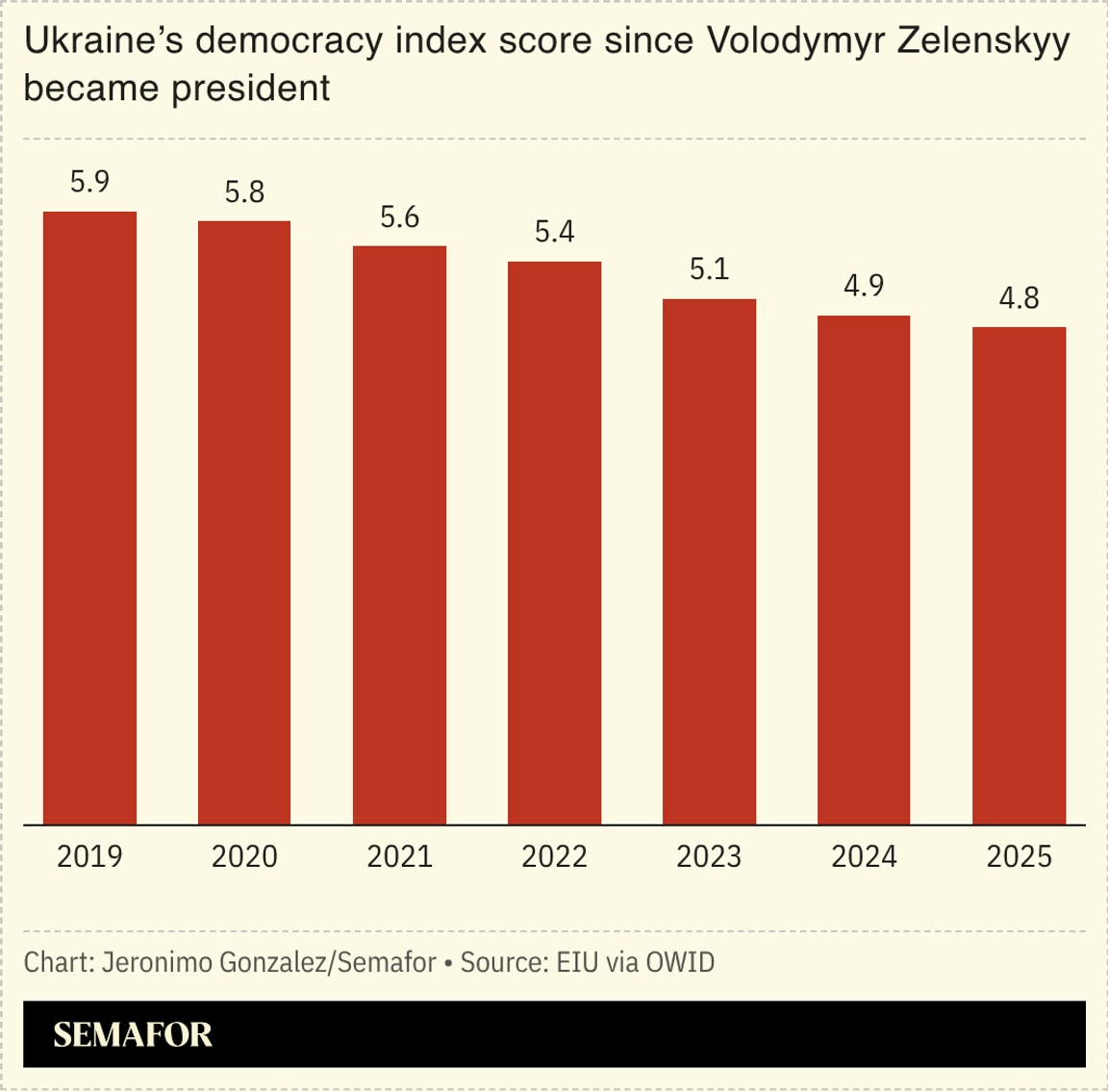 The EU told Ukraine that it needed to show democratic progress before the bloc could disburse more of a $103 billion loan, piling pressure on President Volodymyr Zelenskyy. Ukraine’s popular former defense minister called for elections last month after he was dismissed from his post. Though the Ukrainian leader has insisted a vote would be impossible during the war with Russia, his position could be tested when he meets US President Donald Trump — who has also previously pushed for elections — in New York today. Zelenskyy hopes to gain Washington’s backing ahead of what promises to be a tough winter for Ukraine. |
|
Republicans step up Trump criticism |
 Callaghan O’Hare/Reuters Callaghan O’Hare/ReutersRepublican lawmakers are increasingly challenging US President Donald Trump in public, underlining growing frustration in the party ahead of midterm elections. One senator called for an investigation into Trump’s business dealings while in office, another criticized him for organizing a “lavish” state visit for China’s leader, and still others are frustrated over the administration’s war in Iran. Trump’s own falling approval ratings alongside polls that show Democrats in the lead ahead of November’s midterms have likely emboldened politicians who were reluctant to criticize the president. Still, as Semafor’s congressional bureau chief noted, at least when it comes to Republican criticism of the Middle East conflict, “it’s one thing to criticize the war and another to vote against it.” |
|
Leaders scramble to curb fuel prices |
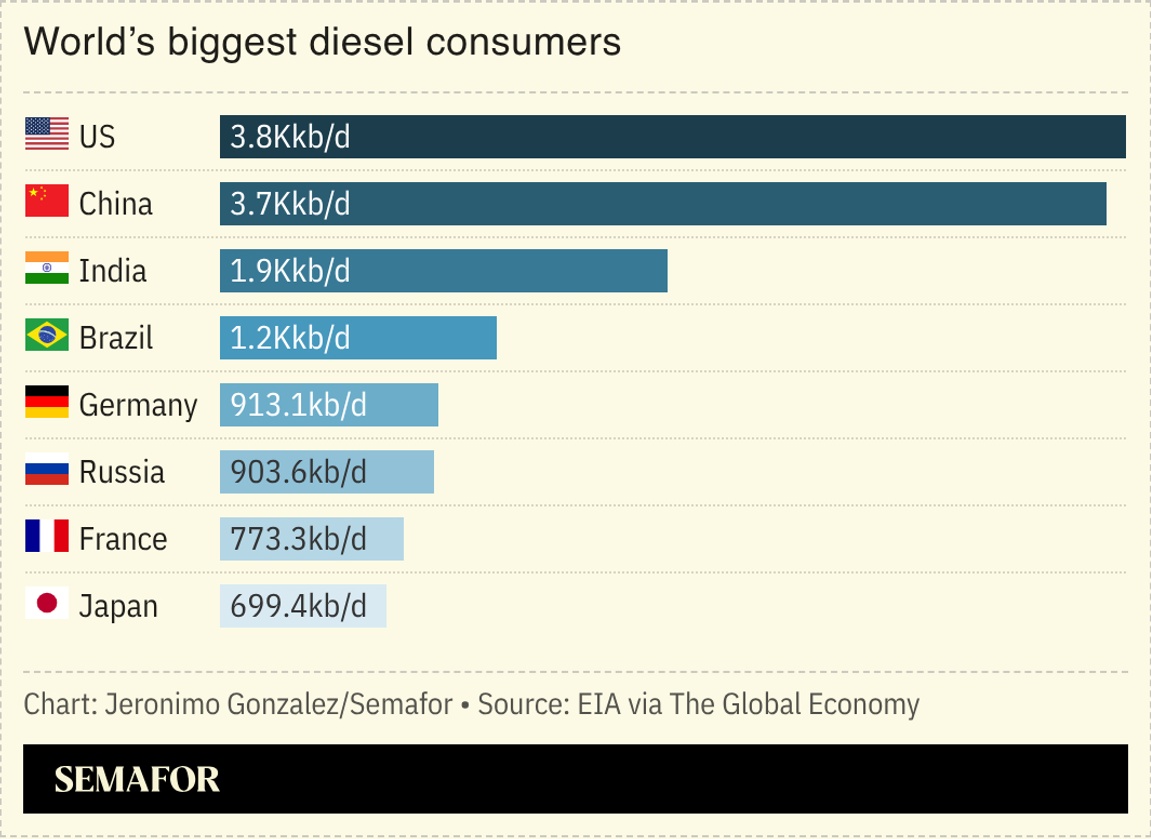 Oil prices dipped to near two-week lows, but increasing costs of fuel raised fears of broader economic fallout. US President Donald Trump voiced support for a diesel export ban to tame record prices, and has reportedly pressed Ukraine’s leader to stop attacks against Russian refineries. Some 90 countries have implemented some form of support to cushion the blow on consumers. Public finances worldwide were already in a relatively parlous state, but there is little appetite for the political consequences of withdrawing fuel subsidies to restore fiscal rectitude. To make matters worse, a second inflationary shock could be in the works, The Wall Street Journal’s chief economics commentator warned, which means interest rates could remain high for longer than expected. |
|
El Niño could kill half a million |
 Reuters/Juan David Duque Reuters/Juan David DuqueThis year’s extraordinarily strong El Niño weather system could lead to as many as 450,000 excess deaths in the next six months, with experts predicting devastating economic consequences, too. The warm weather phenomenon, which originates in the Pacific, is compounding the consequences of climate change, pushing temperatures to record highs. Poorer countries’ capacity to respond has been limited as they grapple with higher fuel and fertilizer prices sparked by global conflicts. El Niño could hit Asia the hardest: ASEAN is particularly exposed as the weather shock coincides with its agricultural export season, HSBC said in a note to clients, while the Asian Development Bank warned droughts there could hit hydropower generation and mining output. |
|
| | Semafor Next 3 Billion • Exclusive |  | |
US presses Africa strategy |
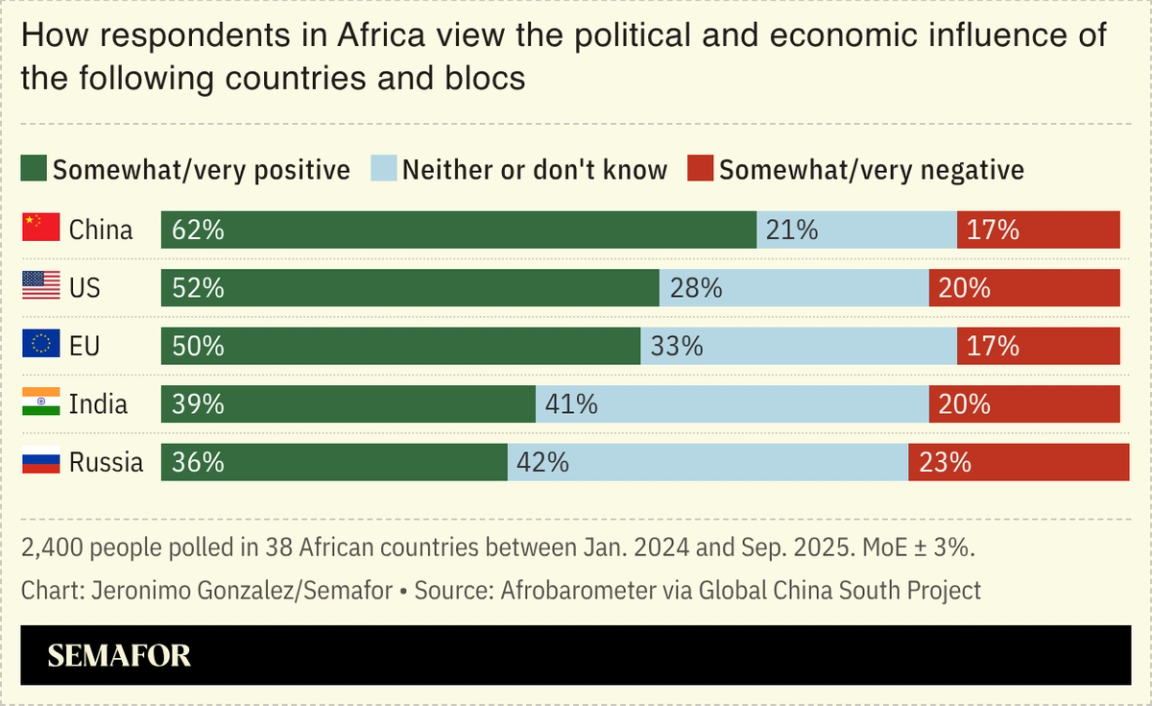 The US insisted it could still compete with China in Africa despite Beijing’s trade supremacy across the continent, though Washington’s tariffs risk eroding any such effort. Speaking at Semafor’s The Next 3 Billion event in New York, Development Finance Corporation head Ben Black defended the Trump administration’s Africa strategy, including hundreds of millions of dollars pledged for investments in digital infrastructure and mining projects. The impact of the Iran war, which has sent fuel and fertilizer prices soaring, as well as Washington’s protectionism, risks pushing African countries closer to Beijing, however. The tariffs are causing pain beyond Africa too: The head of the World Trade Organization told Semafor they could cost the global economy up to 7% of GDP. |
|
Contrasting fortunes in Venezuela |
 Leonardo Fernandez Viloria/Reuters Leonardo Fernandez Viloria/ReutersVenezuela’s interim president will address the UN General Assembly today, highlighting how the country is prioritizing casting off its economic pariah status at the expense of any democratic revival. Delcy Rodríguez’s speech follows her meeting with US President Donald Trump to discuss energy and mining investments. Since taking de facto control of the South American country this year, Washington has vowed to boost growth, including by managing Venezuela’s oil revenues and taking a direct share of its crude reserves, the world’s largest. However, critics say the democratic transition is being unduly delayed: Venezuela’s popular opposition leader has repeatedly failed in her attempts to return to her homeland. “To the victor belong the spoils,” Trump said at the UN. |
|
|


