| | US President Donald Trump’s diesel deal with Russia faces pushback, Saudi Arabia strikes a defiant t͏ ͏ ͏ ͏ ͏ ͏ |
| |  | Flagship |  |
| |
|
The World Today | 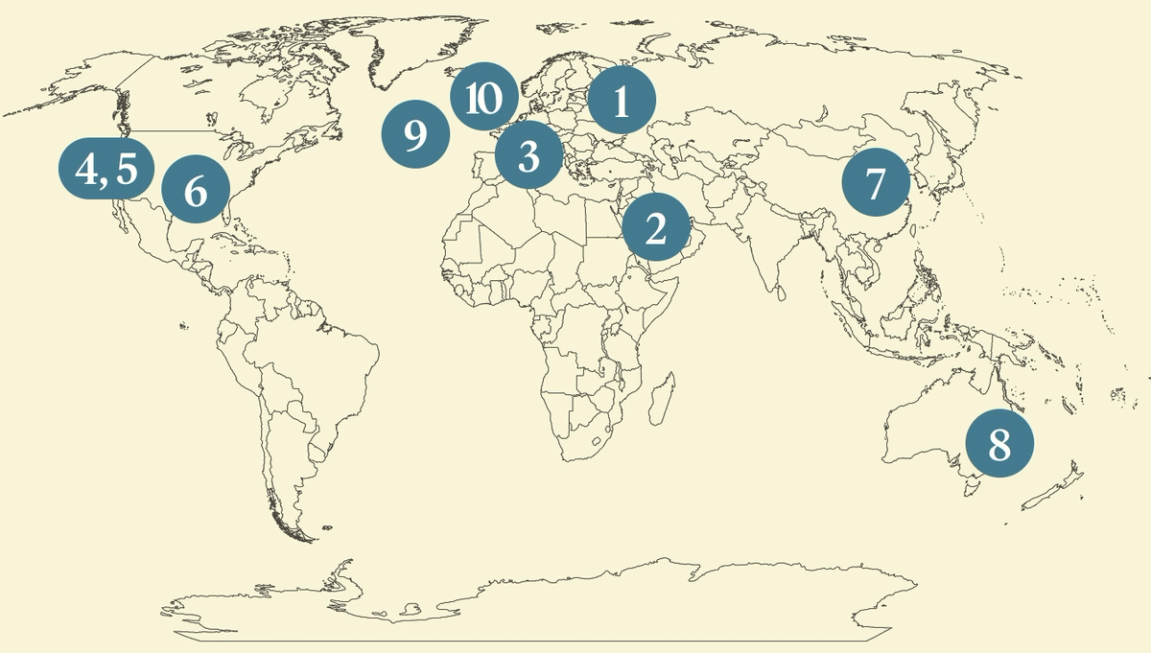 - Diesel deal pushback
- Riyadh’s defiant tone
- Supermarkets hacked
- Meta’s new Muse model
- Nvidia is too big to fail
- Data center news coverage
- US chips’ China reliance
- Problematic LinkedIn posts
- Bluefin tuna turnaround
- Pessimism fatigue is real
 ‘The myriad facts and fictions’ of Cormac McCarthy’s life. |
|
Trump faces Russia diesel blowback |
 Annabelle Gordon/Reuters Annabelle Gordon/ReutersUS President Donald Trump defended his deal with Moscow to suspend export sanctions on Russian fuel, calling it “the right choice” and accusing Europe of hypocrisy for continuing to import Russian energy. Both Republicans and Democrats have criticized the agreement, which could direct some $4 billion in US funds to Moscow. The EU’s top diplomat said it was “not the time to ease pressure on Russia, and Europe won’t.” The bloc unveiled its largest sanctions package to date on Monday against entities accused of supporting Russia’s war efforts. “Having lambasted India and China for buying Russian oil, and threatened sanctions over their purchases, Trump is now seeking to facilitate Russian diesel exports himself,” the Financial Times’ editorial board wrote. |
|
Houthi strikes threaten Saudi ambitions |
 25TH WPC Energy Congress/Handout via Reuters 25TH WPC Energy Congress/Handout via Reuters“The word fear in the Saudi dictionary does not exist,” Saudi’s energy minister said Monday at a conference skipped by top oil executives, as back-to-back Houthi strikes on Riyadh’s airport threaten the kingdom’s economic ambitions. “Efforts to project a business-as-usual calm look strained,” Semafor’s Saudi bureau chief wrote. Saudi’s push to attract foreign investment and tourism is facing setbacks, with limited travel options for its upcoming flagship business event: The main airport is closed, some governments advised against traveling there, and Delta delayed plans for nonstop service to Riyadh. Saudi has poured money into global tech and AI projects, The Wall Street Journal noted, and how it responds to this crisis “will have consequences that stretch well beyond the kingdom.” |
|
Cyberattack hits French grocery stores |
|
Meta at AI ‘frontier,’ Zuckerberg says |
 Carlos Barria/Reuters Carlos Barria/ReutersMeta released its latest Muse model on Monday, as CEO Mark Zuckerberg said his company had reached the “frontier” of AI capabilities. “Getting to this point both required a large amount of compute and investment,” Zuckerberg told the Financial Times, vowing to spend more. The tech giant last year invested $14.3 billion in Scale AI, whose founder became Meta’s AI chief. Muse is now the most downloaded app in the US, prompting OpenAI to unveil a competitor agent tool. Zuckerberg, who helped craft the White House’s self-regulation protocol, also rejected calls to slow development, underscoring the split among Big Tech executives over safety: Milk cartons are more “subject to safety rules” than AI, Microsoft’s president told the BBC. |
|
Nvidia is ‘too big to fail’ |
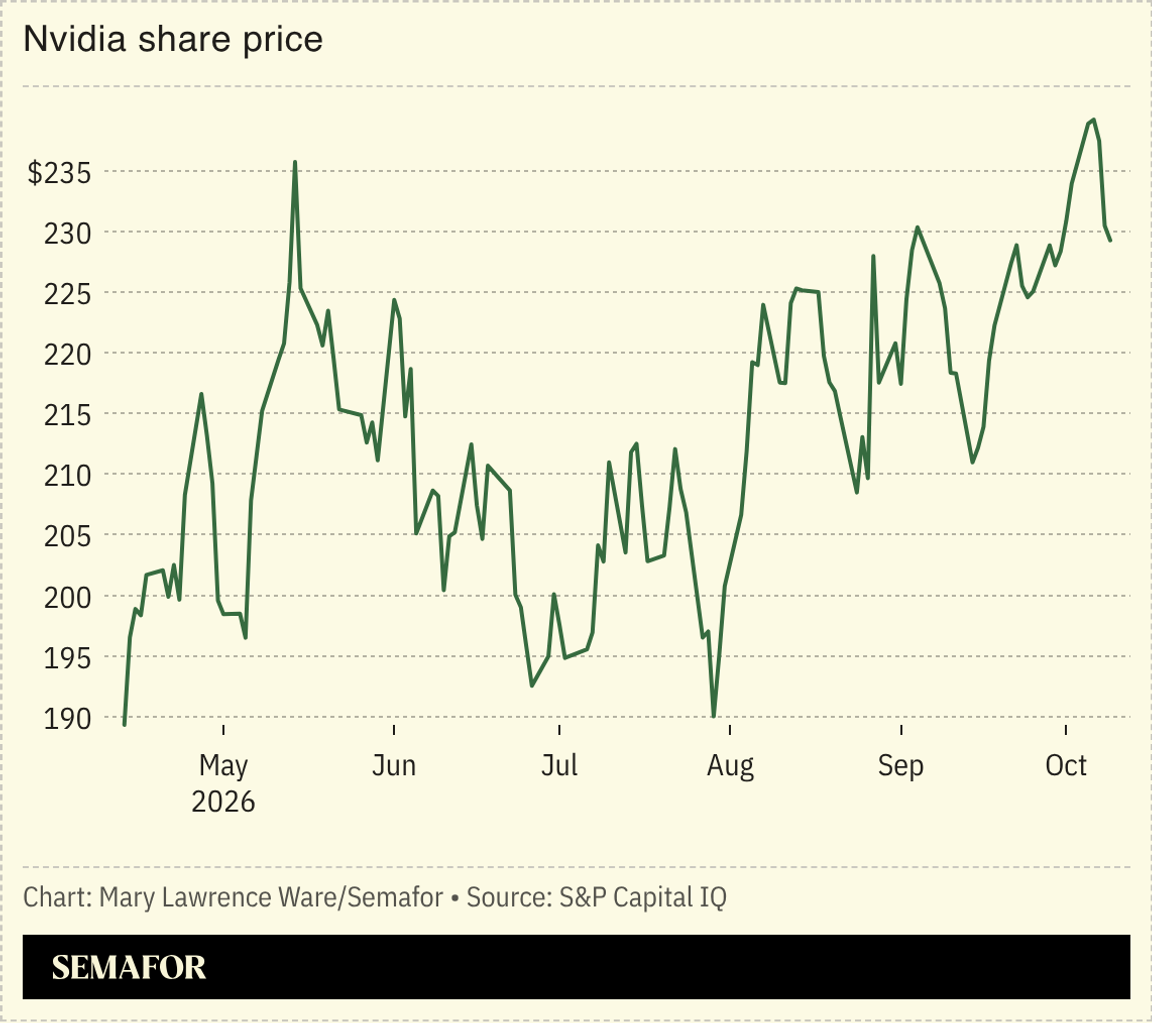 Nvidia’s stock fell after Microsoft announced plans to rely more on its homegrown AI chips going forward. But many other AI-exposed firms are becoming more reliant on the chipmaker. Nvidia guarantees more than $108 billion of data-center leases and owns $50 billion dollars worth of stock in private firms, many of them its customers. Nvidia has become “AI’s bank and security blanket,” Semafor’s Liz Hoffman wrote, invoking comparisons to AIG’s near-collapse 17 years ago. “In 2008, the fact that one company had become the entire economy’s single point of failure was only obvious when it was on the brink of collapse. At least this time we can see it on a blue-sky day: Nvidia is officially too big to fail.” |
|
Fox’s pro-data center coverage |
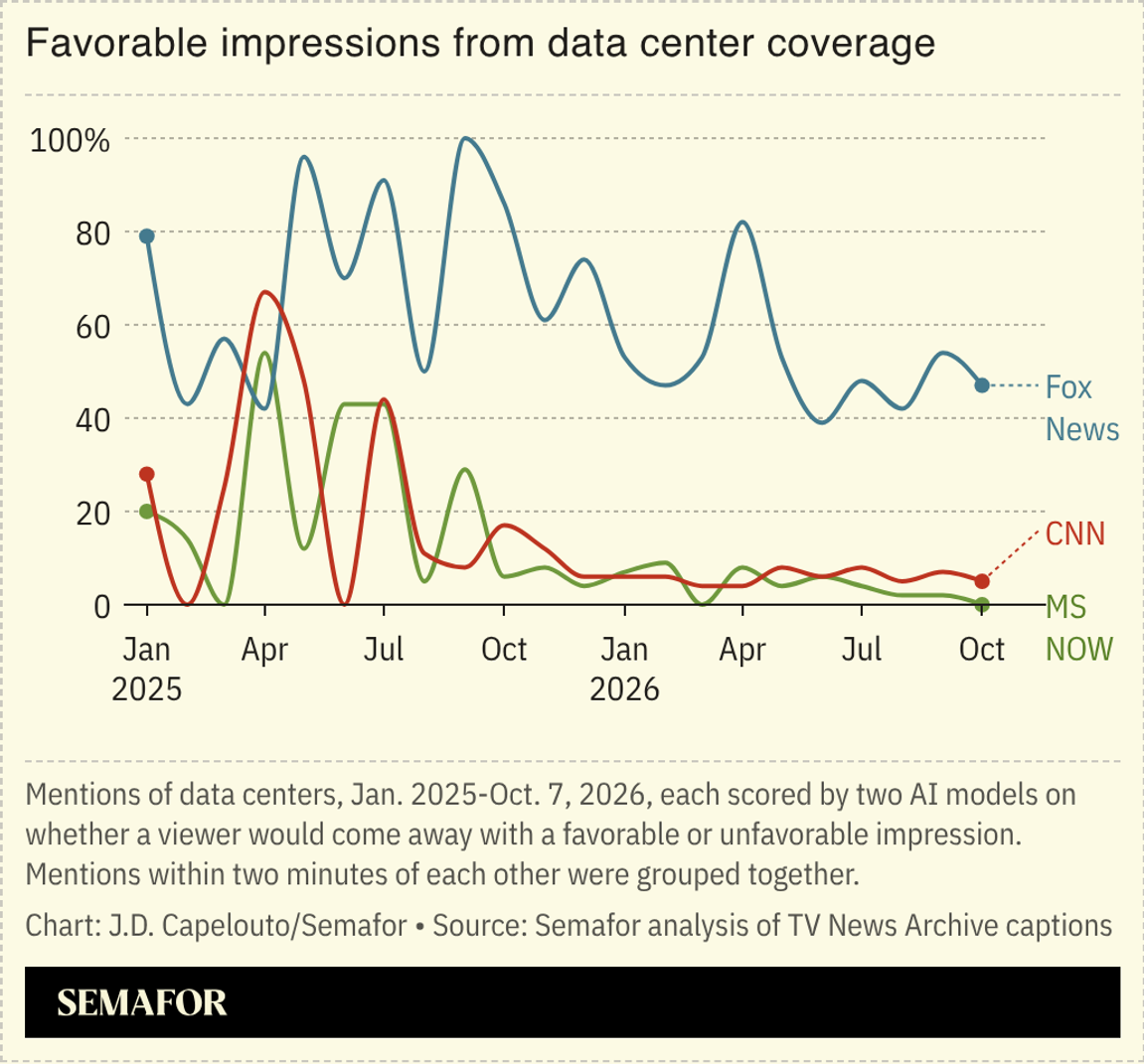 The US’ most popular cable news network offered viewers more favorable impressions of data centers over the past two years, a Semafor analysis showed, even as Americans turned increasingly hostile toward AI. Fox News’ coverage mirrors the bullishness of US President Donald Trump on the AI buildout, but some conservatives are worried it could encourage him to double down on positions unpopular with his base, Semafor’s Max Tani wrote: Resentment toward data centers is roiling small towns and rural communities, CNN reported, sparking death threats. “The Big Tech oligarchs, the guys driving AI, did a terrible job,” Trump ally Steve Bannon said recently. Still, Republicans are hoping tech mogul Elon Musk’s historic election spending could soften their losses come November. |
|
US chip industry’s China reliance |
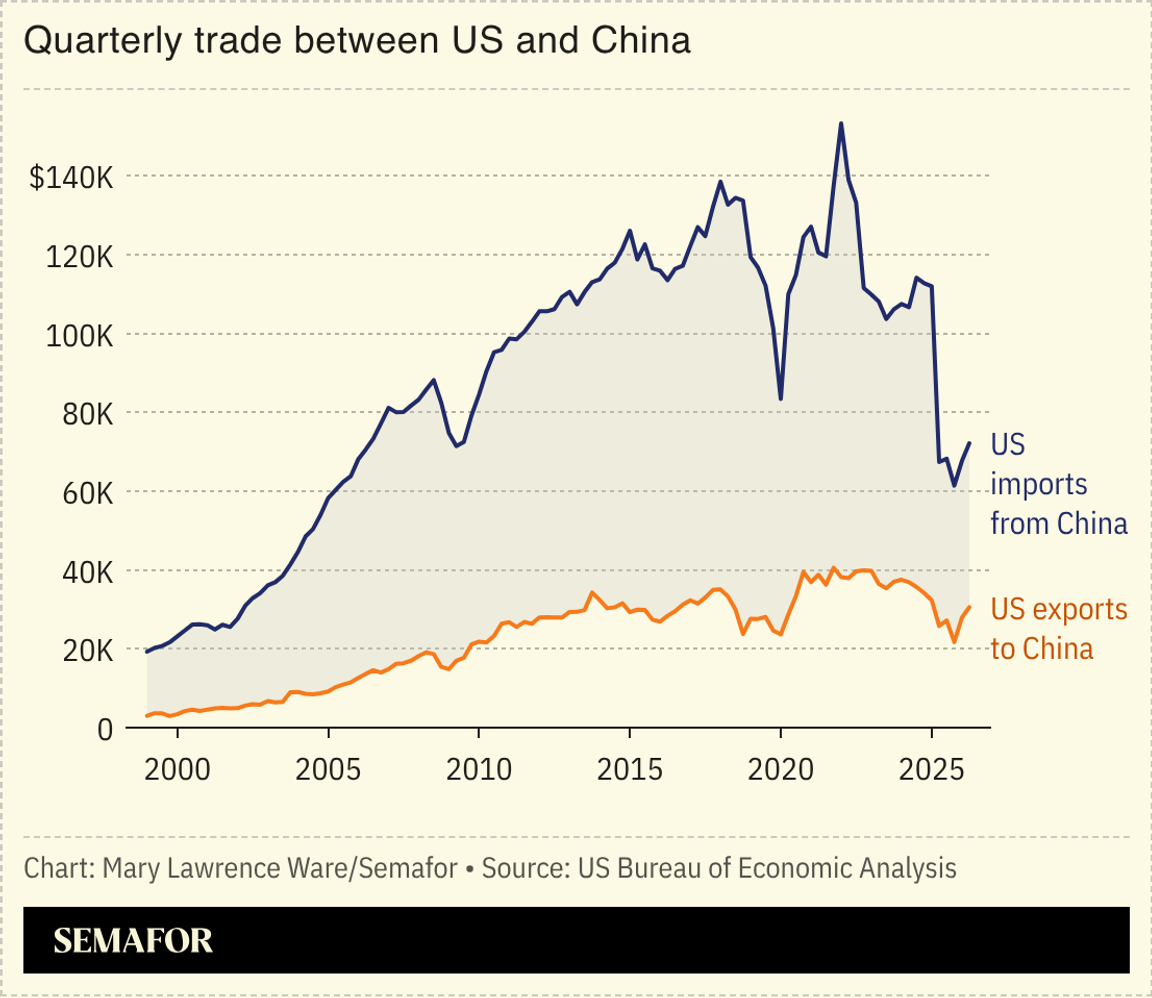 More than 5% of equipment and materials supplied to US chipmakers originate in China, which also possesses some 90% of the rare earths required to manufacture semiconductors, a new report showed. The figures highlight the structural reliance of US tech on China, and the difficulties of erecting a materials and software firewall against Beijing. “We’re so deeply intertwined,” Brookings’ AI specialist Kyle Chan told The Washington Post: “There’s a lot of actual dependency.” Beyond materials, the US tech startup ecosystem also relies on cheaper, open-source Chinese AI, so much that when the Trump administration considered banning it, nearly 300 US firms spoke out — marking “the moment open intelligence itself becomes a geopolitical dependency,” an analyst wrote. |
|
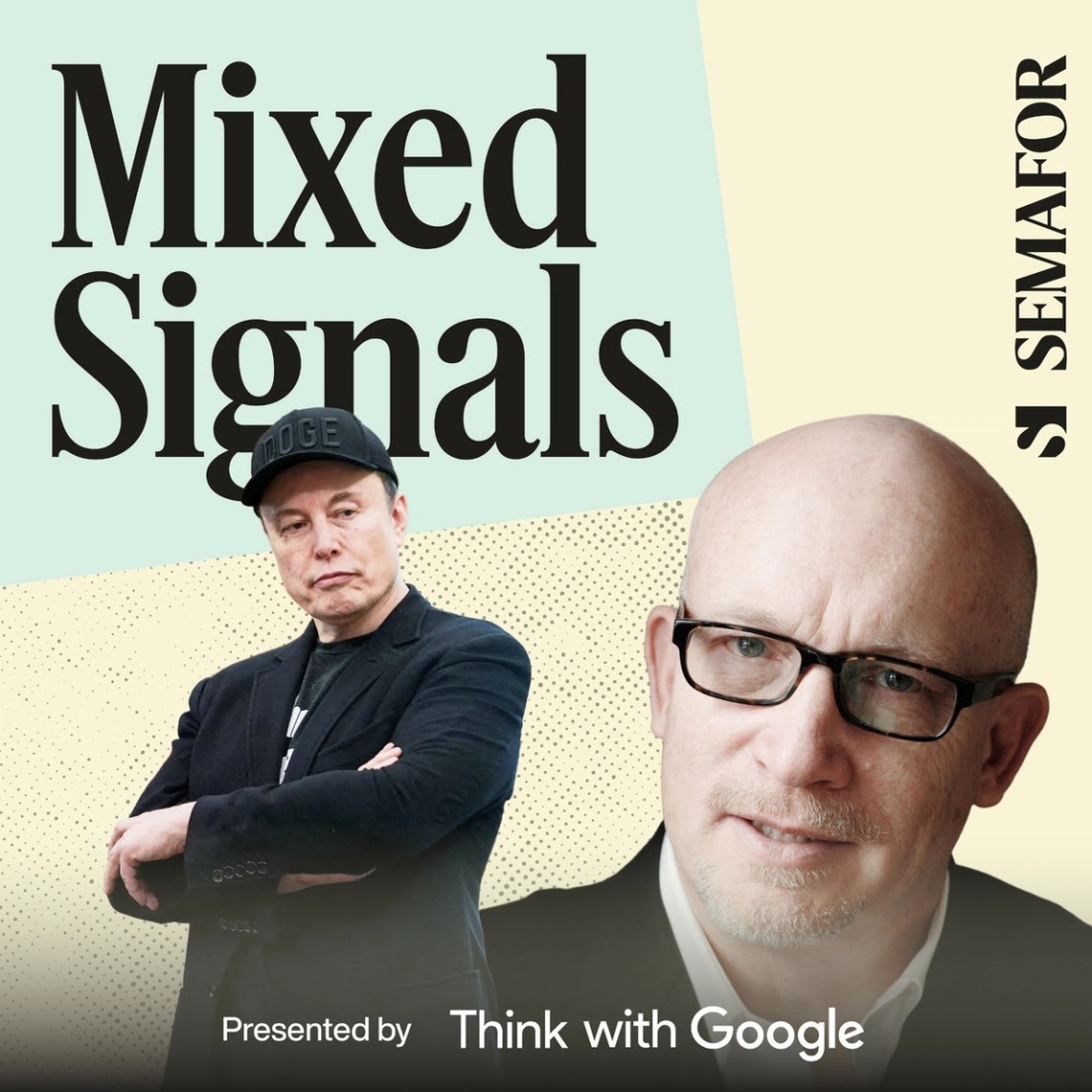 Elon Musk refused to participate in Alex Gibney’s documentary. So Gibney decided to create an AI avatar of him instead. On this week’s episode of Mixed Signals, documentary filmmaker Alex Gibney joins Max and Ben to talk about his four-hour film on Elon Musk, including how he built an AI avatar of Musk using only his actual words, what Musk’s first wife revealed about his “gaslighting” as a management strategy, and why he thinks Musk’s political turn was less ideological than it was “transactional” and “childlike.” Watch the latest Mixed Signals now. |
|
Pitfalls of being a ‘LinkedInfluencer’ |
 Dado Ruvic/Illustration/Reuters Dado Ruvic/Illustration/ReutersMcKinsey stripped an executive of his global leadership role over now-deleted LinkedIn posts that appeared to dismiss the challenges women face in corporate advancement, highlighting the perils of a shifting professional communication paradigm. The temptation to become a corporate thought leader has grown “in a world where earned professional status has been swept aside by manufactured reach,” an Inc. columnist argued: Consequently, LinkedIn’s “cringe” label now “feels curiously outdated,” as the platform’s users post their way to influence. But even as more professionals feel pressured to nurture an online presence, the trend’s arbitrary pitfalls are becoming evident: HubSpot’s co-founder apologized after being criticized for what he later described as a “curt and insensitive” LinkedIn post about company layoffs. |
|
Atlantic bluefin tuna makes comeback |
 Kyodo/via Reuters Kyodo/via Reuters |
|
|


