| | Lifting diesel sanctions and backing a ceasefire favorable to Moscow risks more energy market disrup͏ ͏ ͏ ͏ ͏ ͏ |
| |  | Energy |  |
| |
|
 - Seeking partners
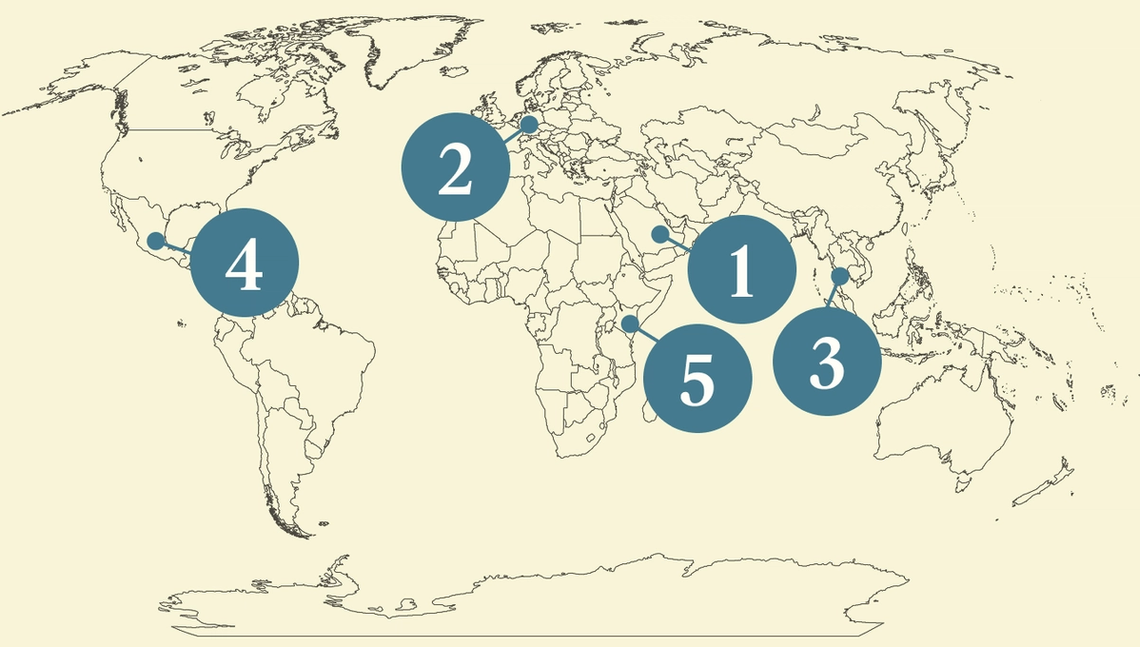
- Europe’s gas headache
- Energy inflation vs. AI
- Deadly storms
- Refinery politics
 EU limits Chinese hybrid EVs, and hurricanes disrupt oil production. |
|
 The contradictory tangle of energy policy actions taken by US President Donald Trump toward Russia over the weekend risks repeating mistakes that he and his allies often slammed his predecessor for. On Friday, Trump announced the US would waive sanctions on Russian diesel exports until the spring and permit it to release 300,000 metric tons of diesel into the global market, before announcing an energy ceasefire between Moscow and Kyiv. The diesel deal was quickly condemned by a bipartisan group of senators, who argued that the volume was too small to make a difference — equal to less than a day of US consumption — and extended a “financial lifeline” to Russian President Vladimir Putin. This, they said, contradicted both a 2022 US ban on Russian energy imports and the spirit of the new sanctions law Trump signed last month, which seeks to penalize countries like China and India for the very same kinds of purchases the president is now pursuing. The diesel relaxation, former State Department energy diplomat Geoff Pyatt told me, is “enough of a sweetheart deal to encourage [Russian Direct Investment Fund CEO Kirill] Dmitriev and Putin to keep fighting in hopes Trump will deliver Kyiv.” As for the “ceasefire,” Russia seems to have violated it almost instantly. A Ukrainian official told me on Monday that Kyiv was temporarily holding off on further long-range drone strikes against Russian refineries while it assessed Moscow’s behavior and was waiting for a chance, potentially later this week, to clarify details of Trump’s proposal with US officials. Axios reported the deal could apply only to refineries, which would make little sense for Ukraine to participate in given that it has only one barely-functional refinery. Kyiv is more worried about the power sector, which a recently leaked Russian military planning document makes clear is still directly in Moscow’s sights. Dangling a limited ceasefire deal that Ukrainian President Volodymyr Zelenskyy can’t accept sends the same message to the Kremlin as the diesel deal: Ukrainians are the problem in this war, and US resolve in support of Ukraine is barely paper-thin. The past few years have shown repeatedly that accommodating Putin pushes him away from the negotiating table, not toward it. Trump and his energy officials have criticized Biden often and loudly for authorizing, in 2022, a record release of oil from the Strategic Petroleum Reserve, which they framed as an irresponsible stab at tamping down US fuel prices ahead of an election at the expense of long-term American security interests. They also criticized Biden’s decision in 2021 to relax sanctions on the Nord Stream 2 gas pipeline in the interest of repairing relations with Moscow, which helped embolden Putin to undertake the full-scale invasion of Ukraine. With just three weeks until the midterms, Trump is clearly riled about diesel prices and the slow recovery of exports of refined products from the Persian Gulf. But it’s counterproductive to capitulate to Putin: In addition to the uncountable human toll, a longer war in Ukraine means more energy market distortion ahead. |
|
Saudi attacks shake confidence |
 Social Media/Reuters Social Media/ReutersOil prices ticked down on Tuesday as Saudi oil executives sought to reassure the market following a major attack on the capital’s airport. International energy bosses were largely absent from this week’s World Petroleum Council Energy Congress, held in Riyadh for the first time, after the Houthi attack. The CEOs of BP, Shell, and TotalEnergies, along with a host of international ministers, including US Energy Secretary Chris Wright, dropped out due to the strikes. That left a thinner-than-expected crowd, mostly made up of local executives, to hear the kingdom seek deeper international cooperation to secure energy supplies and trade routes. Saudi Arabia can build more pipelines and boost storage capacity, but “no one nation, even one as capable and confident as ours, can safeguard them alone,” Aramco chief executive Amin Nasser said. His comments reflect the growing role of foreign investors in the region’s energy industry, already expanding even before the Iran war. Long relegated to minor roles, the Gulf energy companies increasingly see international energy firms and global investors as an integral part of their plans to lock in customers for their hydrocarbon exports, invest in their infrastructure, and bind other states into their security in a way that the old expectations of oil for security arrangements have failed to guarantee. — Matthew Martin |
|
EU gas prices hit new peak |
 Natural gas prices in Europe hit their highest point since the war in Iran started. Forecasts for colder weather across Europe in the coming weeks, as well as a re-escalation of attacks on tankers in the Strait of Hormuz, exacerbated traders’ concerns about the level of gas in European storage tanks, which is at a record low for this time of year. Prices have already more than doubled since February, and are now at their highest point, nearly €90 per megawatt-hour, since the European gas crisis of 2022. |
|
AI growth offsets energy crunch |
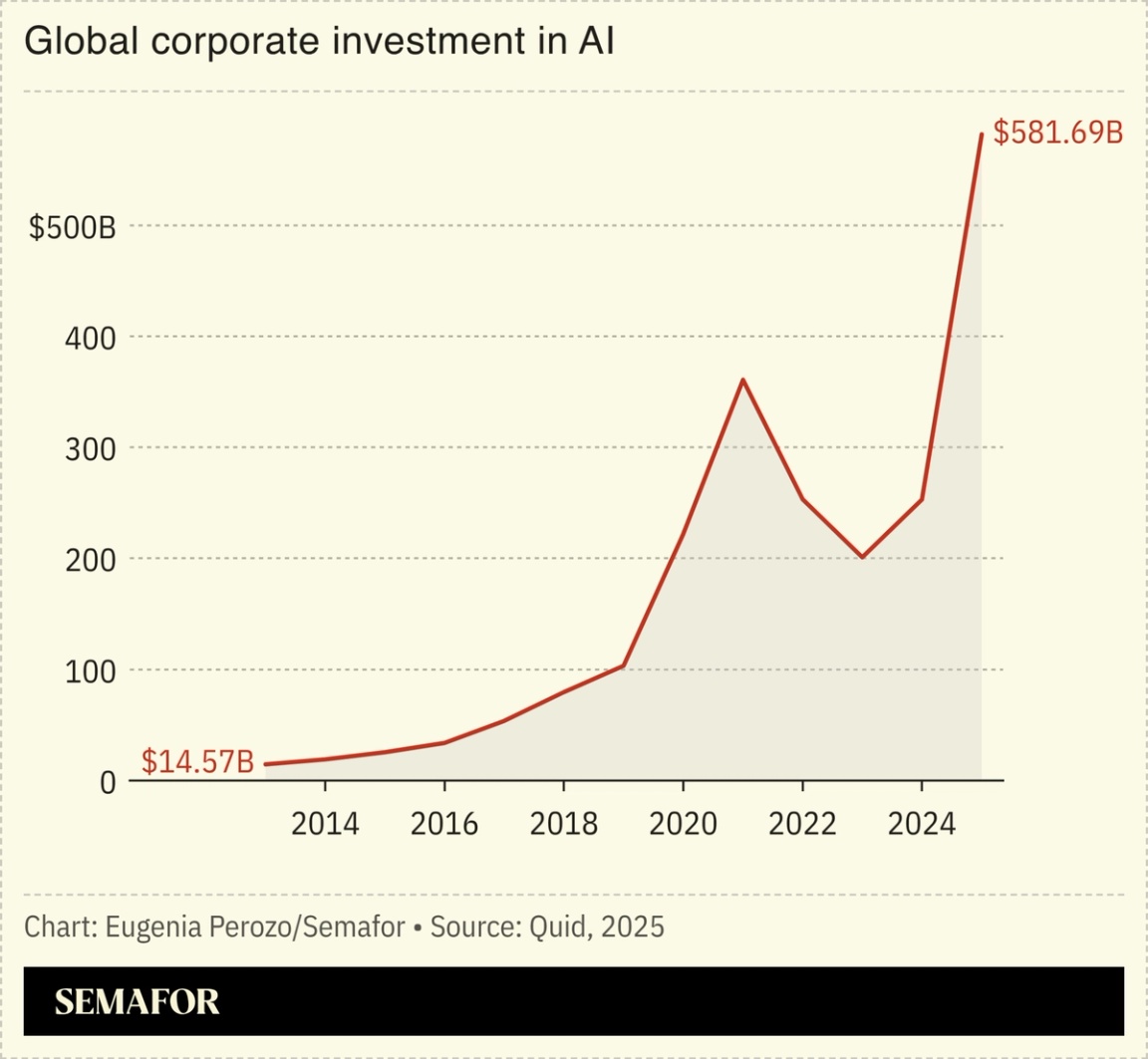 The AI investment boom will offset the economic impact of higher energy prices, the International Monetary Fund said, as the Washington-based lender raised its forecast for global economic growth in 2026. But the rate, at 3.1%, still represents a slowdown from the previous year, and the IMF also raised its forecast for inflation thanks to the slow recovery of oil exports from the Gulf. “The global economy has been resilient,” an IMF economist warned, “but that resilience is reaching its limits.” Despite the improved global growth trajectory, the IMF cut its 2026 forecasts across the Gulf and now expects the Middle East and North Africa to be the only region in the world to shrink this year. Emerging economies, meanwhile, will use the Bangkok summit to argue for greater support from the IMF and World Bank, following a UN report warning that energy inflation “could leave millions more in poverty.” |
|
El Niño strengthens hurricanes |
 Christian Ruano/Reuters Christian Ruano/ReutersPowerful hurricanes killed several people and left thousands without power in the US and Mexico, as experts warned that this year’s supercharged El Niño risked making storms longer and more destructive. The climate phenomenon, which originates in the Pacific and leads to warmer global temperatures, has upended weather across the world, fueling extraordinary storms in the Americas. “It’s been berserk,” an expert told the Associated Press. Elsewhere, however, this year’s record El Niño has been welcome news: Forecasts for a warmer-than-usual winter have eased pressures on European and Asian economies — including some of the world’s biggest LNG importers — that would have otherwise faced soaring winter energy bills as fuel prices continue to climb as global conflict expands. |
|
Dangote caught in Kenya’s politics |
 Monicah Mwangi/Reuters Monicah Mwangi/ReutersThe $16 billion project to build Aliko Dangote’s refinery on the Kenyan coast is at the center of a high-stakes political battle ahead of elections in 10 months. President William Ruto is staking his bid for a second term on a series of major infrastructure developments. He has argued that the refinery could raise Kenya’s annual gross domestic product by 12%. Additional expected benefits include 500 megawatts added to the national grid and thousands of new jobs. But mounting litigation, some initiated by his political rivals, is threatening to delay its construction, currently scheduled to be completed by 2030. Groups behind the legal action allege that the project is only the latest in a series of “secretive deals” signed by Ruto and his administration. Unanswered questions remain over the impact on the environment, the community living near the refinery, and taxpayers. But the president and his allies have warned that legal hurdles and uncertainty affecting key projects could dampen investor confidence. —Martin K.N Siele |
|
| Silicon Valley & The World |
 Sam Altman, Co-Founder & CEO, OpenAI, has joined Silicon Valley & The World as a Co-Chair, a first-of-its-kind, multi-year initiative connecting the leaders building transformative technologies with the policymakers shaping their deployment. The initiative brings together leaders across technology, business, finance, and public policy to foster dialogue, generate new ideas, and move the conversation beyond debate toward action on the decisions shaping the global AI economy. |
|
 New EnergyFossil FuelsFinancePolitics & |
|
|


