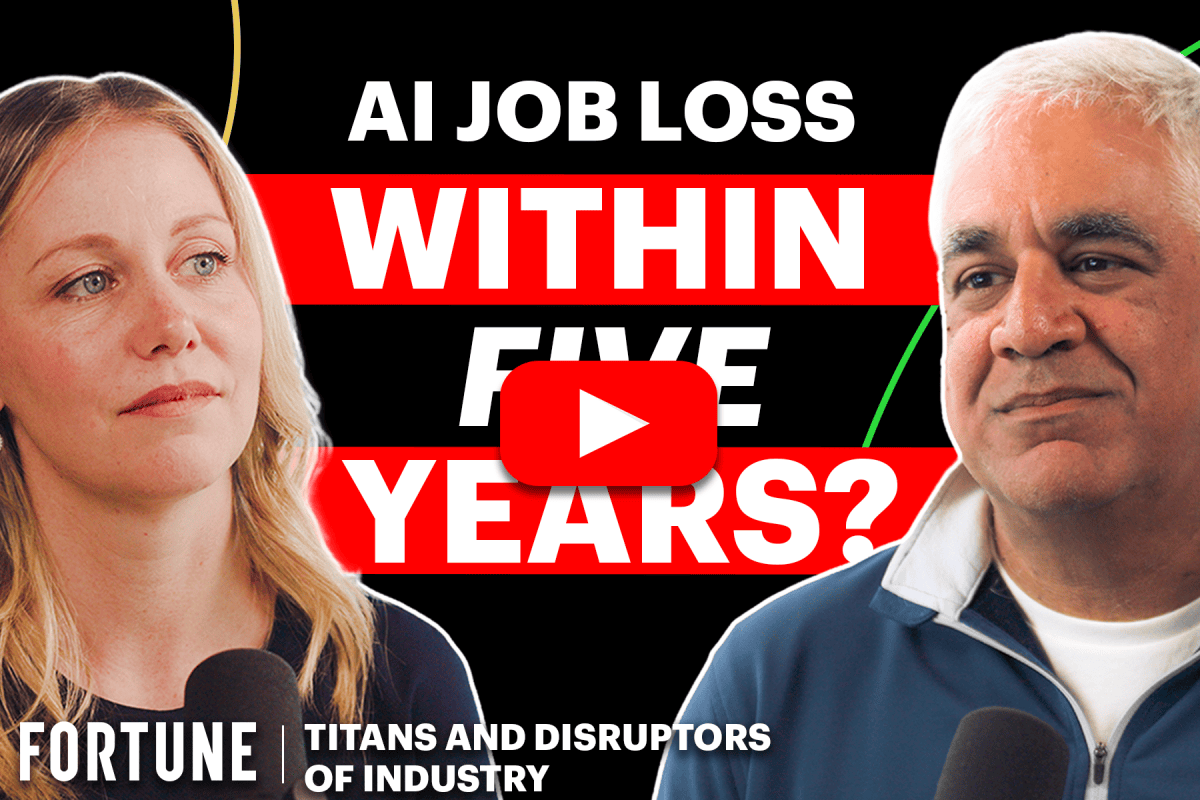
Plus: Workday's CEO predicts AI job displacement and which roles may be safe.
 ͏  ͏  ͏  ͏  ͏  ͏  ͏  ͏  ͏  ͏  ͏  ͏  ͏  ͏  ͏  ͏  ͏  ͏  ͏  ͏  ͏  ͏  ͏  ͏  ͏  ͏  ͏  ͏  ͏  ͏  ͏  ͏  ͏  ͏  ͏  ͏  ͏  ͏  ͏  ͏  ͏  ͏  ͏  ͏  ͏  ͏  ͏  ͏  ͏  ͏  ͏  ͏  ͏  ͏  ͏  ͏  ͏  ͏  ͏  ͏  ͏  ͏  ͏  ͏  ͏  ͏  ͏  ͏  ͏  ͏  ͏  ͏  ͏  ͏  ͏  ͏  ͏  ͏  ͏  ͏  ͏  ͏  ͏  ͏  ͏  ͏  ͏  ͏  ͏  ͏  ͏  ͏  ͏  ͏  ͏  ͏  ͏  ͏  ͏  ͏  ͏  ͏  ͏  ͏  ͏  ͏  ͏  ͏  ͏  ͏  ͏  ͏  ͏  ͏  ͏  ͏  ͏  ͏  ͏  ͏  ͏  ͏  ͏  ͏  ͏  ͏  ͏  ͏  ͏  ͏  ͏  ͏  ͏  ͏  ͏  ͏  ͏  ͏ ­ ­ ­ ­ ­ ­ ­ ­ ­ ­ ­ ­ ­ ­ ­ ­ ­ ­ ­ ­ ­ ­ ­ ­ ­ ­ ­ ­ ­ ­ ­ ­ ­ ­ ­ ­ ­ ­ ­ ­ ­ ­ ­ ­ ­ ­ ­ ­ ­ ­ ­ ­ ­ ­ ­ ­ ­ ­ ­ ­ ­ ­ ­ ­ ­ ­ ­ ­ ­ ­ ­ ­ ­ ­ ­ ­ ­ ­ ­ ­ ­ ­ ­ ­ ­ ­ ­ ­ ­ ­ ­ ­ ­ ­ ­ ­ ­ ­ ­ ­ ­ ­ ­ ­ ­ ­ ­ ­ ­ ­ ­ ­ ­ ­ ­ ­ ­ ­ ­ ­ ­ ­ ­ ­ ­ ­ ­ ­ ­ ­ ­ ­ ­ ­ ­ ­ ­ ­  
Fortune 500 Digest with Alyson Shontell
Saturday, October 17, 2026
Foreword
Alyson Shontell
Editor-in-Chief

The AI buildout is in full swing, and it’s incredibly expensive.

Between Amazon (F500 No. 1), Alphabet (No. 5), Microsoft (No. 11), and Meta (No. 17), over $720 billion of capital expenditures is projected to be spent this year, most of it on AI infrastructure, according to analyst estimates compiled by Bloomberg. Alphabet President and Chief Investment Officer Ruth Porat confirmed to me this week at the Fortune Most Powerful Women Summit that Alphabet intends to spend "significantly more" in 2027.

This year, Alphabet said it expects capital expenditures of $195 billion to $205 billion. That’s more than double the $91.4 billion it spent in 2025. When asked whether spending on the buildout has peaked across the industry, Porat said it is still in its early phases relative to the eventual economic value Alphabet thinks AI can drive. "We do see this as an opportunity that extends for quite some time," she said.

Increasingly, debt is fueling the AI buildout too. Private credit funds such as Blue Owl, Apollo (No. 143), and KKR (No. 156) are a growing source: Outstanding private loans to AI-related companies have climbed to more than $200 billion by some estimates. Often, they’re lending to special purpose vehicles and smaller "neocloud" operators rather than to deep-pocketed Big Tech players. Even Alphabet posted negative free cash flow in Q2 for the first time since its 2004 IPO to help fund AI. Its long-term debt was about $98 billion at the end of June, up more than four times the year prior.

Alphabet can afford such costly long-term AI bets—and arguably the bigger risk for it would be not making them. But many less well-capitalized players are vulnerable, and recent shifts may be making them more so.

One of the biggest: Open-weight models, particularly from China, are increasingly taking business and usage from closed models like Anthropic, OpenAI, and Google’s Gemini. New financial figures from Anthropic this week also suggest its growth may have flattened. Read more from me on this topic here, and watch my full conversation with Porat here.

Follow Alyson on X, LinkedIn, TikTok, Instagram, and the Titans and Disruptors vodcast.

Catch Up
Deals & Developments
  • Amazon (No. 1) is in talks to acquire Decart, an AI startup whose software helps developers run AI workloads across different chips, in a deal that could value the company at around $7 billion, the Wall Street Journal reported. Decart was valued at nearly $4 billion in May, and Anthropic explored buying it before deciding not to pursue a deal last month.
  • Penske Automotive Group (No. 144) agreed to be taken private by its two largest shareholders, Penske Corp. and Japan’s Mitsui & Co., in a deal valuing the auto retailer at $16.3 billion, including debt. The buyers, who already own roughly 72% of the company, will pay $212 a share in cash for the stock they don’t already hold. The deal is expected to close in the first quarter of 2027.
  • The European Commission approved the $40 billion acquisition of Kenvue (No. 299) by Kimberly-Clark (No. 225) after the Kleenex and Huggies owner agreed to divest its tampon and other feminine-hygiene brands across the European Economic Area. The concessions came after regulators expressed concerns that the merger would reduce competition in tampon markets in the Czech Republic, Estonia, and Slovakia.
  • Albertsons (No. 57) is suing rival supermarket chain Kroger for up to $9.3 billion in damages over their failed merger, which was blocked on antitrust grounds in 2024. Albertsons says Kroger didn’t do enough to win regulatory approval for their merger; Kroger denies the claim.
Overheard
“AI is not the next thing after cloud. AI is orthogonal. It’s built on top of cloud.”
—Aneel Bhusri, CEO, Workday (No. 430). Read more: Workday CEO Aneel Bhusri’s unfinished business
On earnings calls:
  • UnitedHealth Group (No. 3) beat expectations with $112.69 billion in quarterly revenue, down 0.4% from a year earlier. CFO Wayne DeVeydt said efforts to pivot patients toward preventive care and lower-cost treatment settings are helping control medical costs, but those costs remain elevated.
  • Bank earnings were mixed. High stock-trading revenue powered Goldman Sachs Group (No. 36) and Morgan Stanley (No. 39), while JPMorgan Chase (No. 12) posted its first profit miss in nearly three years and Bank of America (No. 20) also