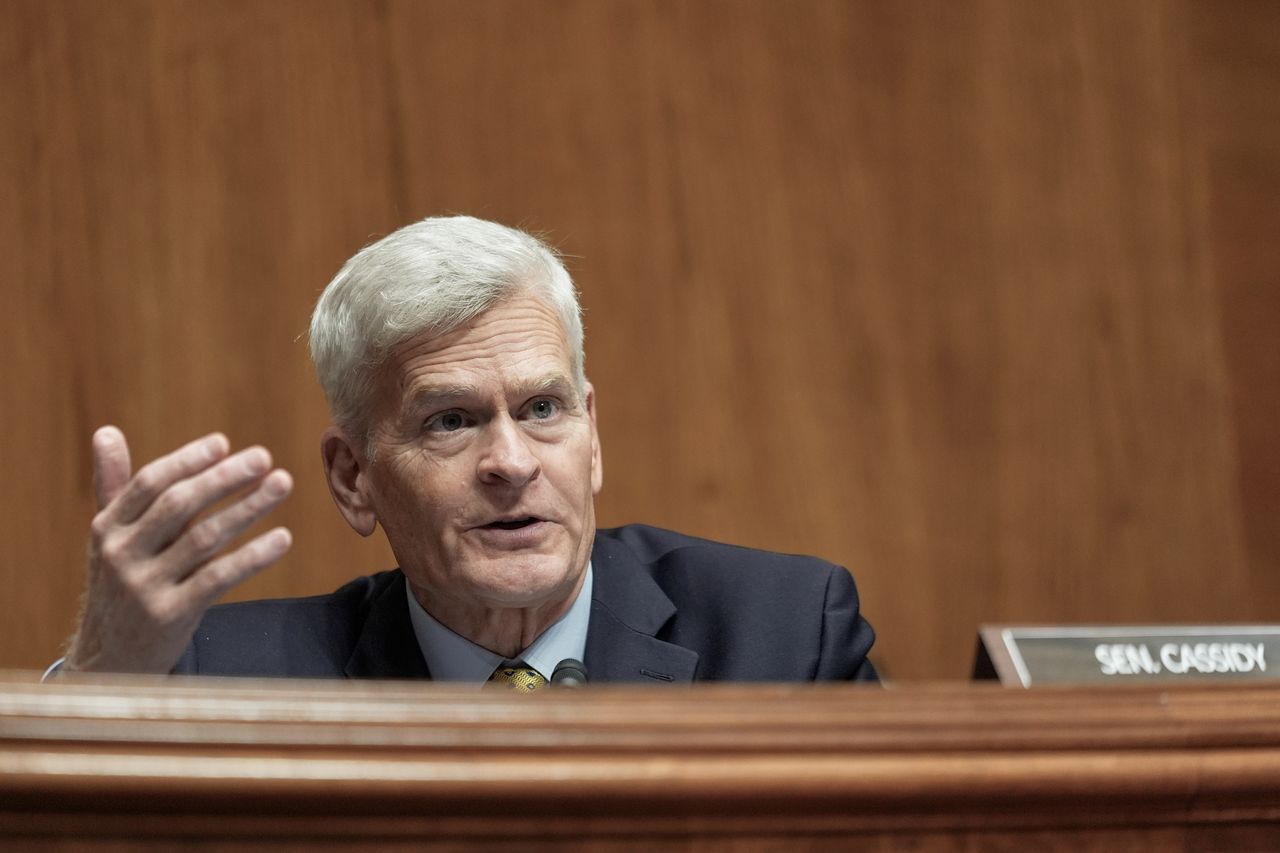
| |  | The Lead Brief | — Authored with WP Intelligence lead health analyst Rebecca Adams. The Senate’s health panel is set to dive into the debate over the safety of mifepristone, the primary drug used in medication abortions, on Wednesday. The hearing comes against the backdrop of a larger discussion among regulators and medical experts regarding safety of the drug — which regulators and top medical organizations consider safe and effective — and legal challenges from antiabortion advocates about its distribution by mail. Other lawsuits aim to expand access, arguing that federal restrictions are overly burdensome. Sen. Bill Cassidy (R-Louisiana), a doctor who leads the Senate Health, Education, Labor and Pensions Committee, led a group of GOP senators to press the Food and Drug Administration about the agency’s approval of another generic version of the medication in October, saying the FDA hadn’t done enough to study its potential harms. On Tuesday, Louisiana Attorney General Liz Murrill, one of the witnesses at tomorrow’s hearing, announced an indictment and extradition request for a California doctor she accused of sending abortion pills through the mail in violation of state law. It’s the second case her office is pursuing against an out-of-state doctor offering the pills. “This is not healthcare; it’s drug dealing,” Murrill said in a statement. Why it matters: Abortion access has become a recurring issue in national elections, with Democrats previously able to seize on public opinion following the U.S. Supreme Court decision overturning Roe v. Wade to drive their base’s turnout. During President Donald Trump’s second term, abortion opponents are hoping to further restrict access to the procedure, which could once again thrust the issue into election politics. Following Louisiana’s action against the California doctor, Gov. Jeff Landry, a Republican, took aim at California’s governor, a prominent 2028 Democratic presidential contender, on social media: “I know Gavin Newsom supports abortion in all its forms, but that doesn’t work in Louisiana.” → It’s a fraught landscape, however. Bloomberg News reported last month that the FDA is delaying the release of a report surrounding mifepristone safety data until after the 2026 midterm elections, which the Trump administration strongly denied. THE LOOMING DEBATE Cassidy and antiabortion groups including Susan B. Anthony Pro-Life America argue that the drug can cause serious health complications, and are urging federal regulators to rescind the ability of patients to get it without going to a doctor in person. Cassidy’s office didn’t respond to an inquiry seeking more information on the hearing. “The administration can and must act immediately” to end mail-order access, said Kelsey Pritchard, a spokesperson for SBA Pro-Life America, in an email. Roughly 1 in 4 abortions are provided via telehealth appointments. Meanwhile, Democrats are poised to blame antiabortion politics for the restrictions on the drugs, saying that opponents want to justify further limiting abortion access. The drug is used in nearly two-thirds of all abortions nationwide. Sen. Patty Murray (Washington), a top Democrat on the health panel, plans to say at the hearing that the safety concerns stem from “debunked junk ‘studies,’” noting that major medical groups affirm use of mifepristone, according to an excerpt from her prepared remarks Rebecca obtained. The American College of Obstetricians and Gynecologists (ACOG), which represents OB/GYNs, said mifepristone is “a safe, effective, and integral part of the medical care that our members provide to their patients.” The group said that mifepristone’s prescribing requirements are more strict than 99.5 percent of the 20,000 drugs regulated by the FDA. Critics, including antiabortion advocates, argue that broadening mifepristone access came only after political pressure. However, a study published in the medical journal JAMA on Monday that looked at more than 5,000 internal agency documents from 2011 to 2023 found the FDA’s decisions about the drug “has been shaped by scientific evidence and a cautious regulatory approach led by scientists at the agency.” (One of the researchers on the study, Joshua M. Sharfstein, was a top FDA official from March 2009 to January 2011.) | 

_tstmp_1756933376-1920-1080.png)