Taiwan’s OnePlus CEO pursuit, Microsoft’s AI infrastructure pivot, Nvidia’s China H200 greenlight.
 ͏  ͏  ͏  ͏  ͏  ͏  ͏  ͏  ͏  ͏  ͏  ͏  ͏  ͏  ͏  ͏  ͏  ͏  ͏  ͏  ͏  ͏  ͏  ͏  ͏  ͏  ͏  ͏  ͏  ͏  ͏  ͏  ͏  ͏  ͏  ͏  ͏  ͏  ͏  ͏  ͏  ͏  ͏  ͏  ͏  ͏  ͏  ͏  ͏  ͏  ͏  ͏  ͏  ͏  ͏  ͏  ͏  ͏  ͏  ͏  ͏  ͏  ͏  ͏  ͏  ͏  ͏  ͏  ͏  ͏  ͏  ͏  ͏  ͏  ͏  ͏  ͏  ͏  ͏  ͏  ͏  ͏  ͏  ͏  ͏  ͏  ͏  ͏  ͏  ͏  ͏  ͏  ͏  ͏  ͏  ͏  ͏  ͏  ͏  ͏  ͏  ͏  ͏  ͏  ͏  ͏  ͏  ͏  ͏  ͏  ͏  ͏  ͏  ͏  ͏  ͏  ͏  ͏  ͏  ͏  ͏  ͏  ͏  ͏  ͏  ͏  ͏  ͏  ͏  ͏  ͏  ͏  ͏  ͏  ͏  ͏  ͏  ͏ ­ ­ ­ ­ ­ ­ ­ ­ ­ ­ ­ ­ ­ ­ ­ ­ ­ ­ ­ ­ ­ ­ ­ ­ ­ ­ ­ ­ ­ ­ ­ ­ ­ ­ ­ ­ ­ ­ ­ ­ ­ ­ ­ ­ ­ ­ ­ ­ ­ ­ ­ ­ ­ ­ ­ ­ ­ ­ ­ ­ ­ ­ ­ ­ ­ ­ ­ ­ ­ ­ ­ ­ ­ ­ ­ ­ ­ ­ ­ ­ ­ ­ ­ ­ ­ ­ ­ ­ ­ ­ ­ ­ ­ ­ ­ ­ ­ ­ ­ ­ ­ ­ ­ ­ ­ ­ ­ ­ ­ ­ ­ ­ ­ ­ ­ ­ ­ ­ ­ ­ ­ ­ ­ ­ ­ ­ ­ ­ ­ ­ ­ ­ ­ ­ ­ ­ ­ ­  
Wednesday, January 14, 2026
Taiwan issues arrest warrant for OnePlus CEO


Good morning. The going maxim about the current U.S. presidential administration, at least as it pertains to business matters, has been that the only certainty is uncertainty. 

A year in, we’re starting to see how true that is. Amazon is reportedly seeking supplier discounts upwards of 30% as it tries to unwind arrangements made to soften the blow of Trump’s first tariffs. 

It’s a move meant to front-run a Supreme Court ruling on the tariffs’ legality—and an acknowledgment that the tariffs have proven to be more bark than economic bite. 

Never say never, though. Today’s tech news below. —Andrew Nusca

Want to send thoughts or suggestions to Fortune Tech? Drop a line here.

Taiwan issues arrest warrant for OnePlus CEO

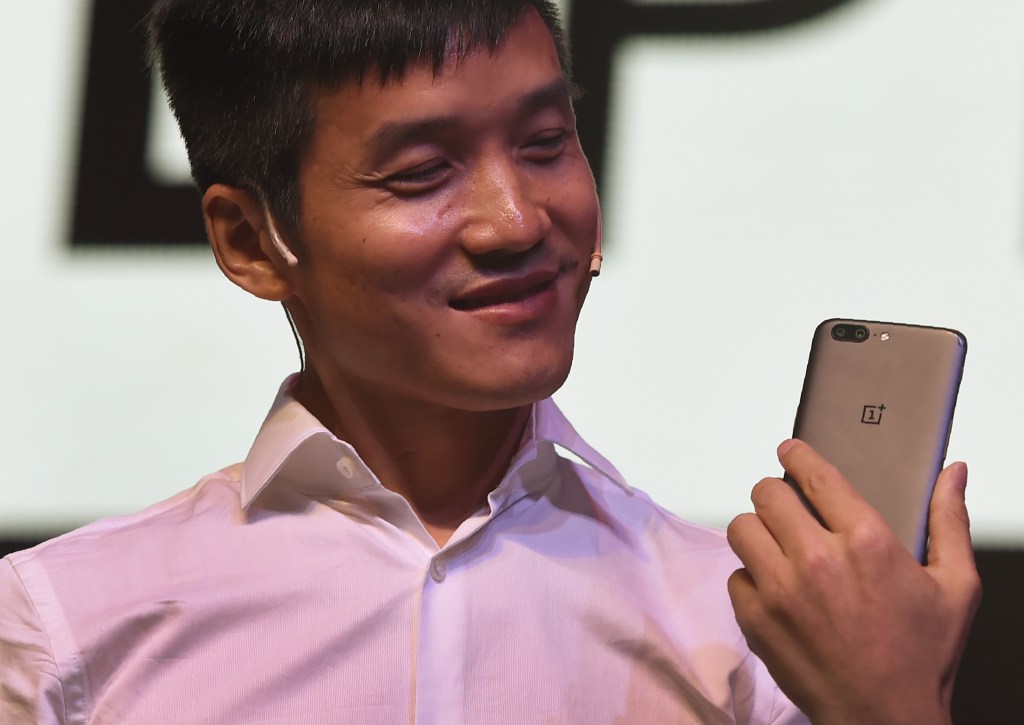
OnePlus CEO Pete Lau in Mumbai on June 22, 2017. (Photo: Punit Paranjpe/AFP/Getty Images)OnePlus CEO Pete Lau in Mumbai on June 22, 2017. Punit Paranjpe/AFP/Getty Images

Prosecutors in Taiwan have issued an arrest warrant for Pete Lau, the chief executive officer of the Chinese smartphone company OnePlus. 

The move is part of a broader effort to block Chinese tech companies from recruiting Taiwanese tech talent. (It’s illegal in Taiwan for Chinese companies to open or hire locally without government approval.)

It’s also yet another escalation in perpetually heated relations between Taiwan and China.

Oppo-owned OnePlus, which makes smartphones that run on a custom version of Google’s Android operating system, is accused of illegally recruiting more than 70 engineers in Taiwan. 

In a statement, the company said that its business operations remain unaffected.

It’s a matter of national security for the autonomous island. Last year, Taiwanese officials investigated the recruiting practices of 11 Chinese tech companies, among them SMIC, which allegedly set up shop by posing as a Samoan organization. 

Taiwan’s investigative bureau said last year that it had opened more than 100 such illegal hiring probes into Chinese companies since 2020. —AN

Microsoft pivots on AI data center approach

People were already tired of rising energy and water costs. 

Then the AI revolution took hold.

Responding to growing concerns about how the AI infrastructure buildout would affect communities across the U.S., Microsoft on Tuesday said it would commit to being a “good neighbor in the communities where we build, own, and operate our datacenters.”

The company said it pledges to reduce the water consumption of its AI infrastructure, replenish more water than it uses, act with greater local transparency, and advocate for public policies that support “sustainable growth.”

Microsoft also said it would not ask for local property tax breaks.

It’s “a commitment to do this work differently than some others and to do it responsibly,” the tech giant said as it worked to shake a Trump-sized target on its back.

The pressure is now on Microsoft’s peers—Amazon, Google, Meta, OpenAI, etc.—to adopt a similar stance. 

The clock is ticking. The biggest Big Tech firms have promised to invest eye-watering amounts in capital expenditures related to AI this year, even more than 2025. Meanwhile residential energy prices near data centers continue to outpace the national average. —AN

U.S. greenlights Nvidia H200 exports to China

The Trump administration on Tuesday gave the official OK for Nvidia to resume selling its second-most-powerful AI chips to China.

A condition of the regulation is for Nvidia’s H200 AI chips to be reviewed by a third-party testing lab to confirm their capabilities before shipment to China. 

China is currently limited to receiving no more than 50% of the total amount of chips sold to U.S. customers—meaning Nvidia needs to move enough units in the U.S. to enable Chinese sales.

Chinese customers must still demonstrate that the chips will be used for nonmilitary purposes. 

Meanwhile, Nvidia must pay the U.S. government a 25% fee for allowing the chips’ sale.

The arrangement continues to divide the industry. China hawks believe the availability of Nvidia AI chips, even if they’re not the flagship model, will only help China compete. 

The administration meanwhile argues that supplying Chinese companies with American chips will discourage them from relying on local suppliers—nevermind China’s own restrictions on U.S. silicon. —AN