Dear Educator, In a world where short-form videos rule, don't run away from the trend, lean in! Because who wouldn't love being told to watch YouTube for homework?
Share these four videos that feature leading minds from the Council on Foreign Relations as they answer fundamental questions about global affairs: Below you will find additional resources to accompany these videos and help integrate them into your classroom. Happy learning, Caroline Netchvolodoff
Vice President, Education
Council on Foreign Relations |
|
|
New Blog! The Background Students Need to Think Critically About U.S.-Iran Relations
|
By grounding your students in history and foundational foreign policy concepts, you can give them the context they need to form their own opinions about the evolving situation in Iran. |
|
|
Global Questions, Expert Answers |
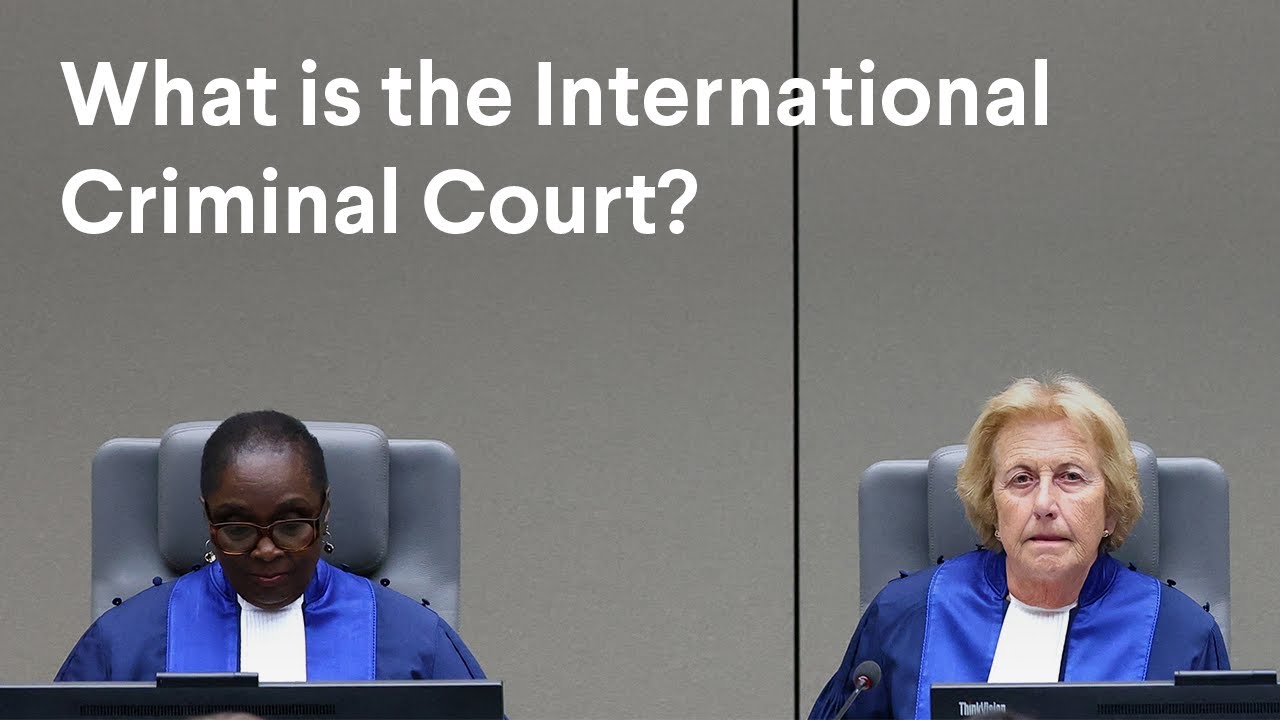
The ICC was created in the wake of two tribunals in the 1990s that ruled that genocide had occurred and therefore proved that prosecuting genocide was possible despite the world not having a permanent institution to address those types of crimes. |
In this video, David J. Scheffer, senior fellow at the Council on Foreign Relations, explains the Rome Statute and origins of the court, how the International Criminal Court (ICC) operates, and the challenges it faces ahead. |
|
|
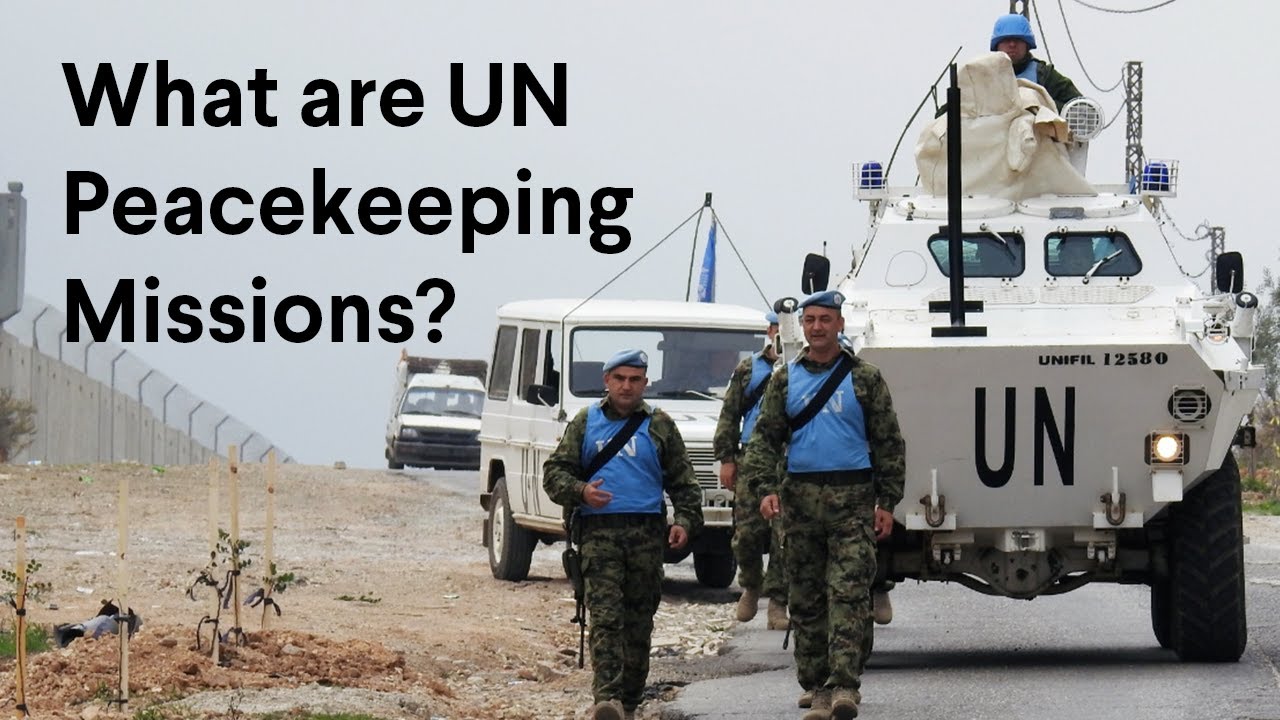
The world lacks a global police force capable of stopping violence in its tracks. However, it does have UN peacekeepers, who can help wind down conflicts and prevent them from recurring. In this video, Paul B. Stares, the General John W. Vessey senior fellow for conflict prevention and director of the Center for Preventive Action at the Council on Foreign Relations, explains how UN Peacekeeping missions operate and explores the tough challenges they face. |
After reading the article and watching the video, put your students' knowledge into action with this companion simulation. |
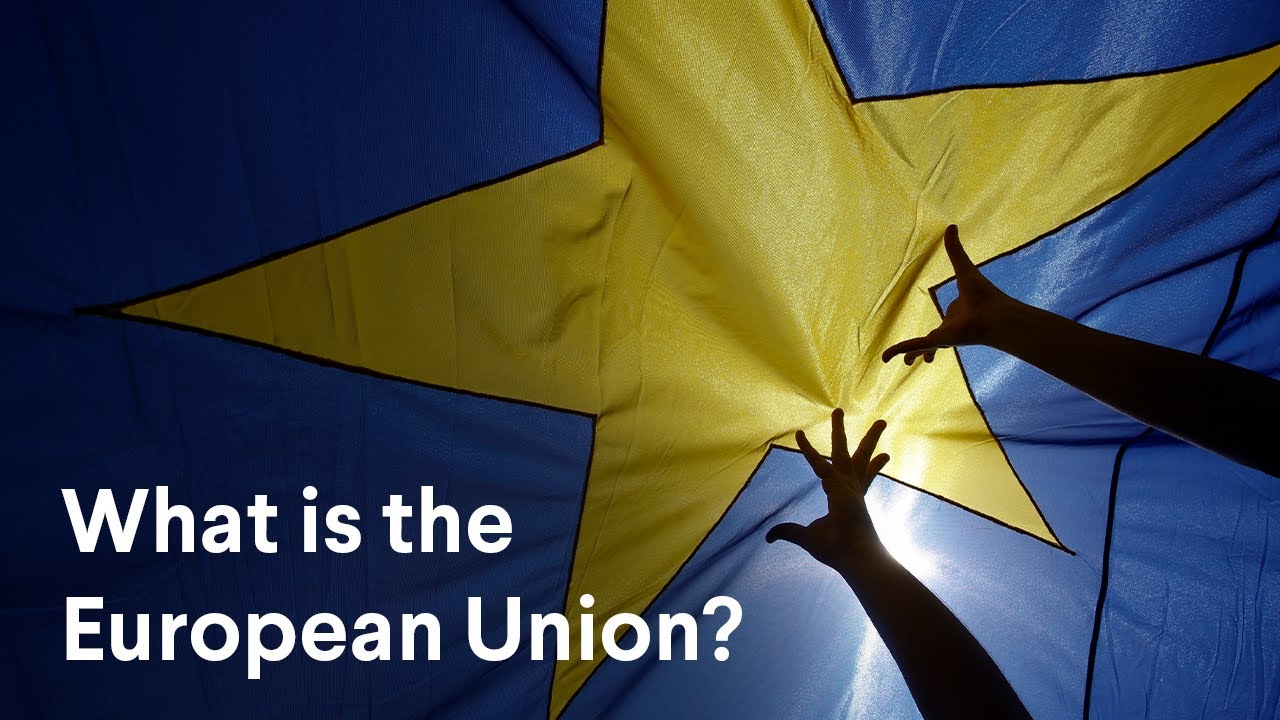
The European Union (EU) is a collection of European countries that have pooled their sovereignty in an effort to balance national and collective interests.
In this video, Liana Fix, senior fellow for Europe at the Council on Foreign Relations, details the history of the EU and explains the political, economic, and security challenges it faces moving forward. |
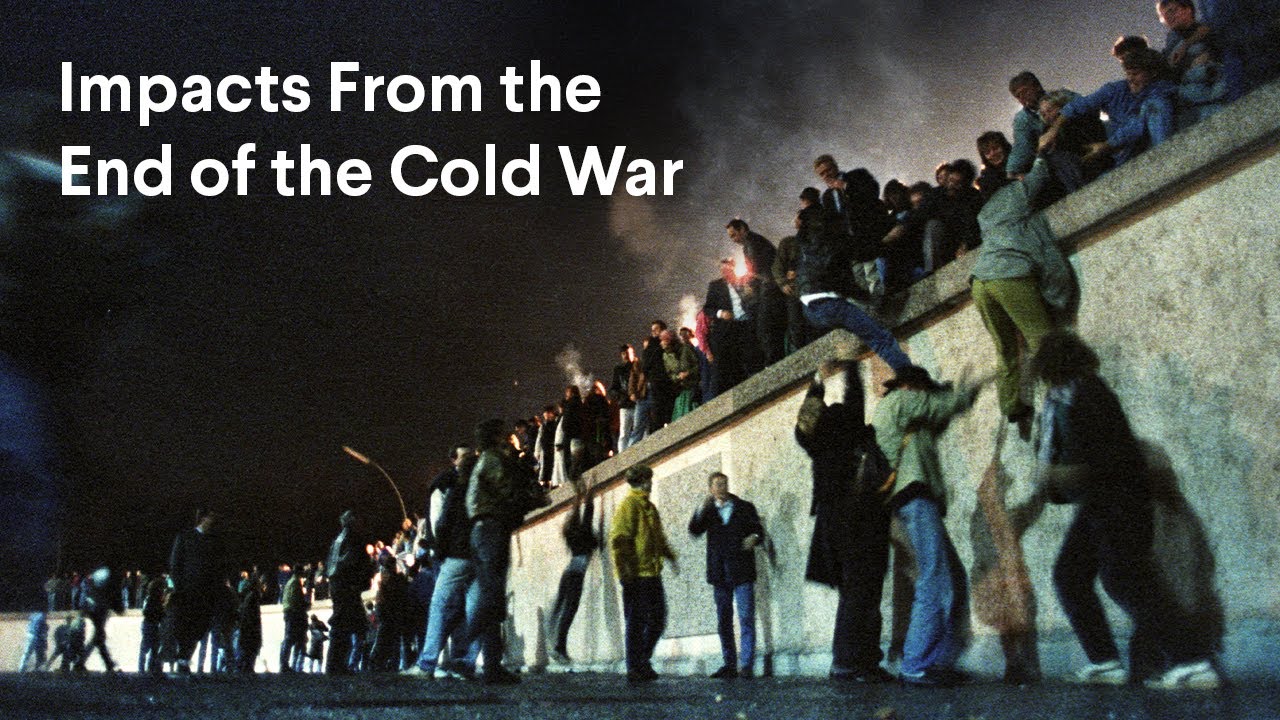
Despite the Cold War never heating up to the point of direct conflict, the decades-long war had long-lasting consequences for countries on both sides of the ideological fight.
In this video, Liana Fix, senior fellow for Europe at the Council on Foreign Relations, explains how the end of the Cold War reshaped countries across Europe and Eurasia—and how the hopes of a more peaceful, cooperative world have both advanced and fallen short since 1991. | |
|
Foreign Affairs is pleased to ask you to share with your students the Winter 2026 edition of the Virtual Graduate School Fair. Your students can join representatives from top programs in international studies, public policy, and diplomacy on February 4, 11 a.m. to 2 p.m. ET, from the comfort and convenience of their personal devices. At this event, they'll be able to explore program opportunities and connect directly with admissions officials through live one-on-one chats.
|
|
|
Council on Foreign Relations. All rights reserved. |
58 East 68th Street – New York, NY 10065 1777 F Street, NW – Washington, DC 20006 |
|
|
|