| | A second fatal shooting by immigration agents spurs anger in the US, China’s top military general is͏ ͏ ͏ ͏ ͏ ͏ |
| |  | Flagship |  |
| |
|
The World Today | 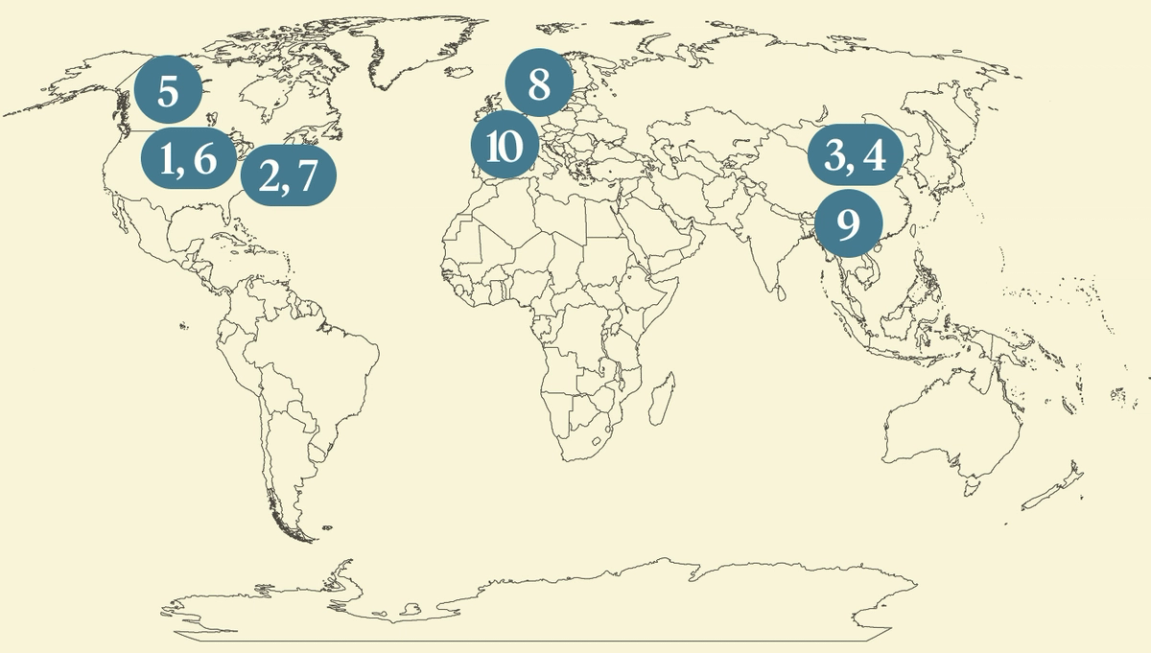 - Minn. shooting sparks outrage
- Trump agenda faces pushback
- Top China general ousted
- Pentagon rethinks China threat
- Canada-US spat widens
- US deepens rare earth push
- Winter storm blasts US
- Ozempic makes planes lighter
- Our four-eyed ancestors
- Y2K style makes comeback
 The world’s oldest known rock art sheds light on the history of human creativity. |
|
Anger erupts after 2nd fatal Minn. shooting |
|
Shooting adds to pressure facing Trump |
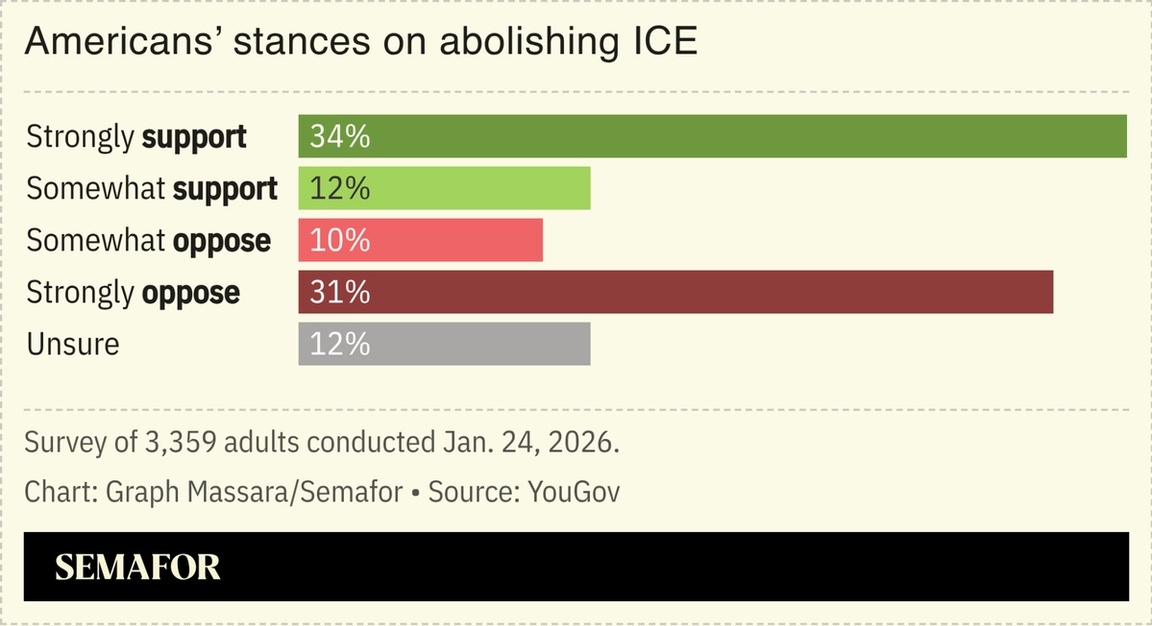 Saturday’s killing by US immigration agents in Minneapolis is set to compound the political pressure on President Donald Trump as his domestic and foreign agendas face sharper opposition, analysts said. The shooting “is a crescendo rather than a singular event,” CNN wrote, and accompanies a broader “change in atmosphere,” The Washington Post wrote, as those in Trump’s crosshairs — from Washington to Brussels — take a firmer approach to his tactics. “There is this new energy when our allies are rattling the saber back, and that is in turn emboldening folks at home,” a Republican strategist said. The global press cast the shooting as a crisis for Trump and the country. “American politics is likely to descend into chaos this year,” a Chinese state outlet wrote. |
|
China’s top general removed |
 Tingshu Wang/Reuters Tingshu Wang/ReutersChina’s top general was ousted after being accused of leaking nuclear secrets to the US, a stunning purge that raises questions about Beijing’s military readiness. Zhang Youxia — who was second in military command only to Chinese leader Xi Jinping and considered one of his closest confidants — allegedly undermined Xi’s authority, official statements suggest, but The Wall Street Journal reported that he was also accused of providing data on China’s nuclear weapons to Washington. Xi has overseen a corruption crackdown, cementing his grip on power, though Zhang’s ouster deals a blow to Beijing’s chain of command that could take years to rebuild, analysts said. “The chances of an attack on Taiwan in the short term have been lowered,” a Taipei-based expert said. |
|
New Pentagon plan deprioritizes China |
 Jessica Koscielniak/Reuters Jessica Koscielniak/ReutersA new US national security strategy deprioritized China as the military’s top threat, shifting focus to the homeland and Western Hemisphere. The Pentagon plan calls for the abandonment of “grandiose strategies” and prioritizes diplomacy with Beijing in an effort to deter the superpower “through strength, not confrontation.” It signals a longer-term goal of reducing Washington’s military role in Europe, East Asia, and the Middle East. But even as the Pentagon strikes a more conciliatory tone toward Beijing, many in President Donald Trump’s inner circle view the “Donroe Doctrine” — Trump’s focus on the Western Hemisphere — as a show of might that weakens China’s geostrategic influence, Nikkei wrote. |
|
Trump warns Canada over China deal |
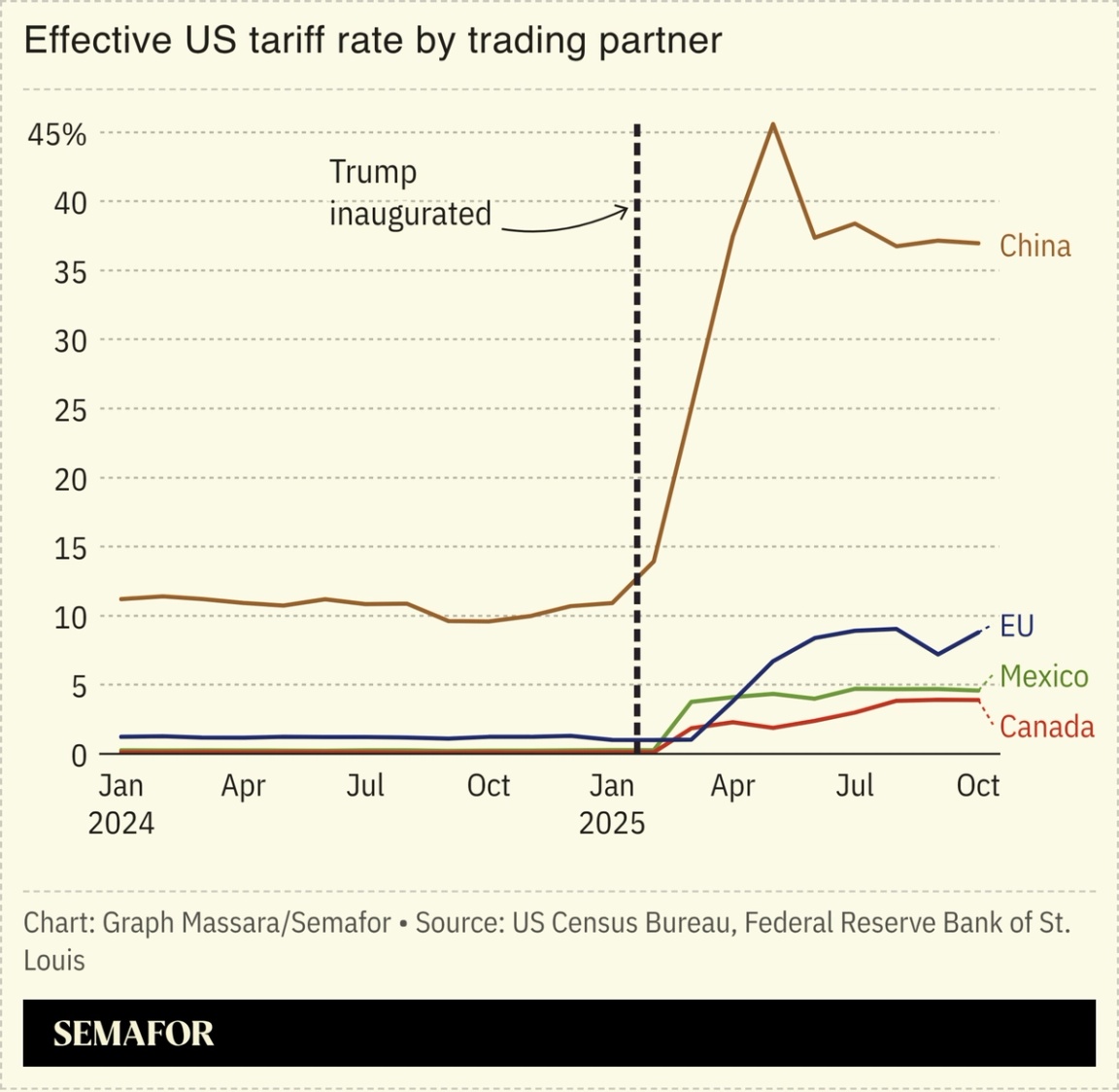 US President Donald Trump on Saturday threatened Canada with 100% tariffs if Ottawa strikes a broad trade deal with China, deepening the spat between the North American neighbors. Canada last week agreed to lower tariffs on Chinese EVs in exchange for Beijing dropping duties on key Canadian agricultural imports — at the time, Trump said it was “a good thing.” But he soured on Mark Carney after the Canadian prime minister gave a speech in Davos declaring that the US-led world order had ruptured. Ottawa should “deploy strategic empathy and political theatre to meet the administration where it’s at,” a geopolitical consultant wrote in The Globe and Mail, calling for a “splashy deal” that addresses Trump’s longstanding but minor grievances. |
|
US to make biggest rare earth investment |
 USA Rare Earth CEO Barbara Humpton. Paul Morigi/Getty Images for Semafor USA Rare Earth CEO Barbara Humpton. Paul Morigi/Getty Images for SemaforThe US government is reportedly pursuing a $1.6 billion investment in an American rare earth company, its largest such foray into the sector, as Washington looks to build up its domestic mineral supply chain. The planned 10% stake in USA Rare Earth, the Financial Times reported, marks the latest intervention by the Trump administration into private industries it deems central to national security: The government has stakes in at least six other minerals companies. USA Rare Earth’s CEO told Semafor last year that she welcomed the administration’s involvement. “We have a very fragile supply chain that relies on the whole country of China,” she said. “Our job now… is to take this off of the geopolitical leverage game board.” |
|
Dangerous winter storm blasts US |
|
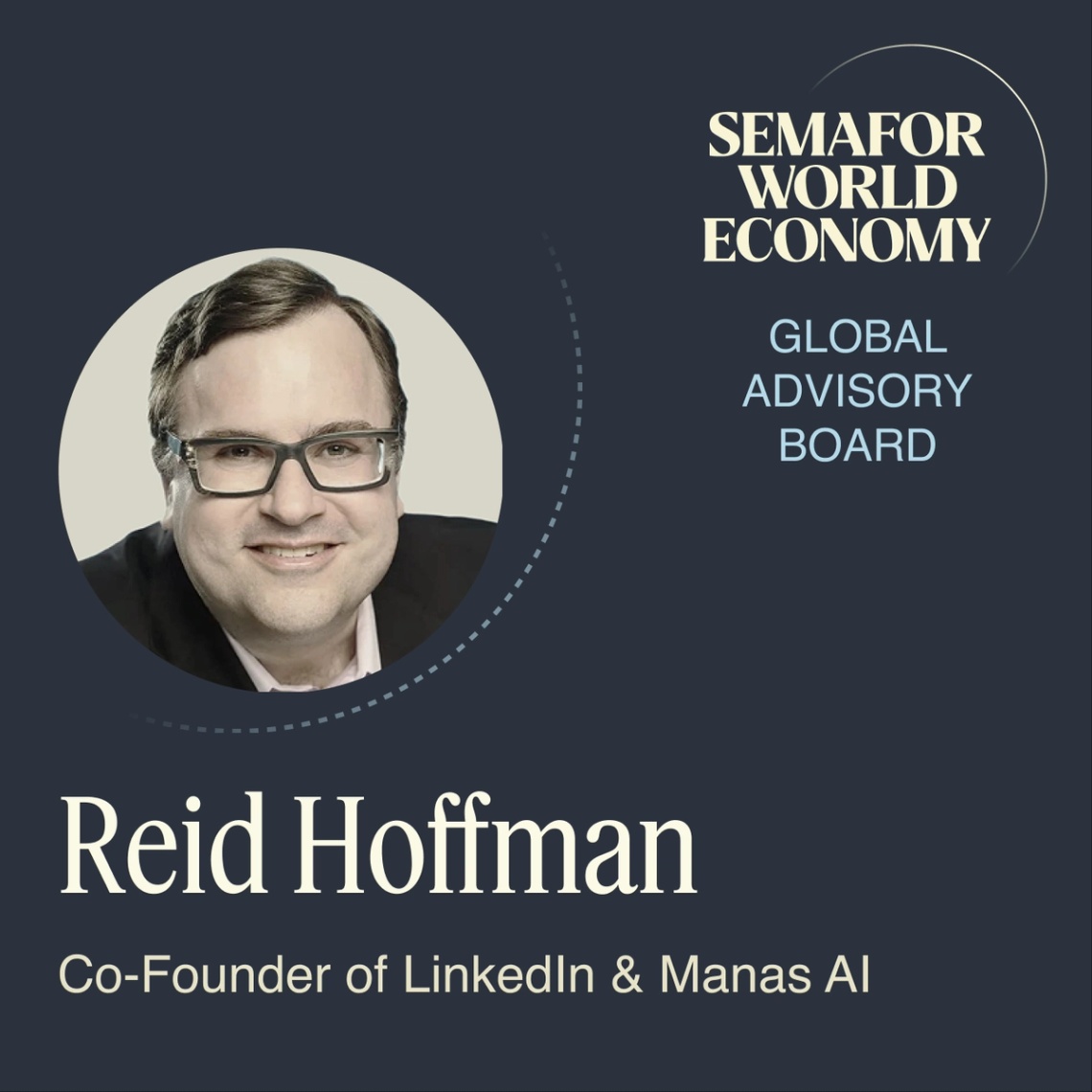 Reid Hoffman, Co-Founder of LinkedIn & Manas AI, is joining the Semafor World Economy Global Advisory Board — a forum of visionary business leaders guiding the largest gathering of global CEOs in the US. The expanded board represents nearly every sector across the US and G20. Joining the Advisory Board at this year’s convening will be our inaugural cohort of Semafor World Economy Principals — an editorially curated community of innovators, policymakers, and changemakers shaping the new world economy with front-row access to Semafor’s world-class journalism, meaningful opportunities for dialogue, and touchpoints designed for connection-building. Applications are now open here. |
|
Ozempic could save airlines millions |
 Hamuda Hassan/Reuters Hamuda Hassan/ReutersWeight-loss drugs such as Ozempic could save airlines millions, research suggested. Lighter aircraft need less fuel — and planes with less fuel are lighter, saving more weight, making every kilogram of payload saved even more important. Airlines are thus “obsessive” about reducing weight, The Washington Post reported: One carrier’s decision to use lighter paper in its in-flight magazine saved it $290,000 a year in fuel. But airlines have been unable to control passengers’ growing waistlines. The recent peak in US obesity, which coincided with the rise of GLP-1 drugs, could change that: If passenger weight dropped 10%, the four largest US carriers could save as much as $580 million per year. |
|
Early vertebrates may have had four eyes |
Our oldest vertebrate ancestors may have had four eyes. The earliest known vertebrates — animals with spinal columns — are jawless fish that lived more than half a billion years ago. Fossils of two species found in southwest China between 2019 and 2024 had partially preserved the animals’ bones and soft tissue — even their eyes. Vertebrate eyes contain pigment structures called melanosomes that determine eye color; the researchers found melanosomes in the usual places, but also in two smaller patches between the eyes. Scientists posit that the extra pair of eyes eventually evolved in mammals into the pineal gland, which regulates our sleep cycle. Some rare reptiles still have a third, light-sensitive organ atop their heads. |
|
Gen Z embraces Y2K fashion |
 Moritz Scholz/Getty Images Moritz Scholz/Getty ImagesGen Z has revived the trends of the 1990s and early 2000s, down to the baggy, low-rise jeans, Ugg slippers, and sweatpants with words written on the backside. The “Y2K aestheti |
|
|


