What matters in U.S. and global markets today

Global news you can trust.

Download the Reuters App.


Morning Bid U.S.

Morning Bid U.S.

A Reuters Open Interest newsletter

What matters in U.S. and global markets today


By Mike Dolan, Editor-at-Large for Finance and Markets 

Markets pushed higher on Tuesday despite a fresh tariff threat from U.S. President Donald Trump, this time against South Korea. Investors appear more focussed on the red-hot tech sector and AI boom as they await a slew of mega-cap earnings this week.

But lingering caution also reared its head as gold and silver held firm on continued global uncertainty, and the dollar remained under pressure amid continued concerns about coordinated intervention to boost the yen.

I’ll get into all that and more below.

But first, check out my latest column on why globalization may well forge ahead without the U.S.

And listen to the latest episode of the Morning Bid daily podcast. Subscribe to hear Reuters journalists discuss the biggest news in markets and finance seven days a week.


Data refreshes every time you open this email. For more U.S. market news, click here. Please send any feedback to morningbid@thomsonreuters.com.


Today's Market Minute

  • South Korea scrambled on Tuesday to assure the U.S. it remained committed to implementing a trade deal after President Donald Trump said he would hike tariffs on its ally, blaming a delay in enacting the pact agreed last year.
  • India and the European Union have finalised a long-pending landmark trade deal, both sides said on Tuesday, as they seek to hedge against fickle ties with the U.S.
  • President Trump and Minnesota Governor Tim Walz struck a conciliatory note after a private phone call on Monday, in a sign the two sides want to defuse a crisis over the Trump-ordered deportation drive that has left two U.S. citizens dead in Minneapolis.
  • European countries have agreed to jointly develop a vast offshore wind network, marking a pivotal step in the region’s push to trim dependence on US natural gas and tackle rising renewable energy costs, writes ROI Energy Columnist Ron Bousso.
  • China’s crude oil surplus has soared in recent months as the country takes advantage of reasonable price levels. ROI Asia Commodities and Energy Columnist Clyde Russell examines whether this robust buying can continue.
 

Results first, worries later

Bourses around the world appeared to shrug off a fresh tariff threat from U.S. President Donald Trump on Tuesday as shares hit new record highs, with mega-caps Microsoft, Meta, and Tesla due to report on Wednesday. 

The S&P 500 ended 0.5% higher on Monday and futures were higher ahead of Tuesday's open, while the Nikkei and even South Korea's KOSPI also rose.

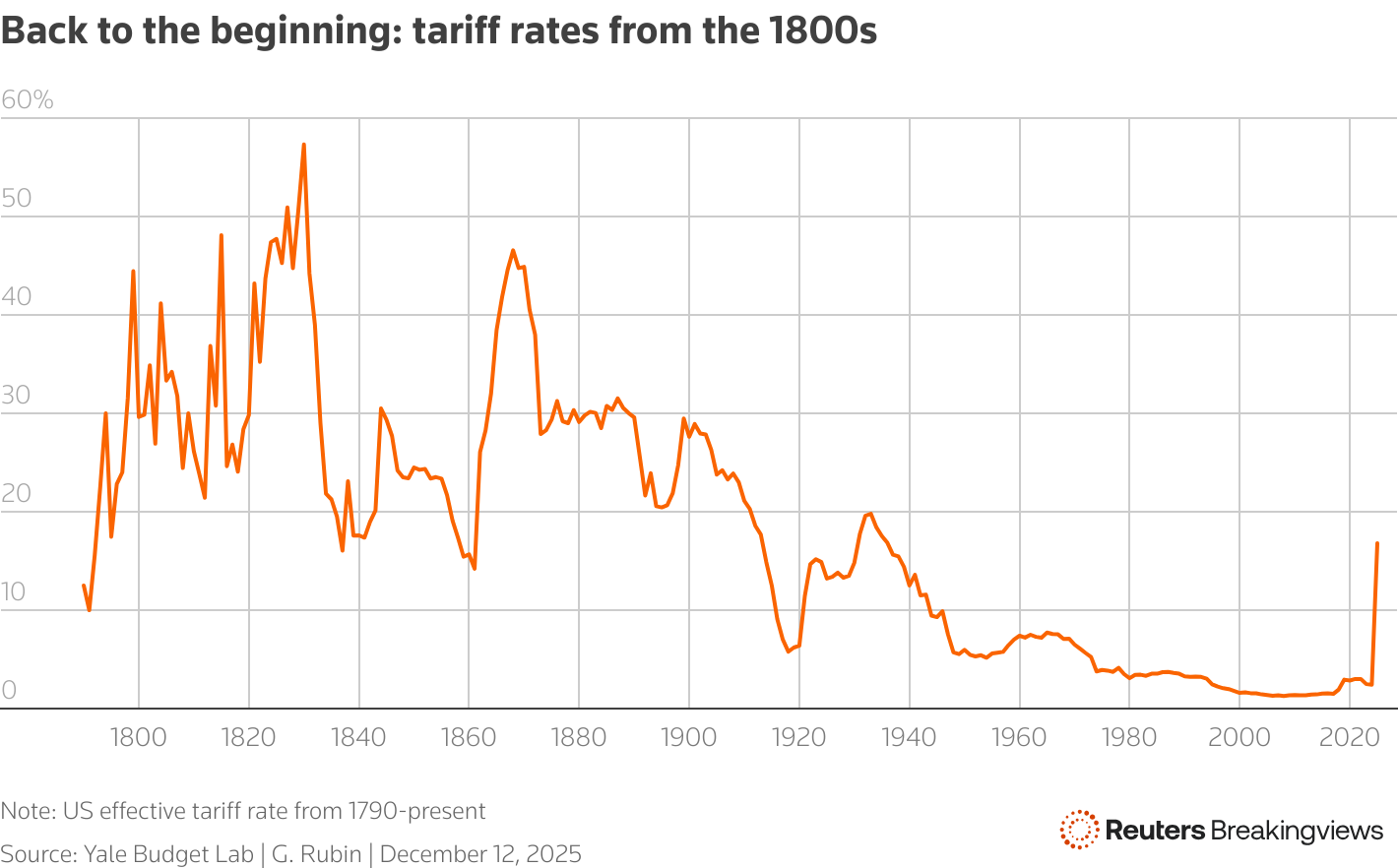
The South Korean exchange’s rise – which took it to a new high – came as the country found itself the latest target of Trump’s hammer-and-nail trade policy. Trump announced on Monday that he would hike tariffs on imported South Korean goods to 25% from 15%. He blamed the move on the South Korean parliament’s apparent failure to quickly implement a pact agreed last year with President Lee Jae Myung to boost investment in U.S. business projects.

While equity investors’ attention was focused elsewhere, the potential for yet more trade disruption helped keep gold and silver elevated on Tuesday morning, while the greenback remained under pressure after a torrid Monday which saw the dollar index’s biggest three-day slide since last April.

The dollar index slipped further after edging higher briefly on Tuesday, while Japan's yen held its best levels of the year on continued speculation about joint U.S.-Japan action to prop it up ahead of next month's Japanese snap election.

Investors are also awaiting the Fed’s next policy decision on Wednesday. While rates are expected to be held steady, further dollar volatility could lie ahead depending on how the central bank responds to threats to its independence and how Trump – who has long called for faster cuts – reacts.

With another heavy week of debt sales in the background, long-term U.S. Treasury yields have subsided this week ahead of the Fed meeting.

In a contrast to the seesawing tariffs of the Trump administration, leaders elsewhere are lifting trade barriers, with India and the EU announcing a long-delayed trade deal to cut duties on most goods – including nearly 97% of EU exports and 99.5% of Indian exports.

The formal signing of the deal, dubbed “the mother of all deals”, will take place after vetting is completed in both India and the EU, but an Indian government official said the deal should be implemented within a year.

Meantime, at home, the Trump administration on Monday appeared to soften its position on the fatal shooting of a second anti-ICE protestor in Minnesota on Saturday, amid a swelling backlash which has seen rebukes from celebrities and even the NRA.

Trump struck a conciliatory note after a private phone call with Minnesota Governor Tim Walz on Monday, while a senior administration official confirmed that Gregory Bovino, a U.S. Border Patrol official who has attracted criticism from Democrats and activists, would be leaving Minnesota soon.

This apparent moderation in the administration’s position comes as Americans’ approval of Trump’s immigration policy fell to its lowest level since his second inauguration, according to a new Reuters/Ipsos poll conducted before and after Saturday's fatal shooting.


World's 'middle powers' de-risking from America

Donald Trump's Greenland tariff threat and U-turn last week may have been a watershed for the world's "middle powers." For them, rebooting globalization - with or without Washington - now looks far more realistic than it did during last year's trade shock.

This year, the U.S. president has shifted from using tariffs mainly to air long‑standing trade grievances to wielding them as tools of territorial and military leverage. And for the first time, that strategy has met firm resistance and credible retaliation, forcing a climbdown.

Equally important, Europe, Canada and other economies are ploughing ahead with trade liberalisation of their own, even as ‌the U.S. retreats into protectionism and an increasingly aggressive trade posture.


Graphics are produced by Reuters.

Read the full column