Thanks for reading The Briefing, our nightly column where we break down the day’s news. If you like what you see, I encourage you to subscribe to our reporting here.
Greetings!
Sundar Pichai, take a bow. Google parent Alphabet delivered some red-hot fourth-quarter numbers on Wednesday, a sign that—like its fellow digital ad giant, Meta Platforms—it is enjoying the fruits of its big investment in AI. Alphabet reported both an acceleration in Google’s search revenue growth to nearly 17%, from 15% in the third quarter, and a 14 percentage point lift in Google Cloud’s revenue growth to 48%. Anyone who suggested during Google’s struggles with AI a couple of years ago that Pichai should step aside—that would be me—looks downright stupid now.
The search growth should put to rest all those worries investors had a year or two ago that AI chatbots would undermine Google’s search business. Instead, AI is helping Google improve the effectiveness of its ads and enabling it to put ads on more-complex search queries than in the past, Chief Business Officer Philipp Schindler told analysts. More striking, though, was Google Cloud’s growth. On the fourth-quarter revenue, the cloud business is on an annual run rate of $71 billion, which is extraordinary for a business that had less than $20 billion in revenue in 2021. (Industry leader Amazon Web Services, by comparison, was on a $132 billion run rate as of the third quarter; we’ll find out on Thursday how it performed in the fourth quarter.) Also notable is that Google achieved this growth while lifting its operating margin to 30%, compared with 23.7% in the third quarter.
A 30% margin is still below its bigger rivals, but Google is finally demonstrating its cloud unit is a real business. There are not too many tech companies that have had success both serving consumers and businesses—Amazon is one of the few—but Google looks like it will be another. (For a deep dive on the benefits Google Cloud got from AI, see this story we published last month.)
Despite these boffo numbers, Google stock fell a percentage point or two in after-hours trading, perhaps a sign that investors right now are a bit sick of AI. The technology’s potential to undermine existing software businesses sparked this week’s big software stock sell-off. Worries about the cost of developing AI also hang over the market. Case in point: Alphabet said it would double capital expenditures to between $175 billion and $185 billion this year so it could build more computing capacity. To put that capex projection into context, its businesses generated $164.7 billion in cash in 2025. Alphabet has already increased its debt, and at this rate, it will have to borrow a lot more over time. (Already it has cut its spending on share buybacks.)
And Alphabet, like other tech companies, also has to pay operating expenses related to AI. Alphabet carves off the costs of its DeepMind AI research unit in a special expense line, which more than doubled in the quarter to $5.9 billion. (The item includes other costs, but Alphabet says it is primarily related to AI costs shared between its businesses.) Alphabet’s workforce has grown back above its peak in early 2023, before it conducted mass layoffs. The number of staff hit 190,820 as of Dec. 31 last year, the company said Wednesday. For more on that point, see this article. Alphabet’s overall picture looks bright at the moment, particularly compared with other companies. But investors right now are jittery.
Claude's Chutzpah
It takes a certain kind of chutzpah to run an ad promising not to run ads. That’s what Anthropic is doing, with plans for this Super Bowl ad touting something it announced today—its intention not to put ads into its Claude chatbot. How noble! And what an obvious way to contrast Claude with rival ChatGPT, whose parent, OpenAI, said last month it would start testing ads in the free and low-cost tiers of ChatGPT. OpenAI CEO Sam Altman responded here. Enough said.
PayPal P.S.
If you want to know how PayPal lost its way, there may be no better summary than this long X post by former PayPal executive David Marcus, posted on Tuesday night in the wake of the CEO shake-up.
Today on The Information’s TITV
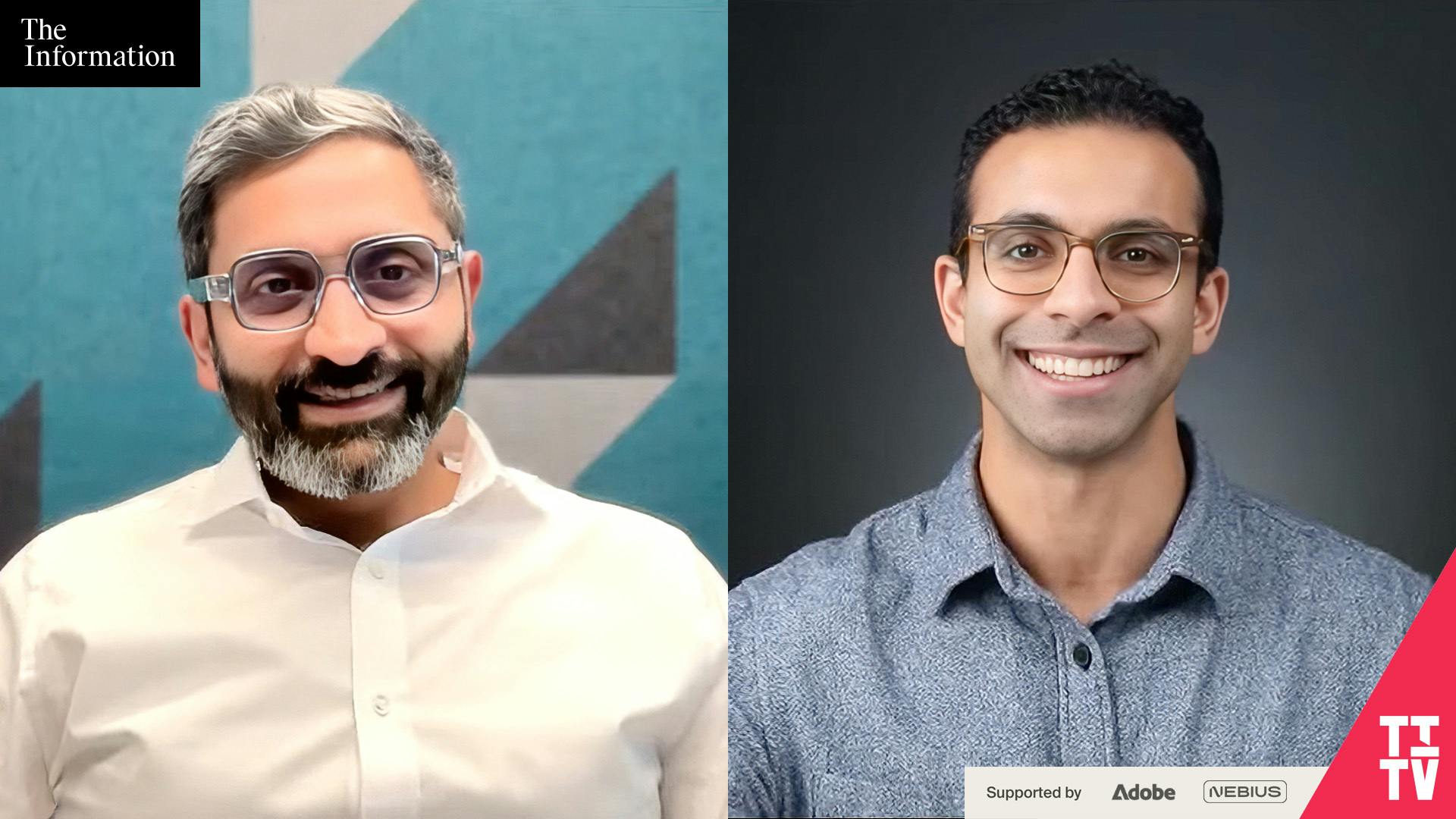
Check out our latest episode of TITV in which we speak exclusively with Uber's incoming CFO about the state of the business.
In Other News
• Microsoft security chief Charlie Bell will be replaced by Hayete Gallot, a former Microsoft executive who most recently served as Google Cloud’s president of customer experience, CEO Satya Nadella said Wednesday. Bell is staying on at Microsoft.
• Uber reported 20% higher revenue for the fourth quarter and a big jump in operating profits as its business showed signs of acceleration, particularly on the food-delivery side. Uber projected a slight slowdown in growth in the first quarter, however.
• AWS CEO Matt Garman said existing technology is “pretty far” from making data centers in space possible, just as Elon Musk has been pitching that very idea as part of the logic for merging SpaceX and xAI (more here).
• The Washington Post is laying off one-third of its newsroom. Executive Editor Matt Murray said in a note to staff shared with reporters that traffic to the Post’s website from organic search had fallen by nearly half in the past three years.
• AI chip startup Cerebras Systems said Wednesday has raised about $1 billion in a new funding round that values the company at $23 billion including the new investment.
• Nvidia’s application to sell the H200 chips to China is still awaiting final approval by the U.S. government, nearly two months after President Donald Trump approved the sale, the Financial Times reported.
Recommended Newsletter
Start your day with Applied AI, the newsletter from The Information that uncovers how leading businesses are leveraging AI to automate tasks across the board. Subscribe now for free to get it delivered straight to your inbox twice a week.
Join The Information for an intimate, two-day experience at Indian Wells, where tech leaders, investors, and innovators come together around a shared love of tennis. Request an invite today.