A newsletter by Reuters and Westlaw |
|
|
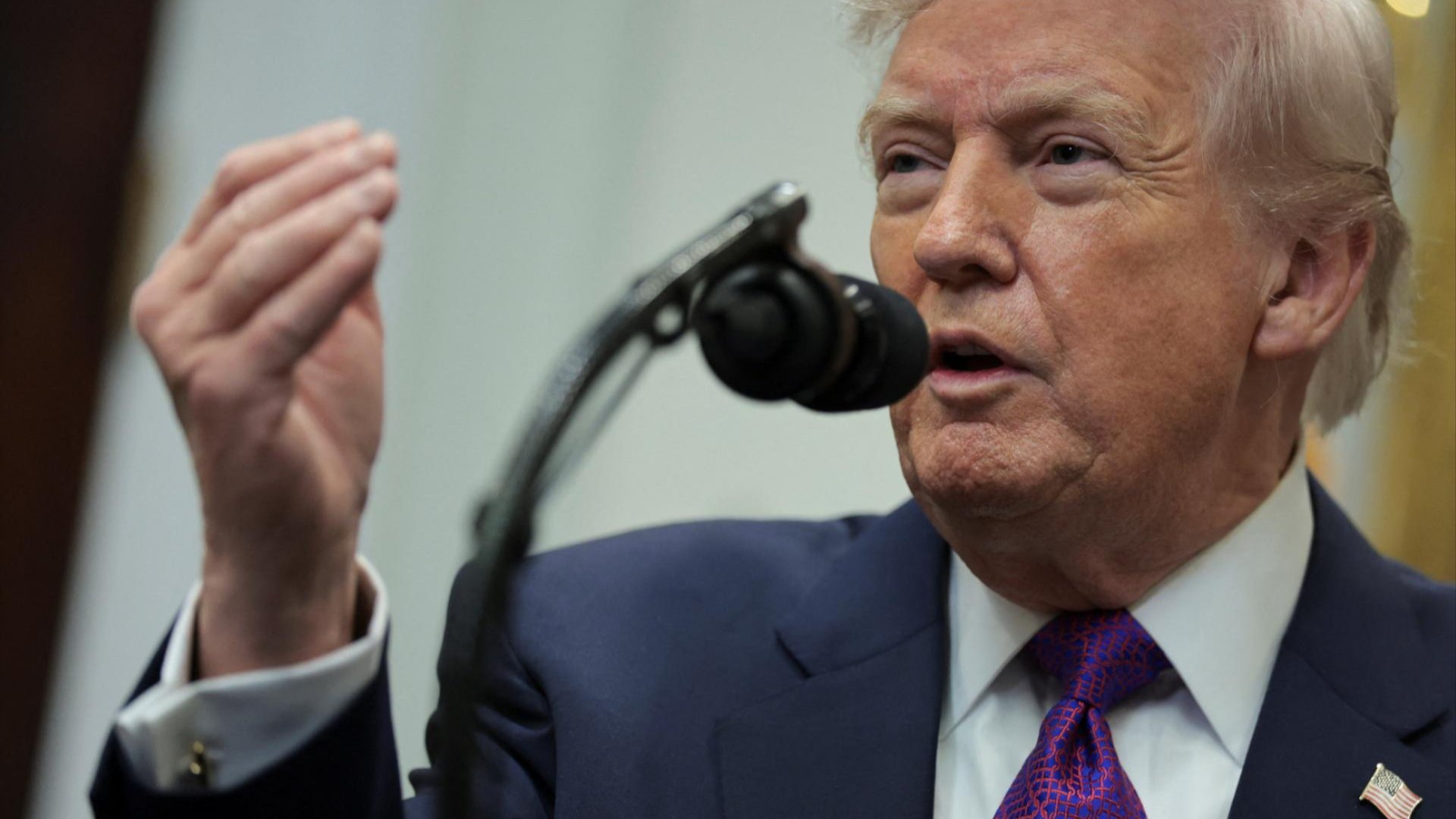
President Trump’s post‑election litigation strategy is prompting legal battles over whether his own immunity arguments should limit his ability to sue critics while in office. Here’s what to know: |
-
Trump has argued in multiple cases that a sitting president should be shielded from civil litigation, claiming temporary immunity from state lawsuits to avoid “distractions” from official duties, even as he continues filing new suits himself.
-
But Trump has filed at least six lawsuits in his personal capacity, targeting media outlets, a pollster, JPMorgan, and the IRS, seeking tens of billions in damages and prompting defendants to argue he cannot claim immunity as both plaintiff and president.
-
Defendants in several cases are now using Trump’s own immunity theory against him, urging courts to pause his lawsuits and warning that allowing them to proceed would create “one‑sided discovery” where Trump can demand documents but refuse to provide his own.
-
Courts so far have largely allowed Trump’s cases to move ahead. Tom Hals has more on the Trump litigation landscape here.
|
|
|
-
Health: Several major medical organizations will ask U.S. District Judge Brian Murphy in Boston to block U.S. Health Secretary Robert F. Kennedy Jr's hand-picked vaccine advisory panel from holding its next meeting this month.
-
Immigration: U.S. District Judge Julia Kobick in Boston will hear a challenge by nearly 200 people to the Trump administration's decision to pause immigration casework for individuals from 39 countries on its travel ban list.
-
Trademark: The estate of rock legend Prince will ask a California federal court to dismiss a trademark lawsuit from actress, singer and former Prince confidante Patty Kotero, better known as Apollonia, over the rights to the "Apollonia" name. According to Kotero's complaint, Prince's estate applied for a federal "Apollonia" trademark for clothing and entertainment services and asked the U.S. Patent and Trademark Office to cancel Kotero's Apollonia trademark.
-
Press freedom: Former CNN news anchor Don Lemon is due in a Minneapolis federal court for a hearing related to charges over his role covering a protest at a Minnesota church against President Trump's immigration crackdown.
-
Employment: U.S. District Judge Indira Twalani in Boston will hold a hearing to discuss a decision by the Trump administration to reverse course on firing nearly every employee at a 1960s-era agency within the DOJ known as "America's peacemaker" that is tasked with quelling racial and ethnic tensions in U.S. communities.
|
Court calendars are subject to last-minute docket changes. |
|
|
-
President Trump announced four new judicial nominees, including a White House lawyer tapped to fill a vacancy on a key court that would be involved in hearing lawsuits by companies seeking refunds if the U.S. Supreme Court rules against the legality of his sweeping global tariffs. Read more about the nominations here.
-
U.S. federal judges may advocate for greater security and defend colleagues against "illegitimate" attacks and criticism that risk undermining judicial independence or the rule of law, according to a new judicial ethics opinion. Read more here.
|
|
|
That's the total number of U.S. legal sector jobs, including lawyers, paralegals, judges and legal assistants, in January — an increase of 5,500 jobs from December and a rise of 8.8% compared with five years ago. Read more in this week's Billable Hours. |
|
|
"To invoke the protections of the First Amendment, the proponent must show that the particular use of the code burdened by a regulation involves the expression or communication of ideas in a way that implicates the First Amendment."
|
—3rd Circuit Judge Cheryl Ann Krause writing for a unanimous panel. The court sided with the state of New Jersey in its crackdown against a gun company over the distribution of computer code for 3D printed guns, saying that not all computer code is included in the U.S. Constitution’s free speech protections. Read the opinion.
|
|
|
|