February 20, 2026

Image

Better health begins with ideas


Editors’ Note

On February 3, President Donald Trump signed the Consolidated Appropriations Act, which includes a $50 billion foreign affairs package. The spending represents a 16% cut from the prior fiscal year but lands nearly $20 billion above the White House’s proposed budget.  


To lead this week’s coverage, Jirair Ratevosian, former chief of staff at the U.S. President's Emergency Plan for AIDS Relief (PEPFAR), examines how the spending will reshape governing structures for global health, rewrite operational authority, and reorient long-term policy decisions for U.S. foreign assistance.  


Next, Seed Global Health CEO Vanessa Kerry dives into the sovereignty versus multilateralism debate taking hold in global health. She writes that the aid funding vacuum left by the United States has triggered a surge of disconnected reform efforts to “put countries in the driver’s seat,” but those efforts could deepen the fragmentation they aim to fix. To overcome global health challenges, she posits that countries need a system where sovereignty sets the agenda and multilateralism enables it. 


Ahmed Ogwell, CEO and president of VillageReach, continues from the other side of the debate. For African countries to gain bargaining power with global health suppliers, donors, and technology partners, Ogwell writes they should implement the Lusaka Agenda. He describes how prioritizing domestically financed health-care systems—ones led by national governments and communities—can create accountability and strengthen regional coordination.  


The newsletter wraps with a response to a TGH article published in January about 10 considerations for global health reform initiatives in 2026. Unitaid’s Executive Director Philippe Duneton warns that by focusing on consolidation, actors overlook how the future global health system will need to ensure equitable distribution of breakthrough medicines and diagnostics. To ensure that all populations receive lifesaving technologies, Duneton encourages countries to adopt a new multilateral platform that prioritizes affordable access.  


Until next week!—Nsikan Akpan, Managing Editor, and Caroline Kantis, Associate Editor 


This Week’s Highlight


GOVERNANCE

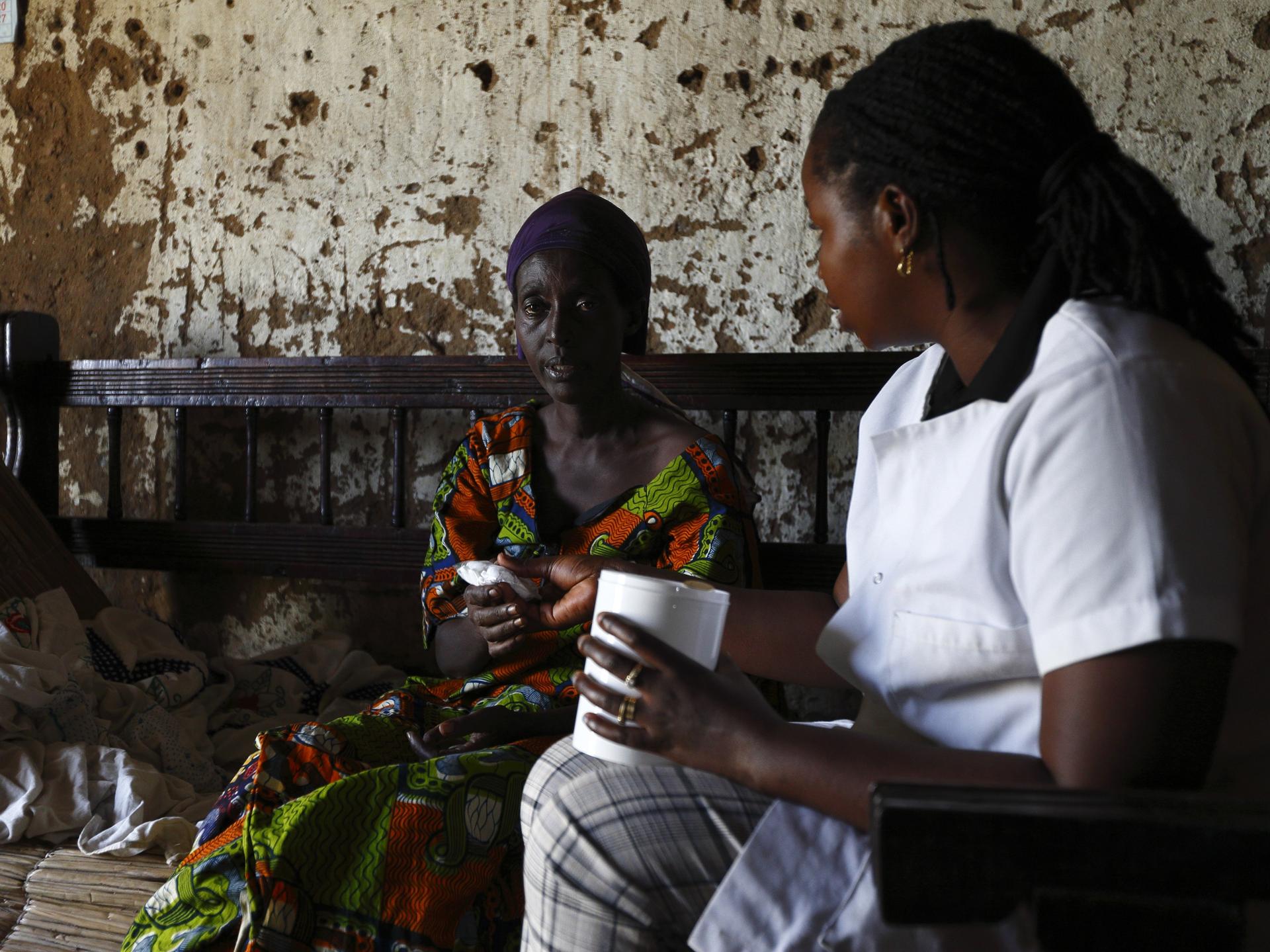
A Service Yezu Mwiza nurse hands medication to an HIV patient, who is also suffering from malaria, at her home, in Gatumba, Burundi, on April 19, 2013.

What $50 Billion for U.S. Foreign Affairs Changes for Global Health 

by Jirair Ratevosian 

PEPFAR’s former chief of staff describes how new legislation marks a turning point for U.S. foreign assistance 


Read this story


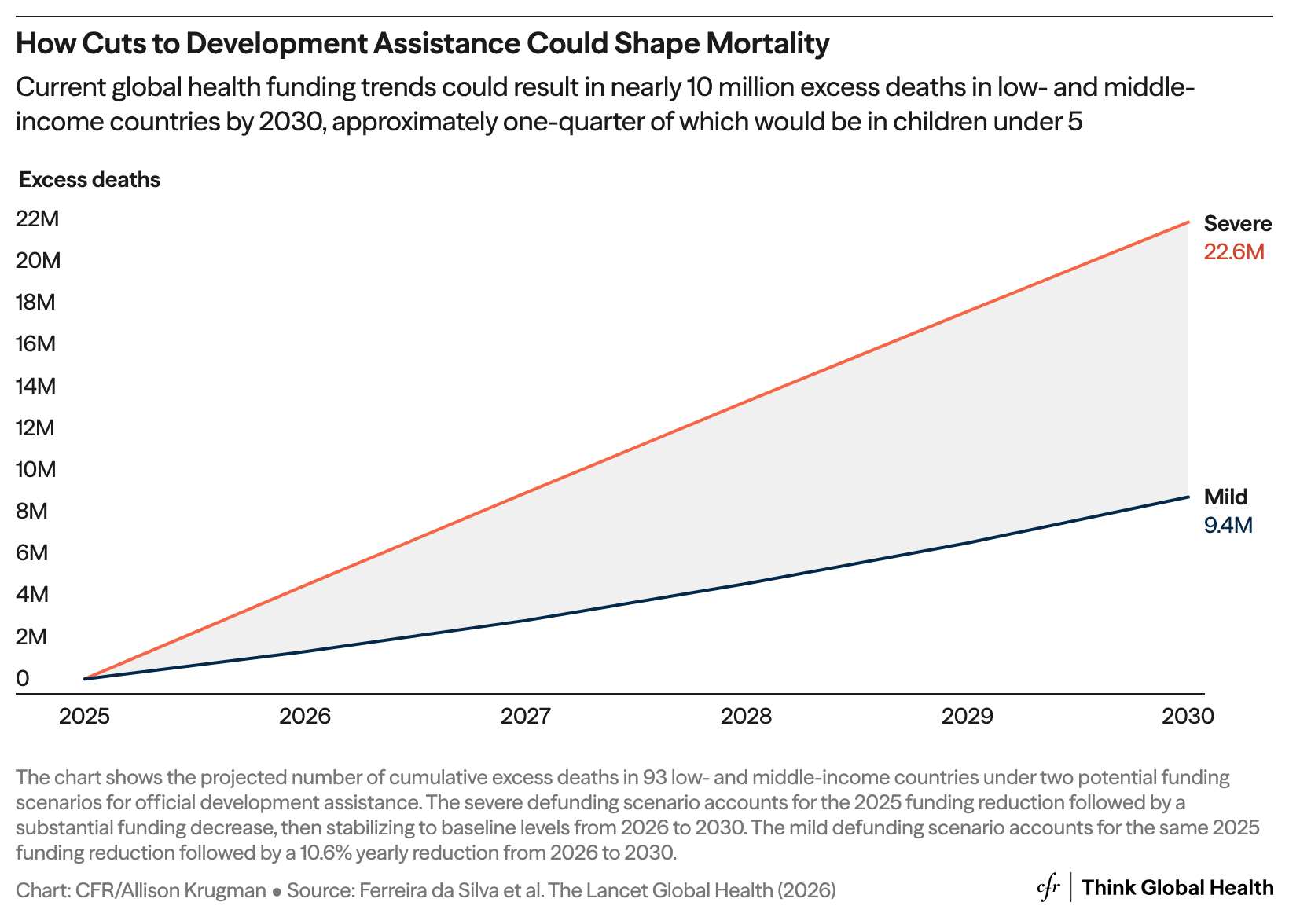
Figure of the Week


A line graph showing how cuts to development assistance will increase mortality rates from 2025-2030

Read this story


Recommended Features


GOVERNANCE

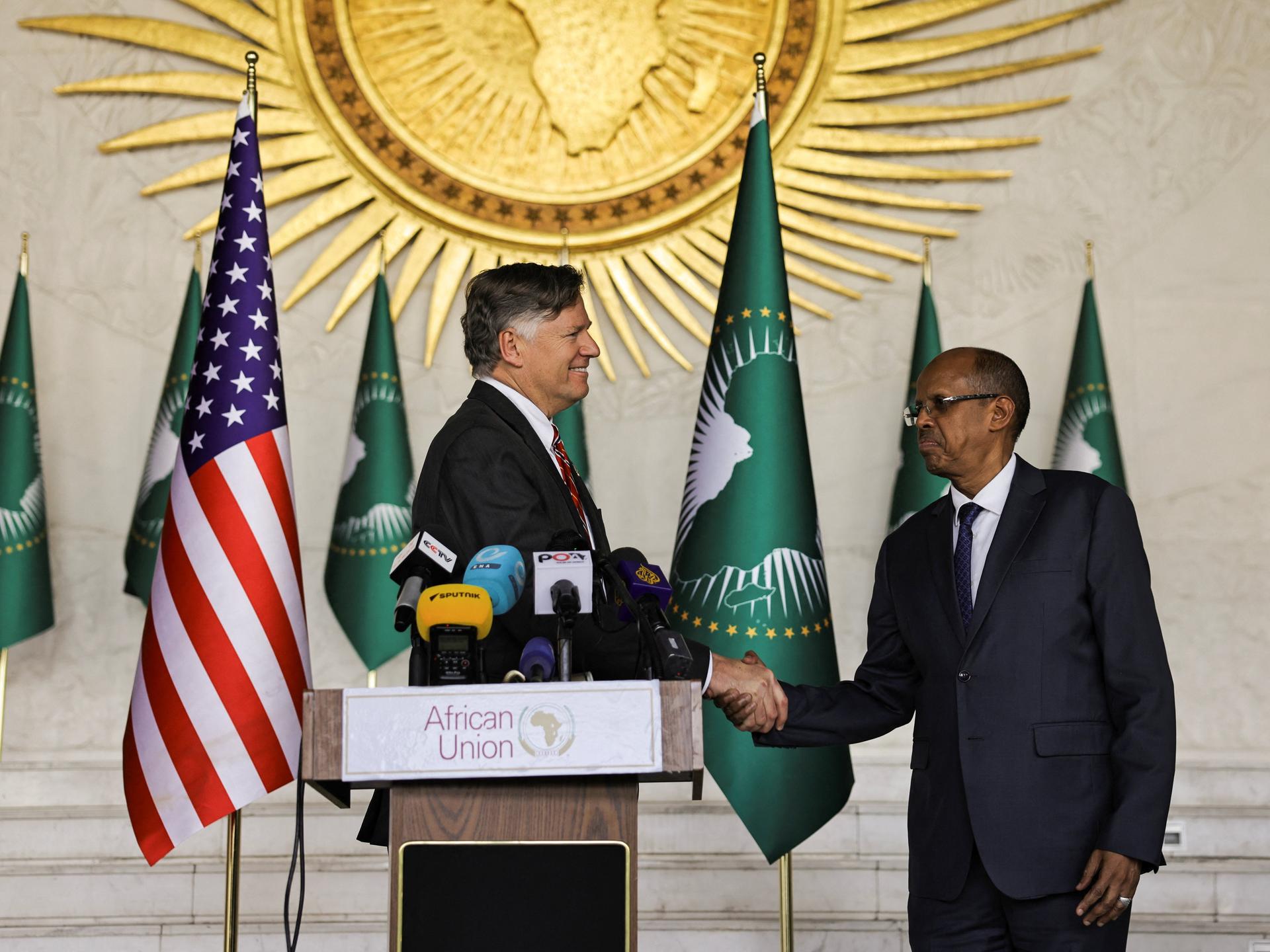
U.S. Deputy Secretary of State Christopher Landau shakes hands with African Union Commission Chair Mahamoud Ali Youssouf, at the African Union headquarters, in Addis Ababa, Ethiopia, on January 28, 2026.

Sovereignty vs. Multilateralism Is the Wrong Debate in Global Health  

by Vanessa Kerry 

Seed Global Health CEO: countries need a global health model where sovereignty sets the agenda and multilateralism enables it 


Read this story


GOVERNANCE

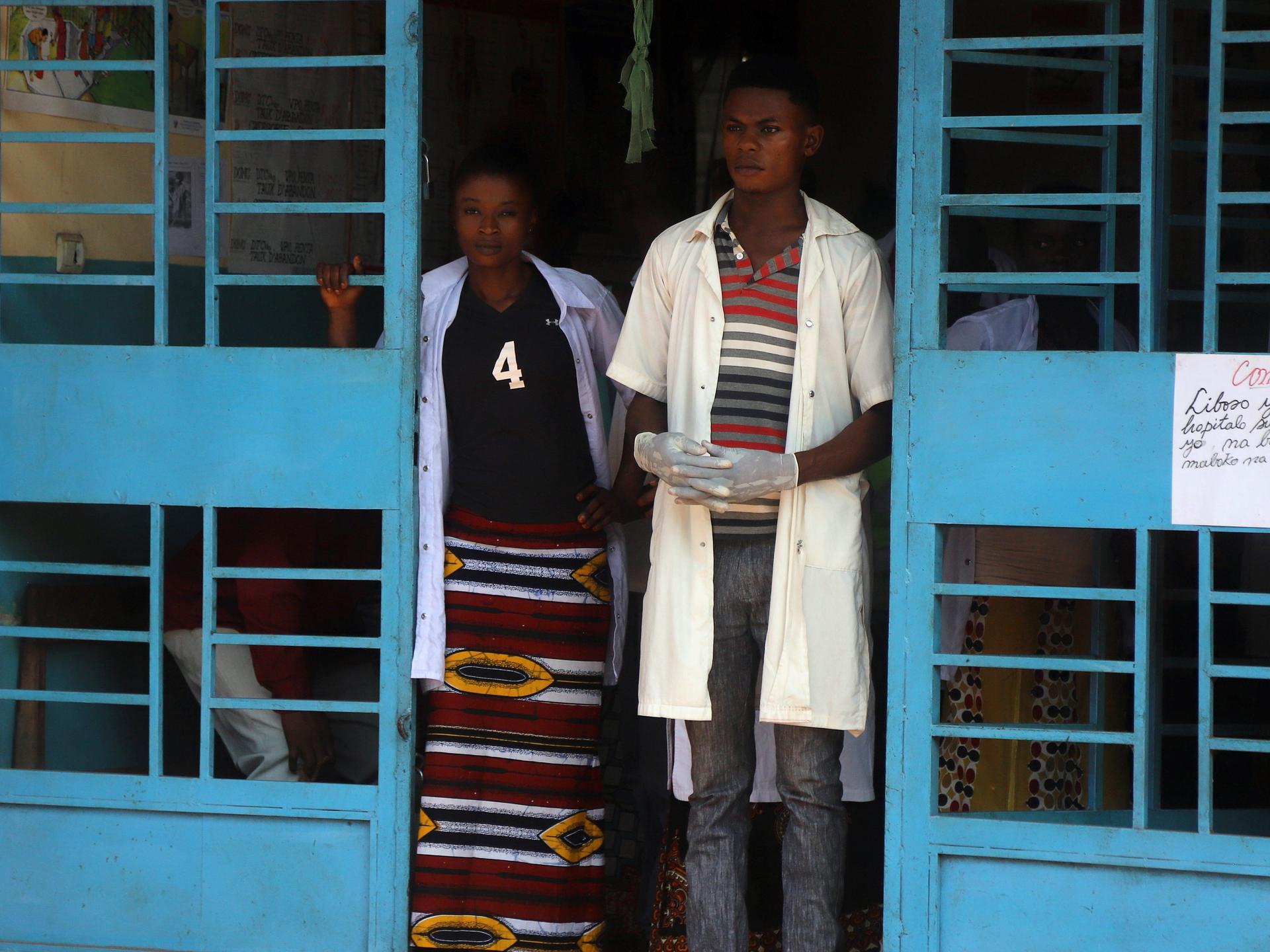
Medical workers are seen at the health centre in the commune of Wangata during a vaccination campaign against the outbreak of Ebola, in Mbandaka, Democratic Republic of Congo, May 23, 2018.

The Lusaka Agenda Shows the Power of Community Voices 

by Ahmed Ogwell 

By prioritizing primary health-care systems led by locals, the Lusaka Agenda can transition power back to Africa 


Read this story


What We’re Reading

The Atlantic’s Essay About Measles Was Gut-Wrenching. Some Readers Feel Deceived. (Washington Post)


Is the Great British Pub on the Verge of Extinction? The Truth Behind the Headlines (Institute of Alcohol Studies) 


France Cuts Funding for Global Fund to fight AIDS, TB, and Malaria by More Than Half (Radio France Internationale)


U.S. FDA Reverses Course, Will Review Moderna’s Modified Flu Vaccine Application (Reuters)


Four Months Trapped in a Hospital for an Obsolete Way of Treating Their Disease (New York Times)


‘Tons of Money’: How China Supplies Untested Peptides to the West  (Australian Financial Review)


Interested in submitting?

Review our Submission Guidelines

Image
Twitter Bluesky

An initiative from the Council on Foreign Relations

58 East 68th Street — New York, NY 10065

Unsubscribe

View in Browser

Manage Your CFR Email Preferences