| | Trump faces bad vibes in SOTU address, Germany’s chancellor arrives in Beijing, Mexico deploys troo͏ ͏ ͏ ͏ ͏ ͏ |
| |  Mexico City Mexico City | N’Djamena |  Tokyo Tokyo |
 | Flagship |  |
| |
|
The World Today | 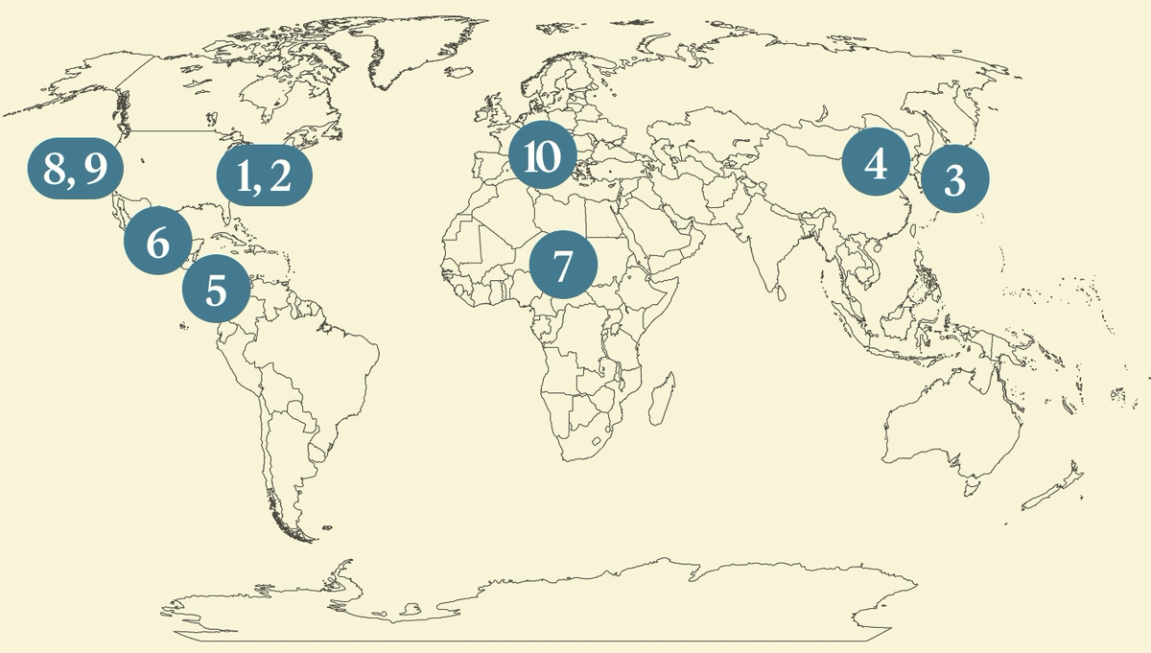 - Trump’s State of the Union
- FedEx sues over tariffs
- China-Japan export curbs
- Merz arrives in Beijing
- Panama seizes canal ports
- Mexico deploys troops
- Chad closes Sudan border
- AI fiction drives selloff
- Anthropic accuses China
- Lamborghini drops EV
 A book tells the story of gay Ukrainians in a country under attack. |
|
Trump faces bad vibes in SOTU |
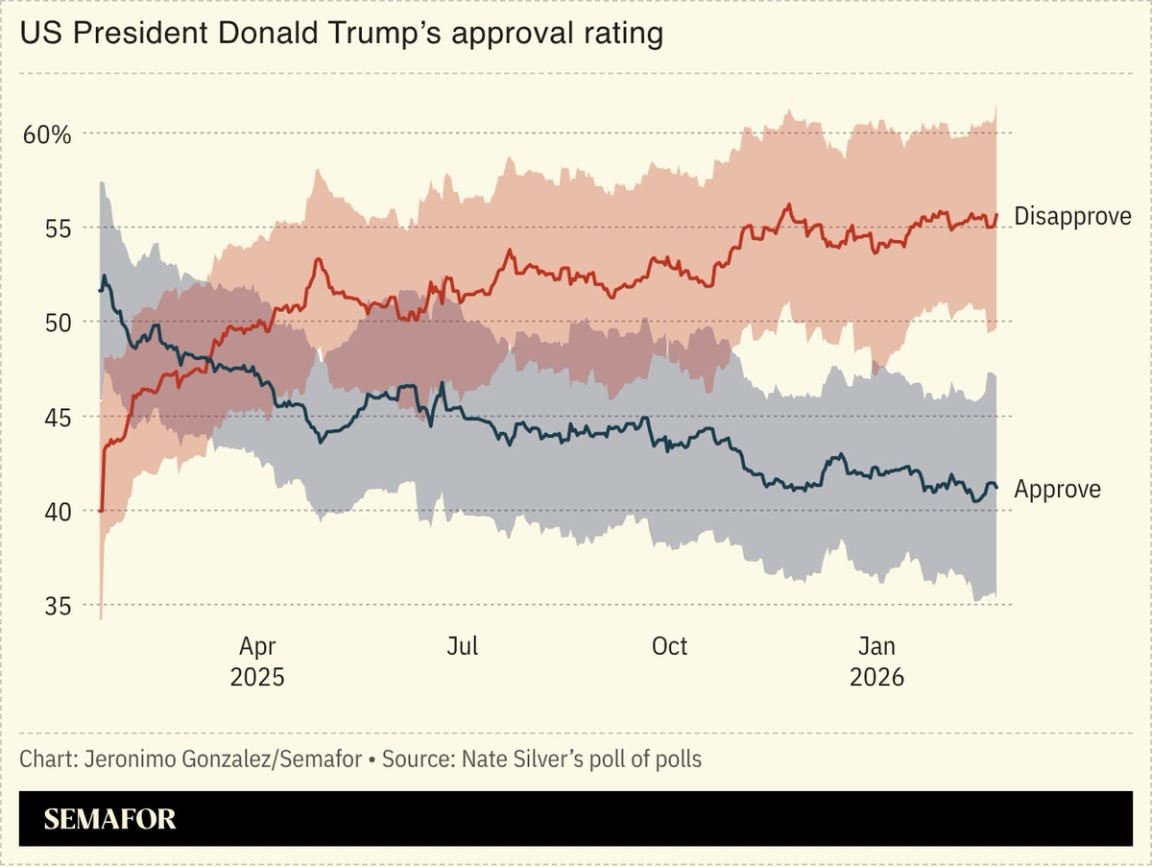 US President Donald Trump will use today’s State of the Union to defend his stewardship of the economy, with many Americans souring on its outlook. Despite economic indicators offering a buoyant picture, consumers remain pessimistic, with some chafing at cuts to insurance subsidies that have sent costs skyrocketing, while two of Trump’s signature policies — tariffs and immigration — have become major liabilities. The negative vibes have dragged down Trump’s popularity figures to their lowest level on record. Foreign policy will likely take a prominent role also, with analysts looking for signals on where Trump’s campaign against Iran may go, though The Economist warned “viewers may end up more, not less, confused about where he is taking America.” |
|
FedEx sues for tariff reimbursement |
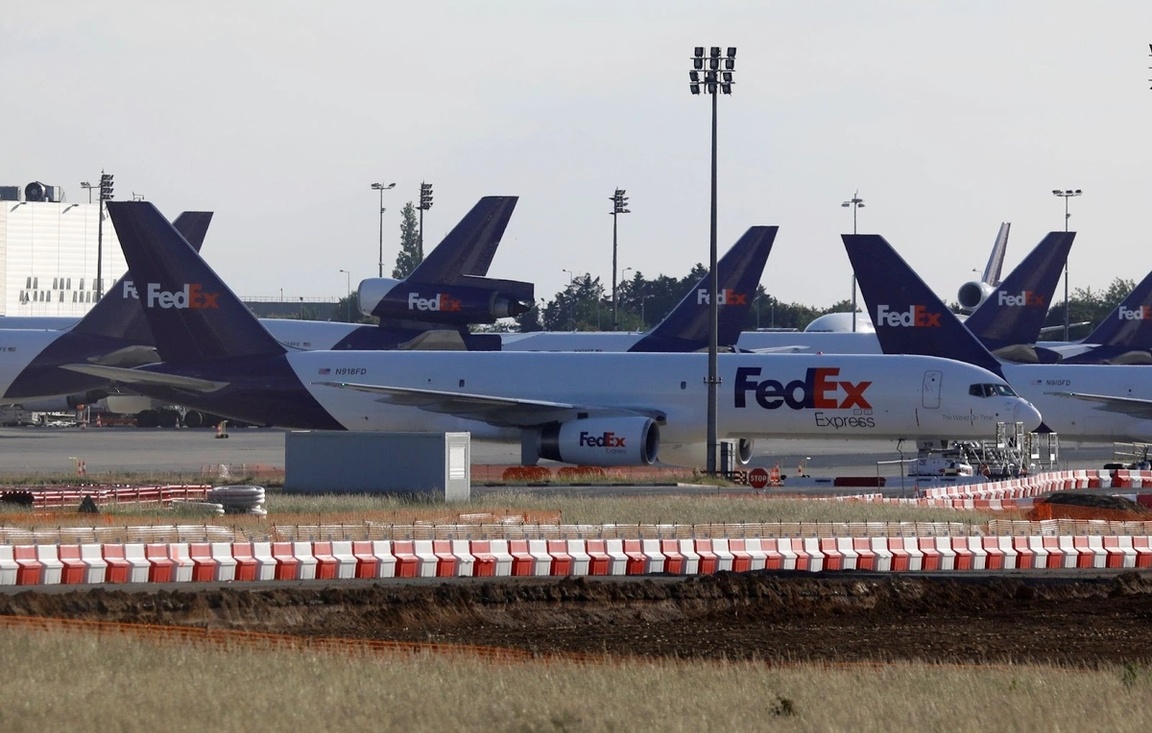 Charles Platiau/Reuters Charles Platiau/ReutersFedEx sued the US government for reimbursement of cash it spent on President Donald Trump’s tariffs. The shipping giant’s lawsuit is the first filed by a major US company since the Supreme Court ruled Friday that the tariffs were illegal. The tariffs brought in an estimated $130 billion in revenue since they were imposed, and should other companies join FedEx — and win — it could be extremely costly for the administration; the decision followed a lawsuit by the retailer Costco and others claiming the levies were unlawful. They’re not the only ones to spot an opportunity: 22 Senate Democrats called for the overturned import duties to be reimbursed to the public, with interest, in what Bloomberg called “a populist election-year campaign.” |
|
New Chinese export curbs on Japan |
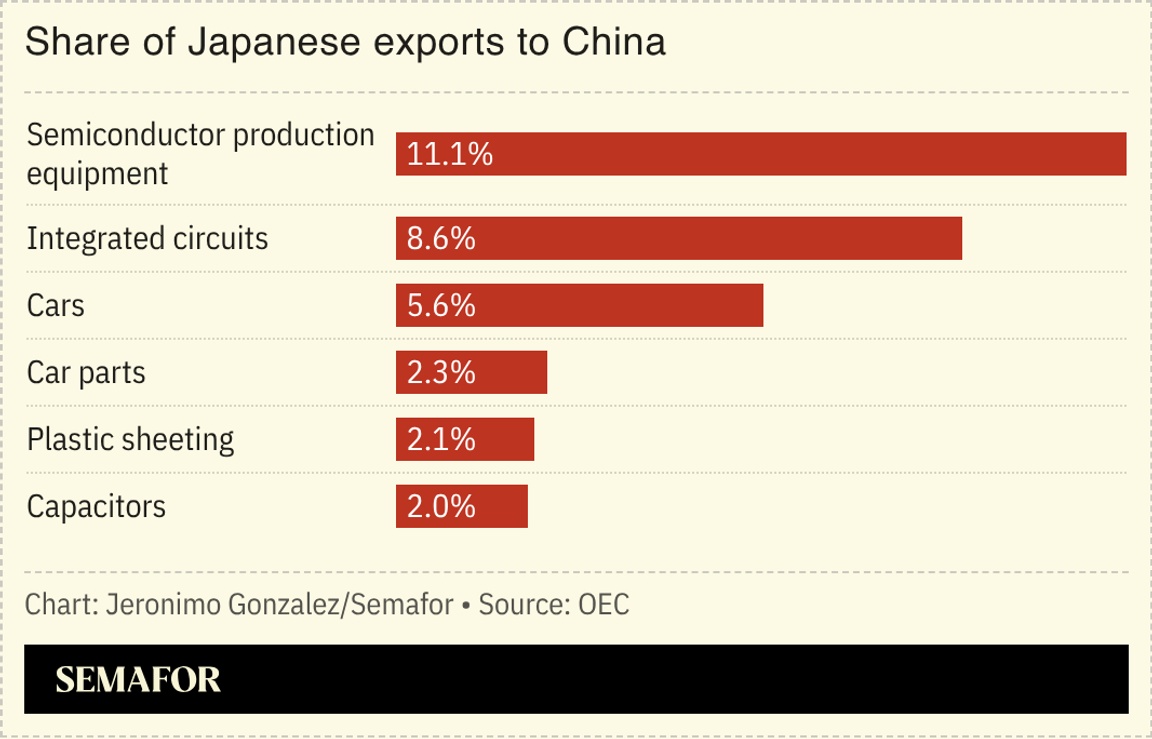 China hit dozens of Japanese companies with export restrictions as tensions between the two countries escalated. Beijing reacted angrily in November when new Japanese Prime Minister Sanae Takaichi warned against Chinese aggression towards Taiwan, and China’s position has hardened since her landslide election victory this month. It curbed exports to 20 companies of rare-earth magnets and other minerals which it said have military applications, to slow what it called Japan’s “remilitarization.” The companies do have defense divisions — carmaker Subaru, for instance, makes helicopters and military trucks — but “China’s measures could result in a blow to their civilian businesses,” the Financial Times reported, and force Tokyo to expand its supply chains to prevent further disruption. |
|
Merz’s trade mission to Beijing |
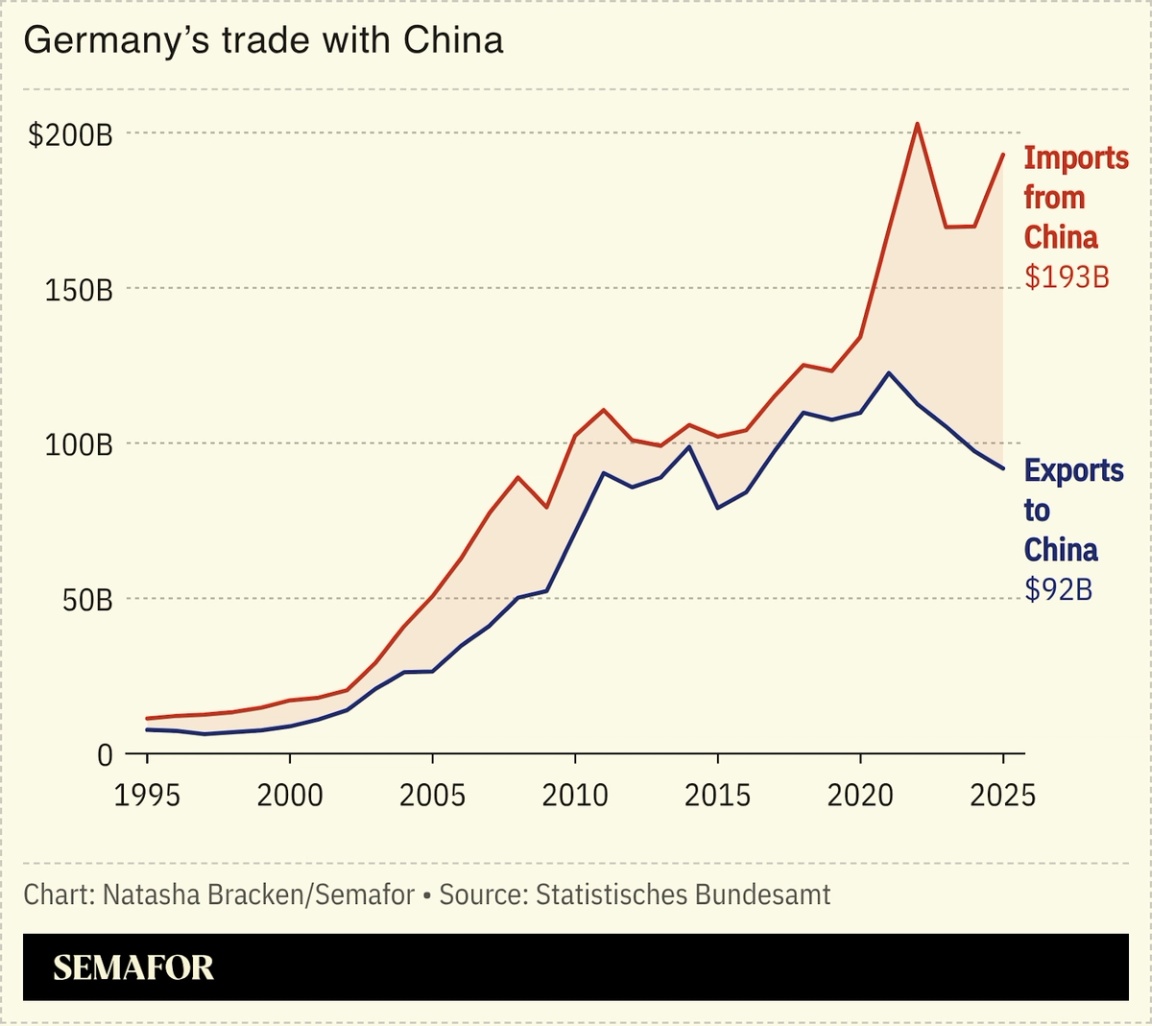 German Chancellor Friedrich Merz arrived in China, seeking to rebalance the two countries’ trade relationship. Berlin was for years the driving force for closer EU relations with Beijing — as China took off economically, it was a huge market for Germany’s industrial exports. But that drive “appears to be a historic policy miscalculation,” Politico reported, comparable to Germany’s reliance on Russian energy, as China’s soaring industrial output floods markets and its dominance of raw-materials supply chains gives Beijing huge power over Germany’s factories. Merz is under pressure from German industry leaders to take a harder line, but he is in a tough spot: US unpredictability means relying on Washington is unwise, leaving him little leverage over Chinese leader Xi Jinping. |
|
Panama seizes key canal ports |
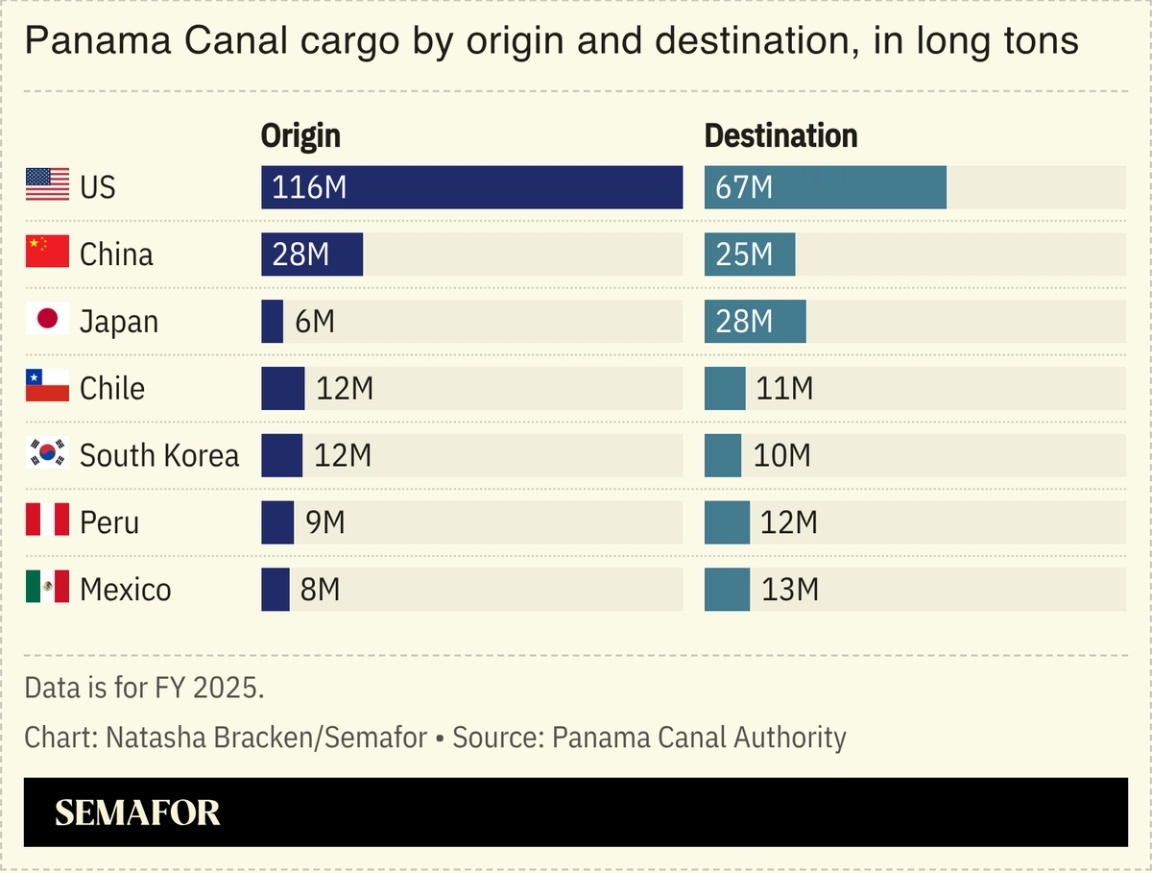 Panama seized two key ports run by a Hong Kong-based company, raising the stakes in a legal fight that has embroiled Beijing and Washington. Port operator CK Hutchinson slammed the decision to grant the operating license to two European firms as “unlawful,” while authorities in Hong Kong lodged “stern protests” with Panama, underscoring the strategic importance of the sites. Though CK Hutchinson has run the ports for almost three decades, Washington has recently pushed Panama to loosen Beijing’s influence over the canal, through which around 40% of US container traffic passes. The move is part of a wider push by the Trump administration to reassert US supremacy in Latin America after years during which the region grew closer to China. |
|
Mexico tries to tamp down violence |
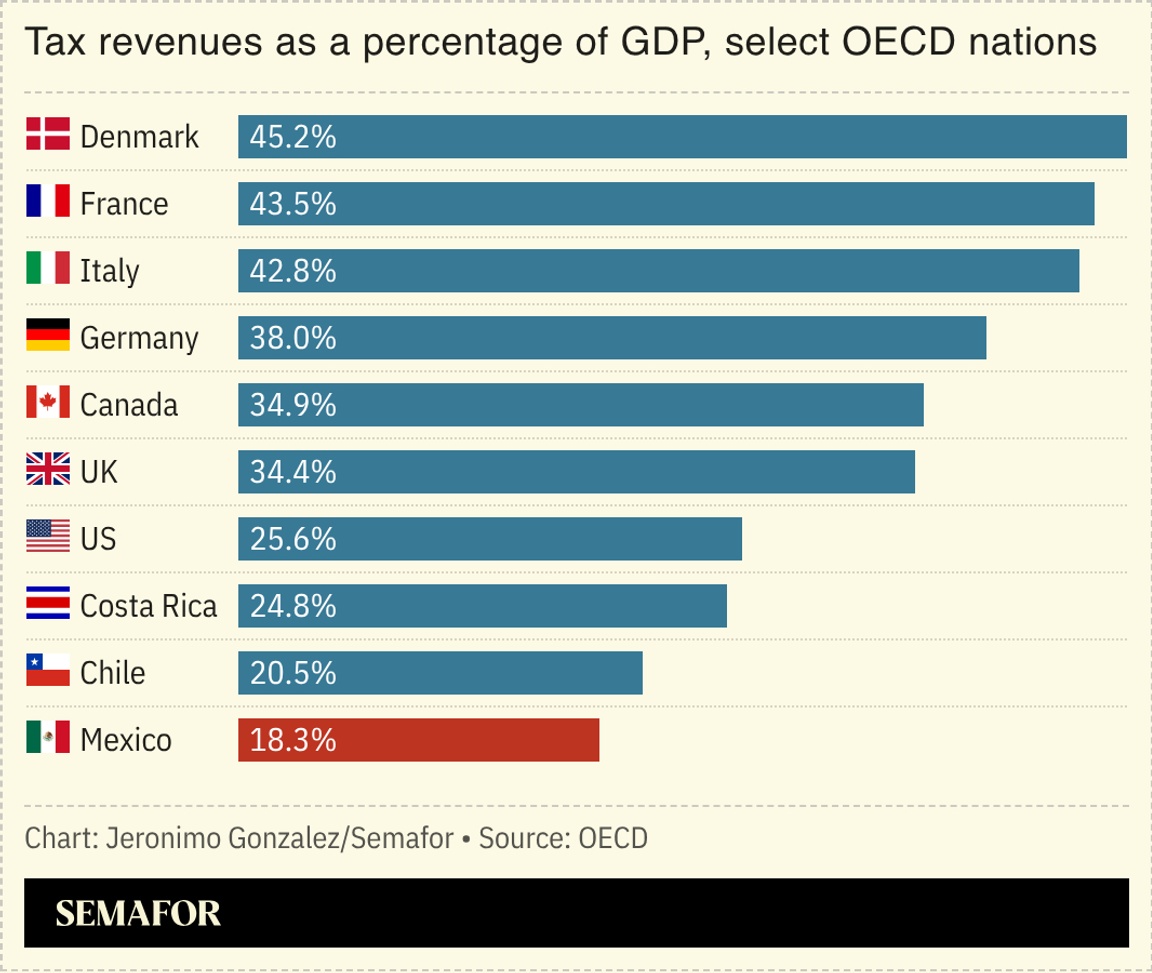 Mexico deployed thousands of troops across the country to quell violence sparked by the killing of its most-wanted cartel boss. Authorities said dozens were killed in the aftermath of Nemesio Oseguera Cervantes’ death on Sunday, with the cartel’s show of force leading to school and business closures across Mexico. While Washington celebrated his killing, some in Mexico fear it will unleash a wave of violence as the cartel’s factions fight for control. Others have warned that Cervantes’ death will change little given the state’s weakness: “Can Mexico’s government win a lasting battle against cartels with formidable private armies… when it has one of the region’s most under-resourced states?” the editor in chief of Americas Quarterly asked. |
|
Chad closes border to Sudanese refugees |
 Amr Abdallah Dalsh/File Photo/Reuters Amr Abdallah Dalsh/File Photo/ReutersChad closed its border with Sudan, shutting a vital lane for thousands trying to escape the Sudanese civil war. Chad said the border — across which more than a million Sudanese have fled their country — would be closed “until further notice” after the conflict neared its territory. While there have been numerous attempts to end hostilities in Sudan, the fighting rages on, creating one of the worst humanitarian crises in the world, including the first declaration of famine anywhere in years. Experts have warned that the war will continue so long as foreign powers — namely the UAE, Saudi Arabia, and Egypt — continue backing and funding the belligerents, including a paramilitary accused of perpetrating a genocide. |
|
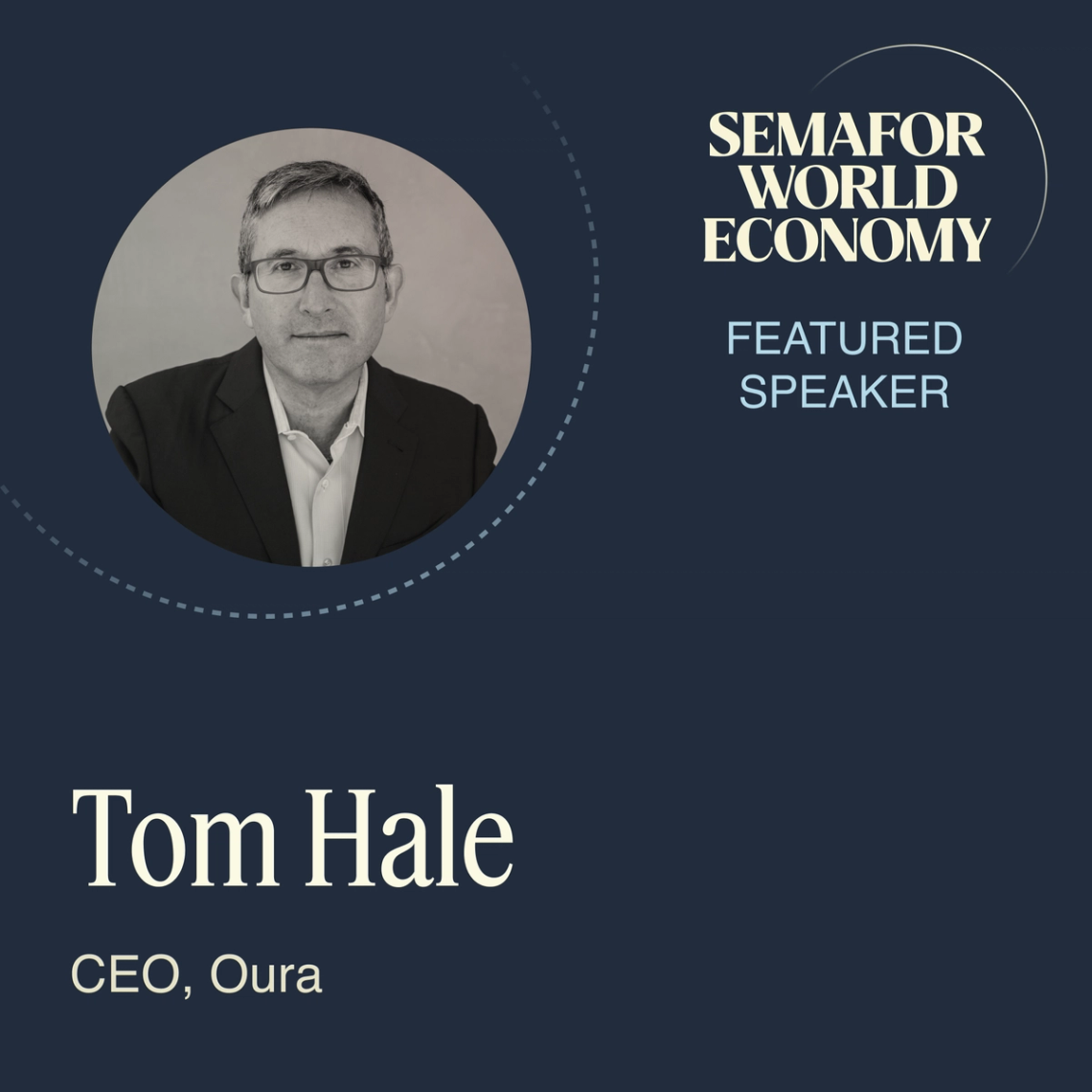 This April, Tom Hale, CEO of Oura, will join global leaders at Semafor World Economy — the premier convening for the world’s top executives — to sit down with Semafor editors for conversations on the forces shaping global markets, emerging technologies, and geopolitics. See the first lineup of speakers here. |
|
Viral AI story drives tech sell-off |
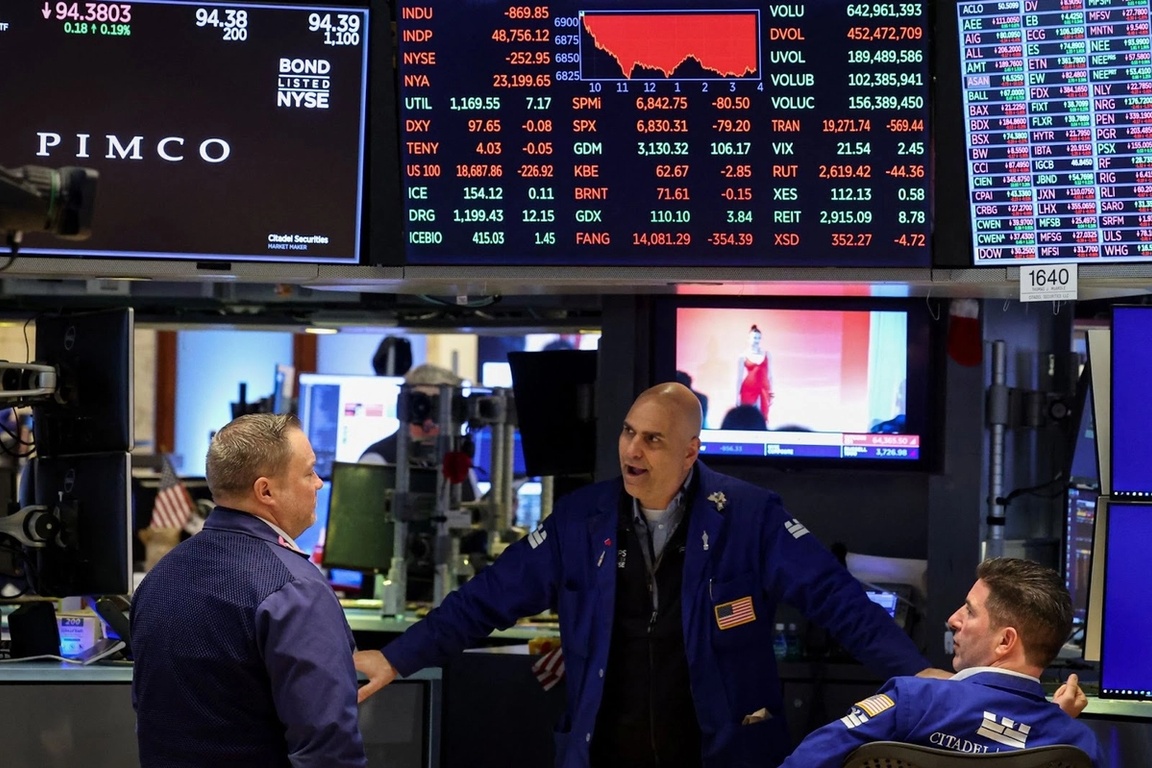 A viral thought experiment about AI’s future drove a tech-stock selloff. Citrini Research’s hypothetical imagined a 2028 world where AI agents become ubiquitous. As AI replaces workers, displaced workers spend less, so companies’ revenues fall, so they replace more workers. The financial system — reliant on professionals earning stable salaries for decades to pay mortgages and loans — collapses, and businesses that rely on human loyalty are destroyed as AI agents seek out the best deals. The gloomy scenario dragged the Dow down 1.7% Monday, concentrated in sectors described by the scenario, although tariff uncertainty was also a factor. Bloomberg’s Joe Weisenthal questioned whether the story was “internally consistent” although he said the vision was “definitely something to think about.” |
|
Anthropic accuses Chinese firms |
 Anthropic CEO Dario Amodei. Bhawika Chhabra/Reuters Anthropic CEO Dario Amodei. Bhawika Chhabra/ReutersAnthropic accused Chinese firms of “industrial-scale distillation attacks” on its AI models. Distillation involves training less capable models on more advanced ones’ output, and can be used illicitly to acquire powerful capabilities cheaply. The AI startup accused China’s DeepSeek, MiniMax, and Moonshot of generating “over 16 million exchanges with Claude through approximately 24,000 fraudulent accounts,” and said that the models thus trained would lack safeguards and could be used to develop weapons or carry out cybercrime. OpenAI similarly accused DeepSeek of distillation attacks last year, after the Chinese firm shocked the world with the success of its cheap R1 model. Anthropic has been consistently in favor of export restrictions to slow China’s AI progress. |
|
|


