Religion and Foreign Policy |
|
|
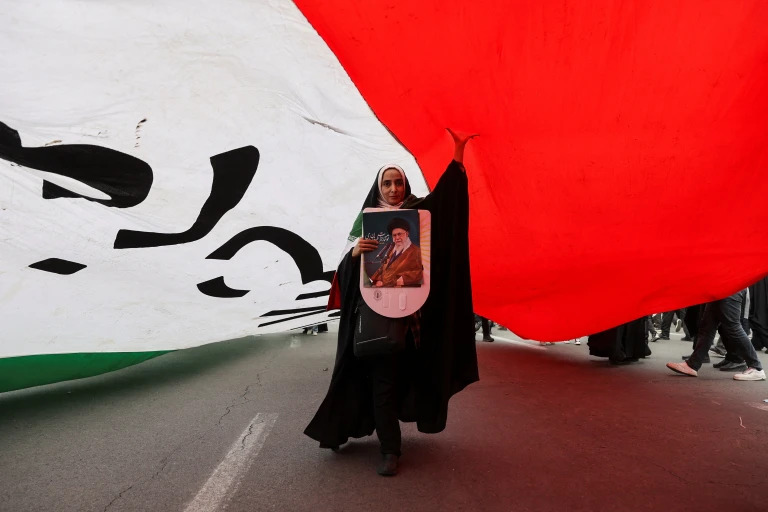
An Iranian woman holding a poster depicting Iran’s Supreme Leader Ayatollah Ali Khamenei. (Majid Asgaripour/West Asia News Agency via Reuters) |
The February 2026 Religion and Foreign Policy Newsletter highlights CFR analysis on Latin America, women and foreign policy, and Iran’s political future. |
|
|
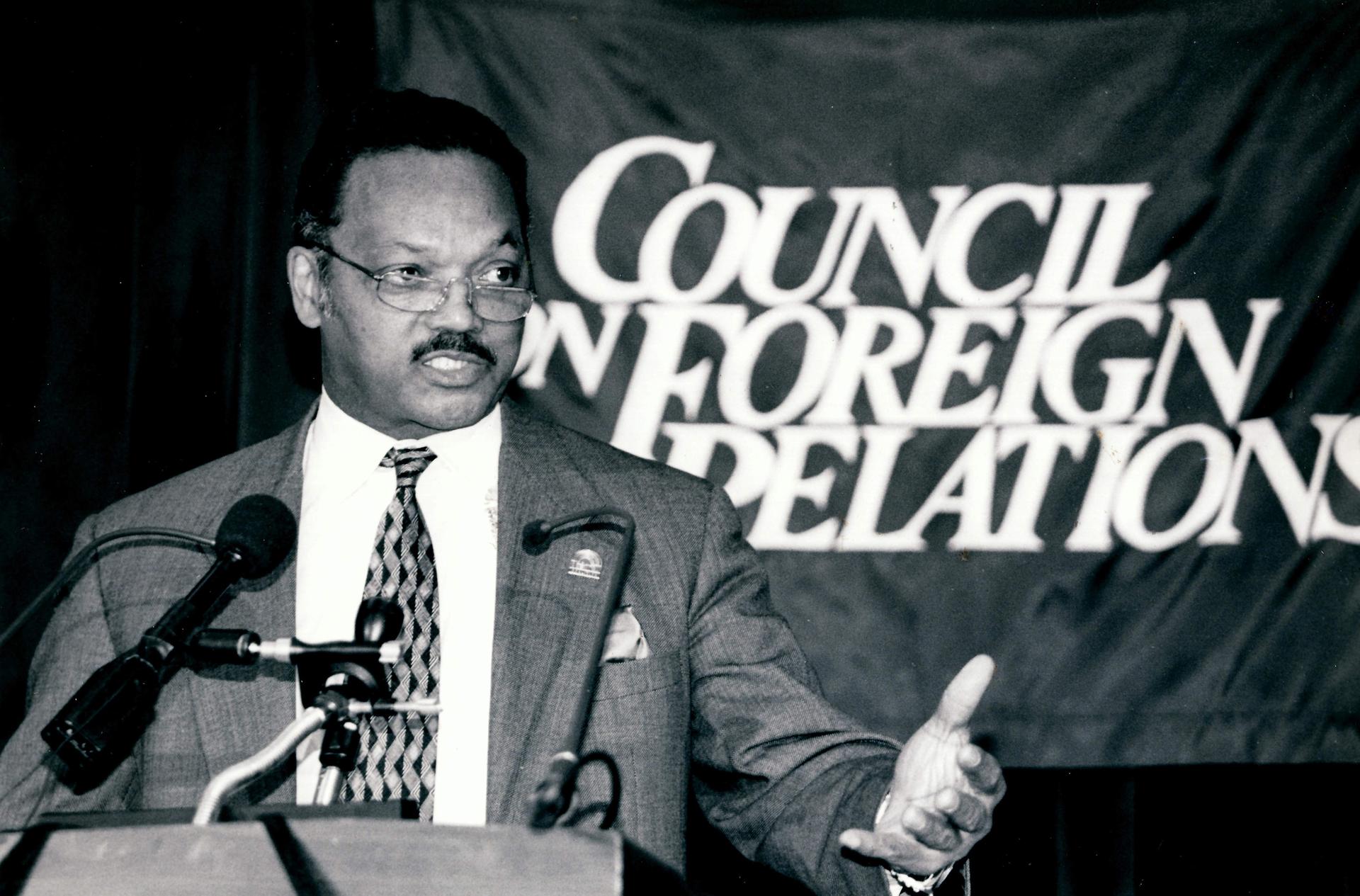
In Memoriam: Reverend Jesse L. Jackson Sr. |
| |
|
Mexico’s Long War: Drugs, Crime, and the Cartels |
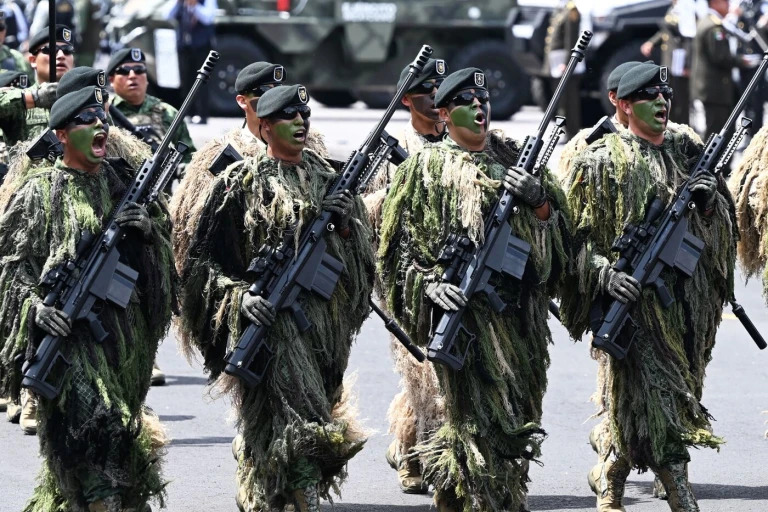
Members of the special forces of the Mexican Army take a part in a military parade to commemorate Mexico's 212th anniversary of independence. (Rodrigo Arangua/AFP via Getty Images)
|
The Mexican government’s campaign against drug cartels continues to fuel violence and instability, underscored by the recent killing of one of the country’s most-wanted crime leaders: Nemesio Rubén Oseguera Cervantes, known as “El Mencho.” This CFR Backgrounder examines the evolution of Mexico’s cartels and the role of U.S.–Mexico security cooperation. Read the Backgrounder on CFR.org
|
|
|
The Perils of Militarizing Law Enforcement: Latin America’s Warning for U.S. Democracy |
As the Trump administration has deployed or sought to deploy National Guard units to major U.S. cities, University of Maryland’s Gustavo Flores-Macías draws on Latin America’s experience to warn of the potential consequences of militarized policing for democratic governance. Read the article on ForeignAffairs.com
|
|
|
Preventing Renewed Conflict in Colombia |
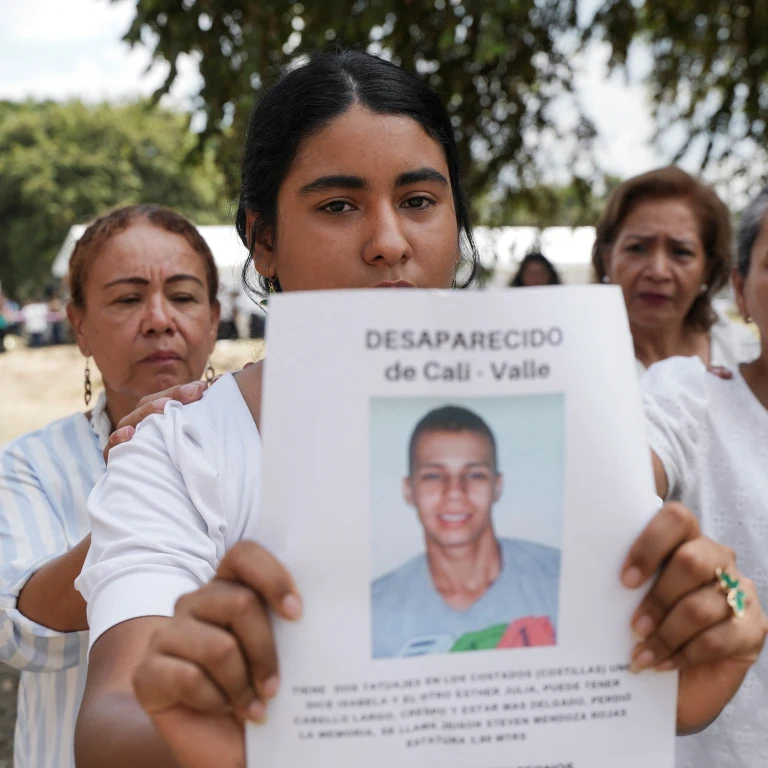
A woman holds a picture of a victim of forced disappearance during a 2025 ceremony in Colombia. (Nathalia Angarita/Reuters)
|
Nearly a decade after Colombia’s 2016 Peace Accords, implementation remains fragile and incomplete. CFR International Affairs Fellow Roxanna Vigil argues that sustained U.S. engagement with Colombia’s next administration will be critical to preserving the agreement and preventing renewed conflict. Read the Report on CFR.org
|
|
|
U.S.–Cuba Relations Explained |
Cuba remains a persistent foreign policy challenge for the United States. This CFR Backgrounder traces the history of bilateral tensions and examines the renewed strain in relations during President Trump’s second administration. Read the Backgrounder on CFR.org
|
|
|
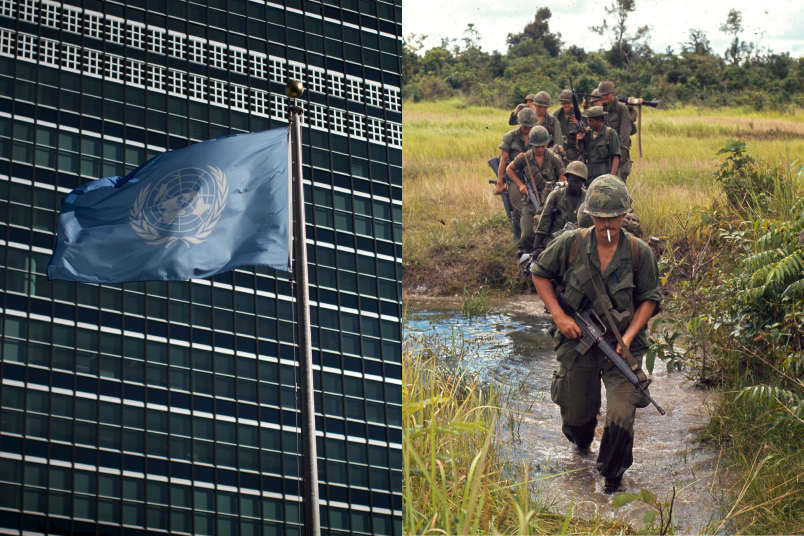
CFR’s James M. Lindsay asked hundreds of historians what they considered to be the ten best and ten worst U.S. foreign policy decisions in history. Find out which ones made the list, and dive into the history of each decision. |
| |
|
Women’s Rights Are Democratic Rights
|
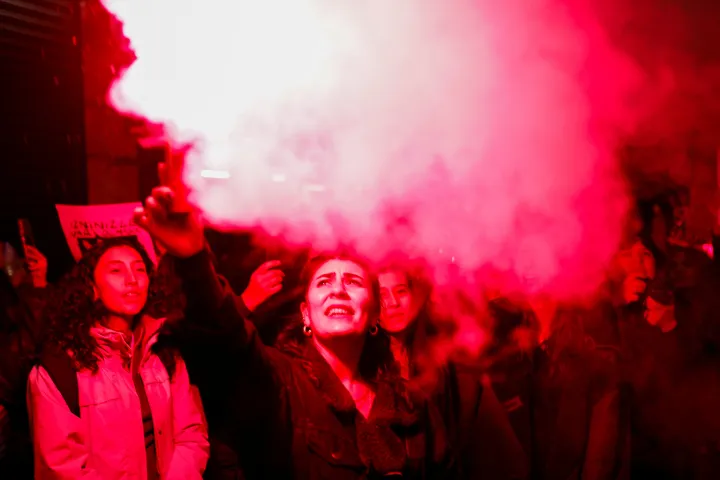
A protest against gender-based violence in Istanbul, November 2025. (Kemal Aslan / Reuters)
|
|
|
At Munich, Europe Found Its Voice, and It Belonged to Women |
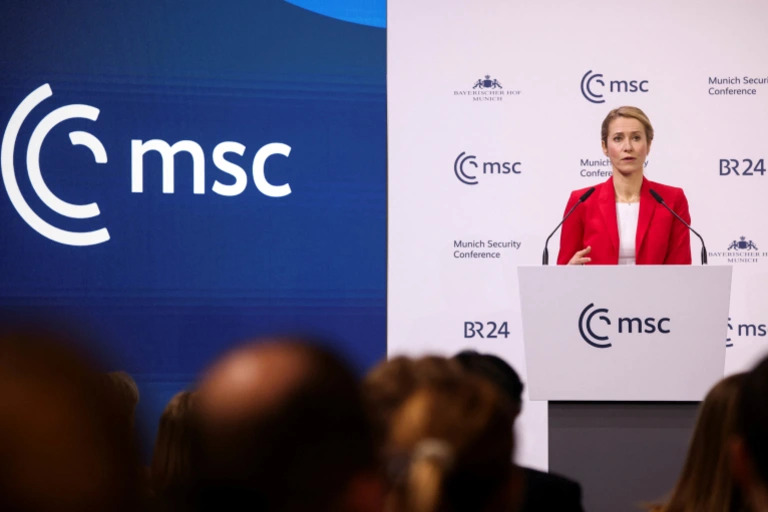
EU High Representative and Vice-President for Foreign Affairs and Security Policy Kaja Kallas speaks during the last day of the Munich Security Conference (MSC). (REUTERS/Liesa Johannssen)
|
CFR’s Linda Robinson writes that this year’s Munich Security Conference featured a vocal group of European women leaders who proposed sound defense policies and offered an alternative vision for Europe undergirded by the common values of democracy and unity. Read the article on CFR.org
|
|
|
Venezuela’s Democratic Transition Needs Women, Including Machado
|
Caroline Hubbard, formerly with USAID, argues that women’s participation and political empowerment are essential for democratic resilience in Venezuela and outlines the necessary conditions for women’s inclusion. Read the article on CFR.org |
|
|
What Are the Global Options for Defending Iranians’ Rights?
|
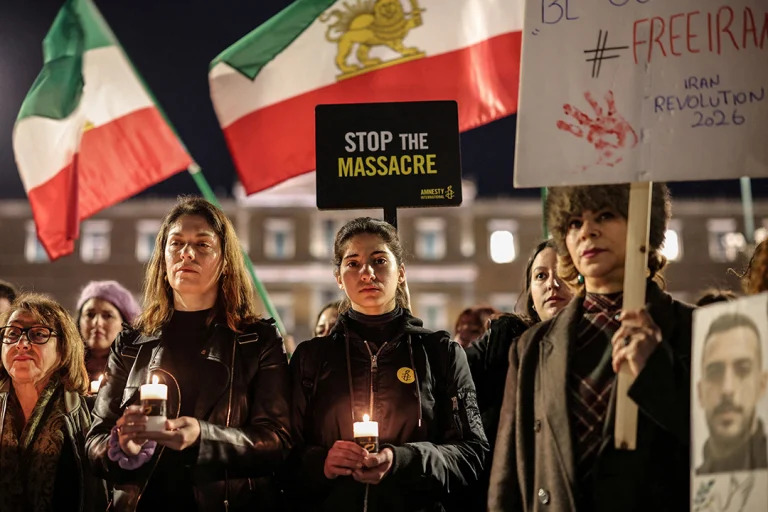
Amnesty International Greek activists and Iranians living in Athens hold candles in front of the Greek Parliament to support the people of Iran on January 30. (Louisa Gouliamaki/Reuters)
|
Iran’s violent suppression of nationwide protests marks its deadliest crackdown on civilians since the 1979 revolution. Despite condemnation from the United Nations and new U.S. and European sanctions, the international response has had limited effect. CFR’s David J. Scheffer examines gaps in global accountability efforts and explores whether more forceful measures to protect human rights could be justified. Read the article on CFR.org
|
|
|
Leadership Transition in Iran
|
Iran faces a potentially historic leadership transition with significant regional and global implications. The Brookings Institution’s Suzanne Maloney argues that the United States should reassess its assumptions about succession in Tehran, strengthen accountability efforts, prepare for proxy escalation, and position itself for renewed nuclear diplomacy. Read the Report on CFR.org
|
|
|
Iran’s Divided Opposition: Only a Unified Movement Can Threaten the Regime |
Addressing the question of Iran’s “day after,” Chatham House’s Sanam Vakil and the Middle East Institute’s Alex Vatanka argue that opposition groups must unite around a shared set of core principles and develop a plan for governance in the regime’s immediate aftermath. Without greater coordination, they warn, the Islamic Republic is likely to endure not because of popular support but because no viable alternative exists. Read the article on ForeignAffairs.com
|
|
|
The CFR Religion and Foreign Policy monthly newsletter highlights policy analysis by CFR fellows and experts for the religion community. |
About the CFR Religion and Foreign Policy Program |
|
|
|