A newsletter by Reuters and Westlaw |
|
|
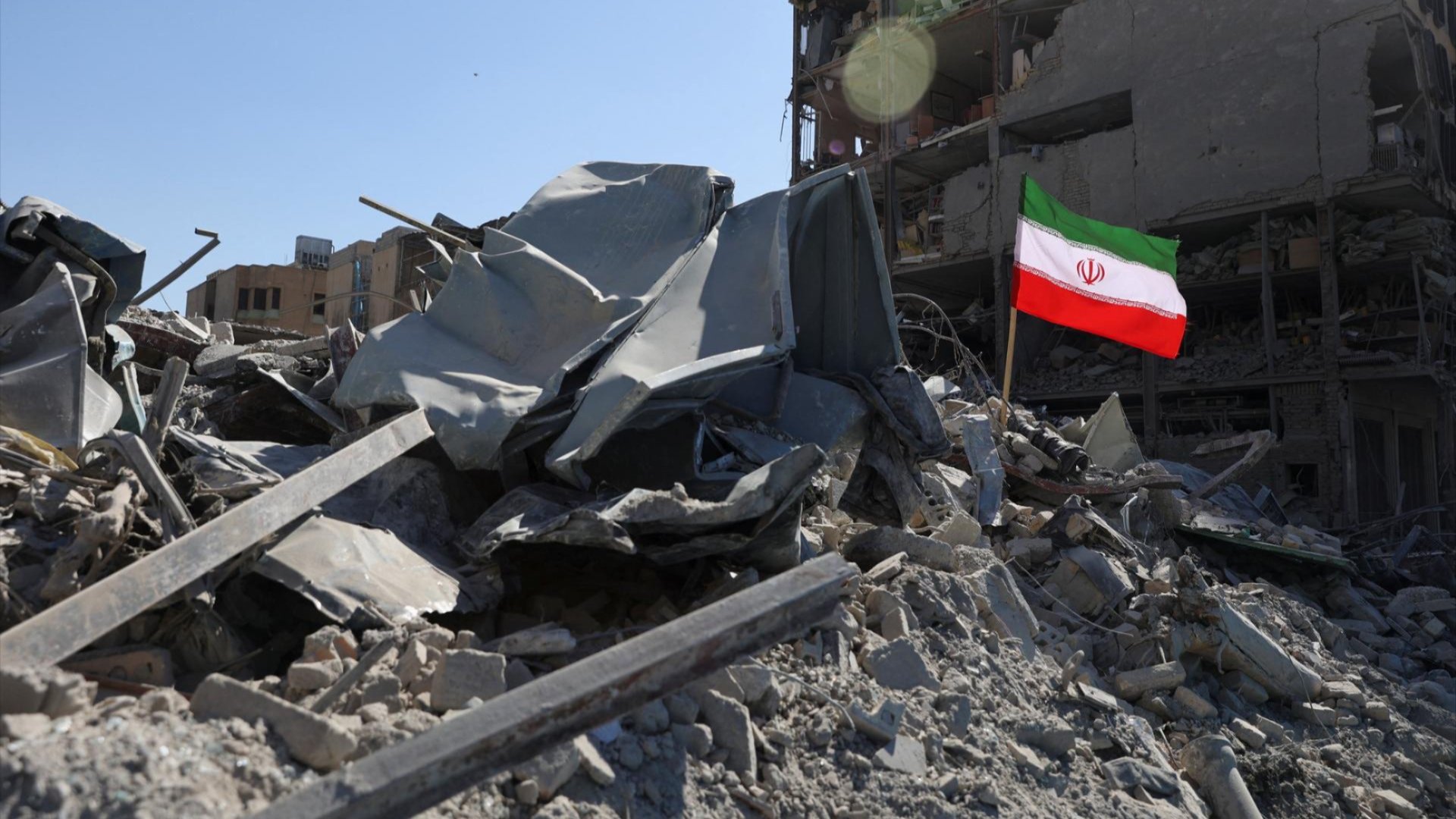
Majid Asgaripour/WANA (West Asia News Agency) via REUTERS |
President Trump said that the U.S. military joined Israel and attacked more than 1,000 targets in Iran and killed many of its top officials, including its Supreme Leader Ali Khamenei. Here’s a look at the legal questions surrounding the attacks: |
|
|
- Trump’s rationale: He offered shifting justifications, saying Iran posed an imminent threat and was close to obtaining a nuclear weapon, though he provided no supporting evidence.
-
Presidential authority concerns: Legal experts say the scale and duration of the strikes stretch presidential war powers, which typically require congressional authorization for major military operations.
- War Powers Resolution limits: The 1973 law restricts unauthorized military action to 60 days and requires regular reporting to Congress, which could vote to force a withdrawal despite a likely veto.
- International law issues: Many countries may view the attacks as unjustified under the U.N. Charter, and the legality of killing Khamenei depends on whether it qualifies as a wartime act rather than an assassination.
-
Tom Hals has more here.
|
-
SCOTUS: The U.S. Supreme Court is expected to issue opinions in pending, argued cases.
- SCOTUS: The U.S. Supreme Court will hear arguments in Montgomery v. Caribe Transport II, a case over whether freight brokers can be held liable for negligent hiring.
-
Immigration: U.S. District Judge Patti Saris in Boston will consider whether to vacate a Board of Immigration Appeals decision that endorsed the Trump administration's mass detention policy. Another judge in California last month became the first to vacate the board's decision, under which immigration judges were instructed to deny bond hearings to detainees who had been living in the United States. Read the California decision here.
-
Government: U.S. District Judge Amir Ali in D.C. will hold a motion hearing in the ABA’s lawsuit seeking to bar the White House from pursuing what the ABA called a campaign of intimidation against major law firms. Read the complaint.
- LGBTQ+: U.S. District Judge Royce Lamberth in D.C. will hold a show cause hearing in a lawsuit brought by three incarcerated transgender people currently in federal custody challenging a Trump executive order and new BOP policies prohibiting their access to gender-affirming care.
-
Health: Several medical organizations will ask U.S. District Judge Brian Murphy in Boston to block the CDC’s decision to narrow the list of vaccines recommended for children, which they called an "egregious, reckless, and dangerous" agency action.
-
Product liability: A trial is set to begin in Chicago in the case of four families who say baby formula made by Abbott Laboratories and fed to their premature infants caused them to develop a dangerous bowel disease.
-
Environment: U.S. District Judge Denise Casper in Boston will consider whether to block actions by the Trump administration that wind and solar energy developers say have halted the pipeline for new projects that require federal permits and undermine existing project authorizations. Read the complaint.
-
Environment: The Alaska Supreme Court will hear a challenge from young people who claim a state law requiring the development of a fossil fuel project violates their rights to equal access to natural resources.
-
Government: U.S. Homeland Security Secretary Kristi Noem is scheduled to testify before the U.S. House Judiciary Committee. Yesterday Noem faced tough questions in the Senate. Here’s how that went.
|
Court calendars are subject to last-minute docket changes. |
|
|
"Today, the concert ticket industry is broken, in fact the concert industry itself is broken.” |
—DOJ attorney David Dahlquist in his opening statement in a trial accusing Ticketmaster and its parent company, Live Nation, of abusing their market power to prop up illegal monopolies in the concert industry. Kid Rock and Ben Lovett of the band Mumford & Sons are expected to testify at the trial, as are executives from rival ticketing companies and venues, including Madison Square Garden. Read more about Day 1 of the trial here.
|
|
|
|