Hello!
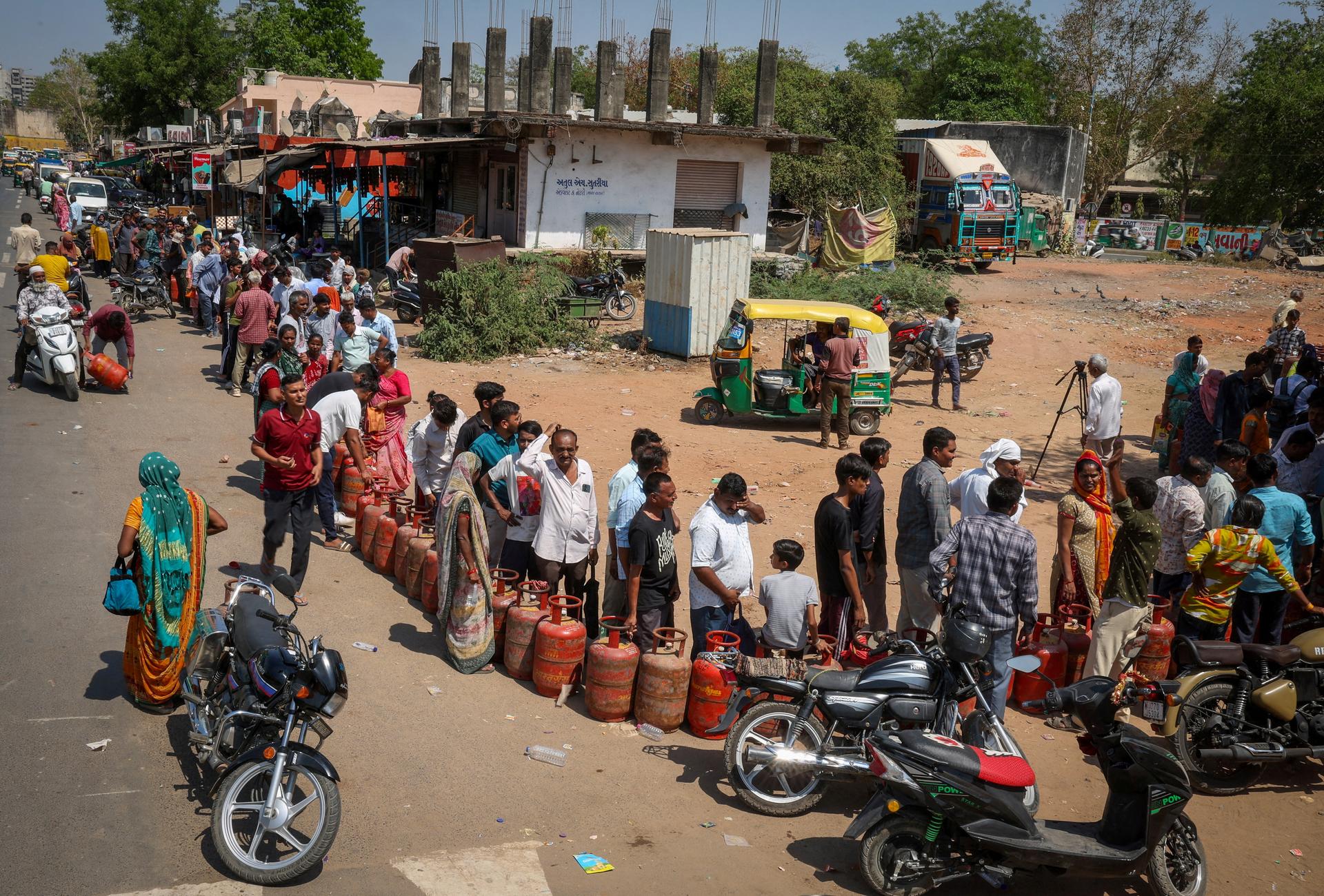
Countries in Europe and Asia are relaxing their energy rules as the Middle East conflict continues and fears mount over liquefied natural gas deliveries.
I wrote about how the conflict would derail sustainability efforts in Tuesday’s newsletter which you can revisit here. Today’s newsletter shows the number of countries that are prioritizing gas supplies or turning to nuclear energy and coal.
For example, European Union officials are easing their energy rules, fearing rigid enforcement of the laws causing delays or stranding shipments as the U.S.-led war on Iran continues to rattle global LNG flows.
The rules in question require that shipments of LNG from certain non-Russian countries receive "prior authorisation" – meaning companies must provide European customs authorities with proof of the gas's origin five days before it arrives in the EU.
The main country affected by a softening of the "prior authorisation" rules would be Azerbaijan, which last year supplied 4% of EU gas imports.
Europe's gas industry had already asked Brussels to temporarily suspend the rules on prior authorisation.
Over in Asia, South Korea is considering providing additional energy vouchers to subsidise vulnerable households if rising global fuel prices in the wake of the Middle East crisis push up electricity costs, the government said.
Asia's fourth-largest economy is also preparing to boost nuclear and coal-fired power generation in the event that oil prices remain high and LNG supplies are disrupted.
To reduce dependence on LNG, the Climate and Energy Ministry said this week it would accelerate the restart of nuclear reactors under maintenance, with two units expected to come back online as soon as March and four more by mid-May.
It also said coal-fired power output could be flexibly increased during periods when the impact on air quality from fine dust was low, if LNG supply shortfalls materialised.
The Philippines is also planning to rein in energy bills by boosting coal-fired power output and regulating electricity prices as soon as next week due to the conflict, its Energy Secretary Sharon Garin told Reuters on Friday.
The Southeast Asian nation could face a rise of 16% in power prices by next month unless the government intervenes, Garin said, adding that Manila was in talks with Indonesia to ensure steady supplies of coal.
Unlike Asian countries turning to LNG, Pakistan has reduced its vulnerability to global LNG supply disruptions, Power Minister Awais Leghari told Reuters, as it gets its energy from renewables such as solar, wind and hydropower. Click here for more on the story.