| Forwarded this email? Subscribe for more |



 |
| By The Free Press |
Let your new language bloom this spring with just 10 minutes of Babbel a day. Start learning now and save 60 percent on access to all 14 languages, forever. |

It’s Monday, March 16. This is The Front Page, your daily window into the world of The Free Press—and our take on the world at large. Today: Alysa Liu’s father on what he learned about freedom from his daughter—and Jimmy Lai. Tyler Cowen on how to win the AI arms race. Charles Lane asks: Can a Democrat with a Nazi tattoo win a Senate seat? The UAW reins in Columbia’s politically obsessed grad students. And much more.
But first: The war in Iran—and terrorism here in America.
The war in Iran shows no sign of stopping, with the U.S. suggesting it will ramp up strikes over several more weeks. But achieving the chief war aims will require more than explosions. Jay Solomon has the story on the next phase of the war: ending Iran’s nuclear program for good. Destroying or seizing uranium would be a fiendishly difficult task but Jay talks to U.S. officials about how it might be done.
It’s hard to see how it all could end—especially since Iran’s foreign minister told CBS News on Sunday that “we don’t see any reason why we should talk with Americans.” Michael Oren doesn’t know when a ceasefire will come, but he has a good idea of what it will take. The former Israeli ambassador to the U.S. believes the Iranian regime will hold out for anything it can call victory—and that the goal of the U.S. should be to cut off any hope of success the mullahs have.
Since the start of the war, Americans have faced a string of terror attacks. Over the weekend, vivid evidence emerged of the most recent attack’s close connection to the war. Ayman Mohamad Ghazali—who stormed a synagogue and school in Michigan on Thursday before guards stopped his advance—was the brother of a Hezbollah commander in Lebanon. Soon after the brother was slain by an Israeli air strike, Ghazali attacked America’s largest Reform synagogue.
The Hezbollah affiliation should frame the whole story. A U.S. ally killed a terrorist abroad, and his brother became a terrorist at home.
Yet much of the media is missing the story—or distorting it—just as they have with a whole spate of terrorist attacks that have struck Americans since the Iran war began. Read our editorial on how the war came home, and what the U.S. must do if it hopes to beat the extremists.
Noah Bernstein grew up attending a synagogue not far from the one attacked Thursday, and he describes how antisemitic protesters in his hometown of Ann Arbor were emboldened by the almost deadly rampage. He asked people there how they were dealing with this dangerous new reality.
—The Editors
 |
Lessons in Freedom—from Jimmy Lai and My Daughter Alysa | ||||
 | ||||
|
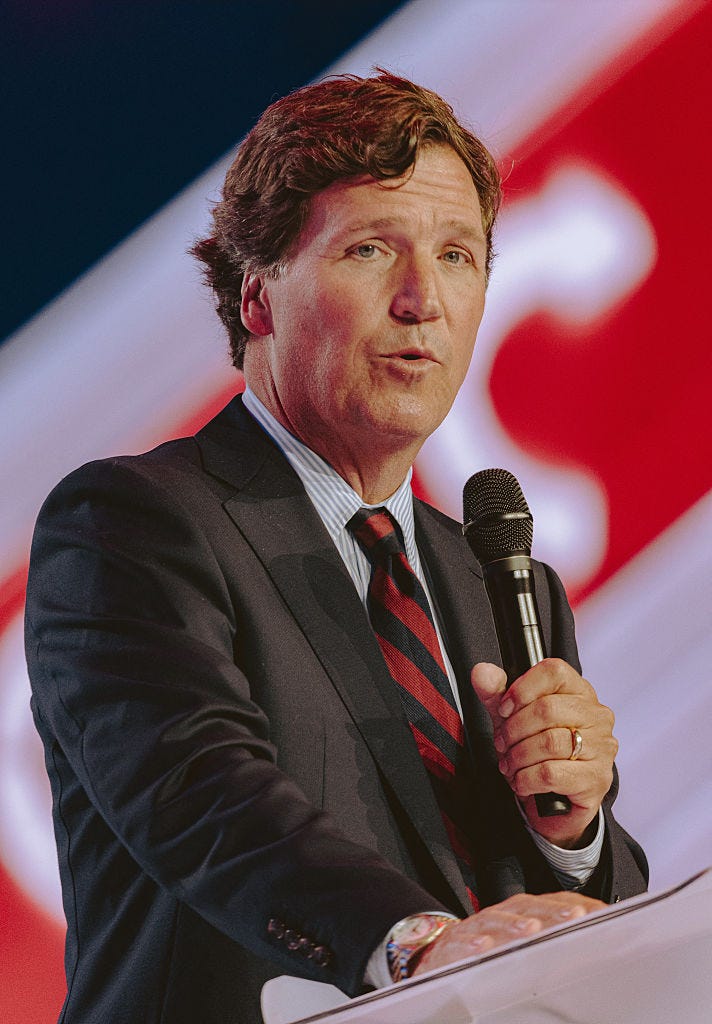
Tucker Carlson Fails His Own Loyalty Test | ||||
 | ||||
|
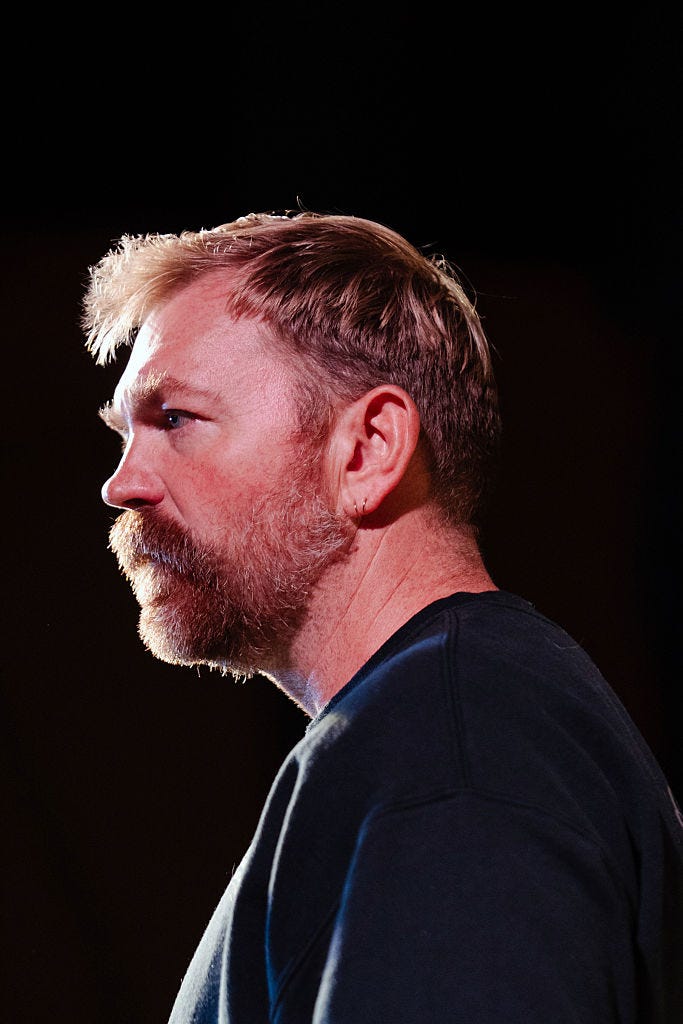
Will a Nazi Tattoo Cost Democrats the Senate? | ||||
 | ||||
|