Apple cuts China store fees, Palantir CEO interview, and Travis Kalanick's comeback.
 ͏  ͏  ͏  ͏  ͏  ͏  ͏  ͏  ͏  ͏  ͏  ͏  ͏  ͏  ͏  ͏  ͏  ͏  ͏  ͏  ͏  ͏  ͏  ͏  ͏  ͏  ͏  ͏  ͏  ͏  ͏  ͏  ͏  ͏  ͏  ͏  ͏  ͏  ͏  ͏  ͏  ͏  ͏  ͏  ͏  ͏  ͏  ͏  ͏  ͏  ͏  ͏  ͏  ͏  ͏  ͏  ͏  ͏  ͏  ͏  ͏  ͏  ͏  ͏  ͏  ͏  ͏  ͏  ͏  ͏  ͏  ͏  ͏  ͏  ͏  ͏  ͏  ͏  ͏  ͏  ͏  ͏  ͏  ͏  ͏  ͏  ͏  ͏  ͏  ͏  ͏  ͏  ͏  ͏  ͏  ͏  ͏  ͏  ͏  ͏  ͏  ͏  ͏  ͏  ͏  ͏  ͏  ͏  ͏  ͏  ͏  ͏  ͏  ͏  ͏  ͏  ͏  ͏  ͏  ͏  ͏  ͏  ͏  ͏  ͏  ͏  ͏  ͏  ͏  ͏  ͏  ͏  ͏  ͏  ͏  ͏  ͏  ͏ ­ ­ ­ ­ ­ ­ ­ ­ ­ ­ ­ ­ ­ ­ ­ ­ ­ ­ ­ ­ ­ ­ ­ ­ ­ ­ ­ ­ ­ ­ ­ ­ ­ ­ ­ ­ ­ ­ ­ ­ ­ ­ ­ ­ ­ ­ ­ ­ ­ ­ ­ ­ ­ ­ ­ ­ ­ ­ ­ ­ ­ ­ ­ ­ ­ ­ ­ ­ ­ ­ ­ ­ ­ ­ ­ ­ ­ ­ ­ ­ ­ ­ ­ ­ ­ ­ ­ ­ ­ ­ ­ ­ ­ ­ ­ ­ ­ ­ ­ ­ ­ ­ ­ ­ ­ ­ ­ ­ ­ ­ ­ ­ ­ ­ ­ ­ ­ ­ ­ ­ ­ ­ ­ ­ ­ ­ ­ ­ ­ ­ ­ ­ ­ ­ ­ ­ ­ ­  
Monday, March 16, 2026
Meta layoffs could send shockwaves far beyond Silicon Valley


Good morning. We hear a lot about tech feuds. Elon Musk versus Jeff Bezos for rockets; Sam Altman versus Dario Amodei for AI. But what about tech friendships? Everyone loves a good story about friends—the “buddy flick” is an entire movie genre of its own, after all—so you’d think we’d have more of them.

Well, you’re in luck. As The Information reports, a pair of famous old friends may be getting back together to try their luck in the self-driving cars business—again. Travis Kalanick, the cofounder of Uber, is apparently considering acquiring Pronto AI, an autonomous transportation company for the industrial sector founded by Anthony Levandowski. Think of it as a sequel to their first partnership, when Kalanick, then Uber’s CEO, acquired Levandowski’s first autonomous driving startup, Otto, in 2016. Levandowski’s former employer Google later sued him for trade secret theft, and he was subsequently sentenced to 18 months in jail in a federal trial, but served only six months before earning a surprise pardon from Trump. In other words, this reunion has a great backstory.

Kalanick posted a lengthy “I’m back” blog post last week for his newly-renamed company, Atoms. While he didn’t mention Levandowski, he set the stage for a very cinematic, pathos-filled comeback as he discussed his ousting from Uber—”I bled, but I did not perish.”

While we wait for more details on Kalanick’s comeback, the spotlight this week will be on Nvidia’s Jensen Huang, who gives the keynote this morning at the AI chip company’s annual GTC conference in San Jose.

Today’s tech news below.

Alexei Oreskovic
@lexnfx
alexei.oreskovic@fortune.com

Want to send thoughts or suggestions to Fortune Tech? Drop a line here.

Was this newsletter forwarded to you? Subscribe here!

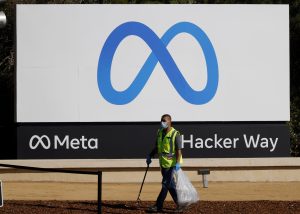
Meta could layoff 20% of company


Nearly 16,000 workers at Meta may be getting pink slips soon in what would amount to one of the internet company's largest layoffs ever, according to a Reuters report

The potential layoffs, which Reuters said could affect 20% or more of the company, are part of Meta's efforts to leverage AI tools internally to cut its operating costs—and to offset the massive capital expenditures it's making in AI data centers (the company plans to double capex this year to as much as $135 billion, compared to $72.2 billion in 2025).

The report is sure to exacerbate anxiety about AI's impact on jobs. In February, Block CEO Jack Dorsey said he was slashing 40% of the fintech company's headcount because of AI, and last week Atlassian cited AI for its decision to lay off 10% of the company. The Meta layoffs could provide an even more high-profile example that other companies choose to follow.

Meta, which had roughly 79,000 employees at the end of 2025, last had major layoffs in 2022 and 2023. At the time, CEO Mark Zuckerberg ascribed the job cuts to over-hiring during the pandemic. Given that Meta's business is currently booming, with revenue of $201 billion up 22 percent in 2025, the company is likely to face questions over its decision to eliminate jobs.

The exact size and timing of the layoffs are still to be determined, Reuters reported. A Meta representative told Reuters its report about potential layoffs was "speculative reporting about theoretical approaches."—AO

Apple cuts China App Store fees

Apple is lowering its App Store commission in China from 30% to 25%—a significant climb-down in its most important market outside the U.S.

The fee reduction, which Apple says follows "discussions with the Chinese regulator," also trims the rate for mini apps (the lightweight programs that run within platforms like WeChat) from 15% to 12%. Smaller developers who generated under $1 million in revenue the prior year get the same discounted rate.

The move is designed to defuse a long-running standoff with Chinese tech giants Tencent and ByteDance, which have pushed back on Apple's commission for years claiming it cuts directly into their revenue. Analysts say the lower fees could add a low-single-digit percentage bump to Tencent's 2026 earnings.

Laws and regulatory pressure in the EU and Japan have recently forced Apple to cut rates. In China, regulators launched a formal antitrust investigation into Apple's App Store fees last year, but no formal laws have followed.—Beatrice Nolan

Palantir CEO on Pentagon-Anthropic feud

Palantir, the Miami-based data analytics and artificial intelligence platform, is a key software provider for the Department of Defense—and the main channel by which the Department has been using Anthropic’s large language model, Claude.

That puts Palantir and its CEO Alex Karp, right in the middle of the ongoing feud.

Karp, who spoke to Fortune in an interview during Palantir's A