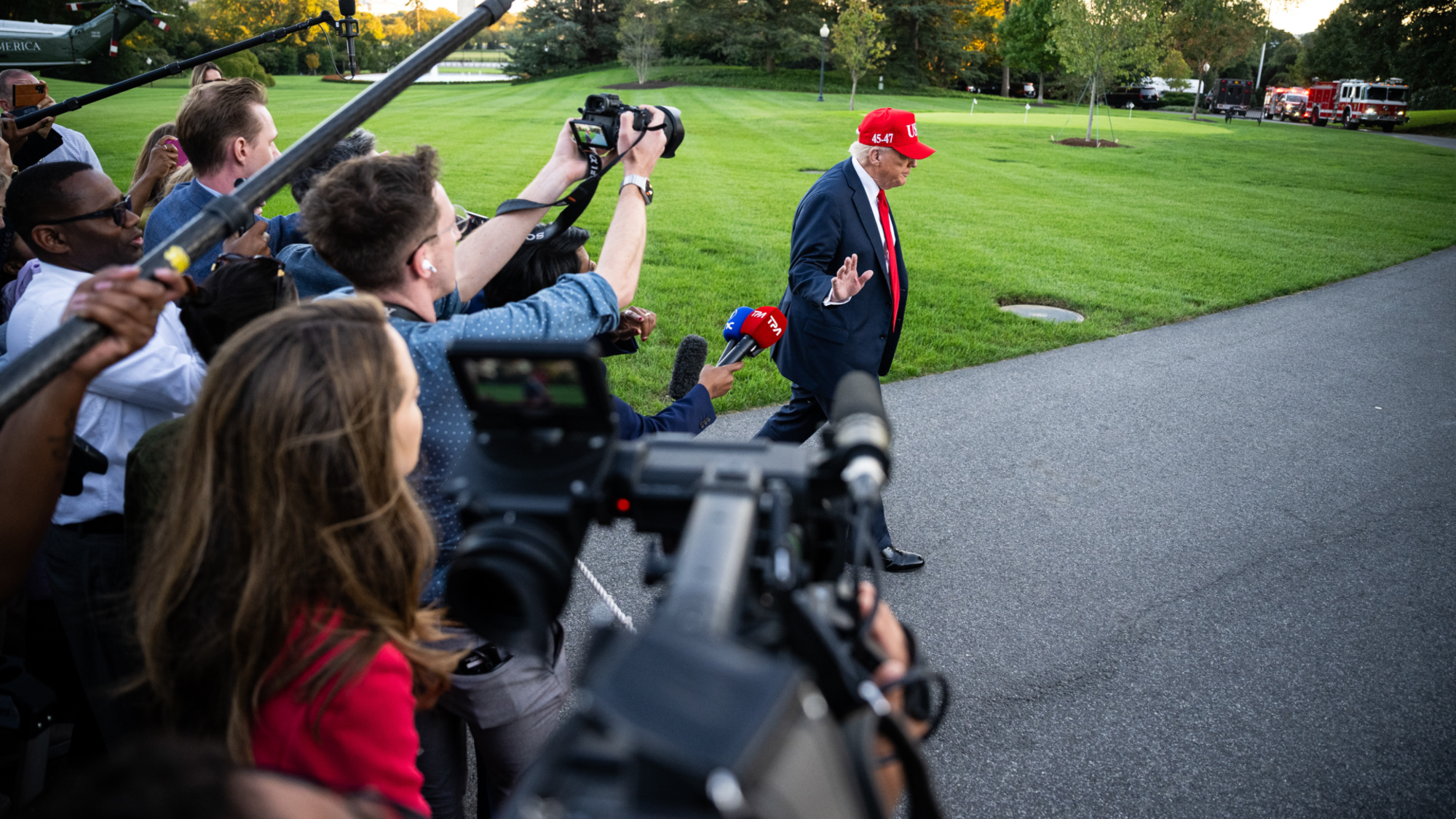
As the Iran war drags on, Trump has worked to project a sense of American strength, perhaps at odds with the war’s progress. With little end to the violence in sight, has this war of choice affected Trump’s personal bandwidth for action and the willingness of even his ostensible allies to advocate on his behalf?
While many Americans give their country “positive reviews,” a number of the U.S.’s closest allies offer “far less flattering ratings,” said Politico. As Trump’s “aggressive posture” geopolitically disrupts the “longstanding world order,” the U.S.’s global reputation “appears far worse than Americans realize.” What’s “especially depressing” about this is that it’s based on data reflecting “international attitudes before the debacle in Iran,” said economist Paul Krugman on his Substack. The “general public” may not realize that Trump’s America offers “no reward to nations that come to its aid” and “does nothing to punish nations that aid its adversaries.” But “every leader in the world” has noticed and “will treat the United States accordingly,” said Krugman.
In Iran, Trump wants a “quick victory and a conventional confrontation,” said historian Arash Azizi at El Mundo America. Thus far, he has “not had it,” and if the war results in a situation “similar to the current one,” Trump could be “seen as a loser.”
Trump’s inability to articulate a strong justification for the war highlights an “inconvenient” truth for the administration to admit, said The Guardian: This war is a “distraction” from his growing unpopularity. The irony, then, is that Trump will struggle to “consolidate his authoritarian regime” because he’s “simply not popular enough to do so.” |