By Ross Kerber, U.S. Sustainable Business Correspondent |
|
|
Calls on companies to discipline their employees over their personal social media posts got me thinking about exactly where U.S. executives will draw the line on protecting freedom of speech, and where they should draw it.
You can read up on what I found in my column this week, linked below. I also flagged a story about a new Delta Air Lines policy that might hasten the end of the partial U.S. government shutdown, and a big jury verdict against Meta Platforms.
Please follow me on LinkedIn and/or Bluesky. You can reach me via ross.kerber@thomsonreuters.com.
|
|
|
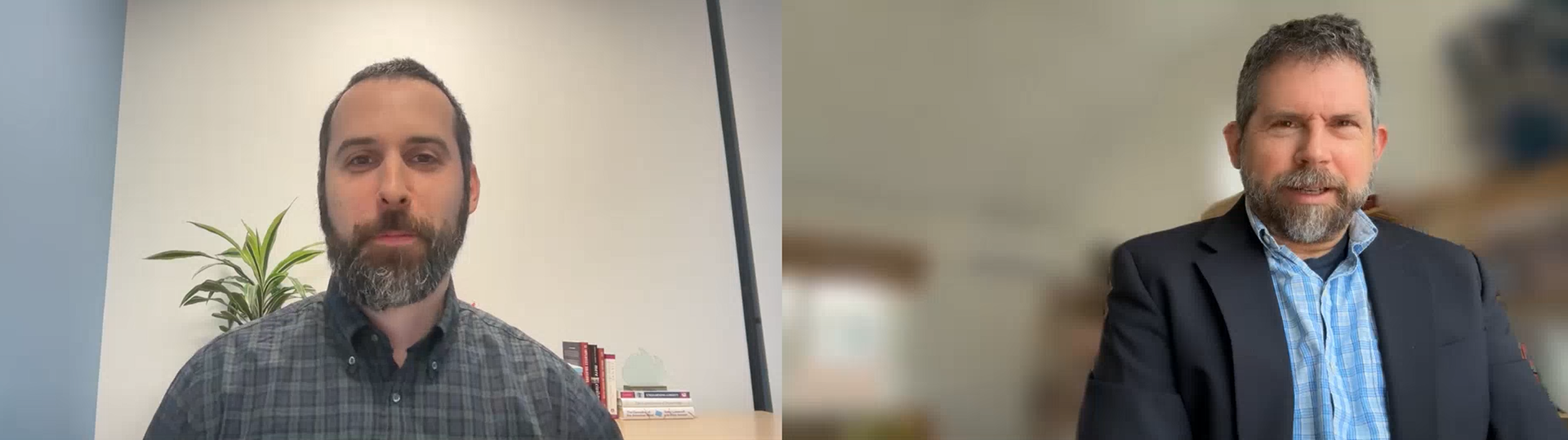
An image captured from my video interview with Aaron Terr of FIRE.org |
FIRE.org wants US companies to follow the First Amendment |
We Americans pride ourselves on respecting freedom of speech, enshrined by the First Amendment of the U.S. Constitution that prohibits government meddling in our expressions, worship, assembly and writing.
But legally the framework does not apply to private companies. The growth of social media has created a host of cases in which employees find themselves disciplined or fired for comments they considered routine, however sharp. Sometimes the consequences came in the wake of popular backlash against their employers, a dynamic known as "cancel culture."
For instance my colleagues reported in November on how more than 600 people faced consequences over posts they made in the wake of the assassination of right-wing influencer Charlie Kirk, in some cases noting his support for gun rights.
In another case in 2024, Honeywell defeated a lawsuit from an engineer who claimed he was fired over his refusal to participate in diversity, equity and inclusion training.
It seems important to decide just how much our institutions should protect our free speech, as social media platforms grow and as President Donald Trump's administration cracks down on universities and news media. For guidance I spoke with Aaron Terr, Director of Public Advocacy for the Foundation for Individual Rights and Expression.
You can read our discussion and watch a video of it in my column this week, by clicking the button below. His key point is that even if U.S. executives aren't bound by the First Amendment, we'd all be better off if they acted like they were. |
|
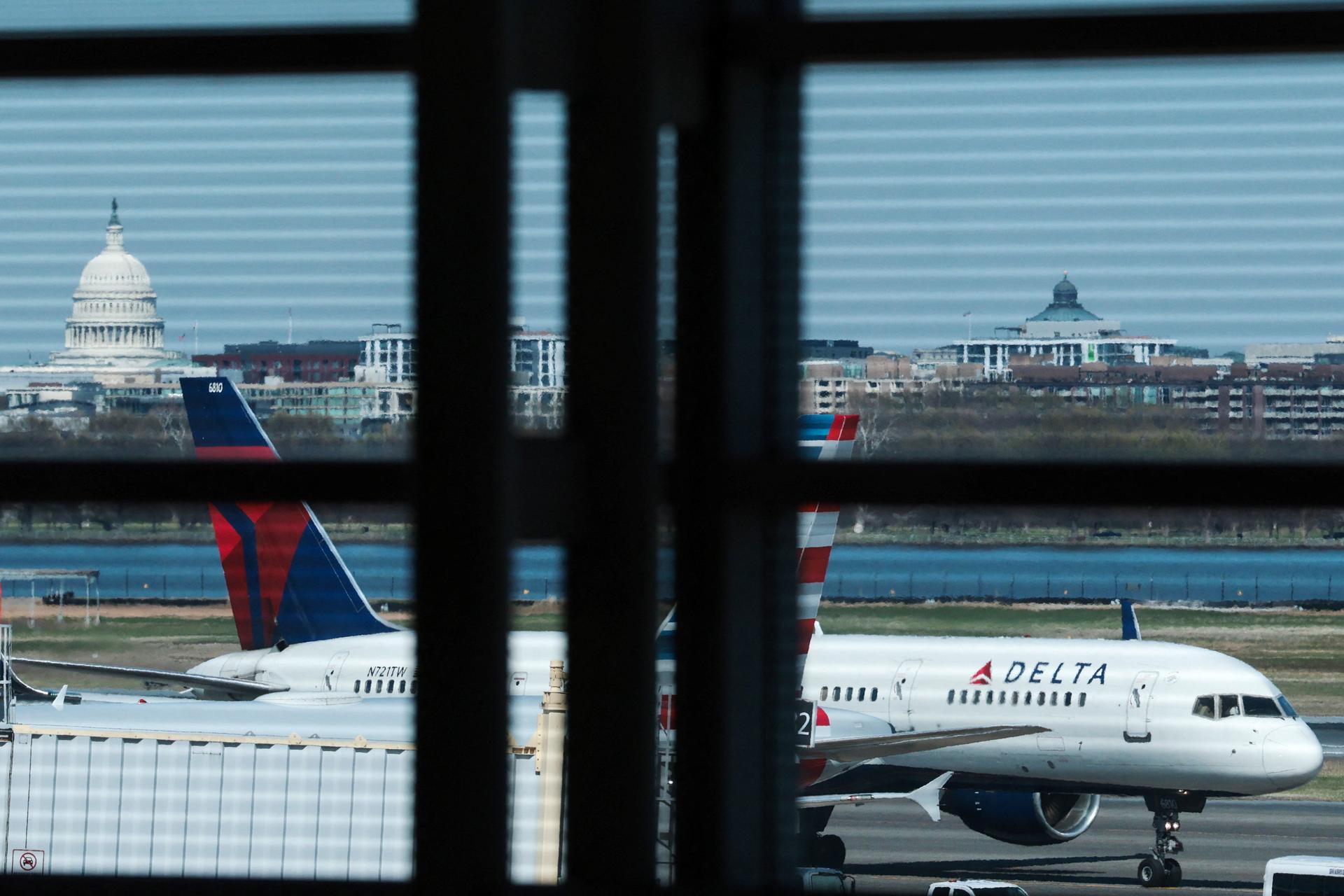
| A Delta Air Lines jet taxis at Washington Reagan National Airport in Arlington, Virginia, U.S., March 24, 2026. REUTERS/Jonathan Ernst |
|
|
-
U.S. members of Congress and their staffs will no longer get VIP airport perks like escorts or seat upgrades, Delta Air Lines said, citing the impact of a partial government shutdown that has disrupted air travel.
-
Unless individuals share in market gains, the artificial intelligence boom risks widening the wealth gap, BlackRock CEO Larry Fink warned in his annual letter.
-
Meta Platforms violated New Mexico law, a jury found in a lawsuit brought by the state attorney general that accused the company of misleading users about the safety of its platforms and enabling child sexual exploitation. The jury ordered Meta to pay $375 million in civil penalties.
|
|
|
| |
|
|
|
Reuters Sustainable Finance is sent weekly. Think your friend or colleague should know about us? Forward this newsletter to them. They can also sign up here.
Want to stop receiving this email? Unsubscribe here. To manage which newsletters you're signed up for, click here.
This email includes limited tracking for Reuters to understand whether you’ve engaged with its contents. For more information on how we process your personal information and your rights, please see our Privacy Statement.
Terms & Conditions
|
|
| |
|
|
|
|