Plus: Quiet backlash is brewing against the billionaire Walmart heirs who remade Bentonville.
 ͏  ͏  ͏  ͏  ͏  ͏  ͏  ͏  ͏  ͏  ͏  ͏  ͏  ͏  ͏  ͏  ͏  ͏  ͏  ͏  ͏  ͏  ͏  ͏  ͏  ͏  ͏  ͏  ͏  ͏  ͏  ͏  ͏  ͏  ͏  ͏  ͏  ͏  ͏  ͏  ͏  ͏  ͏  ͏  ͏  ͏  ͏  ͏  ͏  ͏  ͏  ͏  ͏  ͏  ͏  ͏  ͏  ͏  ͏  ͏  ͏  ͏  ͏  ͏  ͏  ͏  ͏  ͏  ͏  ͏  ͏  ͏  ͏  ͏  ͏  ͏  ͏  ͏  ͏  ͏  ͏  ͏  ͏  ͏  ͏  ͏  ͏  ͏  ͏  ͏  ͏  ͏  ͏  ͏  ͏  ͏  ͏  ͏  ͏  ͏  ͏  ͏  ͏  ͏  ͏  ͏  ͏  ͏  ͏  ͏  ͏  ͏  ͏  ͏  ͏  ͏  ͏  ͏  ͏  ͏  ͏  ͏  ͏  ͏  ͏  ͏  ͏  ͏  ͏  ͏  ͏  ͏  ͏  ͏  ͏  ͏  ͏  ͏ ­ ­ ­ ­ ­ ­ ­ ­ ­ ­ ­ ­ ­ ­ ­ ­ ­ ­ ­ ­ ­ ­ ­ ­ ­ ­ ­ ­ ­ ­ ­ ­ ­ ­ ­ ­ ­ ­ ­ ­ ­ ­ ­ ­ ­ ­ ­ ­ ­ ­ ­ ­ ­ ­ ­ ­ ­ ­ ­ ­ ­ ­ ­ ­ ­ ­ ­ ­ ­ ­ ­ ­ ­ ­ ­ ­ ­ ­ ­ ­ ­ ­ ­ ­ ­ ­ ­ ­ ­ ­ ­ ­ ­ ­ ­ ­ ­ ­ ­ ­ ­ ­ ­ ­ ­ ­ ­ ­ ­ ­ ­ ­ ­ ­ ­ ­ ­ ­ ­ ­ ­ ­ ­ ­ ­ ­ ­ ­ ­ ­ ­ ­ ­ ­ ­ ­ ­ ­  
Fortune 500 Digest with Alyson Shontell
Saturday, April 4, 2026
Foreword
Alyson Shontell
Editor-in-Chief

One of the keys to startup success is knowing when to sell.

John Coogan and Jordi Hays, the two young founders of TBPN, a daily tech show that streams on YouTube and X, perfectly timed their exit this week, selling to OpenAI for a price in the “low hundreds of millions,” according to the FT.

The initial reaction from the industry was, “What the?!” Even inside OpenAI, some employees reportedly thought it was an April Fools’ joke. But TBPN, which stands for Technology Business Programming Network, could theoretically help OpenAI in a couple of ways.

First, it gives OpenAI access to distribution for its own marketing and communications at scale. For over a year, the company has seriously struggled with its public image, and TBPN could help—though the founders say there’s a clause in the deal terms that will allow them to maintain editorial integrity. It’s also possible that this was an acqui-hire, and that the hosts of TBPN could fill a communications and marketing void going forward for the AI giant. The chief communications officer role at OpenAI has remained vacant since Hannah Wong departed earlier this year. The TBPN acquisition was internally championed by Fidji Simo, OpenAI’s CEO of applications, who has been overseeing its communications department. (Simo announced Friday that she’d be taking a planned medical leave for several weeks.)

AI in general has a bit of a PR problem in the United States. Optimism about the technology is considerably lower in the U.S. than in China, which some worry could prevent the United States from winning the global AI race. A more AI-positive show like TBPN could help change the broader narrative.

Finally, live video programming is arguably one of the most defensible and trustworthy forms of media in an AI-generated content world. As AI gets ever better at video and audio creation, how will anyone know what’s true and made by a human—or what’s fabricated by AI? A live broadcast can clear up a lot of those gray areas.

So, is the acquisition a smart move? For TBPN, absolutely. The founders appear to be selling their 1.5-year-old startup at a huge multiple to what they are generating—the show did roughly $5 million in revenue in 2025, and was targeting around $30 million this year. We will likely look back on this exit for creators as a parallel to the Huffington Post–AOL acquisition moment, when HuffPo’s $315 million sale convinced investors that digital media could be much more than boxer-clad bloggers in their parent’s basements.

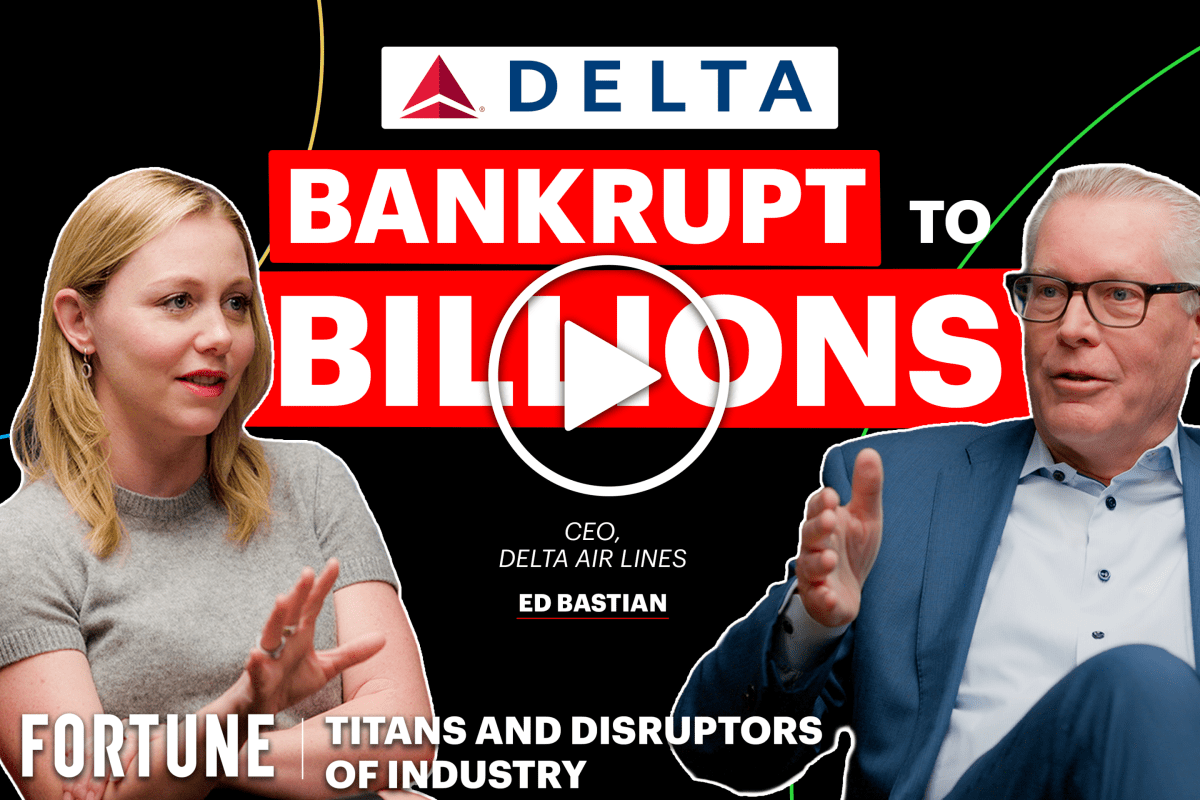
In other news, I sat down with Delta Air Lines (No. 70) CEO Ed Bastian for the latest episode of my Fortune 500: Titans and Disruptors of Industry podcast. Bastian’s tenure at the airline is a great leadership case study on how to build a winning culture and turn around a business. As an executive at Delta for almost 30 years and CEO for the last 10, he helped resurrect the airline from bankruptcy, strengthened a long-lasting partnership with American Express (No. 58) that now produces more than 10% of Delta’s annual revenue, and has earned Fortune 100 Best Companies to Work For recognition—thanks in part to a $1 billion-plus annual profit-sharing program he created for employees.

If you want to learn how the best CEOs lead and motivate their teams, Bastian is someone worth studying. Check out the episode here.

Follow Alyson on X, LinkedIn, TikTok, Instagram, and the Titans and Disruptors vodcast.

Advertisement
Catch Up
Fortune 500 C-suite Power Moves
Alaska Air Group (No. 362) appointed Lindsay-Rae McIntyre Chief People Officer. Home Depot (No. 24) named Franziska “Fran” Bell CTO, effective April 6. Broadcom (No. 88) appointed Amie Thuener CFO, effective June 12. S&P Global (No. 305) appointed Firdaus Bhathena Chief Technology and Transformation Officer, effective April 27.
And more in this week's Fortune 500 Power Moves.
Advertisement
Deals & Developments
  • Amazon (No. 2) acquired Fauna Robotics, the maker of Sprout, a $50,000 humanoid robot designed as a social companion that can also integrate with other technology.
  • Microsoft (No. 14) announced a wave of AI infrastructure investments across Asia, committing $10 billion to Japan, $5.5 billion to Singapore, and $1 billion to Thailand.
  • Microsoft (No. 14) and Chevron (No. 16) are in exclusive talks to colocate gas-fired power plants with a new AI data center in West Texas. If the deal closes, it would be the biggest partnership yet between an oil and gas giant and a Big Tech company.
  • Intel (No. 86) is repurchasing a 49% stake in Irish chip fabrication plant Fab 34 that it sold to Apollo Global Management (No. 163) in 2024. The buyback comes at a $14.2 billion cost, up from the $11.2 billion the company sold it for two years ago. CFO David Zinsner cited a "stronger balance sheet, improved financial discipline, and an evolved business strategy" as drivers of the decision.
  • Uber Technologies (No. 101) agreed to acquire Chauffeur, a Berlin-based luxury ride-hailing app. Financial terms were not disclosed.
Overheard
“I didn’t expect that we’d be getting multiples of salary. As the numbers kept coming, the excitement got more and more unbelievable.”
—Kenny Kong, a quality control and data analyst at CoolIT, regarding the payouts averaging $240,000 that he and his coworkers got when KKR (No. 145) sold their company.
On earnings calls:
  • TD Synnex (No. 73) beat expectations with $17.16 billion in quarterly revenue, a more than 18% increase from the same quarter last year. The company’s Hyve Solutions subsidiary, which provides infrastructure for data centers, saw revenue grow 24%.
  • Nike (No. 90) topped revenue expectations with $11.28 billion in quarterly sales (flat year-over-year) but projected a 2% to 4% decline for the current quarter, including a 20% drop in China. CEO Elliott Hill, who presented a turnaround plan in October 2024 when he took over the company, said that “because of the scale and breadth of the Nike portfolio, that progress will not happen all at once.”
  • Conagra Brands (No. 350) beat estimates with $2.79 billion in quarterly revenue, down nearly 2% year-over-year. Steady inflation has led to high commodity costs for the company’s food and beverage offerings, and CEO Sean Connolly maintained, “this is not an easy operating environment, but we have delivered on our expectations to date.”
  • PVH (No. 449)