| | Iran and the US both reject ceasefire plans as Trump’s deadline looms, JD Vance heads to Hungary, an͏ ͏ ͏ ͏ ͏ ͏ |
| |  Tehran Tehran |  Taipei City Taipei City | Budapest |
 | Flagship |  |
| |
|
The World Today | 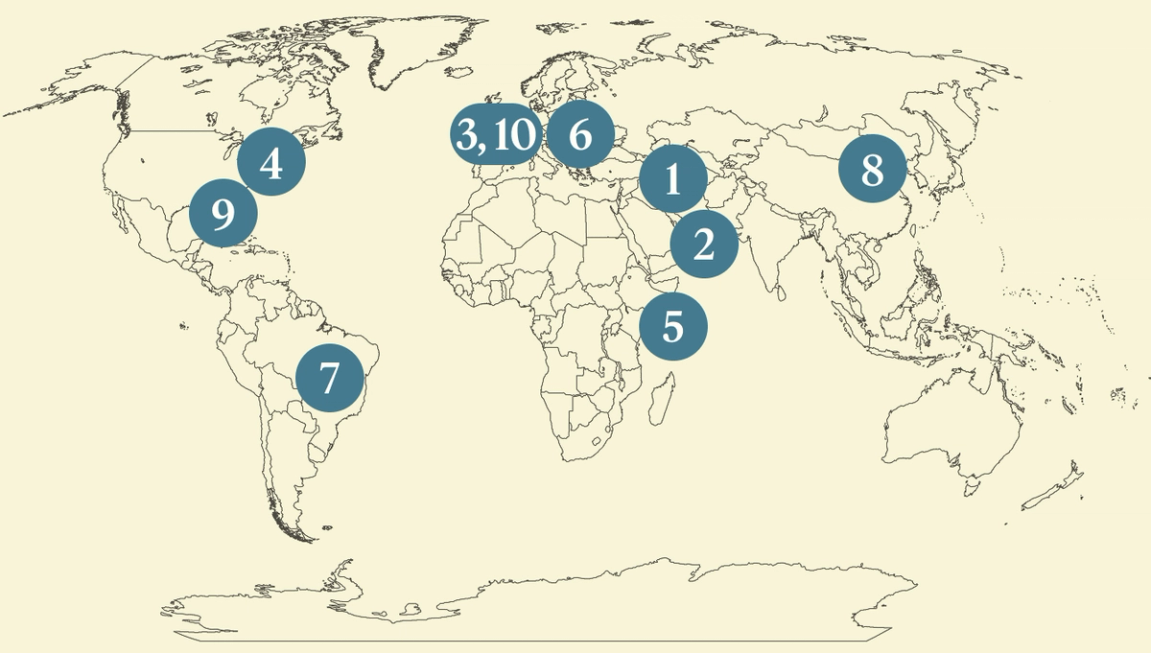 - Iran, US reject ceasefire
- Oil up, stocks also up
- Allies need, but distrust, US
- US plastics industry boost
- Somalia’s first oil drilling
- Vance in Hungary for Orbán
- Bolsonaro family comeback
- Taiwan opposition in China
- Artemis heading home
- Paris Catacombs renovation
 An ‘important’ biography of the first South Asian actor to be nominated for an Academy Award. |
|
US, Iran reject proposed ceasefire |
 Majid Asgaripour/WANA/Reuters Majid Asgaripour/WANA/ReutersBoth Iran and the US rejected a 10-point peace plan put forward by mediators, as President Donald Trump’s latest deadline loomed. Trump reiterated his threat to devastate Iran’s civilian infrastructure if Tehran does not reopen the Strait of Hormuz by Tuesday night; he said the deal, proposed by Pakistan and other regional powers, was a step forward, but not enough. Iran, meanwhile, rejected any ceasefire until US hostilities ended. Trump has made, and extended, deadlines repeatedly throughout the conflict, and “diplomats around the world were asking whether Mr. Trump would find an off-ramp again or if he would follow through this time,” The New York Times reported. |
|
Stocks up, bucking wartime trend |
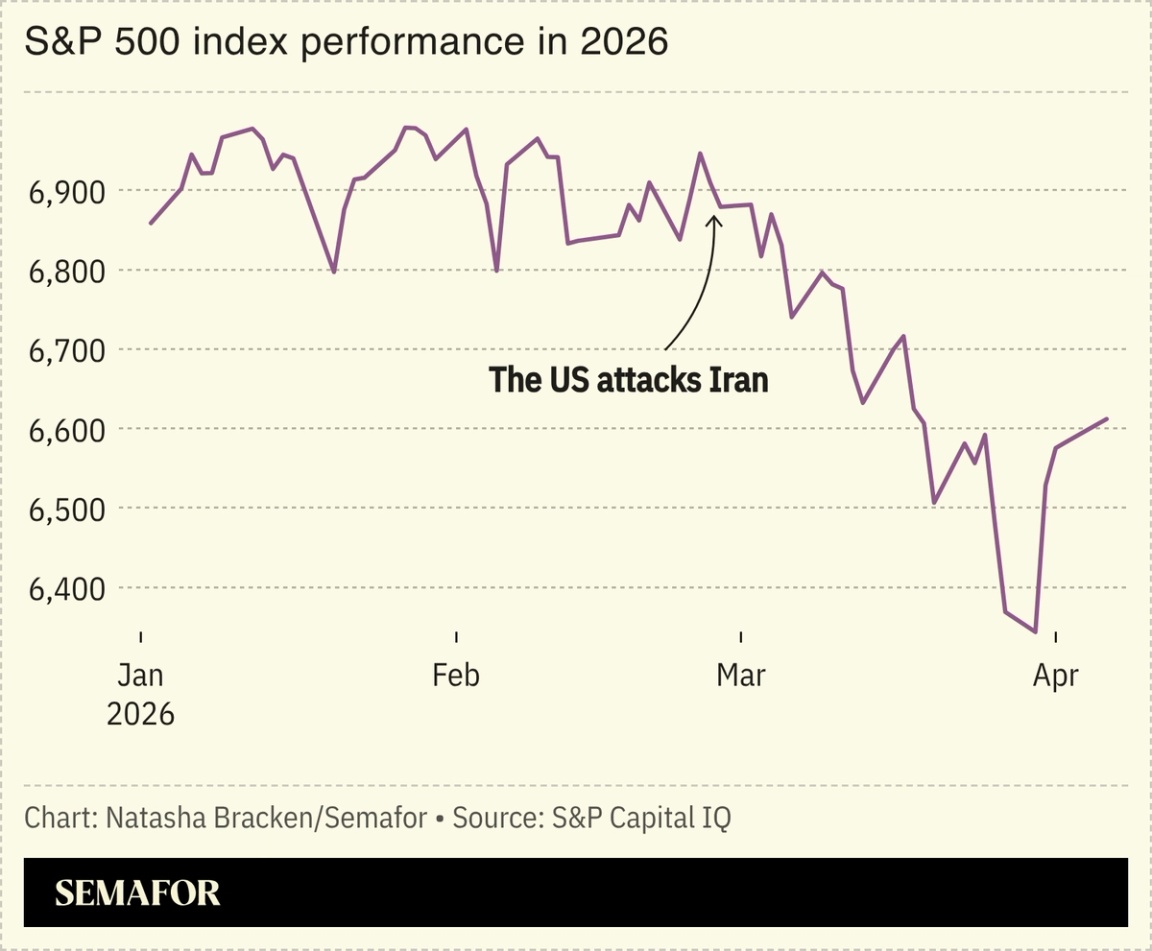 Oil prices rose to around $111 a barrel after the US and Iran rejected a ceasefire deal, but stocks also edged higher, breaking with the “oil up, stocks down” trend. Though there was a “noticeable uptick” in traffic through the Strait of Hormuz over the weekend, most ships remained blocked, and oil markets reacted. But unusually, stock markets edged higher Monday, breaking the pattern that has largely held since the war began in late February. There are confounding factors: The US jobs data for March was released on Friday, and investors were unable to trade on the news until after the long weekend. But it may be a sign the markets have priced an ongoing energy shock into their calculations. |
|
Allies need US but cannot trust it |
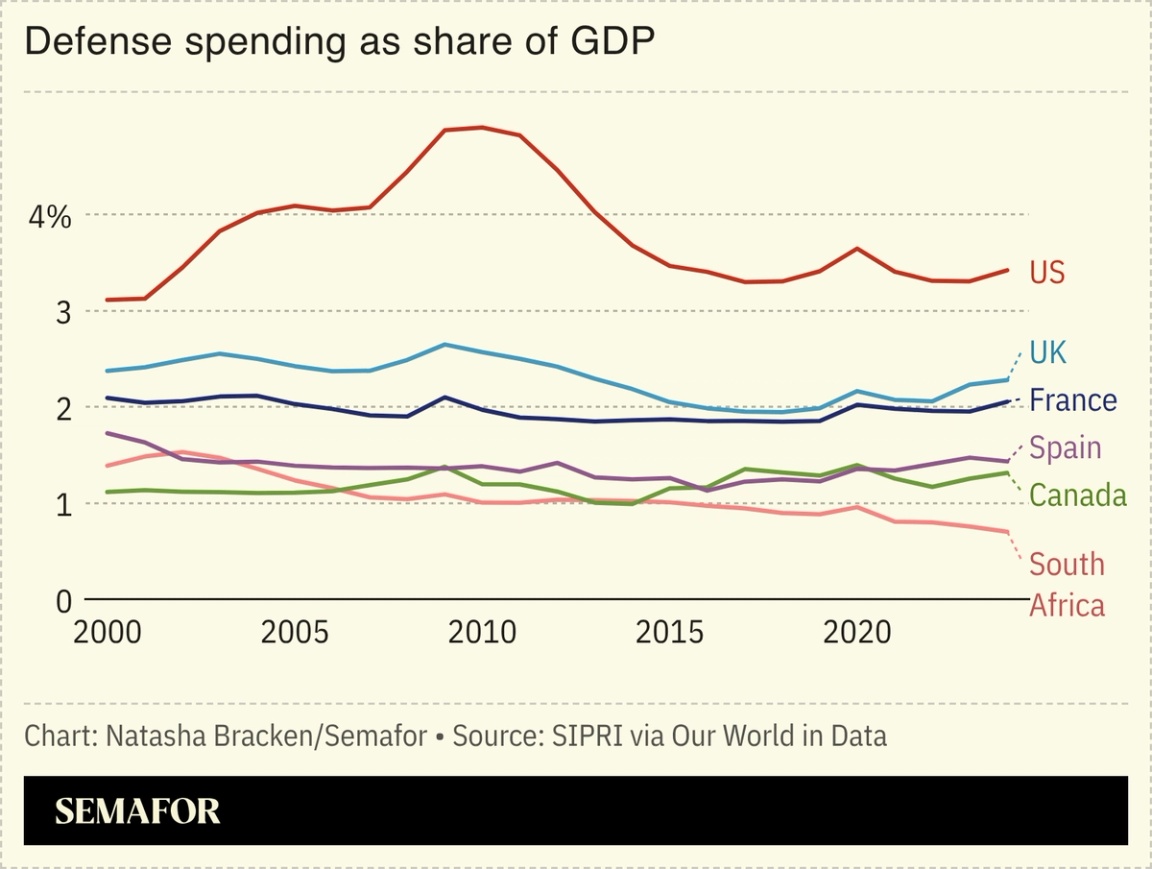 Nations in Asia, Europe, and the Middle East remain reliant on a Washington they no longer trust. Many “wonder if they are even allies anymore,” The Wall Street Journal’s chief foreign affairs correspondent reported, as US President Donald Trump insults their leaders, withdraws from international institutions, and presses on with a war that is damaging their economies. But they are dependent on US arms and security guarantees, and efforts from so-called middle powers to develop a new order could take years. Iran’s stranglehold over the Strait of Hormuz creates a similar quandary for Gulf nations: They need the waterway but cannot rely on it. Efforts to reroute energy supplies are racing ahead, a UAE diplomat wrote in the Financial Times. |
|
Iran war buoys US plastics firms |
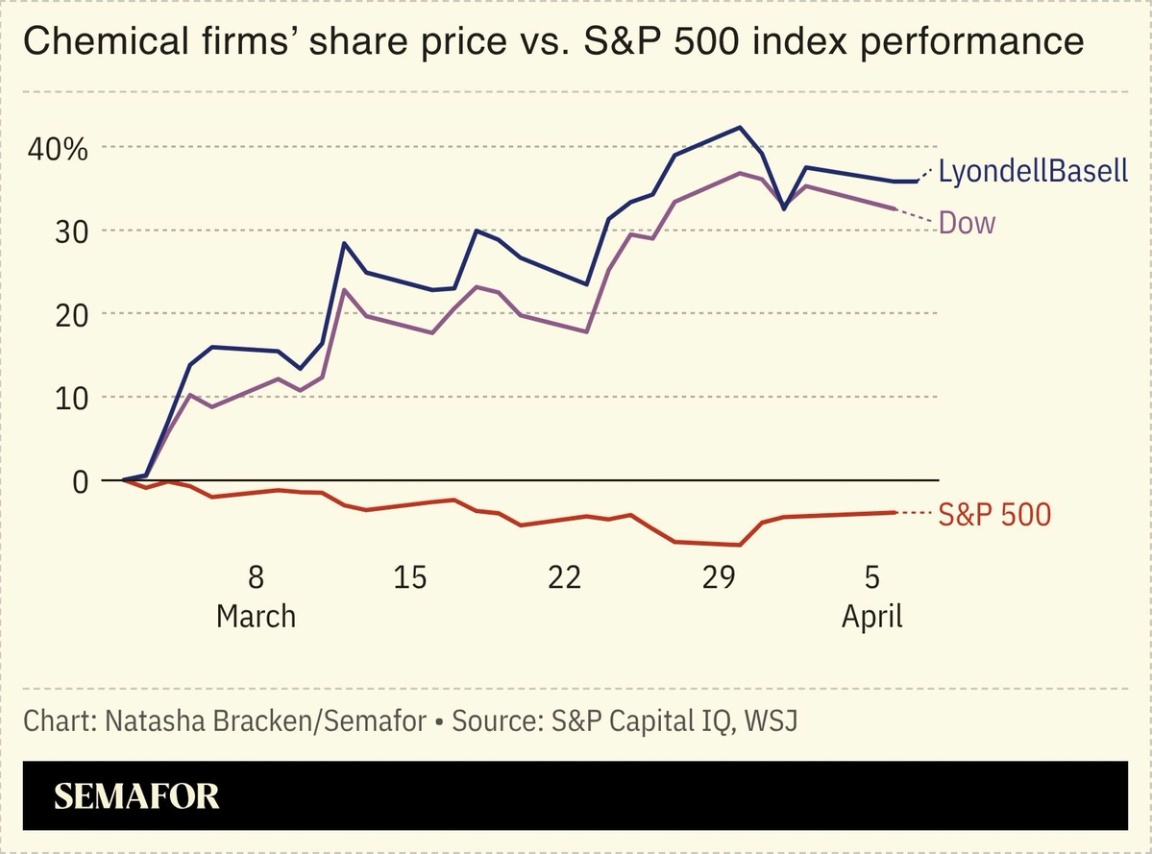 The US plastics industry has emerged as one of the few winners of the Iran war. Oil is the key raw material for plastics, and production has been scaled back in Asia, Europe, and the Middle East, sending prices soaring. US chemical companies have stepped up their own output and hiked prices accordingly, good news for a sector struggling with overproduction and decreased demand in recent years. It is less rosy for US consumers, who will see rising prices across industries from packaging and construction to auto manufacturing and health care. Plastics are not the only industry whose chief inputs have been hit by the war: Cosmetics, fertilizers, textiles, and others will all see shortages and price rises, OilPrice.com reported. |
|
Somalia kicks off oil project |
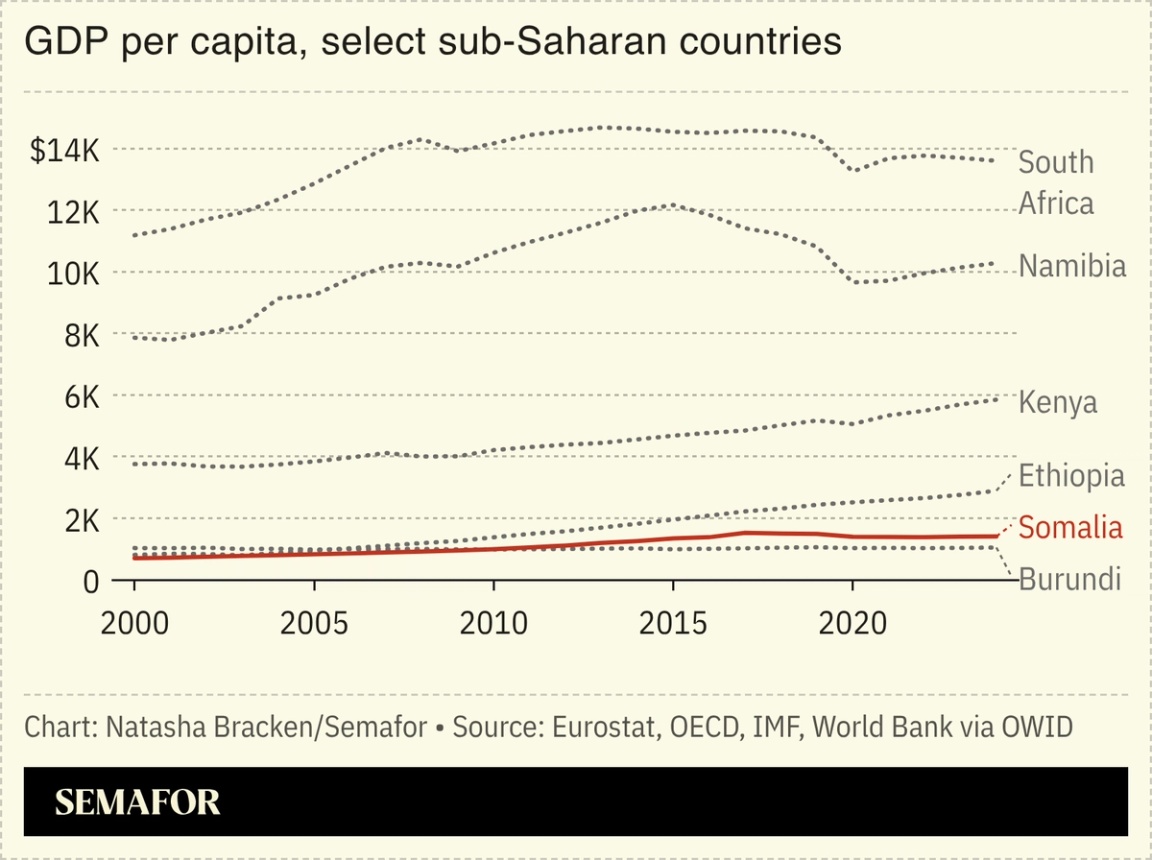 Somalia prepared its first offshore drilling operation, which it hopes will unlock a major new income stream and make Somalia a regional energy player. A Turkish drilling ship is in the Arabian sea as part of an energy cooperation deal signed by Ankara and Mogadishu in 2024. Somalia joins other African nations seeking to increase oil exports — Nigeria’s Dangote refinery boosted its output this week, and other countries are stepping up refinement — which should reduce risks of future regional energy crunches. But it may not be uniformly good news for the nations themselves: Many major exporters have fallen victim to the “resource curse,” whereby countries’ abundant raw materials do not translate into wealth for the population. |
|
Vance in Hungary to lift Orbán |
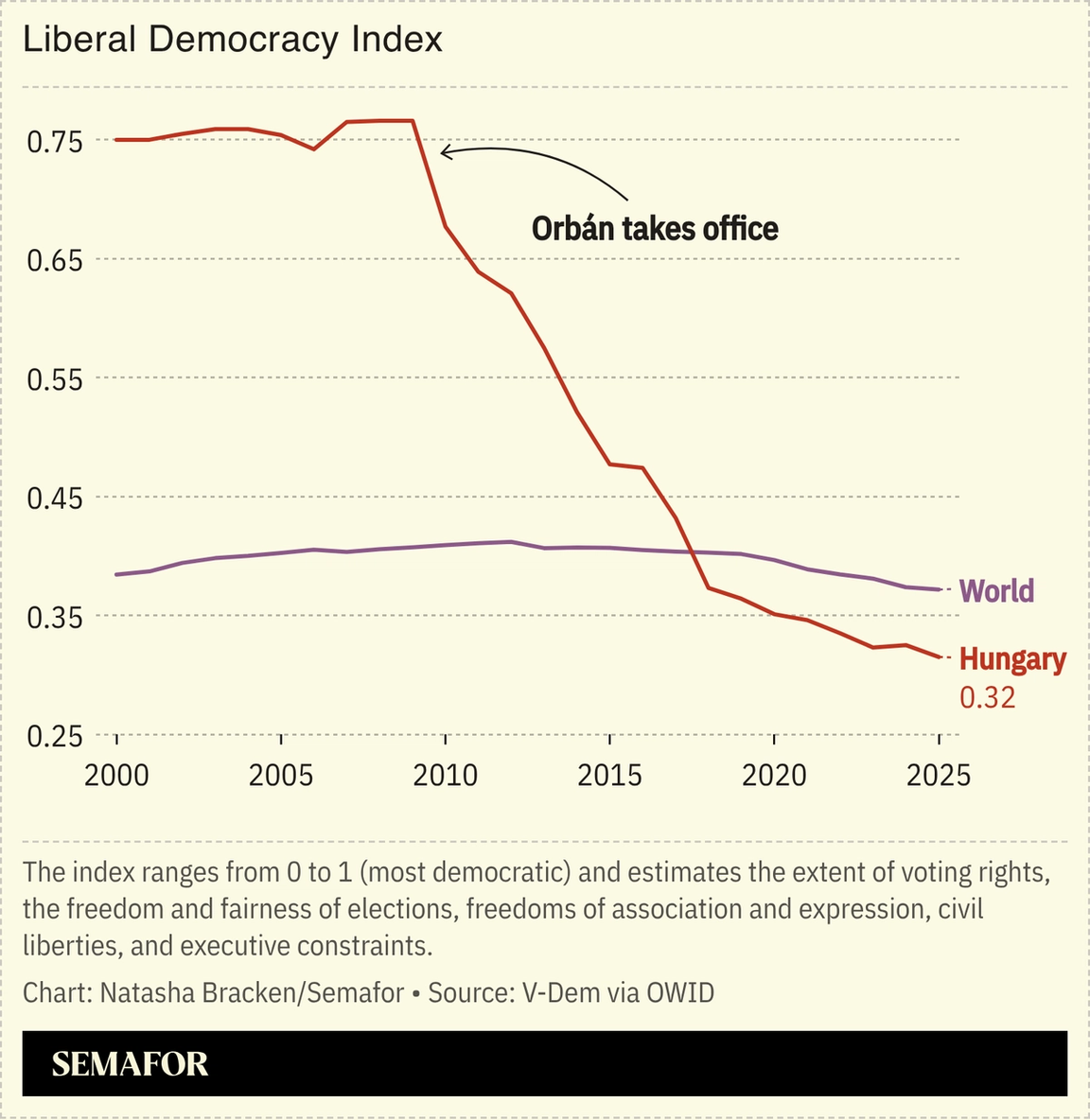 US Vice President JD Vance arrived in Hungary to support Prime Minister Viktor Orbán, who is trailing in polls ahead of this weekend’s election. Young voters in particular have shunned Orbán’s hard-right party, mainly over economic concerns and his closeness with Moscow. Orbán is also an ally of US President Donald Trump, and was the first European leader to back him ahead of the 2016 election. The Hungarian leader is hoping Vance’s visit will boost his credentials as an internationally respected leader. But it’s a gamble: Trump is unpopular in Europe, and even the continent’s formerly supportive populist right has lately distanced itself from him. Some Hungarians, though, fear that it may not matter if Orbán rigs the election. |
|
 Oura, the smart ring favored by executives, finance bros, and Silicon Valley longevity-maxxers, is a big, lucrative business. On this week’s episode of Compound Interest, presented by Amazon Business, Liz and Rohan dive into the economics of that business with CEO Tom Hale, uncovering a surprising key demographic driving Oura’s growth, the financialization of better sleep, and the company’s public market aspirations. Listen to the latest episode of Compound Interest now. |
|
Bolsonaros eye Brazil comeback |
 Flávio Bolsonaro, Brazil’s former President Jair Bolsonaro’s son. Callaghan O’Hare/File Photo/Reuters Flávio Bolsonaro, Brazil’s former President Jair Bolsonaro’s son. Callaghan O’Hare/File Photo/ReutersBrazil’s Bolsonaro family could be making a political comeback. Former President Jair Bolsonaro was jailed for 27 years for plotting a coup; his eldest son and heir apparent was thrown out of Congress and is living in the US. The family “looked to be politically finished,” the Financial Times said, but Jair’s more mild-mannered son Flávio has appeared as a competitive candidate with six months to go before the country’s presidential election. Sitting President Luiz Inácio Lula da Silva is 80 and facing serious voter concerns about the economy and crime as he seeks a fourth term. Flávio, youthful at 44, is tied with the incumbent in polls, and accuses Lula of being too close to China. |
|
Taiwan China visit sparks criticism |
 Cheng Li-wun. Ann Wang/File Photo/Reuters Cheng Li-wun. Ann Wang/File Photo/ReutersTaiwan’s opposition leader kicked off a landmark visit to mainland China, a trip critics have said is part of Beijing’s efforts to sow division on the island. Cheng Li-wun’s trip, the first by the head of the Kuomintang in a decade, comes weeks before a scheduled summit in Beijing between US President Donald Trump and Chinese leader Xi Jinping, and with Taiwan’s legislature deadlocked over a major expansion of defense spending amid increasing military pressure from China. Cheng’s arrival in Shanghai marks a remarkable transformation for her: She was a firebrand in favor of Taiwanese independence, but now supports engagement with Beijing. Opponents in Taiwan, however, see her as “a fair-weather politician, an opportunist with little principle.” |
|
Artemis II heads back to Earth |
 NASA/Handout via Reuters NASA/Handout via ReutersThe Artemis II crew began their journey back to Earth after reaching the far side of the moon on Monday, the farthest any human has ever traveled from our planet. The crew saw parts of the moon’s surface never before seen on their flyby — during which they were out of contact with mission control for about 40 minutes — and requested permission to name two previously unknown craters. They called one Integrity, after the Orion-class capsule they traveled in, and the other one Carroll, after the mission commander Reid Wiseman’s wife, who died of cancer in 2020. “We saw sights that no human has ever seen, not even Apollo,” Wiseman told US President Donald Trump, “and that was amazing for us.” |
|
|


