Plus, BYD’s slide continues

Get full access to Reuters.com for just $1/week. Subscribe now.


Auto File

Auto File

By Nick Carey, European Autos Correspondent


Greetings from London!

In what looked like good news this morning, Britain’s car industry group the Society of Motor Manufacturers and Traders (SMMT) released data showing the country’s strongest month for new car sales since the pre-COVID days of March 2019.

But the bad news lurking behind that good number is that most of those sales were for cars ordered before the Iran war began on February 28. Sales are expected to slow as rising energy costs and interest rates take a toll on consumer confidence. Separately, Hyundai has warned that the war is disrupting exports to Africa and Europe, highlighting growing strains on global supply chains.

Expect the bad news from automakers and suppliers to multiply the longer the conflict continues.

Which brings us to today’s Auto File…

Today

  • U.S. worries about Chinese EVs
  • BYD’s bad run goes on
  • Tesla’s inventory problem


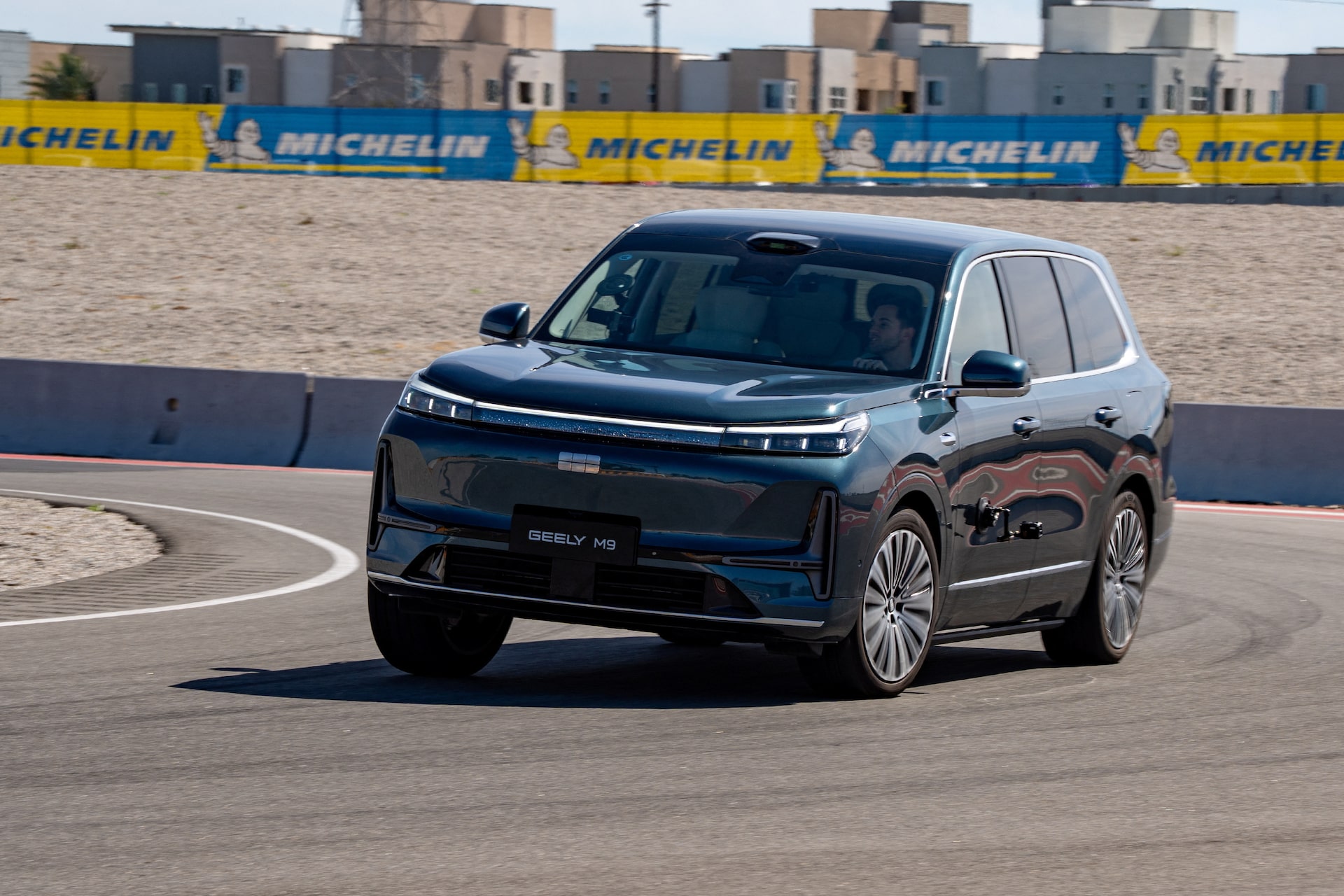
The Galaxy M9, better than the local competition - Edmunds/Handout via REUTERS.

Worried about Chinese EVs…?

Well, you should be if you’re a U.S. automaker, says car-shopping website Edmunds.

As Reuters colleague Nora Eckert reports, Edmunds tested a Geely Galaxy M9 hybrid SUV – that starts at about $25,000 - and found that many of its features are ahead of vehicles available to U.S. consumers today.

You can read all about it here.

Edmunds had to make special arrangements with Geely to test the car in the United States.

But there are many Chinese EVs on the market in Europe already. And while European and Korean automakers in particular are working hard to catch up, it is already obvious to many outside the United States that the Chinese make the best EVs.

While President Donald Trump has occasionally flirted with allowing Chinese automakers to build U.S. factories, there is growing opposition to letting that happen.

Three Democratic U.S. senators have now joined auto lobby groups in calling for a ban on Chinese automakers building U.S. factories. They also want Trump to prevent Chinese cars assembled in Mexico or Canada from entering the United States.


Essential Reading

  • Scrap the U.S. gas tax
  • Asia-Pacific surge in EV interest
  • Iran war to hit India’s auto supply chain


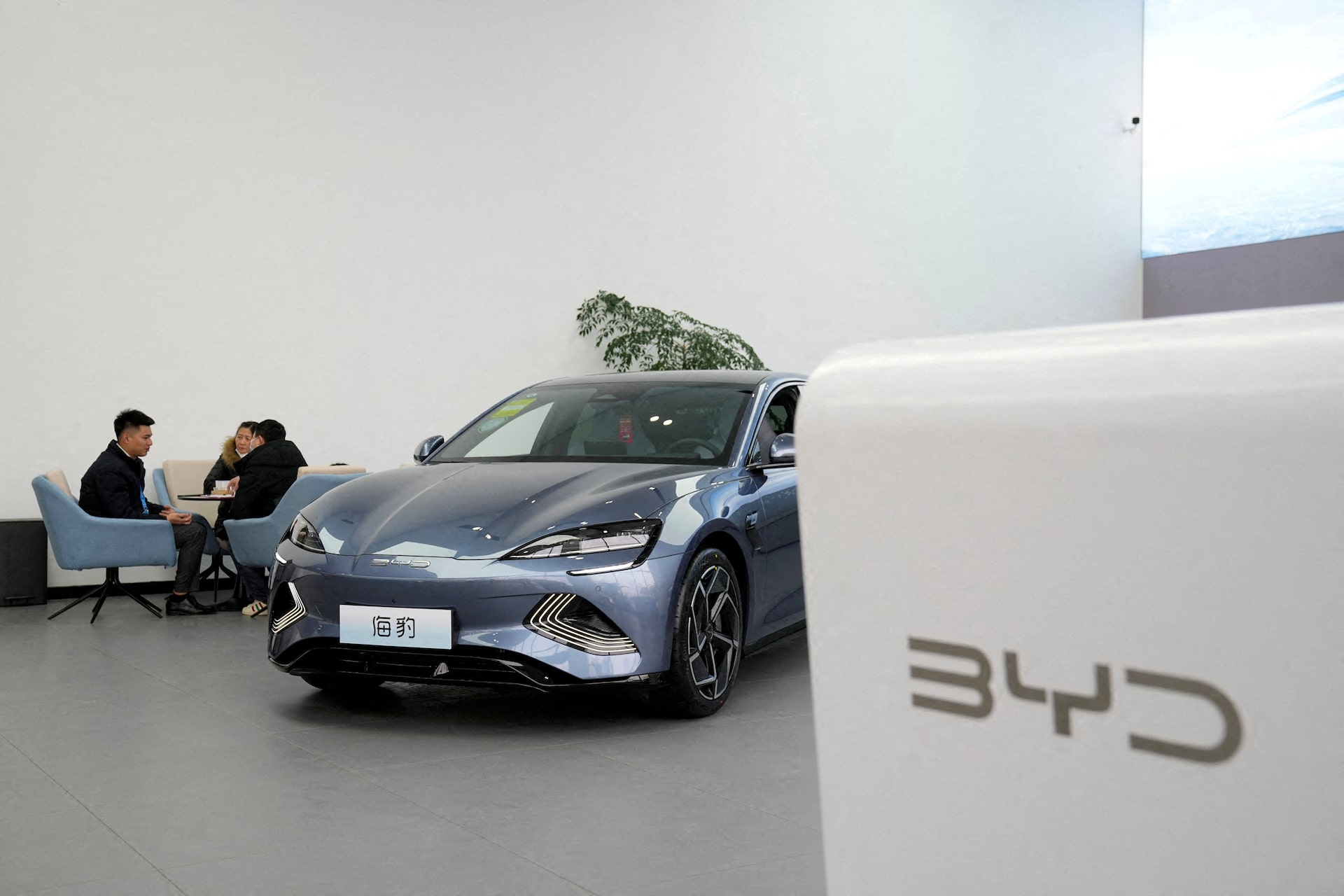
BYD's slide in China continues - REUTERS/Aly Song.

BYD’s long skid

BYD reported a seventh consecutive month of sales declines in March as the Chinese automaker faces growing competition in its home market.

The company’s sales grew more than tenfold from 2020 to 2025, but BYD's sales in China, the world’s largest car market, have been squeezed by growing competition from rivals including Geely and Leapmotor.

In response, the EV market leader last month rolled out its first major battery upgrade ‌in ⁠six years.

As BYD faces increasing competition at home, it is continuing with an aggressive overseas sales push. Overseas sales accounted for 48.5% of BYD’s total in March.

The company’s expansion plans will not be helped by the fact Brazil has put China's BYD on a ‌registry of employers who have subjected workers to conditions similar to slavery.

That move follows a 2024 scandal in which Chinese workers were said to have been victims of human trafficking and abusive contracts.


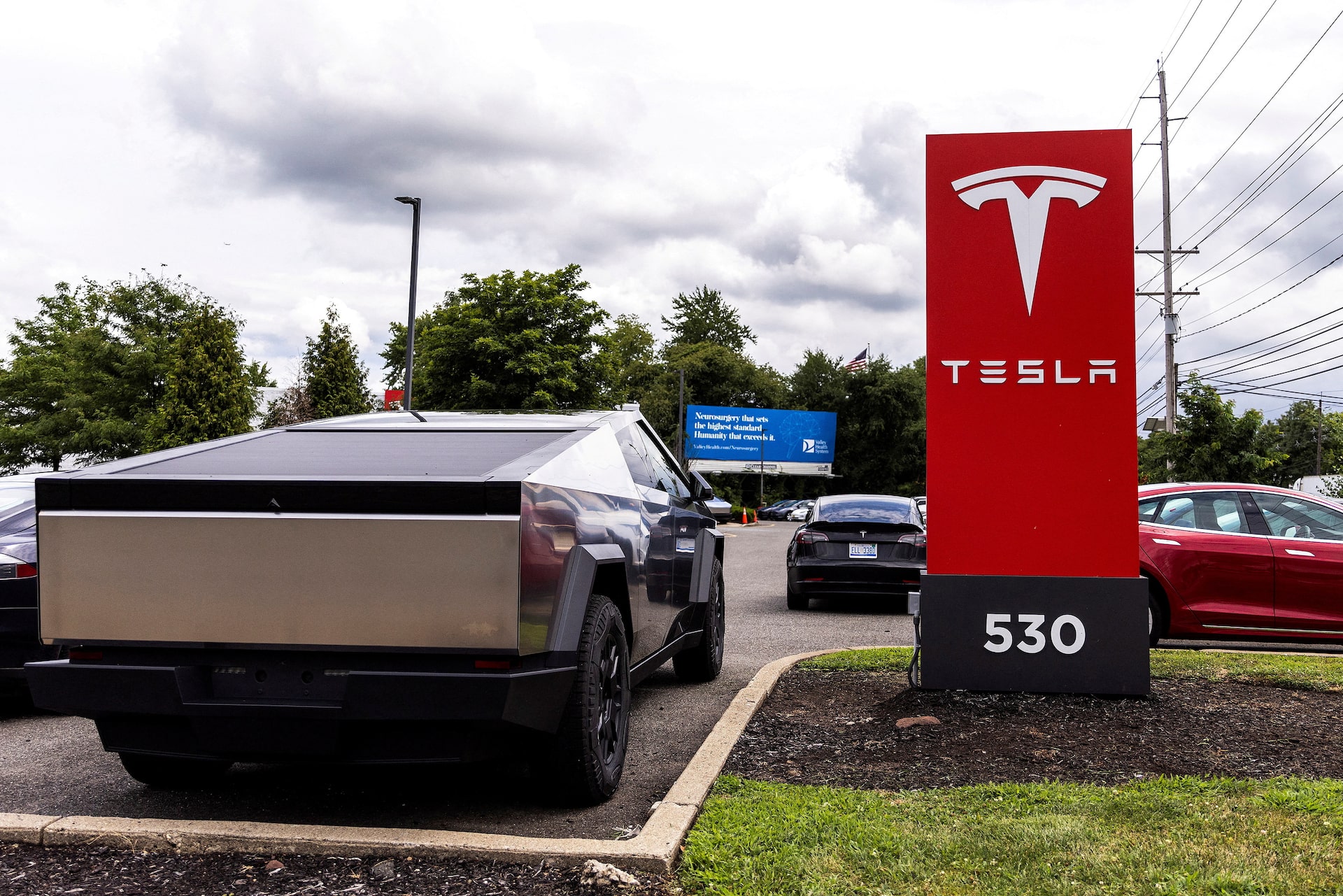
Tesla sells fewer cars, some investors say meh - REUTERS/Eduardo Munoz. 

Tesla’s growing inventory

Tesla’s first-quarter deliveries were the lowest in the past year and as Reuters colleague Akash Sriram reports, the EV maker’s inventories continue to grow.

You can read all about it here.

That points to a growing imbalance between supply and demand. In the U.S. market Tesla has been hit by Trump’s rollback of federal tax credit for EVs and the company faces growing competition everywhere else from Chinese rivals.

But declining car sales are a fading worry for investors nowadays, as CEO Elon Musk steers the company toward a future combination of solar energy, humanoid robotics and autonomous taxis.


Robotaxi outage

There have been worries for years about whether robotaxis can drive as well as humans in complex situations and who would be responsible when an autonomous car crashes.

Now you can add a fresh concern to that list: robotaxi outages.

Chinese police said last week that a "system failure" caused a robotaxi outage involving multiple vehicles operated by Baidu's Apollo Go in the central Chinese city of Wuhan.

Numerous Apollo Go cars had stopped in the middle of roads and were unable to move, according to an official police statement.

At least 100 Apollo Go vehicles were affected, a traffic police officer said in a video published by Shanghai-based news outlet The Paper.

The officer said  that while the car doors could be opened, some passengers were hesitant to get out because of heavy traffic and called police for assistance.

Local media reported that some passengers ‌were ⁠trapped inside the vehicles for nearly two hours.

Any further system failures could undermine public confidence in robotaxi firms.


Fast Laps

General Motors and Toyota reported lower U.S. first-quarter sales, as economic uncertainty, high borrowing costs and vehicle prices kept buyers on the sidelines.

Major automakers unveiled new EV models at the New York Auto Show, despite lagging consumer demand and a sharp downturn in sales after Washington eliminated a $7,500 tax ‌credit for electric cars.

Jean-Dominique Senard, chairman of French car maker Renault, will ‌not seek a new term at the end of his current term in spring 2027, ⁠a person close to the matter told Reuters.

Global automakers plan billions of dollars in new U.S. investments to boost production and avoid Trump's tariffs, but are awaiting clarity on the status of a North American free trade agreement and future vehicle duties.

EV maker Rivian exceeded analysts' expectations for first-quarter vehicle deliveries, indicating stabilized demand for its SUVs and R1T pickup trucks after a decline ‌last year due to the end of U.S. tax credits for electric cars.

The U.S. National Highway Traffic Safety Administration has closed a probe into nearly 2.6 million Tesla EVs over a feature ‌allowing users to move cars remotely after finding it was linked only to low-speed incidents.

Think your friend or colleague should know about us? Forward this newsletter to them. They can also subscribe here.