| | Donald Trump threatens to wipe out ‘a whole civilization,’ India-China ties thaw amid the energy cri͏ ͏ ͏ ͏ ͏ ͏ |
| |  TEHRAN TEHRAN |  KATHMANDU KATHMANDU | GUANGZHOU |
 | Flagship |  |
| |
|
The World Today | 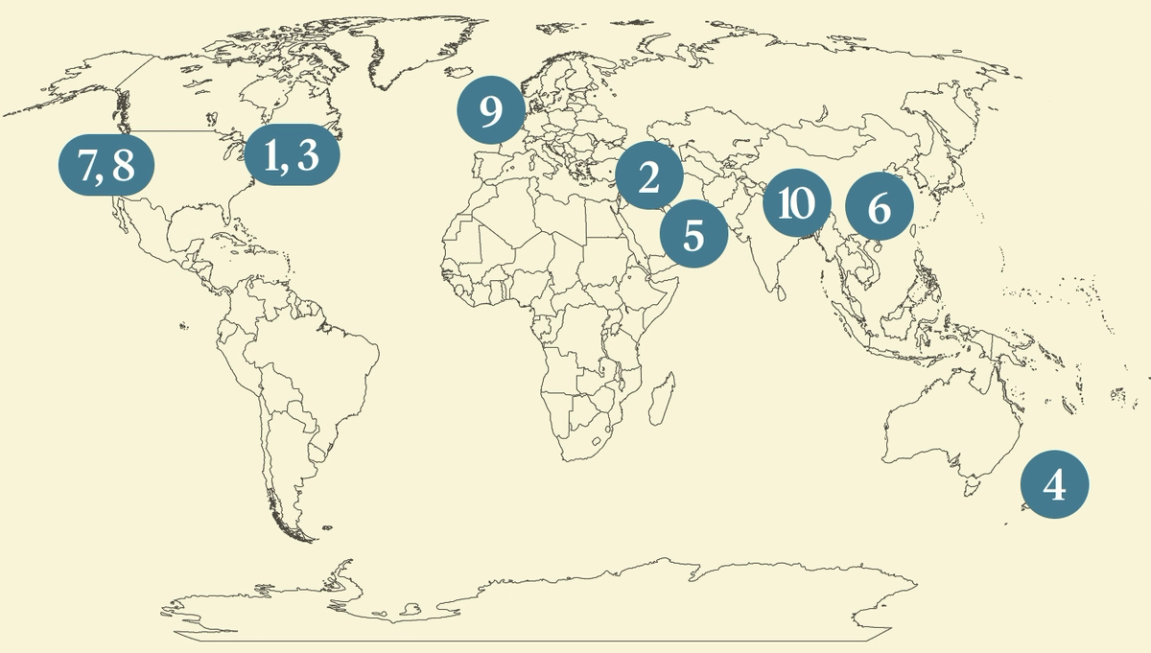 - Trump’s deadline looms
- Threat to Iran’s economy
- Hedge funds recalibrate
- Conflict roils airlines…
- …and Gulf’s business rep
- India-China ties thaw
- AI rivals unite to curb Beijing
- Radiologists vs. AI
- Religion vs. medicine
- Mt. Everest rescue scam
 The case for the mega-rich. |
|
Trump threatens ‘a whole civilization’ |
 Kevin Lamarque/Reuters Kevin Lamarque/ReutersUS President Donald Trump warned that “a whole civilization will die tonight” if a deal with Iran is not reached by 8 pm ET on Tuesday, a drastic threat that has the world on edge. Even the president’s confidants aren’t sure of his next move, with one telling Semafor’s DC team, “It could be like a crazy, ‘let’s just throw this out there just to see.’” Still, Trump has left himself an off-ramp: He is considering Pakistan’s request for a two-week extension, and suggested that Tuesday’s deadline “could change.” But lawmakers are uneasy over his threat, with one Republican hoping it’s “bluster” and another saying: “I do not support the destruction of a ‘whole civilization.’” |
|
US targets pillars of Iran economy |
 Majid Asgaripour/WANA via Reuters Majid Asgaripour/WANA via ReutersDonald Trump’s grave threat against Iran shows how the US and Israeli campaign has expanded to target the cornerstones of Tehran’s economy. Widespread attacks on Tuesday hit Iran’s railroads, bridges, and its energy hub, a sign the US and Israel aim to “impoverish Iran as a country and break the internal coherence that has allowed it to survive sanctions,” an expert said. Iranians now fear “an onslaught on the fabric of their nation,” the Financial Times wrote. But even if the strikes decimate Iran’s civilian economy, Tehran’s war machine is largely insulated, The Economist noted. By threatening widespread destruction in Iran, Trump misunderstands Tehran’s survival paradox, an Iran expert argued: “What makes the nation suffer makes the regime thrive.” |
|
Global hedge funds respond to war shocks |
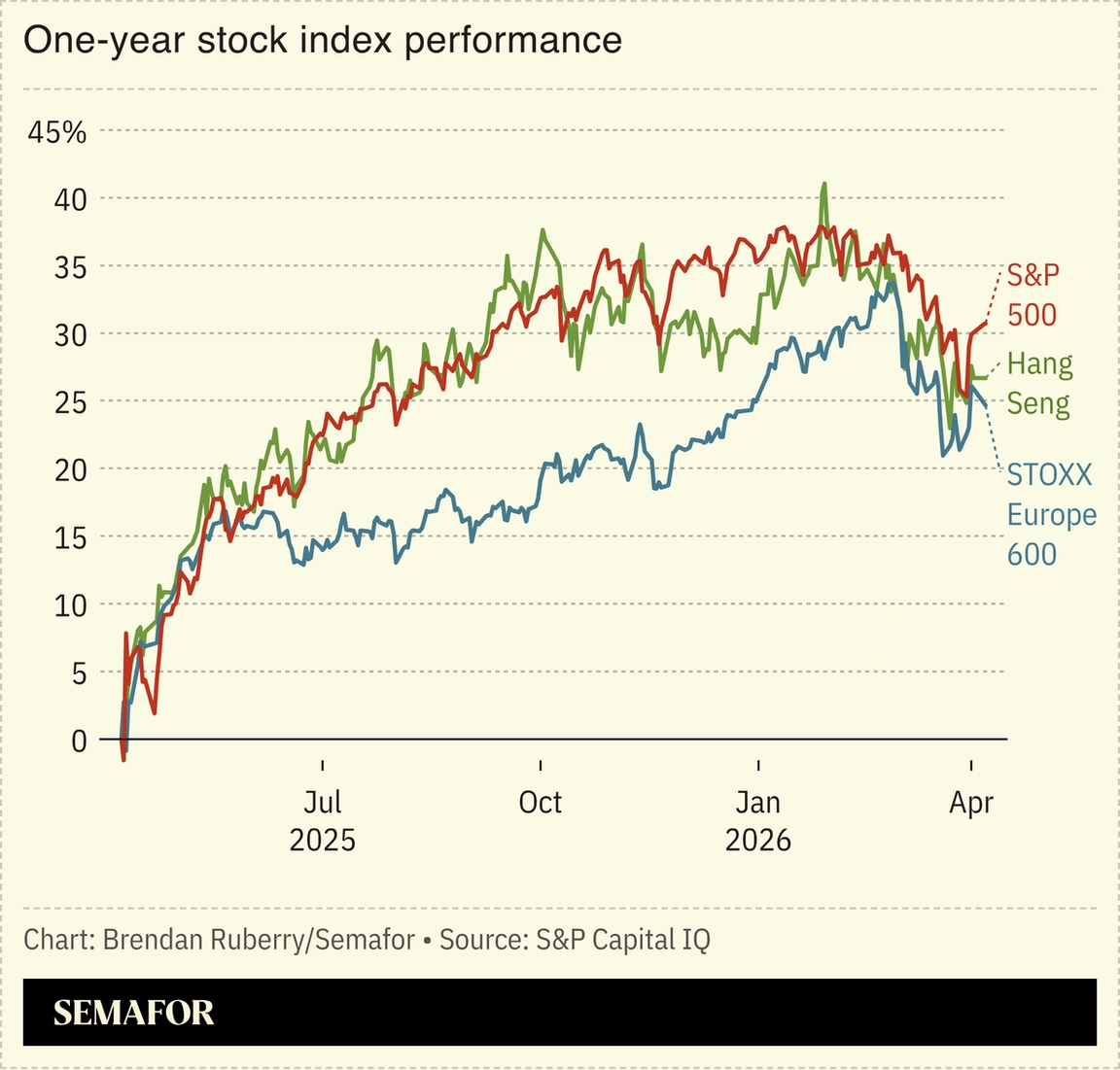 Global hedge funds, pressured by the conflict in Iran, are shaking up their trading strategies. Investment managers on the whole posted their worst monthly drawdowns in four years last month. They’re now shorting European equities at record levels, betting that the continent will be hit hard by the war’s economic fallout, the Financial Times reported. But they’ve also turned bullish on wheat for the first time in years, as a fertilizer shortage from the conflict drives up prices. Reverberations go beyond equity and commodity markets: Hedge funds have piled into emerging market debt at historic highs, flooding the economies with “flighty” capital that leaves them more vulnerable to geopolitical shocks, the International Monetary Fund warned Tuesday. |
|
Airlines cut flights, raise costs |
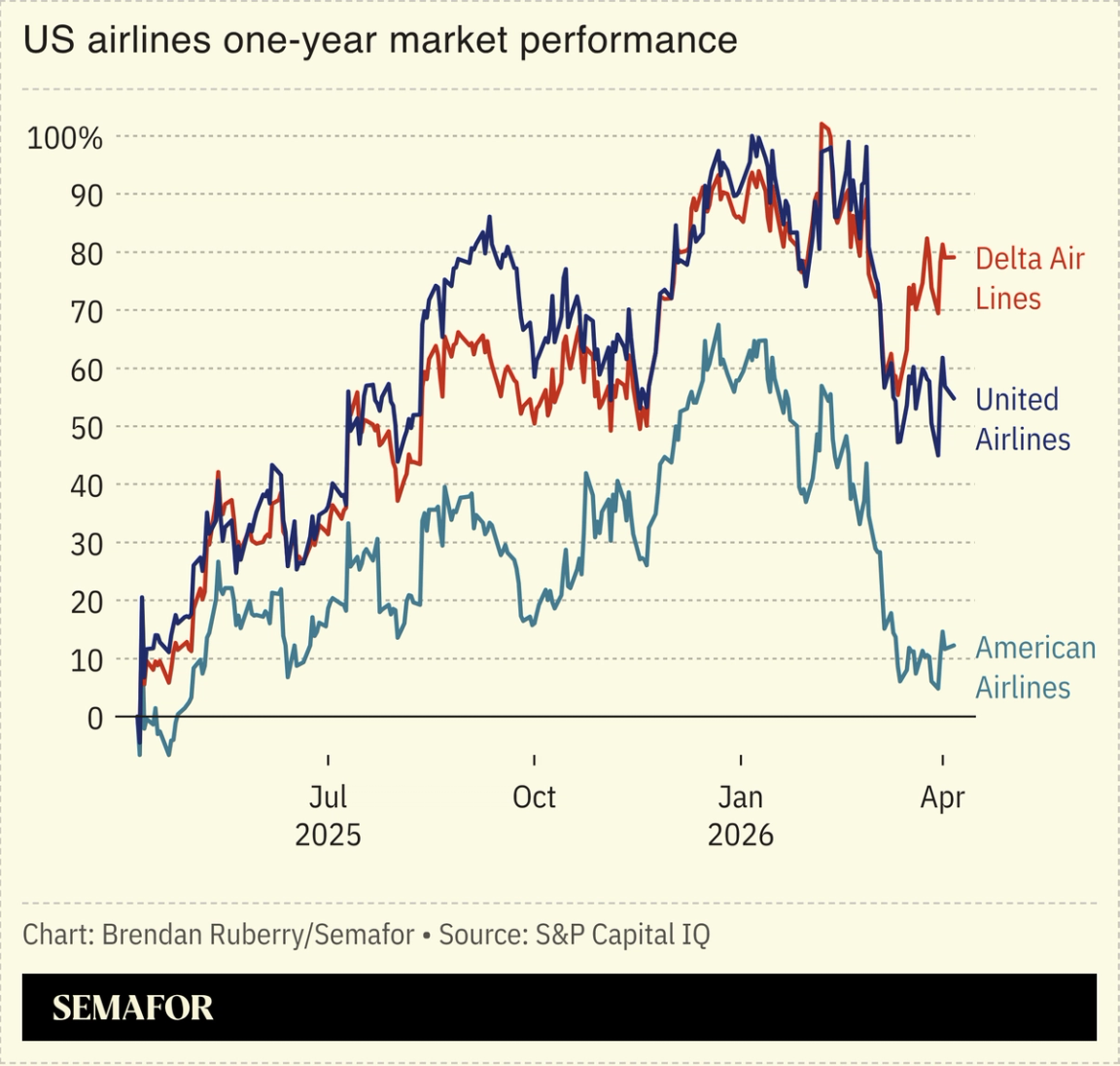 More airlines are cutting flights and raising costs as jet fuel prices surge because of the Iran war. Air India and Air New Zealand announced reduced schedules, while Delta on Tuesday became the latest US carrier to hike fees for checked bags. Some Asian airlines, which have been worst hit, have been able to pass on higher costs to customers without demand tanking, “but carriers have cautioned that this resilience is unsustainable” if jet fuel remains costly, a J.P. Morgan analyst wrote. The disruptions come at a particularly challenging time for the aviation industry in several large markets. The US is facing an air traffic controller shortage, and the CEOs of Air Canada and Air India recently resigned. |
|
Gulf conferences at risk from Iran war |
 Qatar News Agency/Handout via Reuters Qatar News Agency/Handout via ReutersThe Iran war is threatening the Gulf’s tentpole conferences and the global power they project. Bloomberg is likely to delay the Qatar Economic Forum it runs with the country’s commerce ministry, slated for May, Semafor reported. Other high-profile gatherings in Saudi Arabia and the UAE draw global CEOs whose schedules fill up months in advance, and decisions over these events will get harder the longer the war goes on. Losing them dents the narrative the Gulf has projected as a stable region open for business. Istanbul could benefit as a result: Dozens of companies with operations in the Gulf are considering moving some business to the Turkish city’s new state-backed financial center, its CEO said. |
|
Indian execs talk EVs with China |
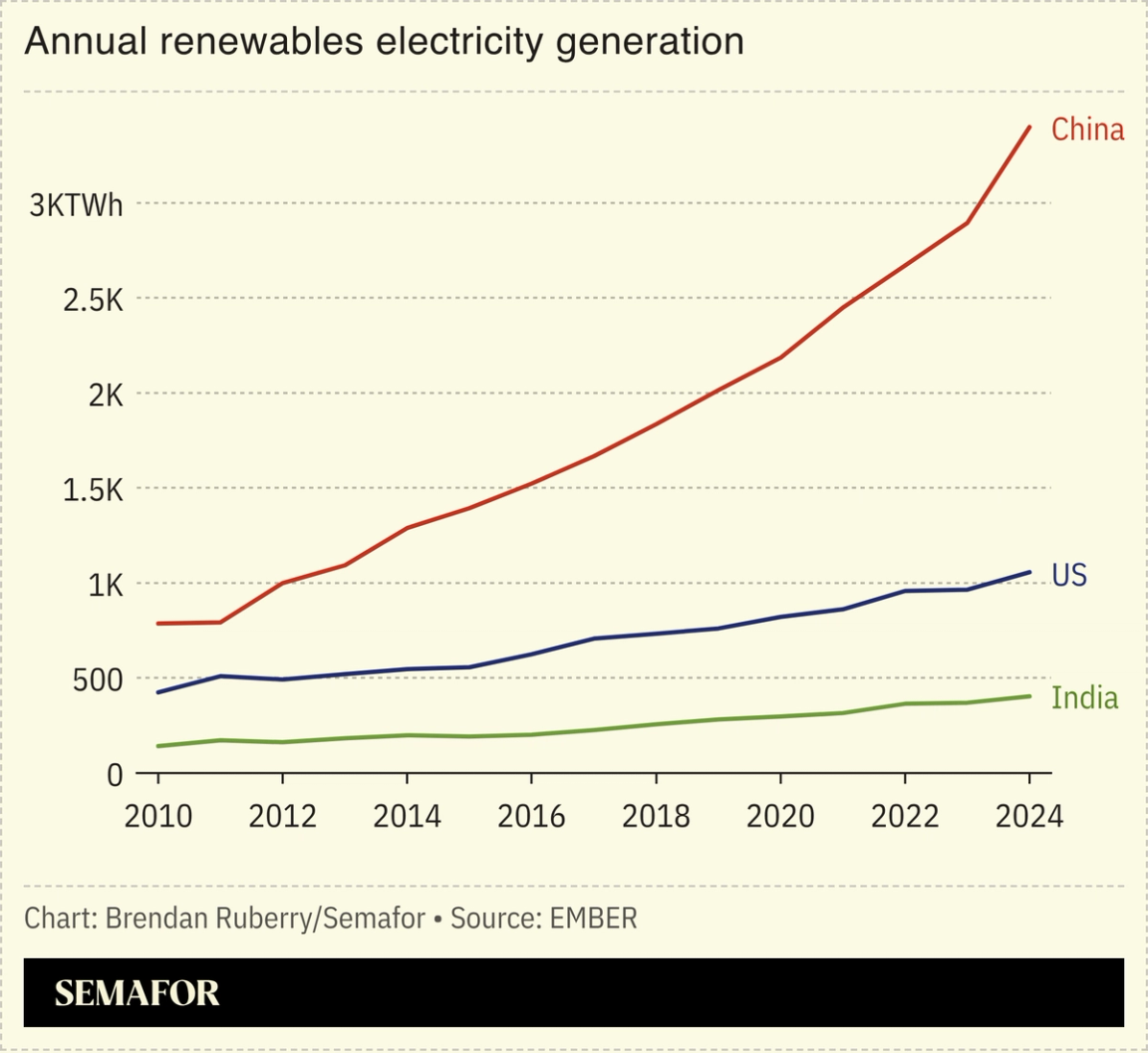 An Indian business delegation visited China for the first time in more than five years, the latest sign of the Asian nations’ cautious rapprochement. The trip last week focused on EV charging and battery storage, CNBC reported, as the Iran war accelerates a global pivot in favor of green tech, a sector China dominates. India is heavily dependent on fossil fuels stuck in the Strait of Hormuz, underscoring the need for energy security, business leaders said. That could provide an opening for closer ties — “the thaw is real,” a Chinese official wrote — though The Economist noted that trust between the countries remains low, leading to an “awkward tango.” |
|
AI rivals in US team up to curb China |
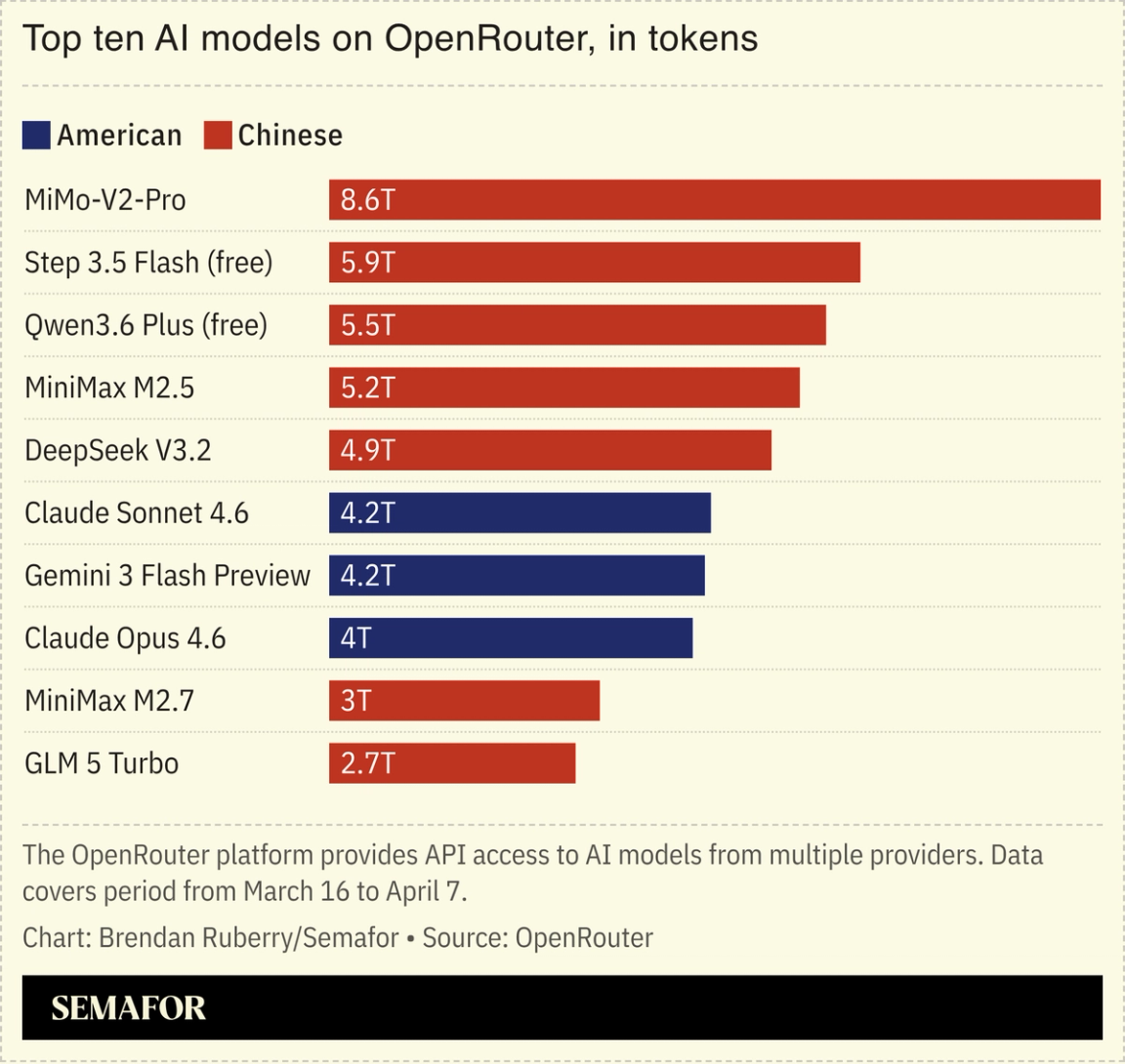 AI rivals in the US are teaming up in an effort to stop Chinese competitors from extracting capabilities from their models. OpenAI, Anthropic, and Google are sharing information to detect so-called adversarial distillation attempts, Bloomberg reported. Such techniques involve a “teacher” AI model training a newer “student” model — the US firms are concerned Chinese AI labs are creating imitations of their chatbots, which they worry could pose a national security threat. The unusual collaboration underscores the US-China rivalry in AI, as Chinese tech startups look to reach more overseas customers. Chinese state media wrote that the Bloomberg report is evidence of the US’ “anxiety over China’s rapid progress… and its impact on US tech hegemony.” |
|
 Oura, the smart ring favored by executives, finance bros, and Silicon Valley longevity-maxxers, is a big, lucrative business. On this week’s episode of Compound Interest, presented by Amazon Business, Liz and Rohan dive into the economics of that business with CEO Tom Hale, uncovering a surprising key demographic driving Oura’s growth, the financialization of better sleep, and the company’s public market aspirations. |
|
US hospitals consider AI radiologists |
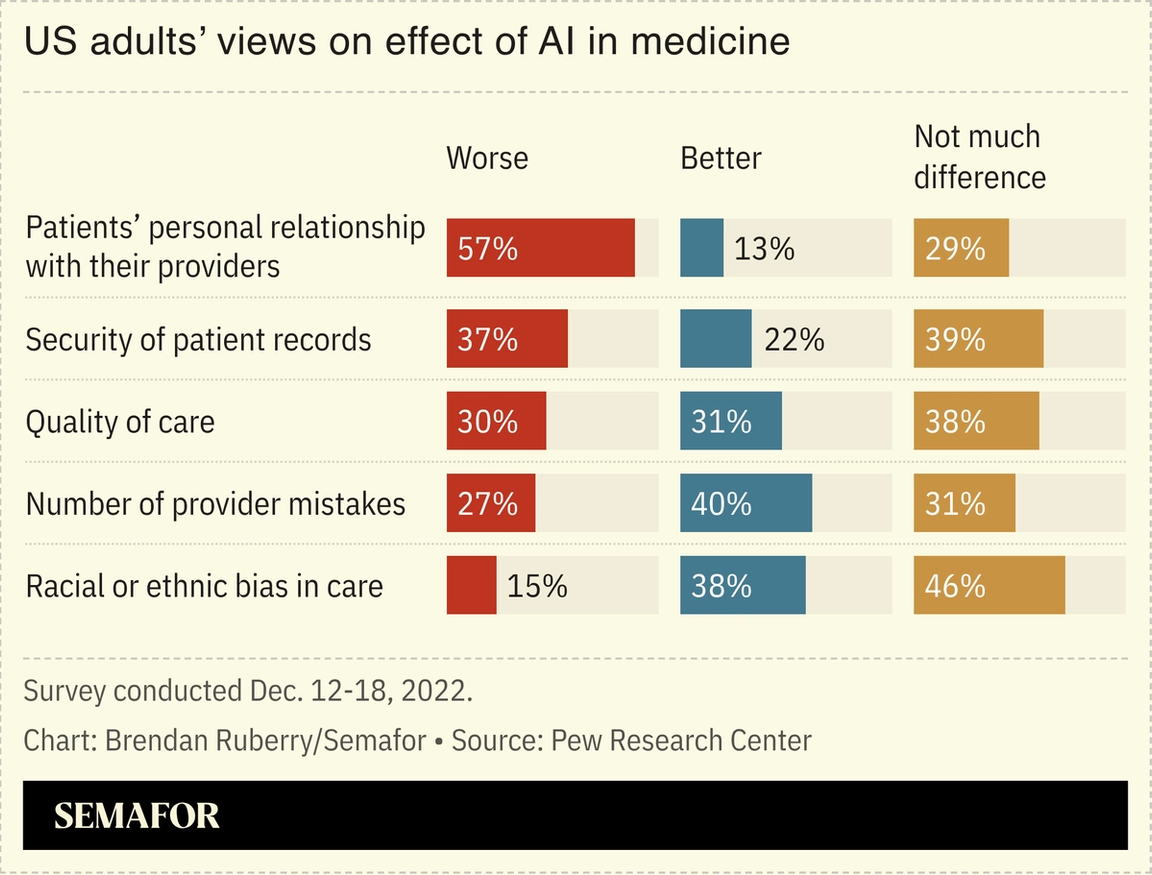 The biggest US public hospital system could soon replace some radiologists with AI. Radiology is ground zero for arguments over AI’s employment impacts: The “Godfather of AI” Geoffrey Hinton said in 2016 that radiologists would soon be replaced. In fact, the number of radiologists in the US grew, as AI-human collaboration made them more effective and thus in demand. But perhaps, as with chess, the sweet spot where human input improves rather than hinders AI output is brief. The CEO of NYC Health + Hospitals recently told a conference: “We could replace a great deal of radiologists with AI” if the regulatory environment permitted it, with major cost savings. AI is now “better than human beings” at spotting breast cancers, he said. |
|
Reconciling religion with modern medicine |
|
|


