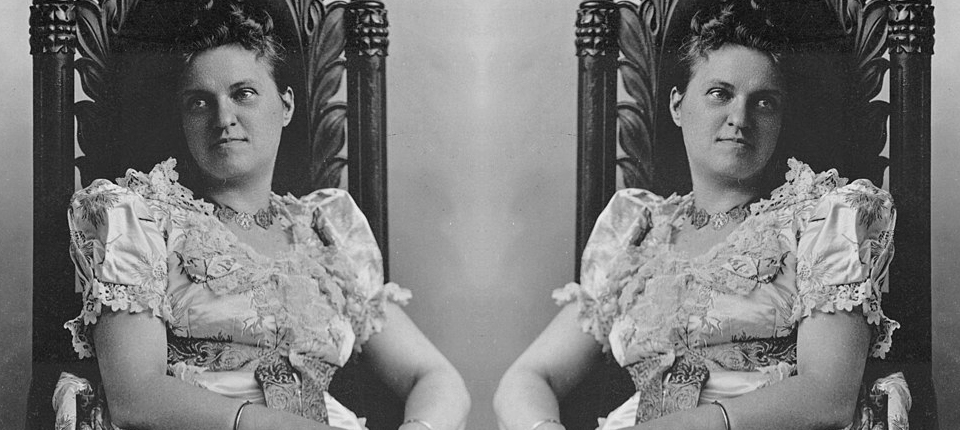
How a pulp magazine built American science fiction: “For better (and often worse), Amazing Stories set the template and idiom, language and look, of what people think science fiction is.” | Lit Hub Craft
From one of our most distinguished literary voices, a defining essay collection blending personal reflection with urgent political writing and wide–ranging cultural criticism.
“It is striking that, in a book that is ostensibly about meaning, nothing approaching a positive picture of meaning ever emerges.” Becca Rothfeld reads Arthur C. Brooks (for filth). | The New Yorker
Rachel Ossip searches for the Cattle Queen: “The poster seems to have struck a chord with the feminists, and it continued to pop up at protests.” | n+1
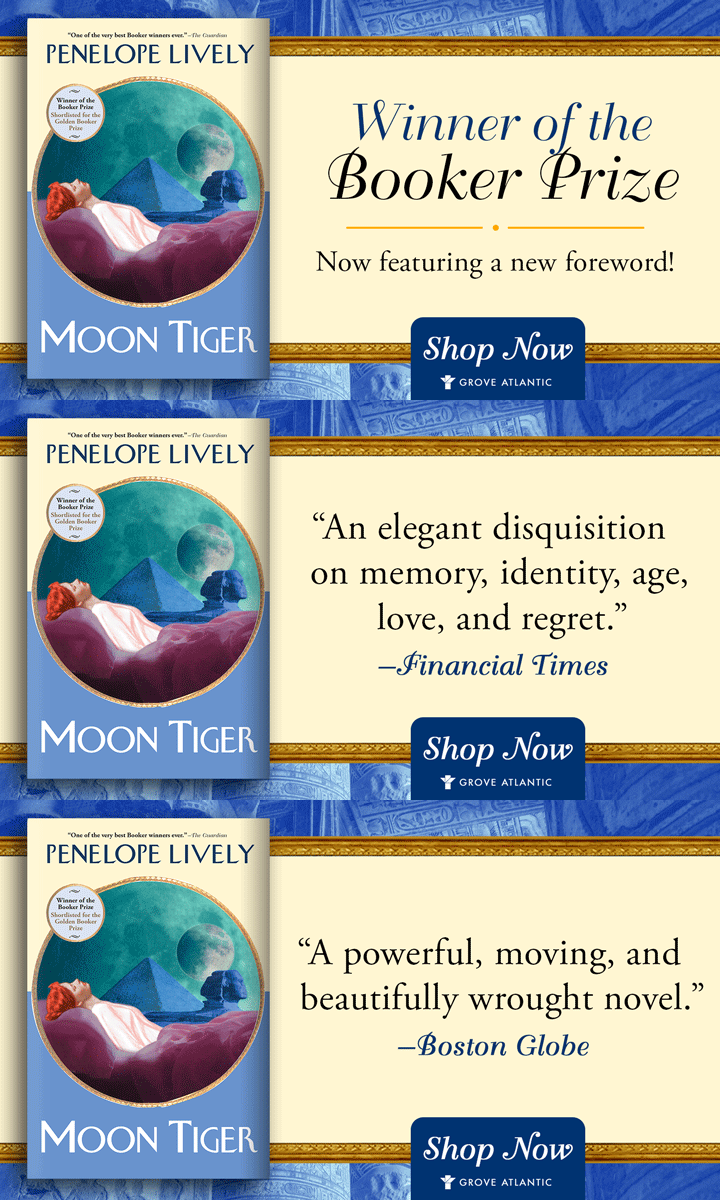
A BOOKER PRIZE-WINNING CLASSIC, NOW WITH A NEW FOREWORD
At the end of her life, Claudia Hampton proclaims she's carrying out her last project: a history of the world. What follows is a stunning journey across her life and our collective past. Dancing across decades and between England and Egypt, Moon Tiger is a haunting tale of memory, loss, and desire.
“Distinguishing the world from simulations of the world, the virtual from the real—it’s a tough job for anyone, let alone for those of us who spend our lives writing texts in the service of ‘expression’ or ‘creativity.’” Maggie Millner on Ben Lerner’s Transcription. | n+1
“If you would save the planet, forget The Planet; if you would sustain and repair nature, forget Nature. Remember the example of Gilbert White. Think only of the sensual properties of one dear place.” Alan Jacobs on the evolution of writing about the natural world. | The Hedgehog Review
“The Soviet products became useless paper, sold by the kilo to meat and beignet sellers as wrapping material, and Marx’s Capital, the erstwhile Bible of the intelligentsia, was consigned to the same dusty niche as the Egyptian Book of the Dead.” On when the American dream came to Africa. | Equator
“If there remains a difference between literature and content, the influencer novel suggests how unstable that difference has become.” Charlie Tyson examines how influencers show up in literature. | The Baffler