Culture in times of conflict, Monocle at Vinitaly and the Netherlands’ sleek Addis Ababa embassy.
|
Tuesday 14/4/26
|

|
|
London
Paris
Zürich
Milan
Bangkok
Tokyo
Toronto
|
|
|
|

Monocle’s editorial director, Tyler Brûlé, and editor in chief, Andrew Tuck, are hosting our flagship radio shows ‘The Globalist’ and ‘The Briefing’ live throughout the week from the UAE. Tune in to today’s episode of ‘The Briefing’ to hear from Yossi Avraham Shelley, Israel’s ambassador to the UAE, for his first interview since the US-Iran war began. First, here’s today’s Monocle Minute:
THE OPINION: Can Péter Magyar return Hungary to the centre?
AFFAIRS: Culture’s power to transcend conflict in the UAE
F&B: Vinitaly highlights a shift in wine consumer tastes
DAILY TREAT: Strike a pose with Matilda goad’s brass matchbox sleeve
IN PRINT: The Netherlands’ sleek Addis Ababa embassy
THE LIST: Three stories you might have missed
|
|
Viktor Orbán’s 16-year rule is over – but can Péter Magyar return Hungary to the European centre ground?
By Alexei Korolyov
|

|
ThoughHungarians have welcomed the Tisza leader’s decisive victory, questions remain over his populism and Fidesz roots.
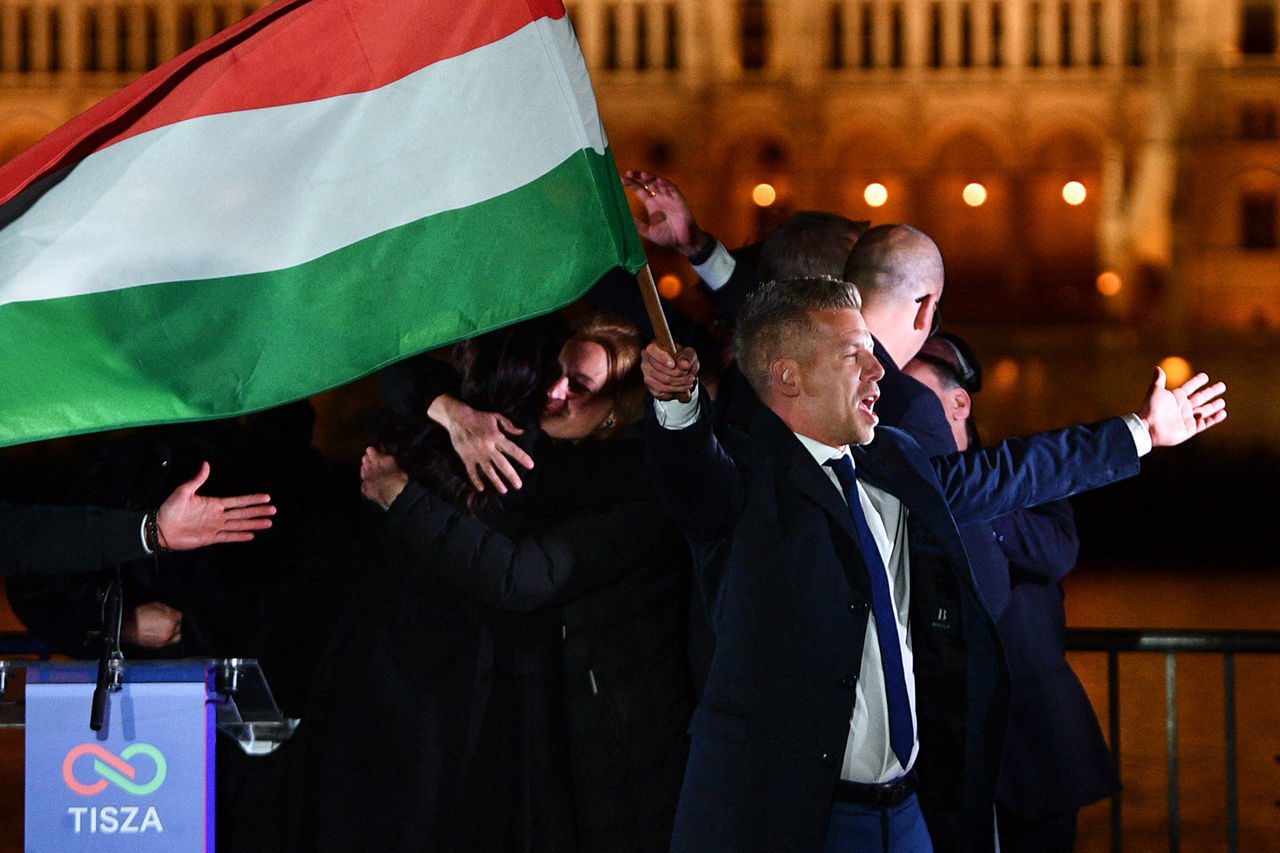
On Sunday night, with most of the votes counted, it became clear that Hungary’s prime minister, Viktor Orbán, had suffered a crushing electoral defeat. Péter Magyar, his victorious challenger, stepped onto a stage by the Danube in Budapest and told a sea of cheering supporters, “Together we liberated Hungary.” Celebration continued deep into the night, the air reverberating with the sound of motorists honking their horns. For long stretches, it was almost impossible to cross the river, with bridges and public transport clogged with crowds of young people, many of whom had voted for the first time. Across the city, bars stayed open late. Music played from open windows and parties spilled out onto the street.
Such was the outpouring of relief after 16 years of rule by Orbán and his Fidesz party. During that time, corruption became endemic, healthcare and education frayed and the economy stalled, paralysed by a system that rewards cronyism. All the while, Orbán constructed what he described as an “illiberal” state, with a tamed media and judiciary, a fixation on “traditional” values and a foreign policy friendly to Vladimir Putin’s Russia and the European far-right.
| |
|
Out in front: Péter Magyar
|
|
Magyar now promises to reverse this and return Hungary to the European fold as a reliable partner. Indeed, his rise began with Europe, when his party, Tisza, contested the European Parliament elections in June 2024. Speaking to me after a rally in western Hungary at the time, Magyar said, “I want to change Hungary completely. The Hungarian people are tired of the lies, corruption and propaganda.”
The 45-year-old Magyar was born into a family of lawyers and reportedly kept a photo of Orbán in his room as a boy. He earned a law degree at the Pázmány Péter Catholic University near Budapest before becoming a diplomat in Brussels and part of the establishment.
He came to prominence in February 2024 when a corruption scandal involving the granting of a pardon to a sexual abuser brought down two Fidesz figures: one was Hungary’s then-president, Katalin Novák, and the other was Magyar’s ex-wife, former justice minister Judit Varga. Until then a staunch ally of Orbán, Magyar turned against him.
Tisza went on to win almost 30 per cent of the vote in the EU elections – impressive, though everyone suspected that this was only a rehearsal for a far larger prize, which Magyar has now claimed. His victory was the result of relentless campaigning, during which he criss-crossed the country many times over, delivering as many as seven speeches in a single day. As one Tisza voter told me during the celebrations on Sunday, “Everyone saw this, so we hoped and believed.”
Even amid the jubilation, however, there was some scepticism. Many voters see parallels with the past and are suspicious of Magyar’s populist-lite style and his Fidesz origins. In his victory speech, he promised to rid the country of corrupt officials. But an uncomfortable question hangs in the air: now that Tisza has secured a two-thirds supermajority in parliament, giving it sweeping powers, will Magyar go after Orbán himself?
As the transition begins, he faces a difficult task – perhaps harder than winning the election. During his years in power, Orbán built a system that penetrated Hungary so deeply that it’s hard to see beyond it. As another former Fidesz insider once told me, “There’s no playbook for getting out of Orbán’s playbook.” So, as the emotions settle, what’s next for Hungary?
Alexei Korolyov is Monocle’s Vienna correspondent, reporting from Budapest. For more opinion, analysis and insight, subscribe to Monocle today.
|
|
affairs: uae
For the UAE, culture is what binds its diverse population and gives it hope in times of conflict
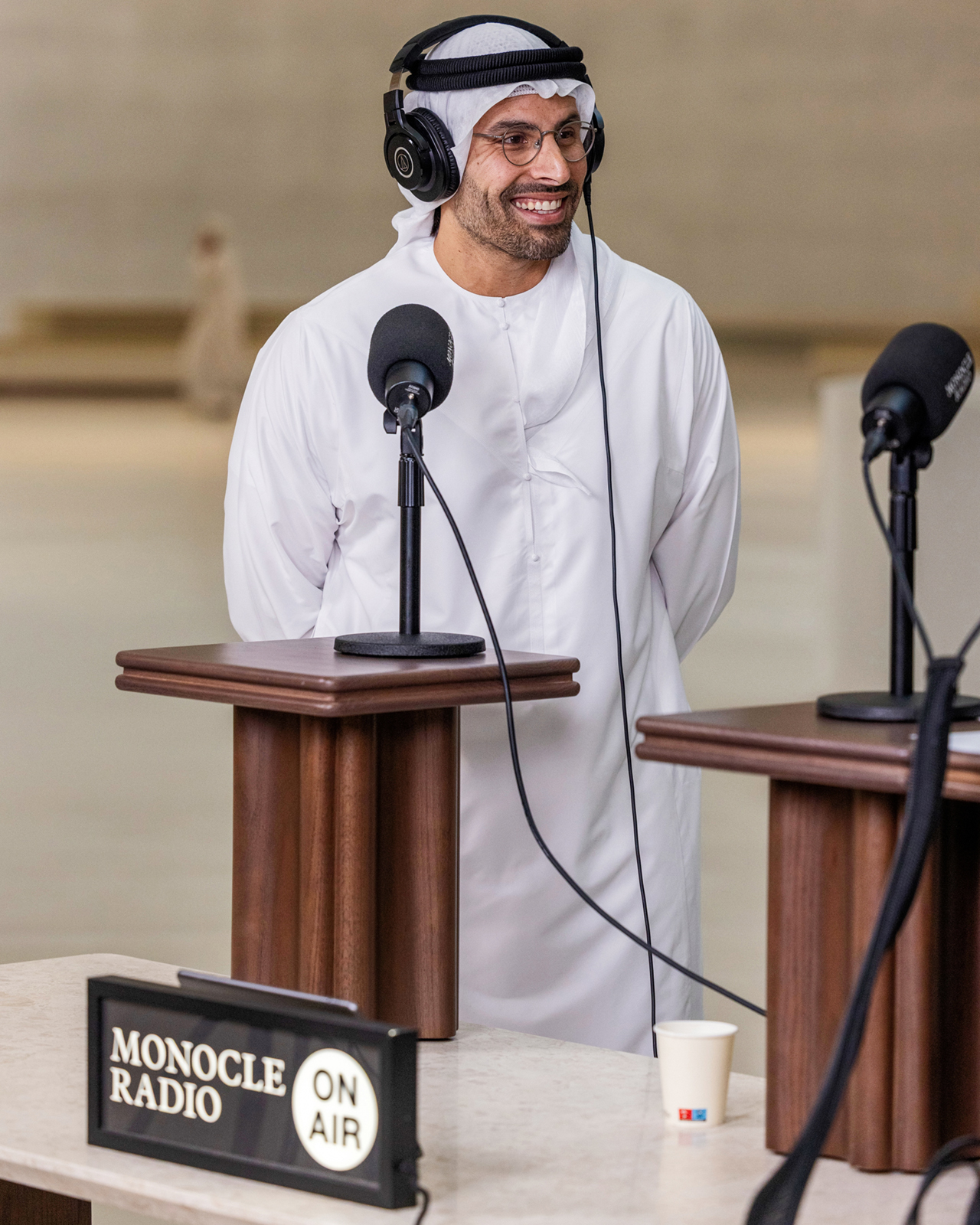
As the fragile US-Iran ceasefire seems to falter, Monocle Radio is broadcasting live from the UAE this week. In the latest episode of The Globalist, Monocle’s editorial director, Tyler Brûlé, and editor in chief, Andrew Tuck, speak to Mohamed Khalifa al-Mubarak, the chairman of the UAE’s Department of Culture and Tourism.
| |
|
Live and direct: Mohamed Khalifa al-Mubarak
|
|
Behind the scenes, the tall, trainer-wearing chairman stands against an 18-metre-long reproduction of a 4,000-year-old sailing boat inside Abu Dhabi’s vast, sand-toned Zayed National Museum. It’s the kind of setting that lends itself to big ideas and Al-Mubarak doesn’t shy away from them. “Since the first ballistic missile, we haven’t stopped,” he says. “We haven’t had a day off.”
To learn how the UAE is still pushing culture amid geopolitical crisis, click here.
|
|
F&B: italy
For the winemakers at Vinitaly, changing consumer tastes present an opportunity
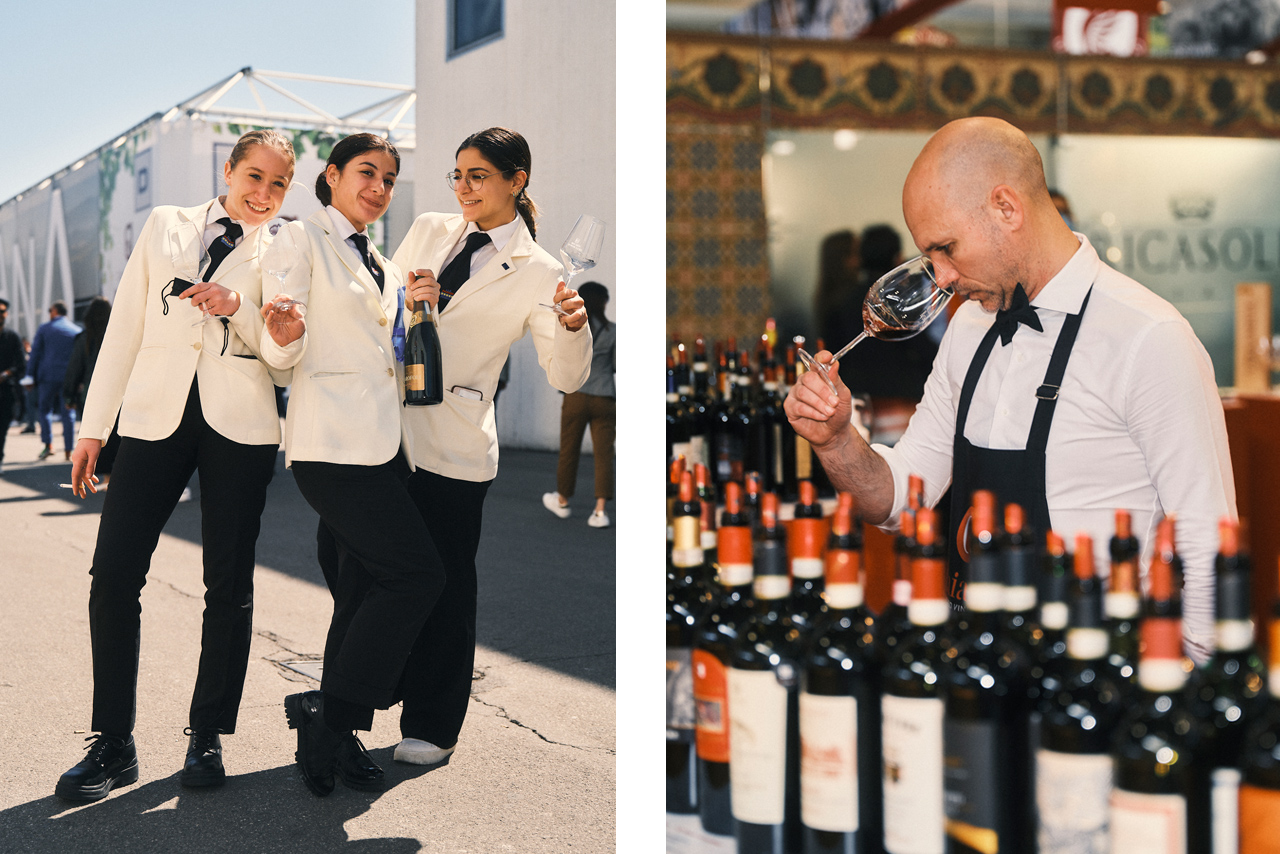
Some 125,000 people have descended on Verona this week for Vinitaly, the world’s largest industry event dedicated to wine and spirits, which runs until Wednesday (writes Ivan Carvalho). Italian wine exports to the US experienced a 9 per cent drop last year as a result of new tariffs and shifting consumer habits. Despite this, Will Schragis of Small Victories, a New York-based importer, remains upbeat. “Industry chaos is an incubating opportunity,” he tells Monocle during a tasting featuring wines from Italian vintners working with lesser-known native grape varieties, such as verdeca and ciliegiolo. “People are looking for freshness and low-alcohol wines,” he says. “They’re moving towards smaller portions and healthier foods, and there’s less meat in people’s diets, so we need wines to pair with this.”
| |
|
Grape expectations: Small-scale producers take advantage of changing tastes
|
|
US tariffs have also increased prices of traditionally inexpensive Italian tipples such as prosecco and pinot grigio, pushing American consumers – who drink 24 per cent of Italy’s €7.7bn annual wine exports – towards domestic alternatives. This shift has allowed boutique importers, including Small Victories, to introduce less price-conscious drinkers to higher-quality, terroir-driven producers. Among them is Tuscany’s Villa Le Prata, an artisanal winery in Montalcino that is at a higher elevation than most growers in the area. The altitude creates a cooler microclimate that slows grape ripening, preserving the high acidity and fresh aromatics in Le Prata’s lighter Brunello di Montalcino reds. Other top producers include Umbria’s Lungarotti, which counts a new white wine made from trebbiano spoletino among its line-up, and Tenute Bosco, known for its vibrant vintages made from nerello mascalese grapes grown on the volcanic soils of Mount Etna.
|
|
• • • • • DAILY TREAT • • • • •
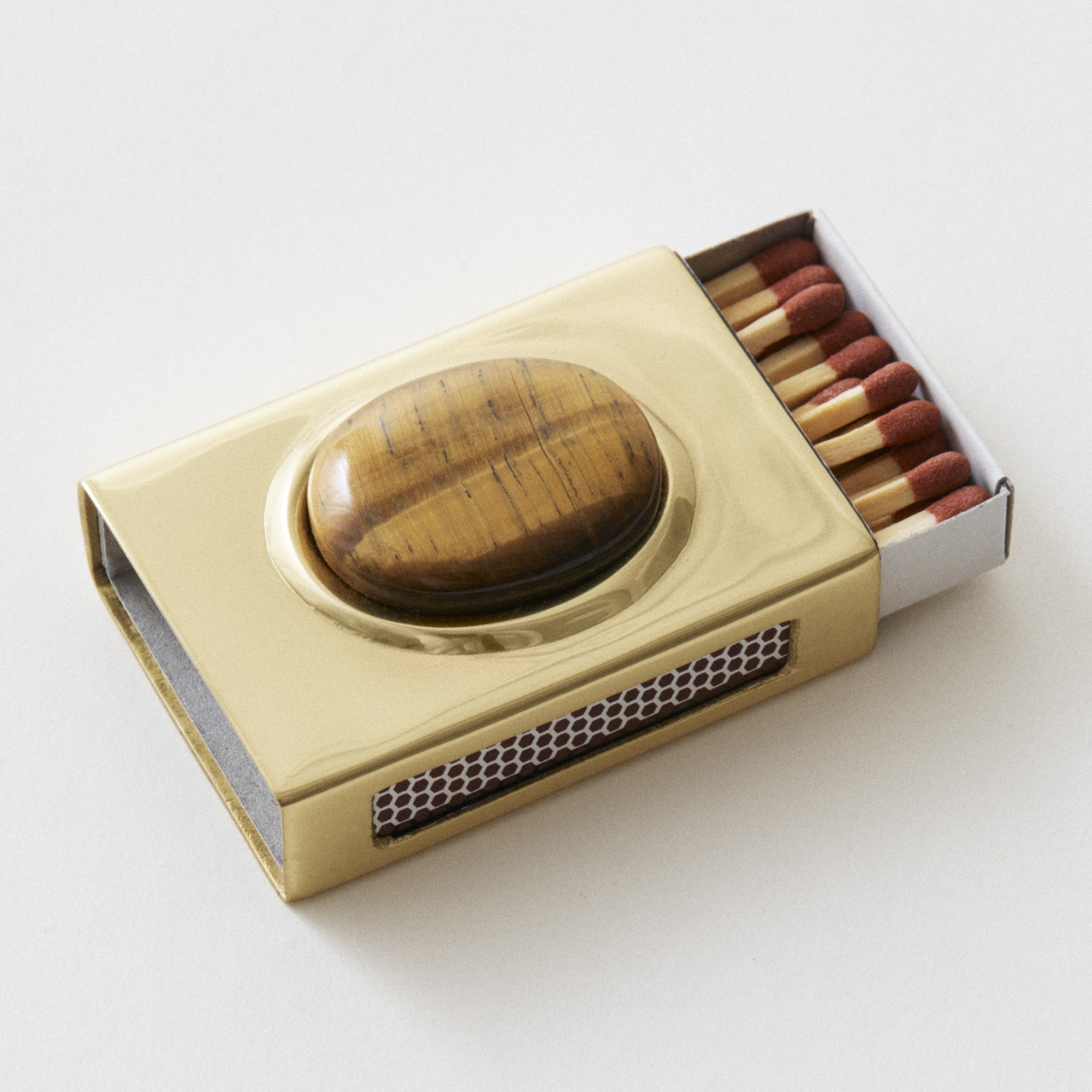
strike a pose with Matilda goad’s brass matchbox sleeve
This dainty matchbox sleeve by Matilda Goad transforms a household staple and elevates the simple act of lighting a flame. Cast in brass and crowned with a caramel-hued tiger’s-eye stone, it’s an accessory that looks most at home alongside art books on a coffee table rather than hidden away in a kitchen drawer.
matildagoad.com
|
|
IN print: ethiopia
The Netherlands’ diplomatic ideology finds form in the architecture of its Addis Ababa embassy
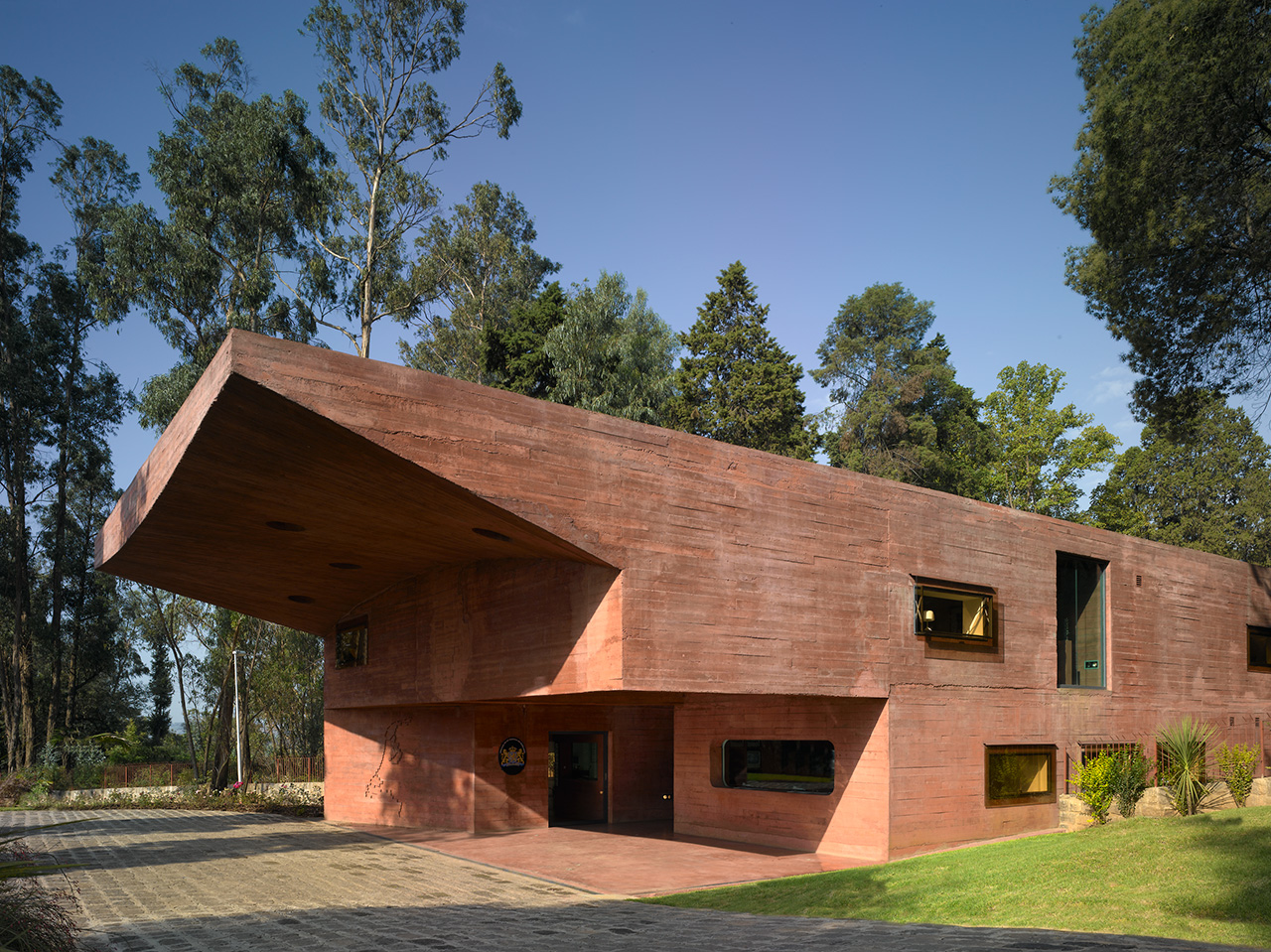
The Dutch mission to Addis Ababa is a striking low-rise, terracotta-hued structure that is built into – as well as on top of – the ground (writes Hannah Lucinda Smith). “There is a moment of awe when people enter it for the first time,” says Christine Pirenne, the Netherlands’ ambassador to Ethiopia, in her sun-soaked office. “This is the most beautiful of our embassy buildings.”
|
Completed in 2005, the embassy – designed by Dutch architects Bjarne Mastenbroek and Dick van Gameren, in collaboration with Ethiopian architect Rahel Shawl – is an example of how diplomatic architecture can reflect and influence the host country and how a statement embassy can be the manifestation of a key trade relationship. The building blends so completely into the lush compound that, from certain angles, one can only just make it out. Inside, however, visitors are engulfed in clean geometry and earthy colours, complemented by well-chosen artworks and sparse fittings in a nod to Dutch minimalism.
In Monocle’s April issue, we profile our selection of the world’s best foreign embassies – this is just one of the establishments featured. See the rest of our favourites here.
|
|
| | |