OpenAI vs Anthropic, Microsoft Surface prices, Roblox kids accounts.
 ͏  ͏  ͏  ͏  ͏  ͏  ͏  ͏  ͏  ͏  ͏  ͏  ͏  ͏  ͏  ͏  ͏  ͏  ͏  ͏  ͏  ͏  ͏  ͏  ͏  ͏  ͏  ͏  ͏  ͏  ͏  ͏  ͏  ͏  ͏  ͏  ͏  ͏  ͏  ͏  ͏  ͏  ͏  ͏  ͏  ͏  ͏  ͏  ͏  ͏  ͏  ͏  ͏  ͏  ͏  ͏  ͏  ͏  ͏  ͏  ͏  ͏  ͏  ͏  ͏  ͏  ͏  ͏  ͏  ͏  ͏  ͏  ͏  ͏  ͏  ͏  ͏  ͏  ͏  ͏  ͏  ͏  ͏  ͏  ͏  ͏  ͏  ͏  ͏  ͏  ͏  ͏  ͏  ͏  ͏  ͏  ͏  ͏  ͏  ͏  ͏  ͏  ͏  ͏  ͏  ͏  ͏  ͏  ͏  ͏  ͏  ͏  ͏  ͏  ͏  ͏  ͏  ͏  ͏  ͏  ͏  ͏  ͏  ͏  ͏  ͏  ͏  ͏  ͏  ͏  ͏  ͏  ͏  ͏  ͏  ͏  ͏  ͏ ­ ­ ­ ­ ­ ­ ­ ­ ­ ­ ­ ­ ­ ­ ­ ­ ­ ­ ­ ­ ­ ­ ­ ­ ­ ­ ­ ­ ­ ­ ­ ­ ­ ­ ­ ­ ­ ­ ­ ­ ­ ­ ­ ­ ­ ­ ­ ­ ­ ­ ­ ­ ­ ­ ­ ­ ­ ­ ­ ­ ­ ­ ­ ­ ­ ­ ­ ­ ­ ­ ­ ­ ­ ­ ­ ­ ­ ­ ­ ­ ­ ­ ­ ­ ­ ­ ­ ­ ­ ­ ­ ­ ­ ­ ­ ­ ­ ­ ­ ­ ­ ­ ­ ­ ­ ­ ­ ­ ­ ­ ­ ­ ­ ­ ­ ­ ­ ­ ­ ­ ­ ­ ­ ­ ­ ­ ­ ­ ­ ­ ­ ­ ­ ­ ­ ­ ­ ­  
Tuesday, April 14, 2026
OpenAI revenue chief accuses rival Anthropic of goosing revenue projections


Good morning. Who will save the Internet Archive?

The host of the famous Wayback Machine—the preeminent source of web history information going back to 2001—is facing an existential crisis: A growing number of major websites are blocking it from indexing their pages.

It’s not difficult to see why. Tired of watching their monetizable intellectual property get scraped off their servers without authorization, publishers like Reddit, USA Today, and even the New York Times are blocking the IA’s bots—making it impossible for researchers, journalists, and lawyers to access early digital history.

Does the Wayback Machine deserve protection from the rapidly closing open web? And if so, how? Reply to this email and sound off.

Today’s tech news below. —AN

Want to send thoughts or suggestions to Fortune Tech? Drop a line here.

OpenAI revenue chief accuses rival Anthropic of goosing revenue projections

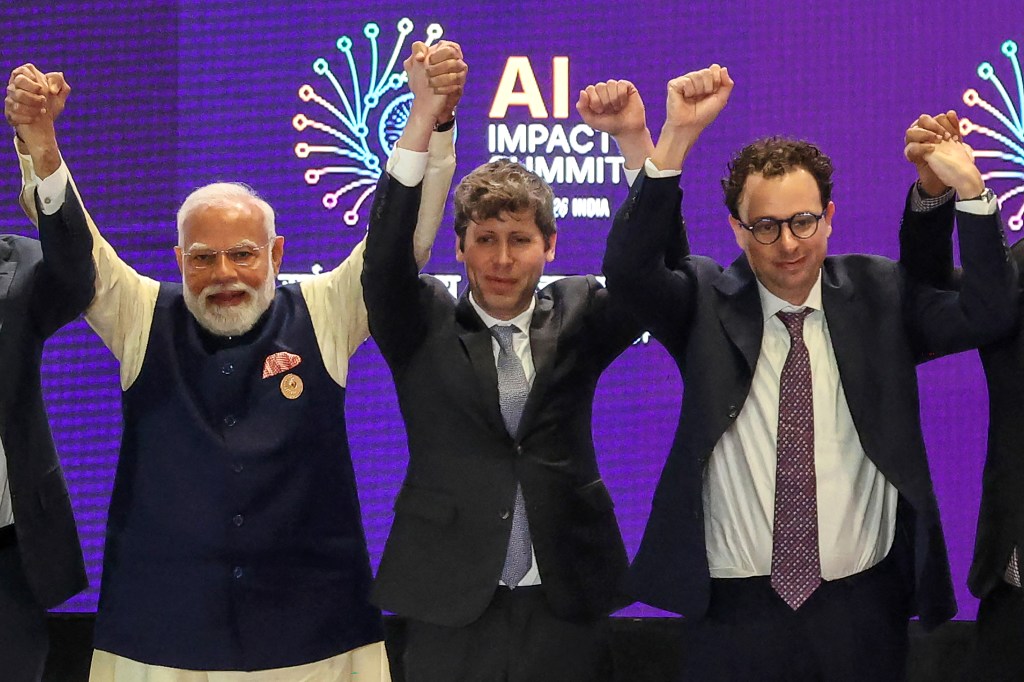
OpenAI CEO Sam Altman (center) and Anthropic CEO Dario Amodei (right), not holding hands, in New Delhi on February 19, 2026. (Photo by Ludovic Marin/AFP/Getty Images)OpenAI CEO Sam Altman (center) and Anthropic CEO Dario Amodei (right), not holding hands, in New Delhi on February 19, 2026. Ludovic Marin/AFP/Getty Images

OpenAI and Anthropic: In the minds of AI watchers, they’re the Hatfields and McCoys, the Montagues and the Capulets, and for readers of a certain age, the Team Anistons and Team Jolies—two warring factions who taste bile and smell blood.

OK, it’s not really that bad. But when your IPO-bound CEOs refuse to shake hands onstage and spend most of their time stealing talent from each other offstage, you’ve got to wonder, you know? 

The latest salvo in this War of Intelligence is an internal memo from OpenAI chief revenue officer Denise Dresser, who reportedly writes that Anthropic’s annual recurring revenue, or ARR—there’s that term again—is about $8 billion higher than it should be because of the generous way the company counts shared revenue from cloud partnerships. 

“Their story is built on fear, restriction, and the idea that a small group of elites should control AI,” she added. (No word on whether she described her rivals as empty-headed animal food trough wipers.)

For now—and that’s an important caveat—both companies’ self-reported revenue is in the ballpark of $2 billion per month. But that matters little as both companies, in pursuit of fresh capital, make their cases to future investors. —AN

Microsoft raises prices for Surface PCs

Tariffs? Trade wars? It’s hard out here for a global hardware company, and Microsoft is no exception. 

The tech giant this week bumped prices on its popular Surface series of personal computers in response to higher component costs, most notably memory, given the global shortage.

Microsoft’s Surface Laptop 7 and Pro 11 devices now start at prices $500 higher than before. Its Surface Pro 12-inch, once about $800, now starts at $1,050; its Surface Pro 13-inch, once about $1,000, can now be had for $1,500. 

As Windows Central points out, “this means that Microsoft's midrange devices now cost more than the flagships did when they launched in 2024.” Ouch.

Expect to see more price adjustments in the category as supply chain challenges meet profit margin mandates. And, of course, product launches—because consumers still need entry and midrange goods, price inflation be damned. —AN

Roblox unveils accounts for children

It’s telling, really: Every Google Search autocomplete about Roblox and kids is specifically about “safety,” “controls,” and “age verification.” 

Though Roblox has denied liability, the Bay Area gaming company’s myriad active lawsuits and investigations alleging that it failed to protect children from predators and inappropriate content on its platform have already left their reputational mark.

So it comes as no surprise that Roblox is finally rolling out age verification for its youngest users. On Monday, Roblox introduced two new accounts—“Kids” for children aged 5 to 8 and “Select” for kids aged 9 to 15—that require a tech-based age verification process to use. 

As you might expect, both account types contain filtered content and default settings for kids of that age. (An example: No chat without parental signoff for the younger set; chat “with safeguards” for the older group.) As kids get older, they’ll automatically graduate into the less restrictive account type.

It’s a change that’s welcome by both users and investors alike. With $1.4 billion in revenue in its most recent quarter—but no profit—Roblox needs to keep the whole family engaged (rather than, say, litigious) if it ever wants to meet its strategic goals. —AN


More tech

The guy who allegedly threw a Molotov cocktail at Sam Altman’s house has been charged with attempted murder.

Frustrated voters oust data center-friendly council members in a Missouri town.

Microsoft’s Xbox Game Pass has “become too expensive for players,” its new gaming chief says.

Anthropic hired Ballard Partners after Pentagon spat. The lobbying firm has strong Trump administration ties.

CodeWall agent hacks into Bain internal AI tools after similar breaches at BCG and McKinsey.

Bloom Energy shares jump 15% after Oracle buys $400 million of its stock.

OpenAI acquires Hiro Finance. The AI-powered personal finance service will shut down April 20.

Amazon’s Leo Aviation Antenna promises up to 1 Gbps download and 400 Mbps upload for in-flight Wi-Fi.