Image

Daily News Brief

April 16, 2026

Welcome to CFR’s Daily News Brief. Today we’re covering diplomatic and economic pressure in the Iran war, as well as...

  • Russian strikes across Ukraine
  • Japan’s energy support to Asian countries
  • A potential pro-market regulatory shift in Brussels


Top of the Agenda

Pakistan said today it expects to host another round of U.S.-Iran peace talks, while the latest U.S. financial pressure on Iran sparked tensions with China. With only a few days left in the current ceasefire, Washington is maintaining a naval blockade on Iranian exports as well as fresh sanctions that it is threatening to expand. U.S. Joint Chiefs of Staff Chairman Dan Caine told reporters this morning that U.S. forces will “actively pursue” ships worldwide that are attempting to provide “material support” to Iran. The United States warned two Chinese banks they were at risk of sanctions for activity related to Iran, Treasury Secretary Scott Bessent said yesterday. 


No date has been announced for an additional round of U.S.-Iran talks, while Lebanon’s fate also hinges on diplomatic efforts. U.S. President Donald Trump wrote on social media that the leaders of Israel and Lebanon are expected to speak directly today for the first time in decades, after the Israeli security cabinet met last night to discuss a possible ceasefire in Lebanon. 


The diplomatic front. As part of Pakistan’s mediation efforts between the United States and Iran, the country's army chief Field Marshal Asim Munir is meeting with Iranian officials in Tehran today while Prime Minister Shehbaz Sharif holds meetings in Qatar. One of several outstanding issues between the warring sides remains Iran’s nuclear ambitions. The Kremlin said yesterday it offered to store Iran’s enriched uranium as part of a potential deal but the United States declined. Meanwhile, a potential call between Israel and Lebanon’s leaders would follow the countries’ commitment earlier this week to pursue peace talks. 


The economic front. Bessent said yesterday that the United States was carrying out “the financial equivalent” of a military campaign against Iran. Weeks ahead of Trump’s scheduled visit to Beijing, China has criticized both the U.S. naval blockade on exports from Iran—one of its major oil suppliers—and what it called the U.S. threat of “illegal” sanctions. Yet Trump claimed in a social media post yesterday that China was “happy” about his efforts to reopen the Strait of Hormuz and had agreed not to send arms to Iran, an implicit acknowledgement of Beijing’s longstanding military relationship with Tehran. The Chinese embassy in Washington declined to comment on Trump’s post and said Beijing was “objective and impartial” regarding the war.


“There are disadvantages for both sides in going back to actual fighting, and it’s notable that the talks failed, but neither [the United States] nor the Iranian side went back to war. I think it shows you that both sides would like this war to be over.”

—CFR Senior Fellow Elliott Abrams tells The President’s Inbox


How the Iran War Confirmed, Contradicted, and Complicated U.S. Policy

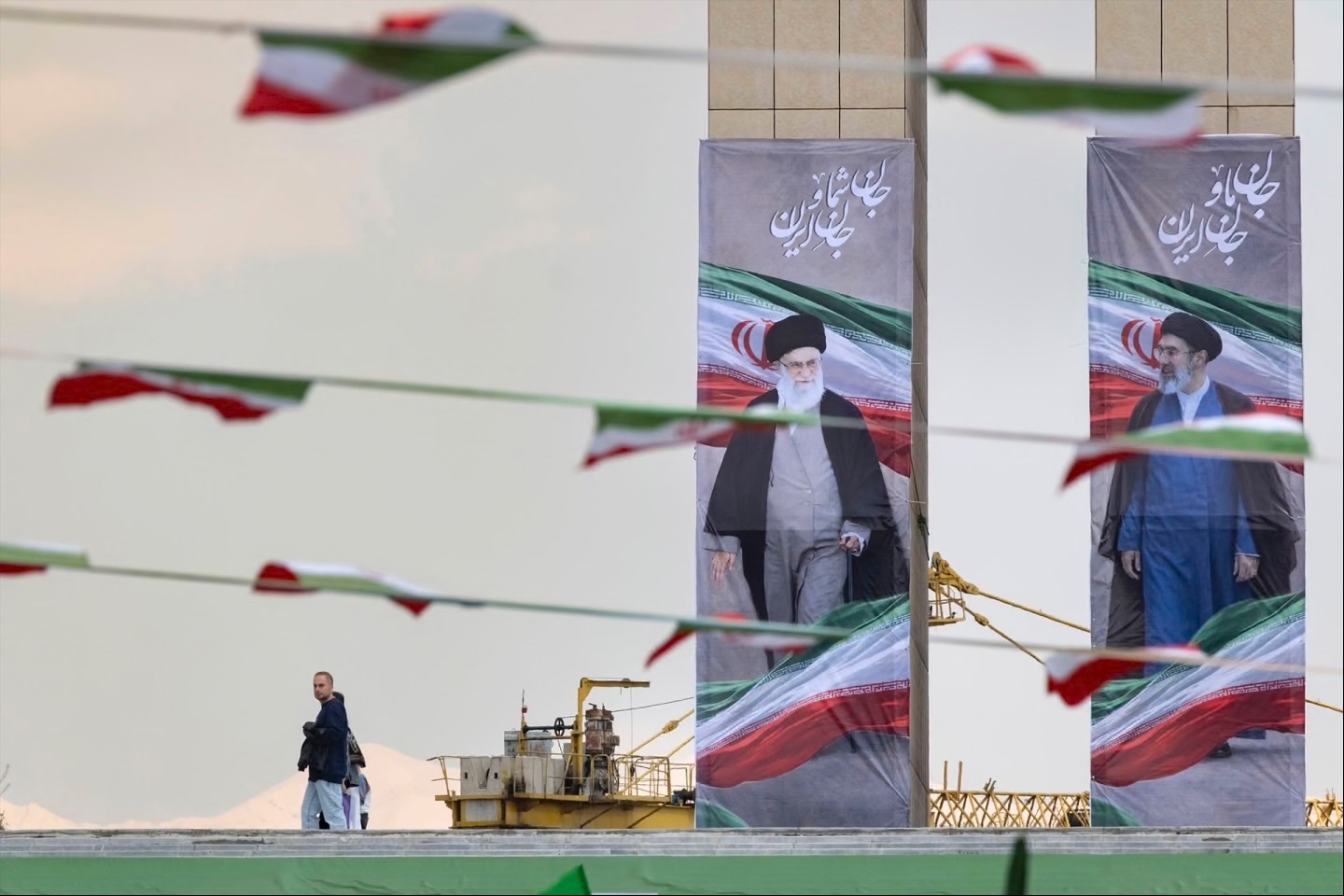
An Iranian man walks past the portraits of late Supreme Leader Ayatollah Ali Khamenei and the new Supreme Leader Ayatollah Mojtaba Khamenei during a flag ceremony marking Iran’s Islamic Republic National Day in the Abbasabad Cultural and Tourist Area in central Tehran, on April 1, 2026.

Morteza Nikoubazl/Getty Images

The Iran war validated many predictions from U.S. analysts, including Iran’s seizure of the Strait of Hormuz—and exposed how little of that analysis shaped Washington’s decision-making. Revisiting those assumptions is now essential, CFR Senior Fellow Elisa Ewers and the Chicago Council on Global Affairs’ Ariane Tabatabai write in an Expert Take.


Across the Globe

Trump’s threats against Powell. Trump told Fox Business in an interview that aired yesterday that he plans to fire Federal Reserve Chair Jerome Powell if he does not leave his post “on time.” Powell’s term expires May 15, but he has said he plans to stay on until his successor is confirmed and remain part of the bank board until a Justice Department probe into the bank concludes. A federal judge ruled last month the probe lacked evidence. 


Russian attacks in Ukraine. Russian missile and drone attacks across Ukraine overnight and early this morning killed at least seventeen people, Ukrainian officials said. It was one of the largest such attacks this year. The strikes hit sites including an office building and an apartment. Peace negotiations have been on hold since February, when the Iran war began.


Japan’s aid to Asia. Tokyo will provide around $10 billion in financial support to Southeast Asian neighbors struggling with rising oil prices, Japanese Prime Minister Takaichi Sanae said yesterday at a regional forum. She called Japan and its neighbors “mutually dependent,” highlighting Tokyo’s reliance on them for products like medical supplies. The aid will be dispersed through Japanese financial institutions rather than a release of Japanese petroleum reserves. 


Iran’s World Cup participation. Iran will participate in the upcoming World Cup in North America “for sure,” FIFA President Gianni Infantino said yesterday. Trump suggested last month that Iran’s participation could risk its players’ safety due to the war. Iran explored the possibility of boycotting participation within the United States and moving its games to Mexico, but Mexican President Claudia Sheinbaum said last week tournament officials had rejected that request. “Sports should be outside of politics,” Infantino said. 


EU floats policy change on mergers. The European Union (EU) has outlined plans for the largest loosening of restrictions on corporate mergers in decades, according to draft rules seen by the Financial Times. The measure is part a bid to make European companies more competitive—specifically against U.S. and Chinese firms—on the world stage. The European Commission declined to comment.


School shootings in Turkey. Nine people as well as a gunman were killed yesterday in Turkey’s second school shooting in two days. Both incidents occurred in southeast Turkey. The first shooting on Monday left sixteen people wounded before the assailant shot himself at the scene. School shootings are rare in the country.


Jordan-UAE railway deal. Jordan and the United Arab Emirates (UAE) committed yesterday to advancing a $2.3 billion railroad investment deal. The agreement signed in Abu Dhabi creates a joint Emirati-Jordanian company to connect Jordan’s Port of Aqaba to its phosphate and potash mines. More broadly, the project aims to better connect Jordan to neighboring Arab countries. 


Peru’s ongoing vote count. With 90 percent of votes counted from the first round of Sunday’s presidential election, left-wing candidate Roberto Sánchez narrowly moved ahead of right-wing rival Rafael López Aliaga yesterday in the race for the second-place spot. Whoever secures the slot will advance to a runoff against the frontrunner, right-wing candidate Keiko Fujimori.


Six Reasons Claude Mythos Is an Inflection Point for AI—and Global Security

Anthropic’s Project Glasswing website is displayed on a smartphone screen.

Jonathan Raa/NurPhoto/Getty Images

There is no question the technology is profoundly dangerous, and it is unclear if experts will be able to protect a sea of vulnerable targets, CFR Adjunct Senior Fellow Gordon M. Goldstein writes in this Expert Take.


What’s Next

  • Today, NATO Secretary-General Mark Rutte meets with European Commission President Ursula von der Leyen in Brussels.

  • Today, Group of Twenty finance ministers and central bank governors meet in Washington, DC.

  • Tomorrow, France and the United Kingdom will co-host a video conference on securing the Strait of Hormuz. 

  • Reminder: Today is the last day to vote for CFR in the Webby Awards! We are nominated in the News & Politics category and would love your support.


 The World Agreed to Stop Using Food as a Weapon. It Hasn’t.

 The World Agreed to Stop Using Food as a Weapon. It Hasn’t.

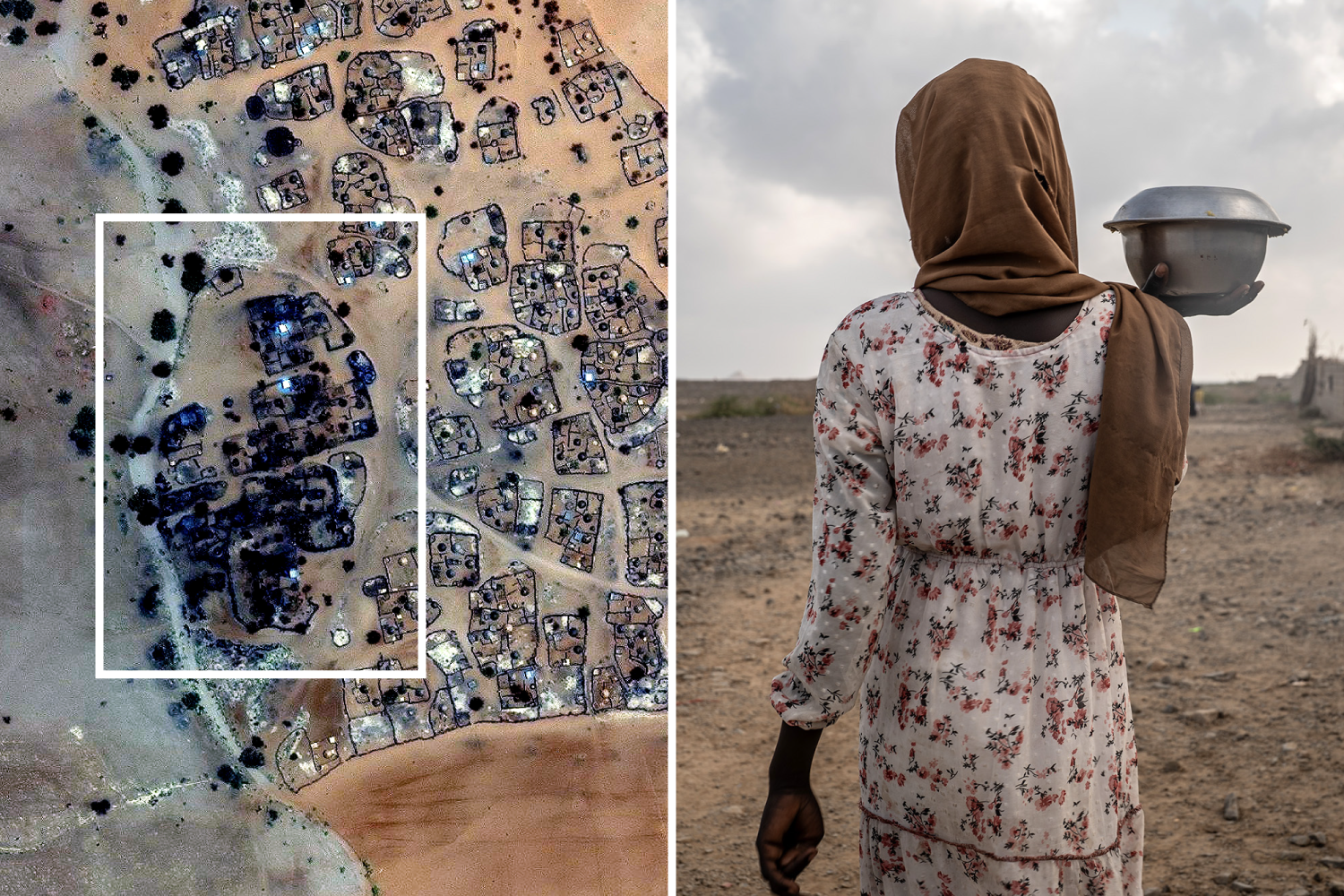
In a new interactive, CFR explores the increasing use of food as a tool of war. Whether in besieged farming communities in Sudan or in the destruction of grain siloes in Ukraine, it is targeted, strategic, and rarely punished.


Council on Foreign Relations

58 East 68th Street, New York, NY 10065

1777 F Street, NW, Washington, DC 20006

Was this forwarded to you? Subscribe to the Daily News Brief

Facebook