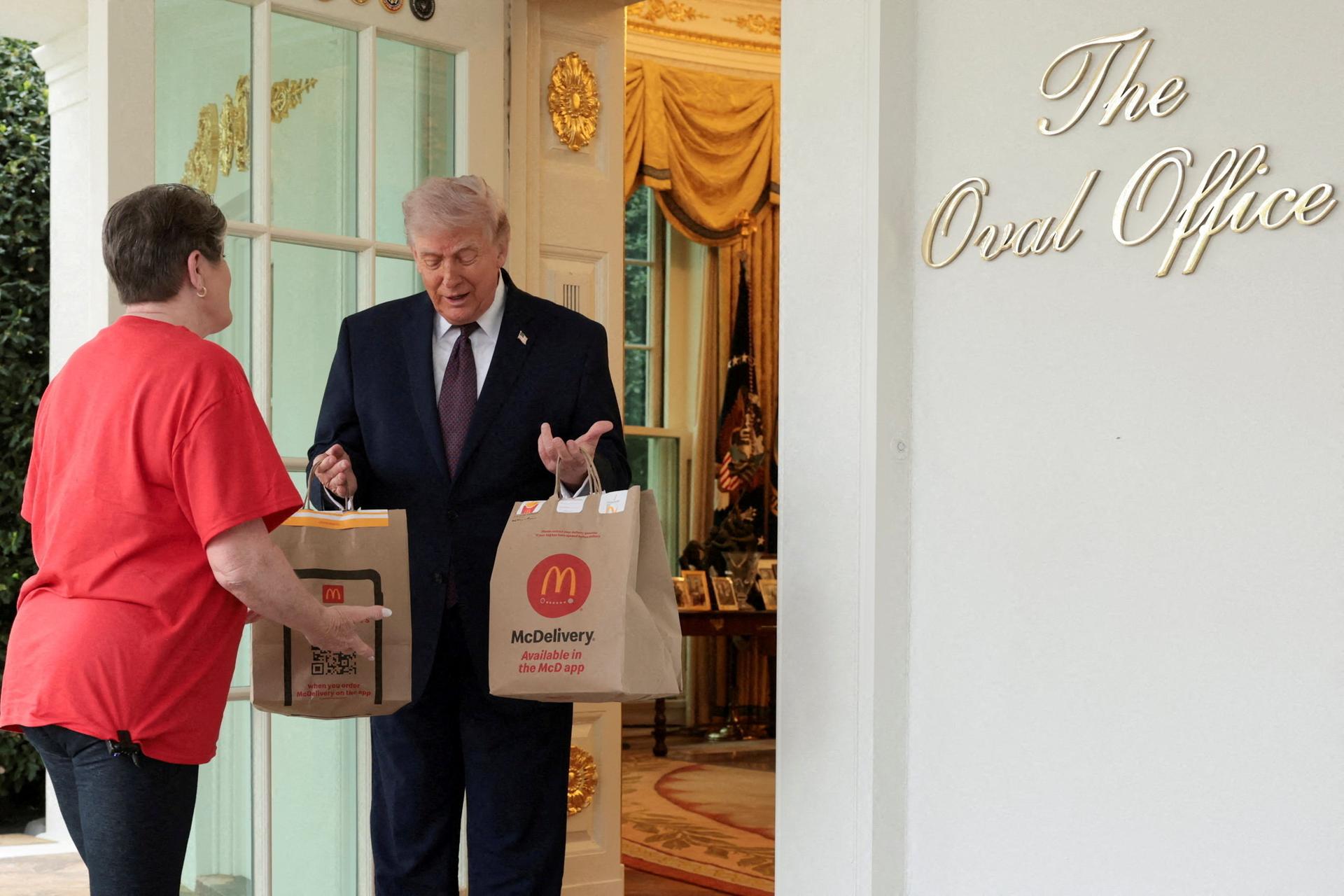
In some ways, Simmons, the 58-year-old delivery worker Trump welcomed to the White House this week, is an avatar of the post-pandemic U.S. economy. Struck by the hardship of a husband’s cancer diagnosis, she’s pulling shifts in the “gig economy” to make ends meet, according to her account.
Those jobs offer extra cash and flexibility, but not the consistent paycheck or wrap-around health and retirement benefits of full-time work. And the cost of higher gas prices as she makes deliveries may come out of her tax refund.
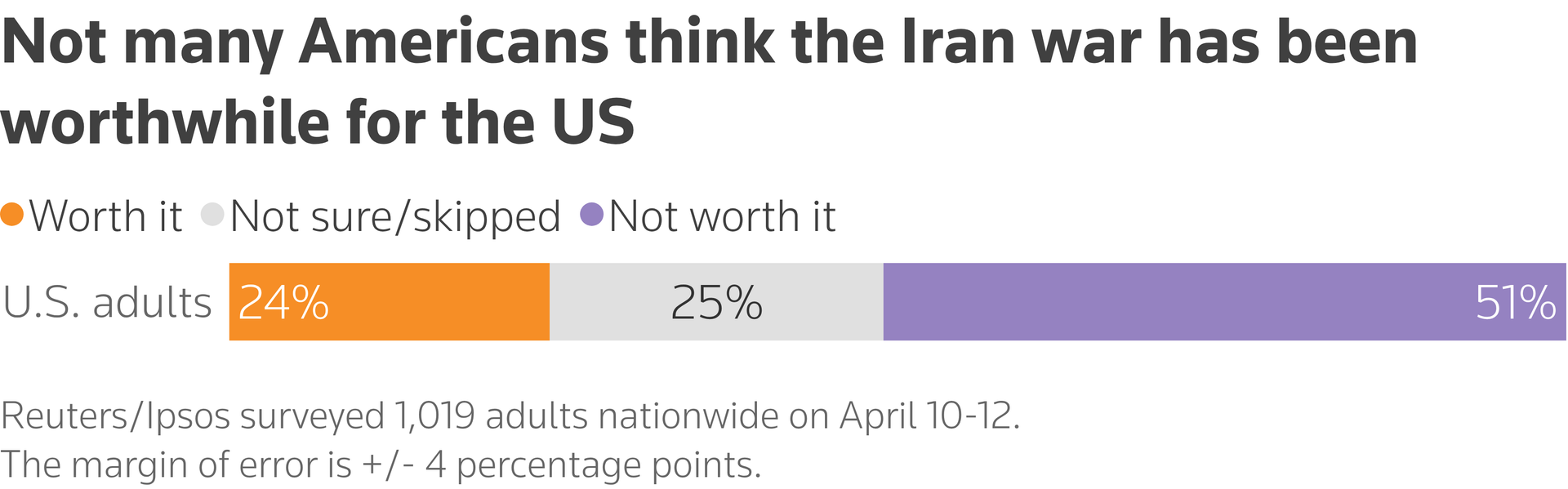
Time is short for the White House to convince voters that the pros of the Trump economy outweigh the cons. Republicans’ battle for control of Congress is underway, and voters are set to deliver their verdict in November.
Some of Trump's political advisers have a rosy outlook, predicting the president will soon clinch a deal with Iran to reopen the vital Strait of Hormuz and that the corresponding economic anxiety will cool before the midterms.
But five Republican strategists told my colleagues they fear the White House has lost control of the affordability debate. The Cook Political Report, a political forecaster, revised their projections for four Senate races in Democrats’ favor this week.
Before she left the White House, Trump tipped Simmons $100 for her delivery. She said his policies saved her thousands of dollars in taxes. Come November, voters will judge whether those savings still matter as everyday costs rise.