The conflict, which erupted on February 28 with U.S.-Israeli strikes on Iran, has sparked an energy shock, forcing the International Monetary Fund to downgrade its outlook for the global economy.
The fighting has also clouded the outlook for European firms from airlines to retailers, despite hopes for robust first-quarter earnings. Higher energy prices, supply-chain disruption and slower growth are already feeding into gloomy forecasts.
Markets were rocked in March as investors scurried for the safety of the U.S. dollar but a two-week ceasefire in early April and signs of a peace deal unleashed a blistering risk-on rally.
Most major stock bourses have clawed their way back to pre-war levels, while the dollar has handed back its safe-haven gains. Sentiment got another lift after a 10-day ceasefire between Lebanon and Israel came into force on Thursday.
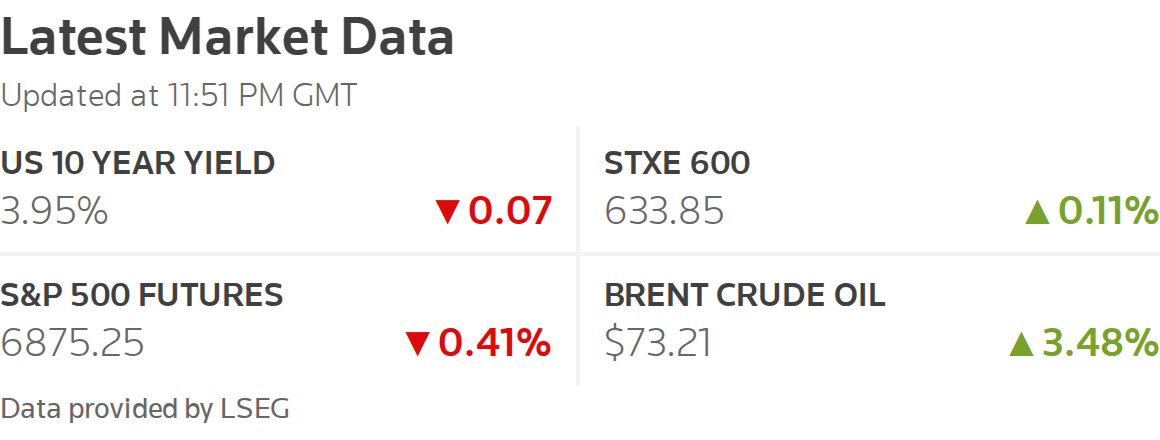
By Friday, however, traders were tapping the brakes ahead of yet another make-or-break weekend, with European futures pointing to a subdued open and Asian stocks lower on the day but poised for a strong weekly increase.