As World Bank launches 'Water Forward' program to tackle water stress.

Get full access to Reuters.com for just $1/week. Subscribe now.


Sustainable Switch

Sustainable Switch

Climate Focus

By Sharon Kimathi, Energy and ESG Editor, Reuters Digital

Hello and Happy Earth Day!

Earth Day is an annual event on April 22 aimed at demonstrating support for environmental protection.

Global ‘Earth Day’ events begin tomorrow and throughout next week to mark Earth Week. Click here to find out more about events near you.

The main focus for the newsletter today is on water before highlighting top animal conservation stories in the ‘Climate Buzz’ section.

This week, the World Bank and other top development lenders launched a new global initiative dubbed ‘Water Forward’, aimed at improving secure water access for a billion people within the next four years.

Water Forward will initially focus on 14 countries in water-stressed regions in Africa, the Middle East and South Asia and prioritise projects that reduce leakage in urban areas, modernise irrigation, improve wastewater reuse and expand data-driven planning.

The programme seeks ‌to boost investment in water management while encouraging governments to treat water as a strategic economic resource rather than a low-cost public utility.

“Water underpins biodiversity and ecological resilience, economic performance and social stability, yet it is rarely understood and managed as the interconnected system it is,” said Asian Infrastructure Investment Bank (AIIB) President Zou Jiayi.

Global demand for freshwater is expected to outstrip supply by up to 40% by the end of the decade, the World Bank estimates, with water-related shocks already costing some countries several percentage points of annual economic growth. 

“As climate change continues to reshape the water cycle, more attention must be given to generate investment for mitigation and adaptation measures,” said Jiayi.

Climate change is intensifying both droughts and floods, placing pressure on public finances and vulnerable communities, particularly in fast-growing cities. 

A report last year estimated that over 2.1 billion people lack safe drinking ‌water, ⁠and more than 3.4 billion live without adequate sanitation.


Climate Buzz

1. Scientists stunned as chimpanzees turn on friends in killing spree

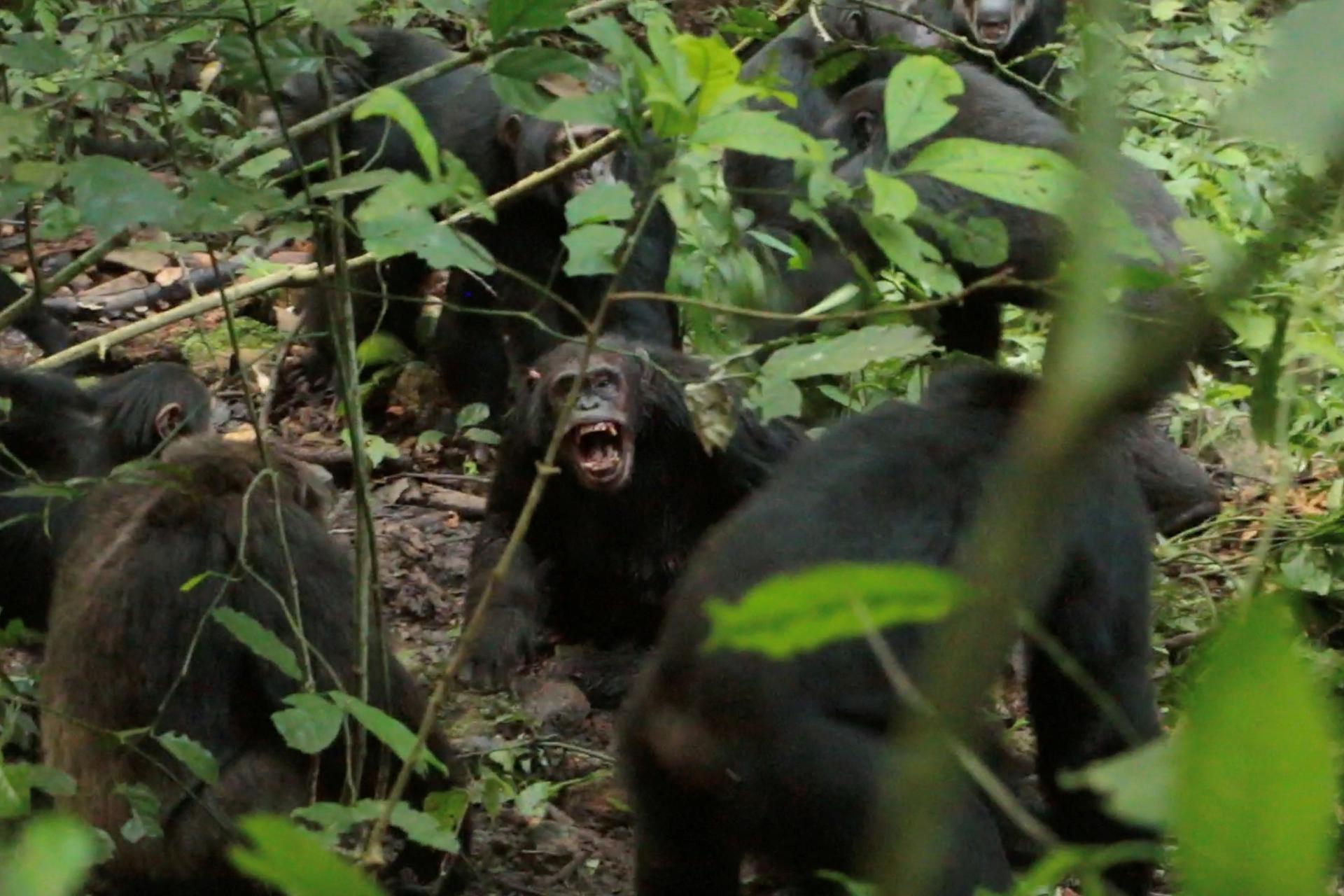
I keep thinking about this story a lot, hence it being top of today’s Climate Buzz. Research published this week revealed a once-cohesive group of chimpanzees in Kibale National Park in Uganda turned on each other and split into two separate factions, with one launching a series of coordinated attacks against the other - not unusual for rival groups but rare within a group.

Adult males and infants were targeted, resulting in 28 deaths. Chimpanzees and their close cousins, bonobos, are our closest evolutionary relatives. Certainly, food for thought.


Adult male chimpanzees of one group attack a male chimpanzee of another group in 2019 as part of lethal conflict. Kibale National Park in Uganda. Aaron Sandel/Handout via REUTERS

2. Investigation: MAGA figures are pushing Trump's campaign to grab Greenland via a dogsledding event

A network of U.S. President Donald Trump’s allies has used a variety of tactics to push his agenda and spread U.S. influence in the Arctic island of Greenland, an autonomous territory of Denmark. One of those tactics includes negotiating funding for a hallowed dogsledding event, according to interviews with dozens of politicians and officials. Click here to read the full Reuters investigation.

3. Genetic trouble detected in isolated African elephant populations

The largest genomic study of African elephants to date has found that both species of savanna and forest elephants are showing worrisome signs of inbreeding and deleterious mutations. Signs of genetic trouble were detected in elephants cut off from other populations due to factors such as growing human populations, agricultural expansion and infrastructure projects.

4. Nigeria wildlife trafficking persists as protection law awaits presidential signing

Conservation groups are pushing for Nigeria’s long‑awaited animal protection law, passed in October, ‌but not yet in force, as customs officials urge parliament to implement the bill to support enforcement. Since October, the Nigeria Customs Service has intercepted elephant ivory in Abuja, live pangolins, ⁠a lion cub and monkeys and more, ⁠according to customs statements.

5. Colombia to control hippo population through euthanasia

Colombia will launch a plan to control its invasive hippopotamus population, including euthanizing an initial 80 animals, Environment Minister ‌Irene Velez said. Colombia's first four hippos were illegally imported in the 1980s by the late drug trafficker ‌Pablo ⁠Escobar, who established a zoo on one of his properties.

The population has since grown largely unchecked. Hippos are classified as ‘vulnerable’ and not endangered, with a high risk of extinction, according to the World Wildlife Fund.


What to Watch

 
Play 
 

A zoo in Spain welcomed a healthy male baby orangutan born to mother Surya, with the infant showing a strong grip and feeding instinct since birth. Orangutans are a critically endangered species facing threats from habitat loss and illegal hunting. Click here to watch more.


Climate Commentary

  • U.S. shareholders have filed half as many environmental, social and governance proposals as last year due to Republican pressure. Click here to find out more in a column by my esteemed colleague Ross Kerber, Reuters U.S. Sustainable Business Correspondent.
  • The combination of U.S. policy support and the Iran war has increased the price of coal, but will this last? Click here to find out more in a graphics-led comment piece by academics Preetha Jenarthan and Gautam Jain at Columbia University for Reuters Open Interest.
  • Click here to learn more about Exxon’s lawsuit against California’s Climate-Related Financial Risk Act in a piece by Ethical Corp Magazine contributor Oliver Balch.
 

Climate Lens


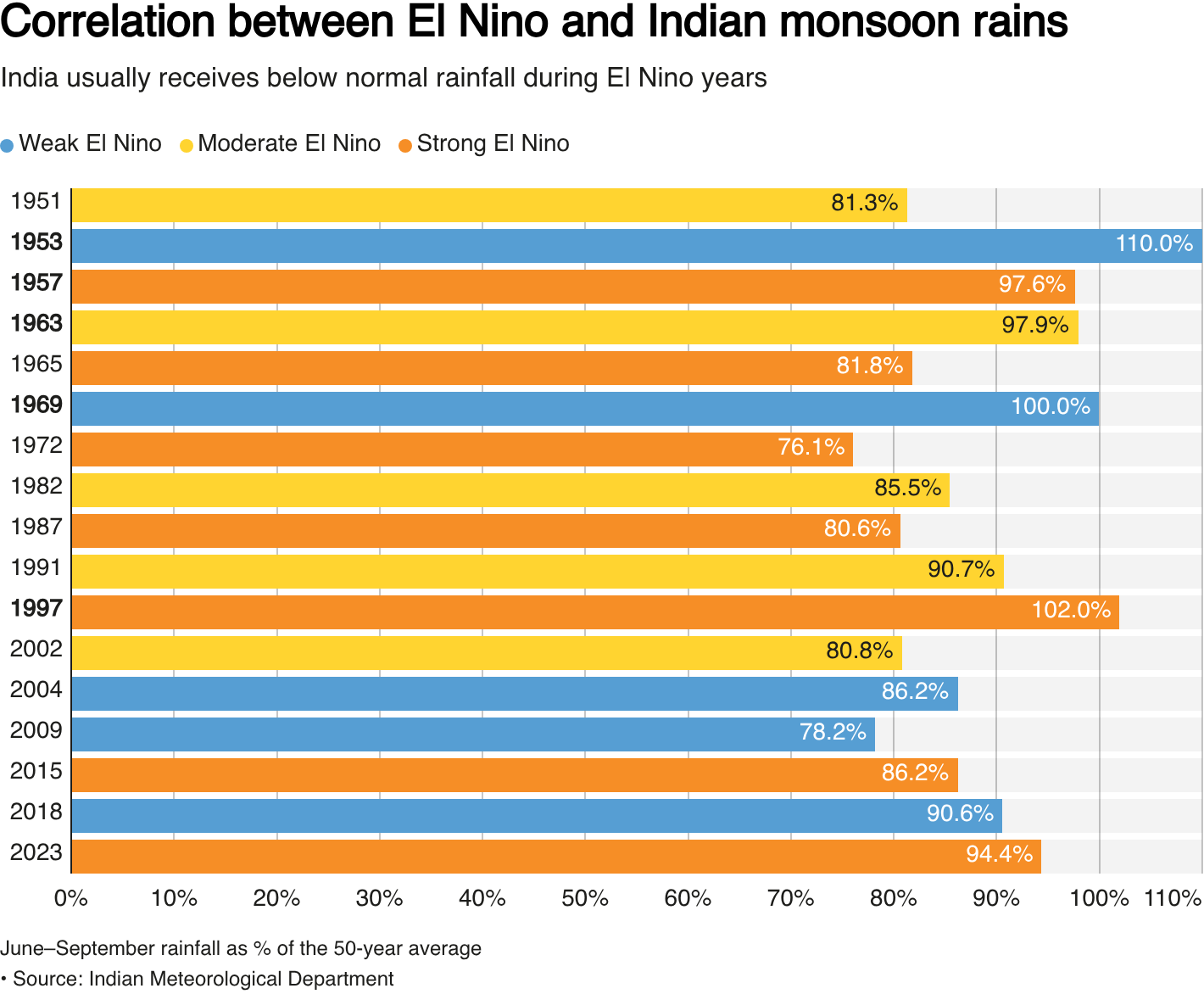
India is likely to see below-average monsoon rains for the first time in three years in 2026, the government said. In the past, India has seen below-average rainfall in most El Nino years, at times triggering severe droughts that ravaged crops and prompted export ‌curbs on certain grains. Click here for an explainer on what that means for its farm output and growth as India battles inflation driven by the Iran war.


Number of the Week

1.9%

That’s how much Japan's greenhouse gas emissions fell by in its 2024 fiscal year which e