+ Voter data requests test states’ authority and raise legal alarms.

Follow the biggest developments in courts, law firms and legal practice with Reuters. Subscribe for $1/week. Subscribe now.


The Daily Docket

The Daily Docket

A newsletter by Reuters and Westlaw

By Caitlin Tremblay

Good morning. Today we have a look at how President Trump is moving to control U.S. elections. Plus, the U.S. Supreme Court gutted a key provision of the Voting Rights Act; the 5th Circuit will hear a challenge to a Texas voting law; and a federal judge will weigh the fate of the famed felines at a national historic site in Puerto Rico. A new genome study revealed what really happened after the Roman Empire fell. It’s not Friday yet. Et tu Thursday?

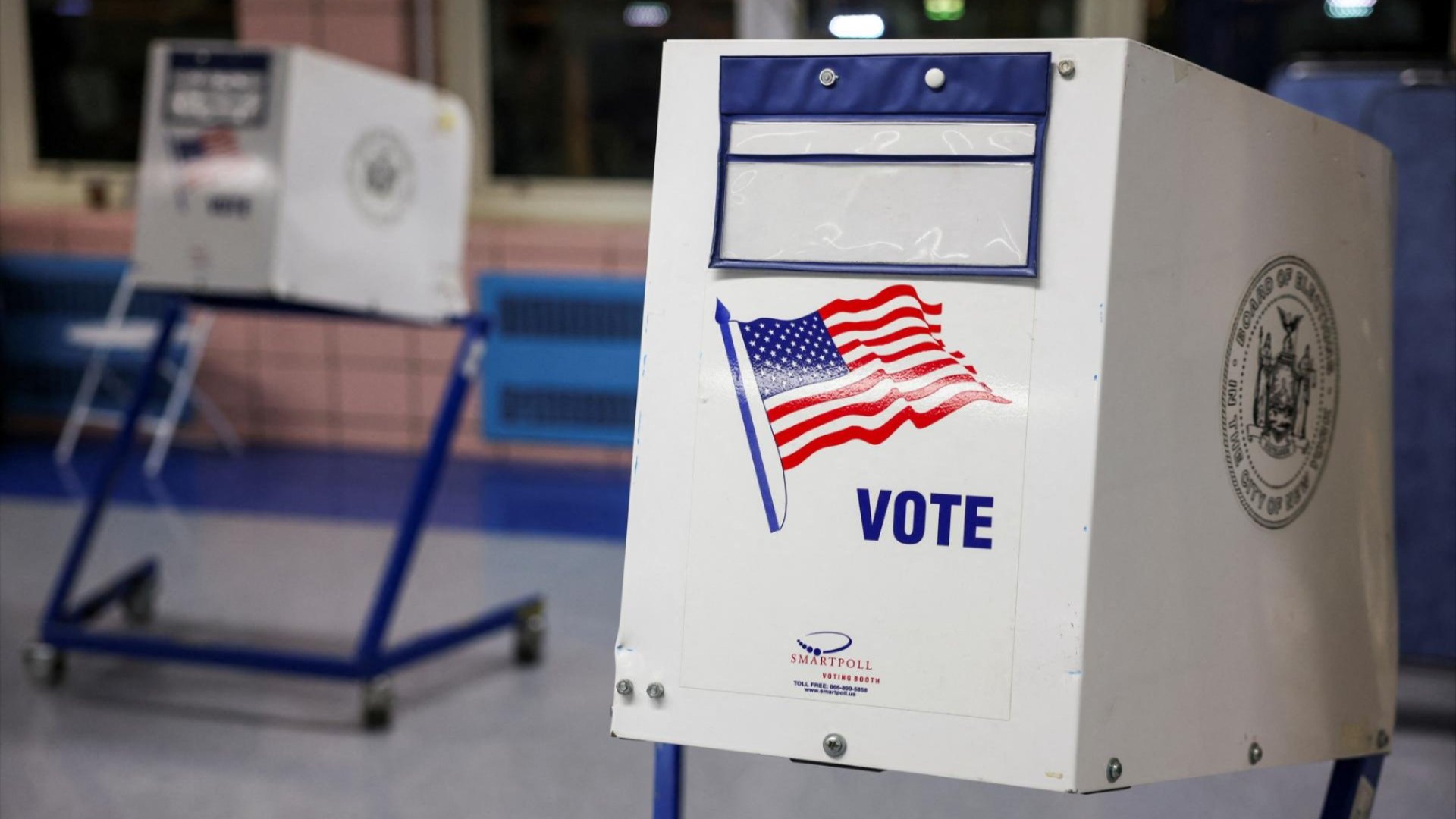
How Trump is moving to control U.S. elections, one state at a time


REUTERS/Andrew Kelly

Reuters uncovered a broader‑than‑previously known Trump administration effort to gain federal control over elections, historically run locally, in at least eight states – using investigations, raids and demands for access to balloting systems and voter ID. 

What happened
In January, a DHS agent sought unredacted voter records and voter‑registration information from Franklin County, Ohio, without explaining the basis for the request. Reuters found similar federal requests for voter data, access to voting machines or revived fraud investigations in at least eight states, including Nevada, Colorado, Michigan and Missouri, often tied to claims previously rejected by courts.

Why it matters
Elections are constitutionally administered by states, and officials across party lines say the growing federal push tests that boundary. The Trump administration’s efforts raise concerns about voter‑data privacy, federal overreach, intimidation of election officials and the potential use of disputed fraud claims in close races. Many administrators report increased legal costs, security fears and staff strain.

What’s next
States are bracing for more federal scrutiny ahead of November, drafting response plans for subpoenas and data demands. Ongoing litigation between states and the federal government could shape how far federal election enforcement can go — and redefine the balance of power over U.S. elections.

Read the special report here.


Followup: The U.S. Supreme Court appeared sympathetic on Wednesday toward moves by the Trump administration to strip humanitarian protections from hundreds of thousands of Haitian and Syrian immigrants, part of his signature immigration crackdown. Read more about the arguments here.


Coming up today

  • Voting rights: The 5th Circuit will hear a challenge to a Texas law that imposed strict ID requirements for mail-in ballots and other rules around casting a ballot.
  • Environment: U.S. District Judge Randolph Moss in D.C. will hold a motion hearing in a lawsuit brought by a non-profit dedicated to protecting stray cats seeking to block the U.S. National Park Service from removing, and in some cases killing, famed felines from a national historic site in Puerto Rico.
  • Criminal: Prosecutors will ask a federal judge to order the suspect in the shooting at the White House Correspondents’ Dinner held in detention to await a trial.

Court calendars are subject to last-minute docket changes.


More top news

  • U.S. says first refunds from Trump tariffs expected around May 11
  • Elon Musk to return to witness stand for cross-examination by OpenAI's lawyer
  • Trump administration appeals judge's order upending Kennedy's vaccine policies
  • Trump administration sues New Jersey over law enforcement mask ban
  • NCAA settles class action over curbs on prize money prior to college enrollment
  • Ex-FBI chief Comey released after court appearance on alleged Trump threat
  • Exclusive: Only Elon Musk can fire Elon Musk from SpaceX, filing shows


Industry insight

  • New survey data released Wednesday by Wells Fargo found that major U.S. law firms are seeing double-digit revenue gains during the first quarter of 2026.
  • Federal judges in Rhode Island who have repeatedly clashed with the Trump administration by blocking its policies opted on Wednesday to avoid or at least defer a standoff over who should serve as the state's top federal prosecutor. Instead of picking a replacement, they issued an order on Wednesday saying they would appoint no one. Read the order.
  • U.S. District Judge John Murphy in Philadelphia dismissed a lawsuit accusing the Law School Admission Council of illegally fixing prices and monopolizing the law school application process, but allowed the plaintiff to try again. Read more here.
 

7

That’s how many lawsuits were filed in federal court in San Francisco by family members of victims of one of Canada's deadliest mass shootings. The families sued OpenAI and its CEO Sam Altman alleging the company identified the shooter as a credible threat eight months before the attack but did not warn police. Read more here.


"The canons that govern us in Florida, senator, as I believe this committee has previously heard, did not call for me to recuse myself. I did not have an interest in the litigation."

<