And, spotting heart valve disease in Black patients.

Get full access to Reuters.com for just $1/week. Subscribe now.


Health Rounds

Health Rounds

By Nancy Lapid, Health Science Editor

Hello Health Rounds readers! Finding ways to better treat cancers without toxic chemotherapy has long been a goal, and today we highlight a new approach that could make that a reality for some blood cancer patients. We also report on a new use for artificial intelligence that could help eliminate some racial inequities in heart disease diagnoses.

In breaking news: US FDA proposes curbs on compounding of weight-loss drugs;  companies with cannabis-based drugs eye IPOs, private funding boost; Trump administration appeals judge's order upending Kennedy's vaccine policies; and US Supreme Court hears patent case with potentially sweeping implications for generics and backs anti-abortion pregnancy centers.

Also: EU regulator forms expert group to tackle vaccine hesitancy; Germany to tax sugary drinks in bid to reduce obesity rates; HIV patients in Senegal skip treatment, fearing arrest amid anti-LGBTQ crackdown; and German cabinet approves health insurance reform. 


Industry Updates

  • Pfizer's blood cancer drug meets main goal in late-stage trial.
  • LEO Pharma to buy U.S. drug developer Replay for $50 million.
  • U.S. FDA approves Axsome's drug for Alzheimer's-related agitation but rejects risk-benefit profile of AstraZeneca cancer drug.
  • Earnings reports from Lilly, GSK, AbbVie, Merck, Baxter, Regeneron, Biogen, Align Technology, Symrise, and Humana. 
  • More earnings reports: from Cardinal Health, Cigna, Bristol Myers, Dexcom and Amgen.


Convicted former Harvard scientist rebuilds brain computer lab in China

REUTERS/David Kirton

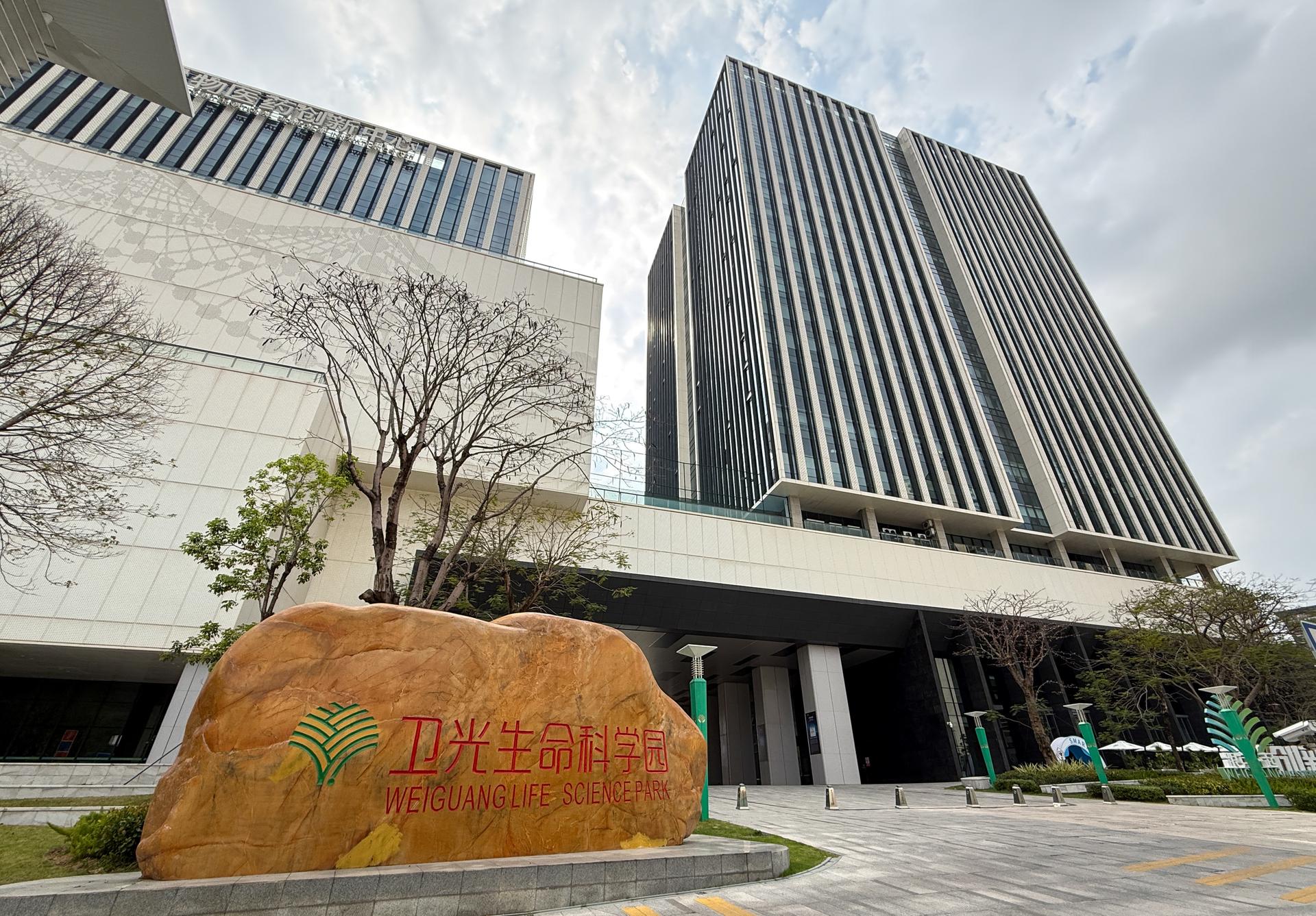
An American scientist convicted of lying to U.S. authorities about payments from China has rebuilt his research lab at Weiguang Life Science Park in Shenzhen to pursue technology China says is a national priority: embedding electronics into the human brain.


Study Rounds

Modified T cell therapy may avoid need for chemotherapy


A modified type of CAR-T cell therapy may spare blood cancer patients from the need for toxic chemotherapy that is usually given in advance, an early-stage trial suggests.

CAR-T cell therapy involves immune cells called T cells. They are harvested from the patient’s blood, modified to produce a protein that targets the cancer and multiplied until there are millions of them, and then reinfused into the patient. Toxic chemotherapy drugs are typically given in advance, to suppress the immune system and boost the effect of the CAR-T cells.

The modified version tested in a Phase 1 trial used a specific type of T cell known as T memory stem cells that can renew themselves, last for years, and differentiate into many other T cell subsets.

For the study, one group of patients with a variety of blood cancers who had already been unsuccessfully treated with bone marrow transplants were re-infused with the T memory stem cells. The others received standard CAR-T cell infusions, a therapy itself only about a decade old. No one received chemotherapy beforehand.

Complete response rates in which the cancer became undetectable were 45% in the T stem cell group compared with 10% in the standard cohort. Overall response rates were statistically similar in the two groups, the researchers reported in Cell.

“Seeing patients achieve complete responses at (low) doses... without chemotherapy preconditioning, validates years of preclinical work and opens a new chapter in CAR-T cell design,” study leader Luca Gattinoni of the Leibniz Institute for Immunotherapy in Regensburg, Germany said in a statement.

The CAR-modified T memory stem cells multiplied faster and functioned longer than standard CAR-T cells, even though the standard cohort received a median of 290 million modified cells versus 66 million in the memory stem cell group.

The median time to adverse events or disease progression was also similar, at 3.3 months in the standard CAR-T cell cohort and 4.9 months in the CAR-T stem cell cohort. Four T stem cell recipients went more than two years without disease progression.

Patients in the memory stem cell group also had lower rates of a common and potentially serious inflammatory reaction triggered when CAR-T cells become overactive in the body, the researchers said.


Read more about CAR-T cell therapy on Reuters.com

  • Allogene's blood cancer therapy cuts risk of cancer relapse in mid-stage study
  • AstraZeneca to build cell therapy base, innovation centre in Shanghai
 

Finger-cuff with AI improves diagnosis of heart valve problem in Black patients