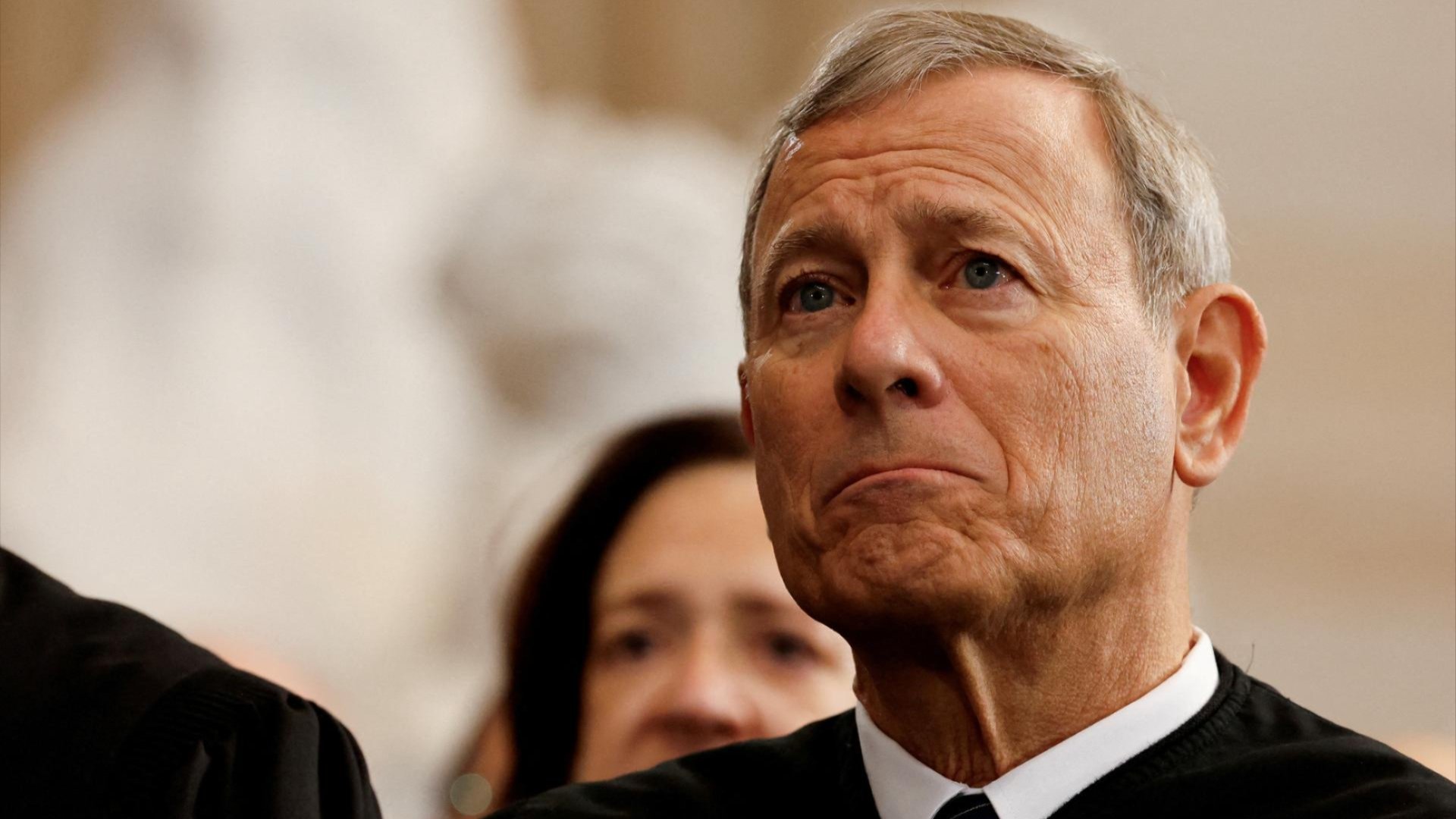
The Voting Rights Act of 1965 has often been called the crown jewel of the U.S. civil rights movement. But under a U.S. Supreme Court led for two decades by conservative Chief Justice John Roberts, experts said, that jewel has lost its luster.
What happened
In a 6–3 decision led by the court’s conservative majority, the justices sharply limited Section 2 of the Voting Rights Act, making it harder to challenge electoral maps that dilute minority voting power. The ruling blocked a Louisiana map with a second Black-majority district and, experts say, effectively replaces a long-standing “results test” with a tougher requirement to show intentional discrimination. Read the ruling here.
Why it matters
Section 2 was widely seen as the last robust tool for enforcing the Voting Rights Act after the court weakened Section 5 in 2013. Legal scholars say the new ruling leaves the law largely hollow, reducing federal oversight of redistricting and narrowing protections against racial discrimination in voting.
What it means for the midterms
With November elections looming, Republican-led states may feel freer to redraw maps, potentially affecting congressional control. Democrats and voting rights groups warn the decision could reshape the political landscape, and minority representation, for years to come.
John Kruzel has more here.