As the Sudanese civil war plunges into its fourth year, causalities are estimated to be between 150,000 and 400,000 and displaced persons total more than 11.5 million. Much devastation stems from drone warfare, with airborne attacks increasing by 70% from 2024 to 2025.
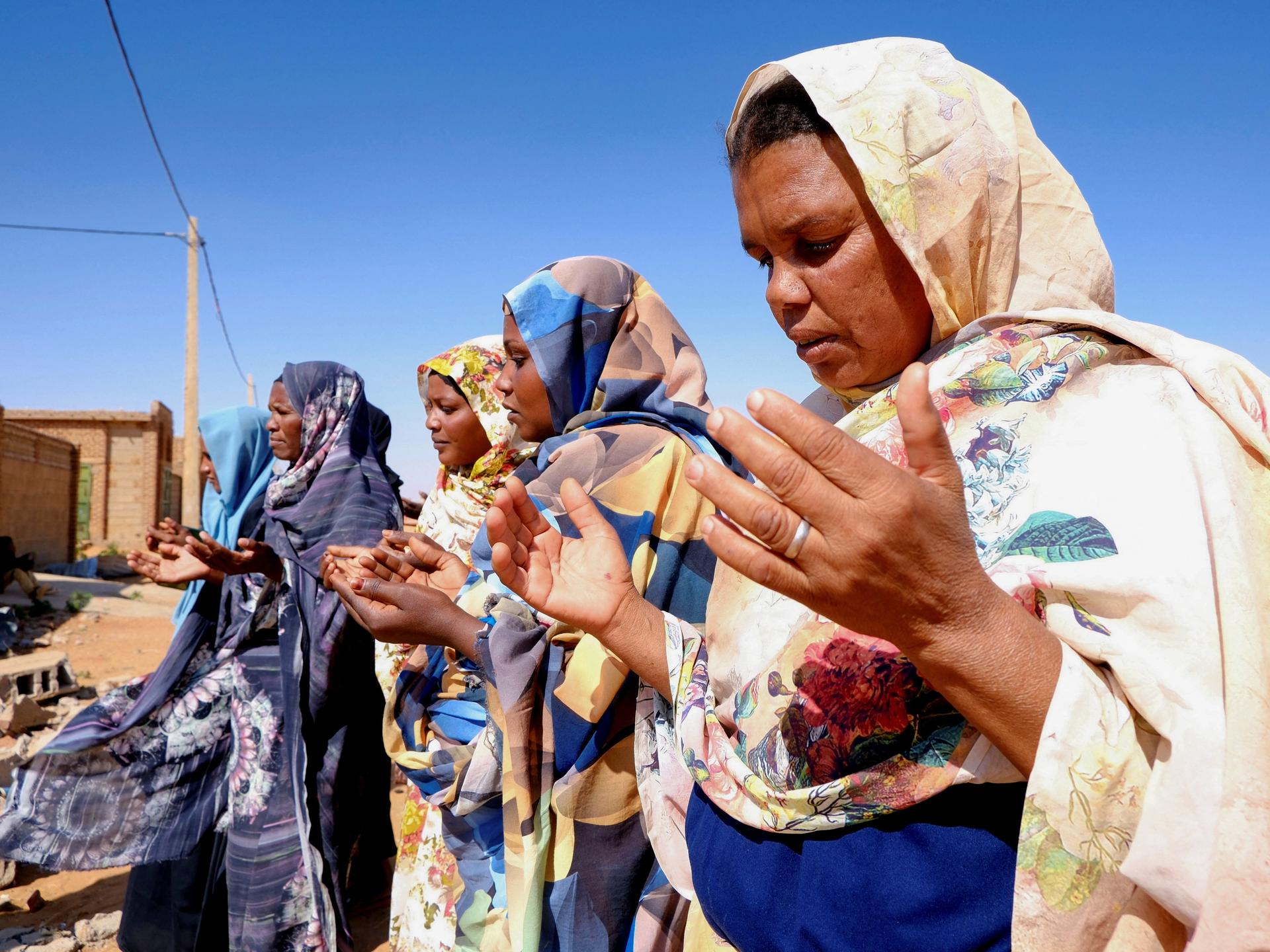
To lead this week’s edition, Talha Arif, a medical and public health student at Columbia University, explains how Sudan’s medical professionals are adapting and innovating to address the complex injuries caused by drones. Unlike attacks by traditional artillery, drone strikes are quieter and more random, causing poly-trauma or multiple wounds such as burns, shrapnel penetration, and explosive injuries. The changing nature of injuries, combined with medical supply disruptions from the Iran war, pose new obstacles to physicians and health-care workers.
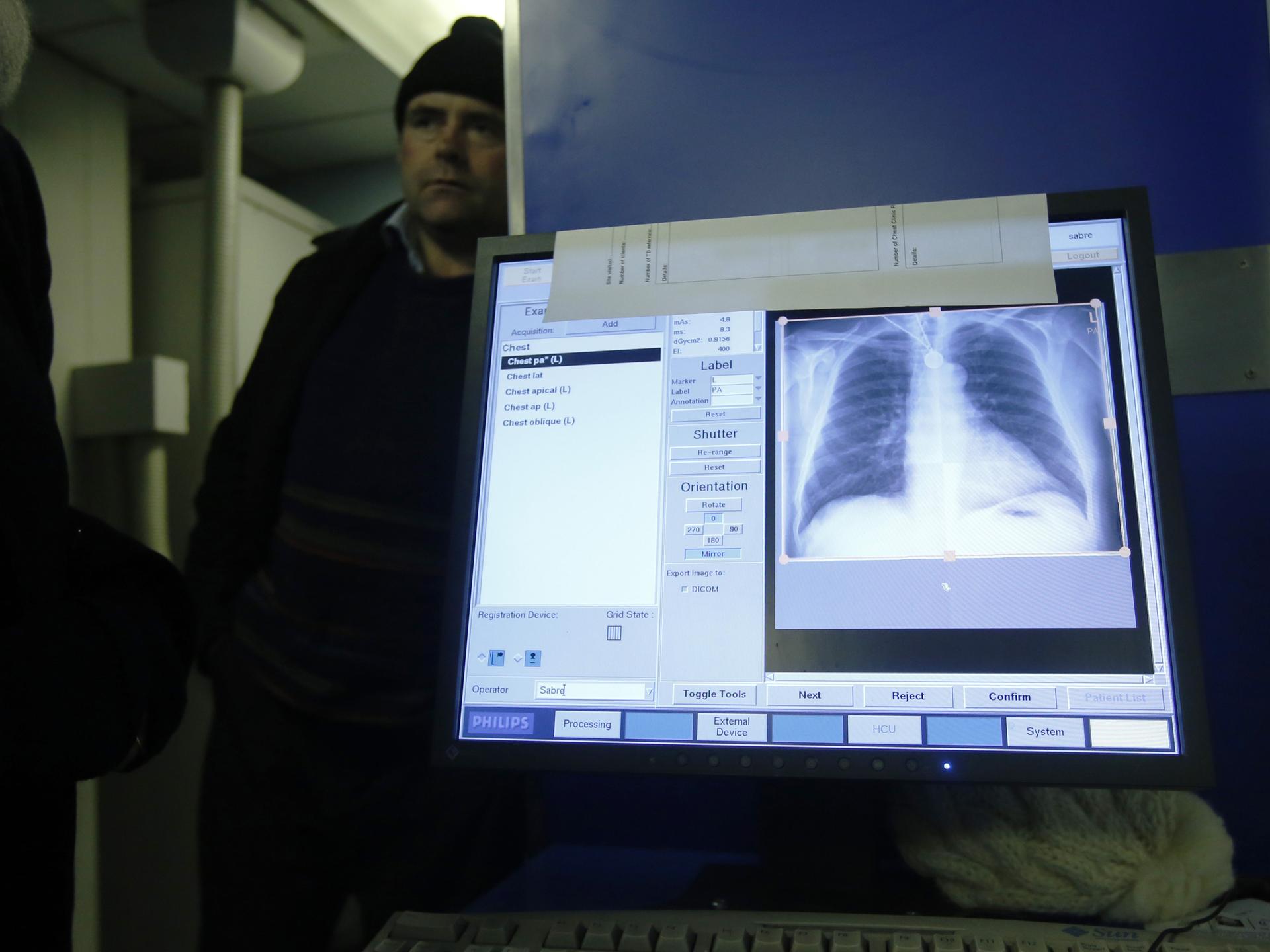
In England, 4 out of every 5 tuberculosis (TB) patients complete treatment and survive. Yet many lack access to services to manage severe lingering symptoms that include seizures, blindness, or problems with cognition. Journalist Gabriela Galvin assesses how a new clinic for TB survivors in London streamlines medical visits and hopes to establish an international model for post-TB care.
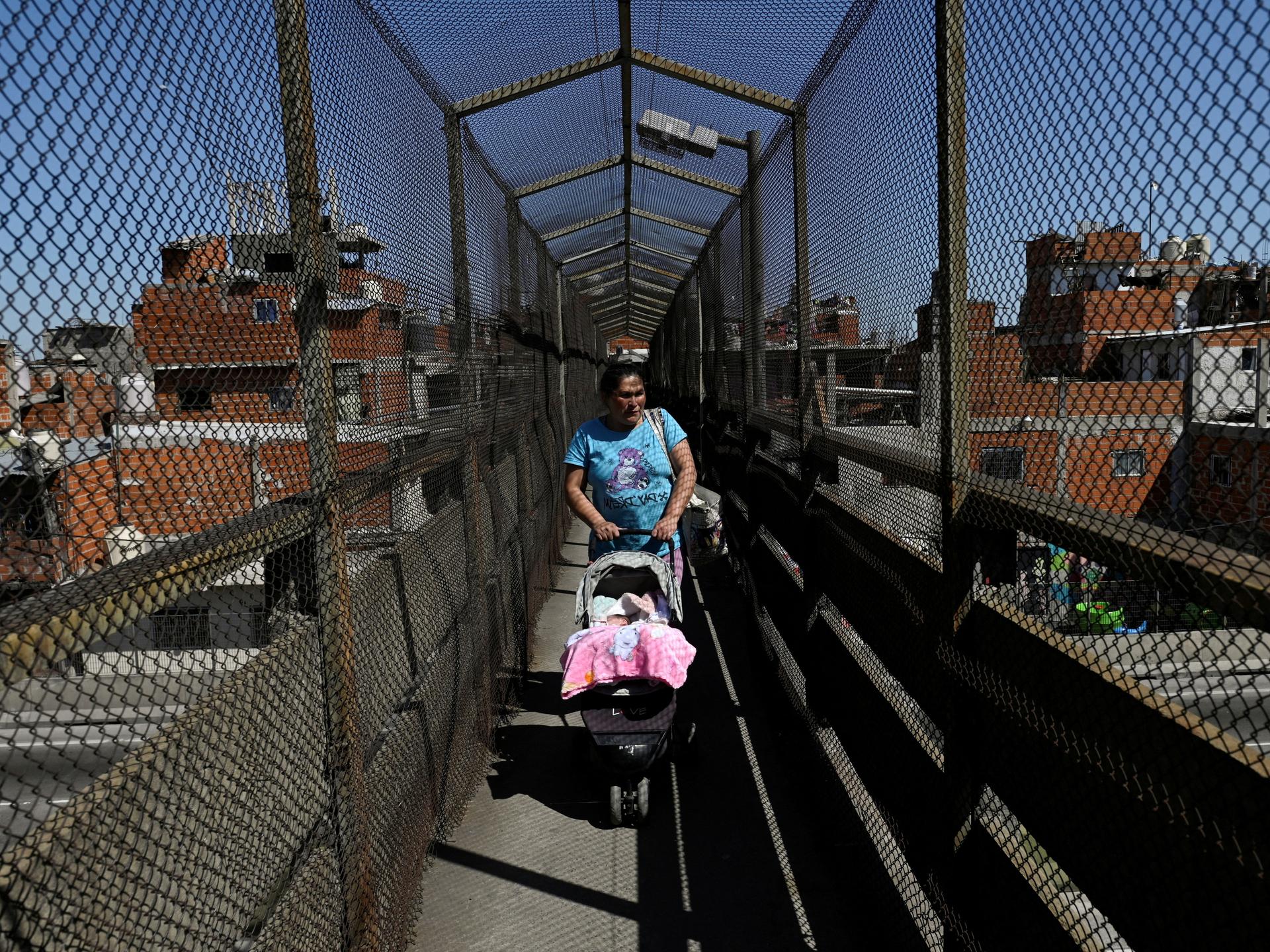
Next, Carlos Javier Regazzoni, director of the Argentine Council on Foreign Relations’ human security and global health committee describes concerning trends in Argentina’s health metrics—ones that suggest a systemic reversal of recent progress.
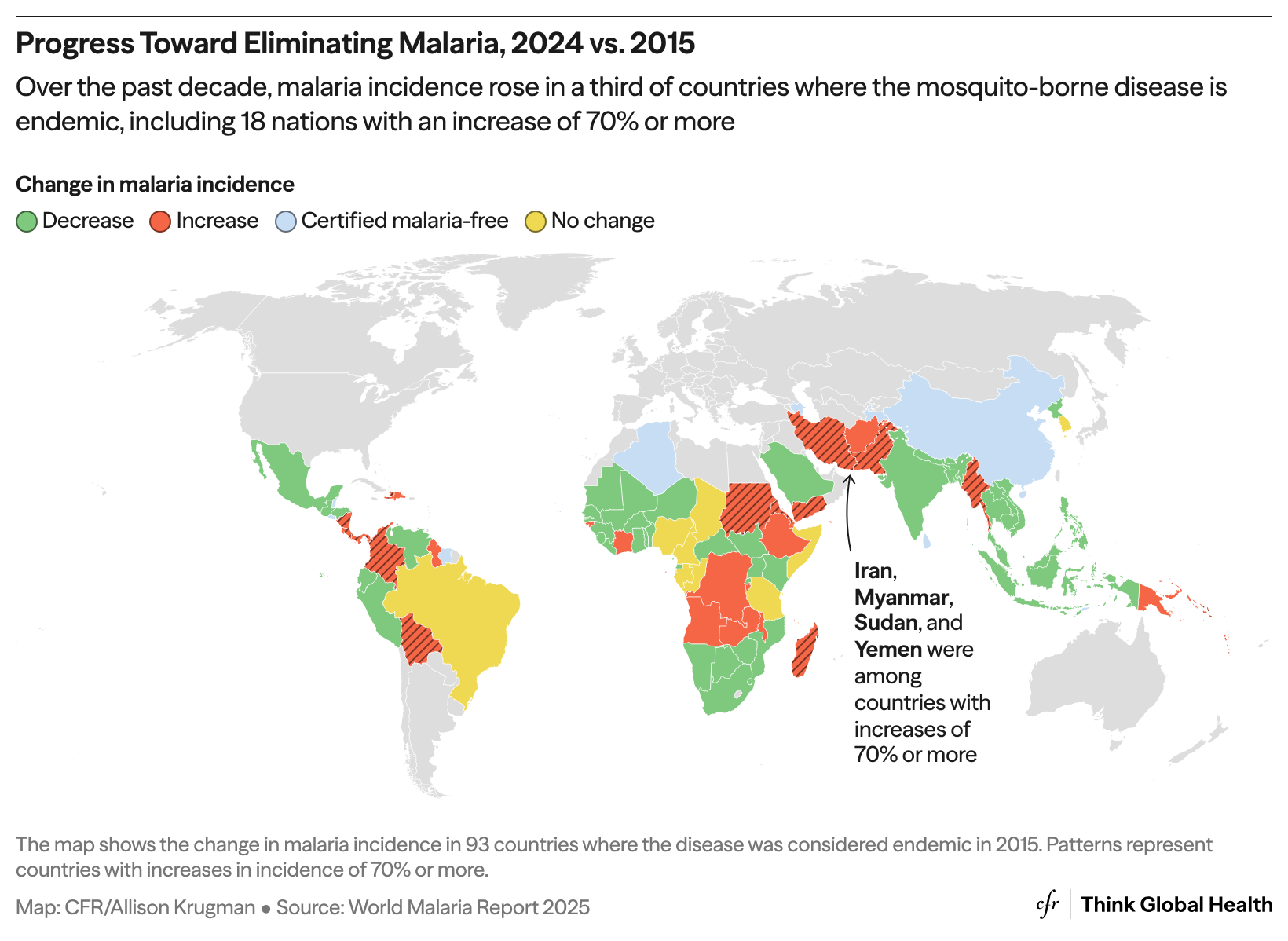
To wrap up, on the heels of World Malaria Day, TGH Data Visuals Editor Allison Krugman offers a map of how global incidence evolved from 2015 to 2024.
Until next week!—Nsikan Akpan, Managing Editor, and Caroline Kantis, Associate Editor